

Why is my gum swollen around one tooth? It is one of the most common dental concerns people search for, and the answer is not always simple.
Swollen gum around one tooth can range from a minor irritation caused by trapped food to a serious dental abscess that needs urgent care.
The localized swelling is your body signaling that something is wrong in that specific area.
Understanding the exact cause is the first step toward finding the right treatment.
What Does Swollen Gum Around One Tooth Look Like?
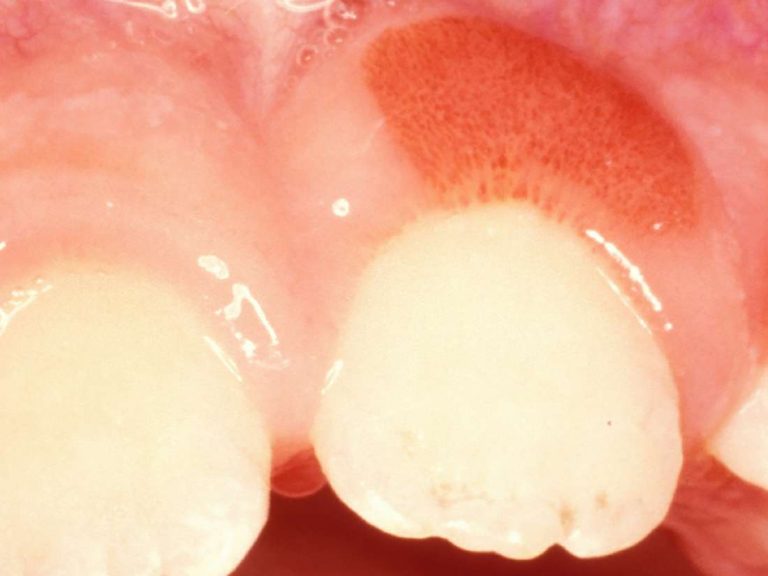
When the gum around a single tooth is swollen, the tissue appears puffy, red, and sometimes darker than the surrounding gum. The area may feel tender when touched or when you bite down.
In some cases, you may notice white or pale tissue near the swollen gum. This is usually the gum tissue reacting to trapped bacteria or debris.
Some people also see a small bump or blister near the base of the tooth. This can indicate a dental abscess, which is a pocket of pus caused by a bacterial infection.
Common Symptoms to Watch For
Before identifying the cause, it helps to note all your symptoms. Gum swelling around one tooth rarely comes alone.
| Symptom | Possible Cause |
|---|---|
| Redness and puffiness | Gingivitis or plaque buildup |
| Throbbing pain | Dental abscess |
| Bad taste in mouth | Infection or abscess draining |
| Bleeding when brushing | Gum disease or irritation |
| Fever or facial swelling | Spreading infection — urgent care needed |
| Loose feeling tooth | Advanced periodontitis |
| Swelling after extraction | Dry socket or infection |
If you have more than two of these symptoms together, it is best to see a dentist promptly rather than relying on home care alone.
Why Is My Gum Swollen Around One Tooth? Top 10 Causes
There are many possible reasons for localized gum swelling. Here are the most common causes ranked from mild to serious.
Trapped Food or Debris
Sometimes the answer is as simple as food stuck under the gumline. Popcorn husks, seeds, meat fibers, and other fibrous foods can slide under the gum and cause irritation almost immediately.
The gum responds by swelling to protect the tissue. If you notice swelling right after eating a certain food, this is likely the cause.
Gentle flossing and a warm water rinse can usually remove the debris. If swelling clears within a day or two, no further treatment is needed.
Poor Oral Hygiene
Ineffective brushing or skipping flossing in one specific area allows plaque to build up along the gumline of that tooth. Over time, the bacteria in plaque produce toxins that irritate gum tissue.
This irritation causes localized inflammation that looks and feels like swelling around just one tooth. Many people notice this on teeth that are harder to reach, like back molars.
Improving your brushing and flossing routine consistently can reverse early inflammation in this case.
Gingivitis (Early Gum Disease)
Gingivitis is the first and reversible stage of gum disease. It forms when plaque builds up along your gumline and bacteria begin infecting the gum tissue.
Early signs include red, puffy gums that bleed when you brush. Sometimes gingivitis targets one tooth, especially if plaque is concentrated there or the tooth is harder to clean.
The good news is that gingivitis is fully reversible with proper oral hygiene and a professional cleaning from your dentist.
Periodontitis (Advanced Gum Disease)
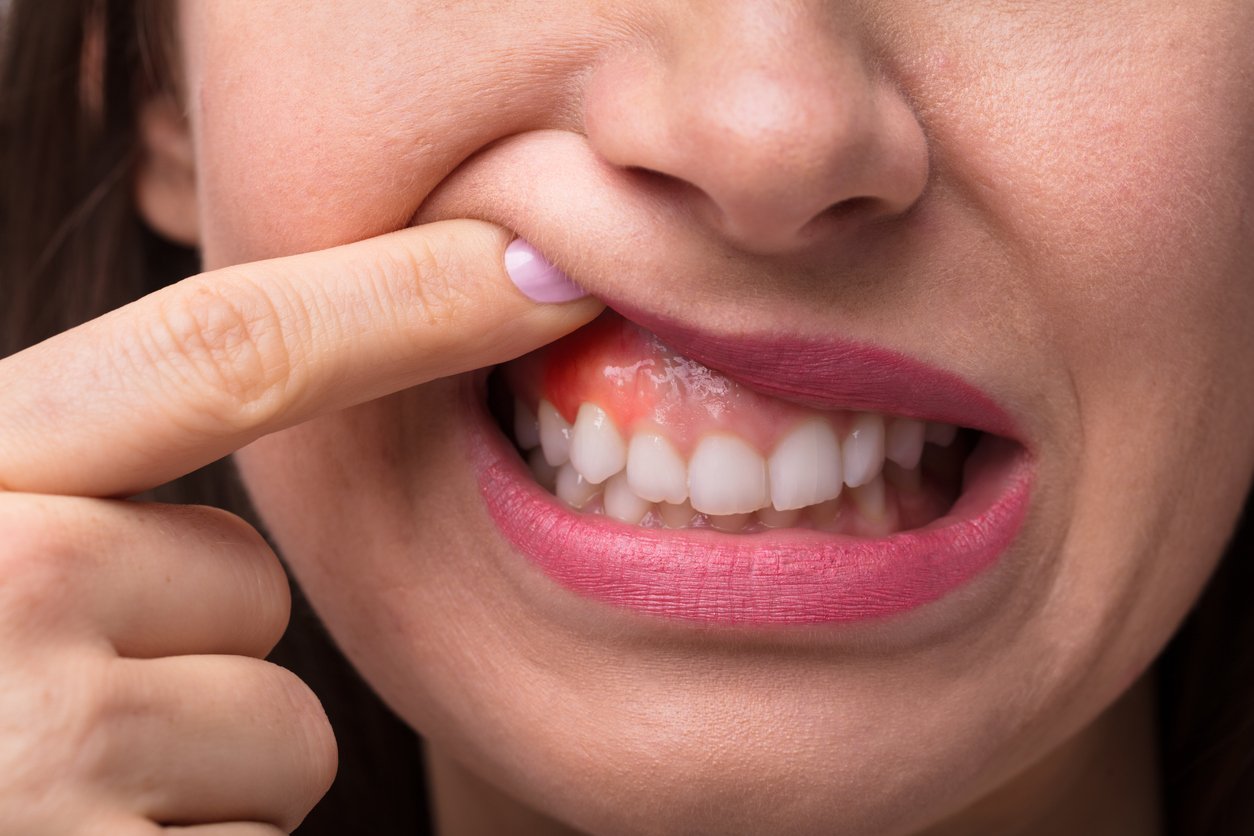
If gingivitis is left untreated, it can progress to periodontitis. At this stage, the infection breaks down the bone and tissue holding the tooth in place.
You may notice that the gum is pulling away from the tooth, creating a pocket where more bacteria collect. The affected tooth may feel loose or sensitive to pressure.
Periodontitis requires professional treatment, including deep cleaning procedures called scaling and root planing. In severe cases, surgery may be necessary.
Dental Abscess
A dental abscess is a pocket of pus caused by a bacterial infection. It can form at the root of a tooth or between the tooth and the gum.
An abscess often causes sharp, throbbing pain that may radiate to the jaw, ear, or neck. You may also notice a bad taste in your mouth if the abscess drains on its own.
This is a serious condition. Left untreated, the infection can spread. You need to see a dentist immediately if you suspect an abscess.
Tooth Decay or a Cracked Tooth
A cavity that reaches deep into the tooth allows bacteria to enter the pulp, which contains nerves and blood vessels. This bacterial invasion can trigger swelling in the surrounding gum.
A cracked or fractured tooth creates a similar pathway for bacteria. The crack may not be visible to the eye, making this cause easy to miss without an X-ray.
Your dentist can diagnose decay or cracks and recommend a filling, crown, or root canal depending on severity.
Impacted Wisdom Tooth
When a wisdom tooth partially erupts through the gum, it creates a flap of gum tissue over it. This flap traps food and bacteria, causing the gum around that back tooth to swell repeatedly.
This condition is called pericoronitis. Symptoms include swelling, pain, and sometimes difficulty opening your mouth fully.
Treatment may involve cleaning the area thoroughly or extracting the wisdom tooth if the problem keeps recurring.
Swelling After a Tooth Extraction
After a tooth is pulled, a blood clot forms in the socket to protect the bone and nerves during healing. If this clot is dislodged or fails to form, a condition called dry socket develops.
Dry socket causes swelling, significant pain, and sometimes a bad odor or taste. It usually appears two to four days after the extraction.
Your dentist can treat dry socket by cleaning the socket and placing a medicated dressing to promote healing.
Dental Appliances or Braces
Braces, retainers, or poorly fitting dentures can rub against gum tissue and cause localized irritation. Plaque that builds up around brackets and wires is especially problematic.
If you wear orthodontic appliances and notice swelling around one specific tooth near a bracket, plaque buildup or physical irritation may be to blame.
Using orthodontic wax on irritating brackets and maintaining extra careful cleaning around hardware can help manage this.
Hormonal Changes
Hormonal shifts during pregnancy, puberty, or menstruation can make gum tissue more sensitive and reactive to plaque. This is sometimes called pregnancy gingivitis.
Even a small amount of plaque that would not normally cause swelling can trigger noticeable inflammation during these hormonal periods.
Maintaining consistent oral hygiene and visiting your dentist during pregnancy or hormonal changes is especially important.
At-Home Relief Tips for Swollen Gum Around One Tooth
Before your dental appointment, these proven home remedies can provide temporary relief. They do not replace professional treatment but can ease discomfort and slow the progression of mild cases.
Warm Saltwater Rinse
A warm saltwater rinse is the most recommended first-line home remedy for a swollen gum around one tooth. The salt draws out excess fluid from inflamed tissue and reduces bacterial load.
Dissolve half to one teaspoon of salt in a cup of warm water. Swish gently for 30 to 60 seconds, focusing near the affected area. Repeat two to three times daily.
Do not use water that is too hot or too salty, as this can further irritate the tissue.
Cold Compress
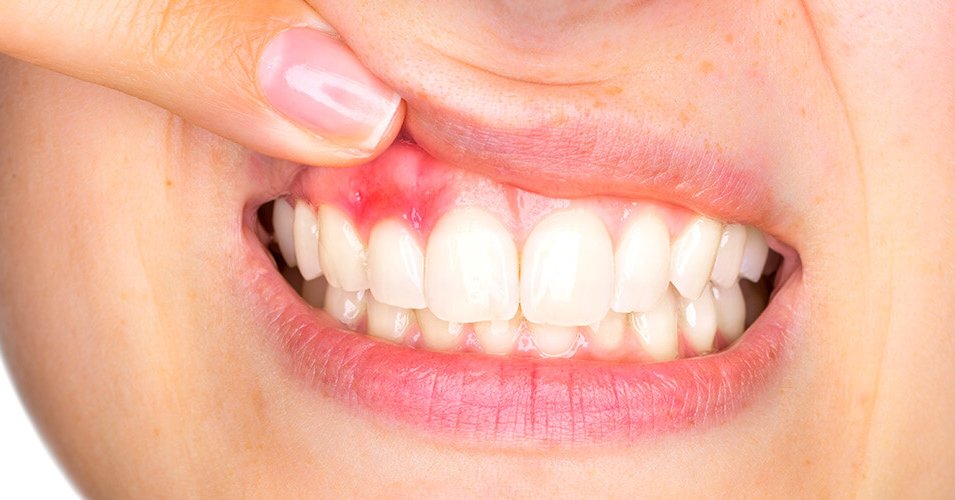
Applying a cold compress to the outside of your cheek near the swollen gum helps narrow blood vessels and reduce puffiness. It also numbs nerve endings to ease pain.
Wrap a few ice cubes or a cold pack in a clean cloth. Hold it gently against your face for 10 to 15 minutes at a time.
Never apply ice directly to gum tissue, as this can cause tissue damage.
Gentle Brushing and Flossing
It may seem counterintuitive to brush a painful area, but gentle cleaning removes plaque and food debris that are likely causing or worsening the swelling.
Use a soft-bristled toothbrush with small circular strokes along the gumline. Floss carefully around the swollen tooth using a C-shape motion to avoid snapping the floss into the gum.
If trapped food is the cause, proper flossing alone can reduce swelling within a day or two.
Antiseptic Mouthwash
An antiseptic mouthwash containing chlorhexidine or cetylpyridinium chloride can help reduce the bacteria that are contributing to gum inflammation.
Use after brushing, not as a substitute for brushing. Follow the product instructions and avoid eating or drinking for 30 minutes after rinsing.
Chlorhexidine mouthwash is the most evidence-backed option for reducing gum bacteria, according to dental research.
Aloe Vera Gel
Aloe vera has natural anti-inflammatory and antibacterial properties that can soothe irritated gum tissue. It is a gentle and widely available home remedy.
Apply a small amount of pure aloe vera gel directly to the swollen gum using a clean finger. Leave it on for a few minutes, then rinse with warm water.
Use food-grade or dental-grade aloe vera gel for best results. Avoid products with added alcohol or artificial fragrances.
Turmeric Paste
Turmeric contains curcumin, a compound known for its anti-inflammatory and antimicrobial effects. It has been used in herbal medicine for gum health for centuries.
Mix a quarter teaspoon of turmeric powder with a small amount of water to form a paste. Apply gently to the affected gum, leave for five minutes, then rinse thoroughly.
Note that turmeric can temporarily stain gums and teeth with excessive use, so apply it sparingly.
Over-the-Counter Pain Relievers
Ibuprofen or acetaminophen can reduce both pain and inflammation while you wait for dental treatment. Ibuprofen is often preferred because it has anti-inflammatory properties.
Always follow the dosage instructions on the packaging. Do not use pain relievers as a long-term solution or to avoid visiting the dentist.
If you are on blood thinners or have kidney or liver concerns, check with your doctor before taking any OTC medication.
Hydrogen Peroxide Rinse
Diluted hydrogen peroxide can help kill bacteria and reduce gum inflammation. Mix equal parts 3% hydrogen peroxide and water.
Swish gently for about 20 seconds, then spit out completely. Do not swallow. Use no more than once or twice daily.
This is a short-term remedy. Overuse can disrupt the natural balance of bacteria in your mouth.
Professional Dental Treatments for Swollen Gum
Home remedies can provide temporary relief, but many causes of gum swelling around one tooth require professional care.
| Cause | Professional Treatment |
|---|---|
| Plaque and tartar buildup | Scaling and root planing (deep cleaning) |
| Dental abscess | Drainage, antibiotics, root canal or extraction |
| Gum disease (periodontitis) | Deep cleaning, surgery if advanced |
| Impacted wisdom tooth | Removal or pericoronitis treatment |
| Tooth decay reaching pulp | Root canal therapy or extraction |
| Dry socket after extraction | Medicated dressing, socket cleaning |
| Cracked tooth | Crown or extraction depending on severity |
Your dentist will take X-rays and perform a full examination to determine the exact cause. Treatment is always more effective the earlier it begins.
When to See a Dentist Immediately
Some symptoms alongside gum swelling signal a potentially serious situation that needs same-day or urgent dental attention.
Do not wait if you experience any of the following:
- Fever above 38°C (100.4°F) combined with gum swelling
- Facial swelling spreading toward the jaw, neck, or eye
- Difficulty swallowing or breathing
- Extreme, throbbing pain that does not respond to pain relievers
- Pus visible at the gum line
- Swelling that gets significantly worse within hours
These can be signs of a spreading dental infection, which can become life-threatening if bacteria enter the bloodstream. Seek emergency dental or medical care.
For non-emergency cases, see your dentist if swelling persists beyond one week, or beyond two to three days if you suspect an infection.
How to Prevent Gum Swelling Around One Tooth
Prevention is far easier than treatment. Most cases of localized gum swelling are entirely preventable with consistent oral care habits.
Brush Twice Daily With Proper Technique
Brush every surface of every tooth for at least two minutes twice a day. Use a soft-bristled toothbrush and gentle circular strokes to clean along the gumline without causing trauma.
Electric toothbrushes, especially oscillating-rotating types, remove significantly more plaque than manual brushing.
Replace your toothbrush or brush head every three to four months, or sooner if the bristles fray.
Floss Every Day
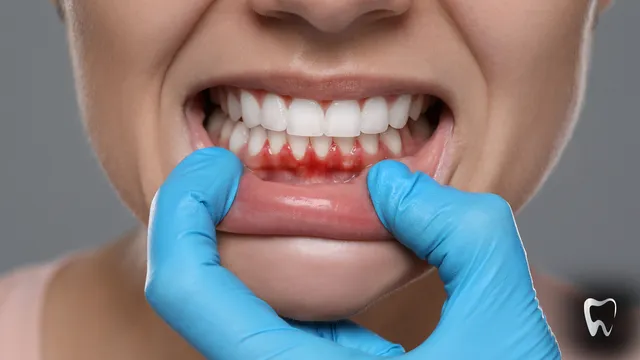
Flossing once daily removes plaque and food from between teeth and under the gumline where brushing cannot reach. This is the most important step many people skip.
Use a C-shape technique, gently guiding the floss under the gumline of each tooth. Water flossers are a good alternative for people who find traditional floss difficult to use.
Consistency matters more than the specific tool you use. Pick a method you will actually do every day.
Use an Antibacterial Mouthwash
Rinsing with an antibacterial or fluoride mouthwash after brushing adds an extra layer of protection against the bacteria that cause plaque and gum inflammation.
Look for mouthwashes containing chlorhexidine, cetylpyridinium chloride, or essential oils like eucalyptol and thymol.
Make this the last step in your routine so the active ingredients stay on tooth and gum surfaces longer.
Visit Your Dentist Every Six Months
Professional cleanings remove tartar that home brushing and flossing cannot. Tartar is hardened plaque that only a dental hygienist can safely remove.
Regular checkups also allow your dentist to catch early signs of gum disease, decay, or other issues before they become painful and expensive to treat.
Even if your teeth feel fine, twice-yearly visits are an essential part of preventing gum swelling and other oral health problems.
Eat a Tooth-Healthy Diet
Sugary and acidic foods feed the bacteria that cause plaque and damage gum tissue. Reducing sugar intake and eating a balanced diet directly benefits your gum health.
Foods rich in vitamin C, calcium, and phosphorus support gum tissue strength and enamel health. Think leafy greens, dairy, citrus fruits, carrots, and celery.
Staying hydrated helps wash away food debris and keeps saliva production healthy, which is your mouth’s natural defense against bacteria.
Avoid Smoking and Tobacco
Smoking and tobacco use significantly increase the risk of gum disease by reducing blood flow to gum tissue and impairing the mouth’s ability to heal.
Smokers are twice as likely to develop serious gum disease compared to non-smokers. Tobacco use also makes gum infections harder to treat.
Quitting smoking is one of the most impactful things you can do to protect your long-term gum and oral health.
Gum Swelling Around a Back Tooth vs a Front Tooth
The location of the swelling can hint at the cause. Swelling in the back of the mouth around a molar or wisdom tooth is often linked to impaction, plaque trapped in hard-to-reach areas, or a cracked molar.
Swelling around a front tooth is more often linked to trauma, brushing injury, or a localized gum infection from missed plaque.
In both cases, the evaluation and treatment process is similar. Your dentist will examine the area, take X-rays, and identify the source of the problem.
Gum Swelling After a Crown, Filling, or Root Canal
Dental procedures can sometimes cause temporary gum swelling as the tissue heals. This is normal and typically resolves within a week.
However, if swelling increases, becomes painful, or is accompanied by fever after a dental procedure, contact your dentist. This can indicate a post-procedure infection that needs attention.
Do not assume all post-procedure swelling is normal. When in doubt, call your dental office and describe your symptoms.
Can a Swollen Gum Around One Tooth Go Away on Its Own?
It depends entirely on the cause. If the swelling is from trapped food debris or minor irritation, it may clear up within one to two days after proper cleaning.
However, swelling caused by gum disease, a dental abscess, a cracked tooth, or an impacted wisdom tooth will not resolve on its own. It will almost always worsen over time without treatment.
Never assume gum swelling will go away on its own beyond two to three days. Always see a dentist if the swelling persists or is accompanied by pain, fever, or other symptoms.
Frequently Asked Questions (FAQs)
Why is only one gum swollen around one tooth?
Localized swelling usually means something is affecting that specific tooth, such as trapped food, plaque buildup, an abscess, or a crack. It rarely means a whole-mouth problem.
Can a swollen gum around one tooth be serious?
Yes. While it can be minor, it can also signal a dental abscess or spreading infection. See a dentist if the swelling lasts more than three days or comes with pain and fever.
How long does it take for a swollen gum around one tooth to go away?
Minor swelling from food debris may clear in one to two days. Infection-related swelling will not go away without treatment and can worsen within days.
What is the fastest home remedy for a swollen gum?
A warm saltwater rinse is the fastest and most dentist-recommended home remedy. It reduces bacteria and draws fluid out of inflamed tissue within hours.
Can stress cause a gum to swell around one tooth?
Stress weakens the immune system and can worsen existing gum inflammation. It does not directly cause gum swelling but makes you more susceptible to infections and slower to heal.
Should I floss if my gum is swollen around one tooth?
Yes, gently. Careful flossing removes food and plaque that may be causing the swelling. Avoid snapping the floss into the gum. Use slow, careful strokes.
Can a vitamin deficiency cause a swollen gum around one tooth?
A lack of vitamin C in particular can cause gum inflammation and bleeding. While it usually affects the whole mouth, it can be more noticeable in already-irritated areas.
Is a swollen gum around one tooth always an infection?
No. It can be from trapped food, trauma, brushing too hard, or orthodontic irritation. However, persistent swelling beyond a few days is more likely infection-related.
Can a dentist fix swollen gum in one visit?
Often yes, depending on the cause. Trapped food, minor gingivitis, or an abscess can usually be addressed in a single appointment, though follow-up care may be needed.
When should I go to the emergency room for a swollen gum?
Go to the emergency room if you have facial swelling spreading toward the neck or eye, difficulty breathing or swallowing, or a high fever alongside severe dental pain. These can signal a life-threatening spreading infection.
Conclusion
A swollen gum around one tooth is your body’s way of telling you something is not right in that specific area.
The cause can range from something as simple as a piece of food stuck under the gumline to a serious dental abscess that demands urgent care.
Knowing the difference is what this guide has been built to help you do.
Start with a warm saltwater rinse and careful flossing to address minor irritation at home.
But do not let gum swelling sit untreated for more than a week, or even two to three days if the pain is significant.
Dental problems that are caught early are almost always easier, faster, and less costly to treat than those left to progress.
The best long-term protection is a consistent oral hygiene routine, a balanced diet, no tobacco, and twice-yearly dental checkups.
Take your gum health seriously in 2026, because healthy gums are the foundation of a healthy smile and, increasingly, a healthy body overall.
