

Why has groundwater use increased over time? The short answer is population growth, but the full picture involves urbanization, agriculture, industry, climate change, and shrinking surface water supplies all pulling in the same direction.
As cities expanded and surface water sources became polluted or overused, communities turned underground for a reliable freshwater supply.
Farming, manufacturing, and daily household needs have only added to this demand. Understanding why groundwater use keeps climbing helps explain today’s water scarcity concerns and why sustainable management matters more than ever.
What Is Groundwater and Why Does It Matter?
Groundwater is freshwater stored underground in soil and rock formations called aquifers.
It supplies drinking water to over a billion people worldwide and supports farming, industry, and ecosystems.
Because it’s often hidden from view, groundwater is easy to overuse without realizing the long-term consequences.
Understanding why its use has grown so much helps explain current water stress in many regions.
Groundwater Use: Preindustrial Times vs Today
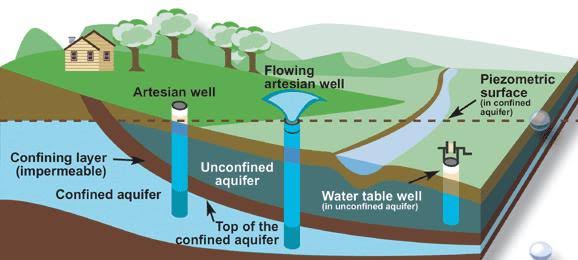
Groundwater use looked very different before industrialization changed how societies accessed water.
| Period | Groundwater Use Pattern |
|---|---|
| Preindustrial times | Limited, communities settled near surface water |
| Early industrial era | Rising use as cities grew beyond surface supply |
| Mid-20th century | Sharp increase with population and farming booms |
| Today | High, widespread reliance across sectors |
In preindustrial times, people mostly settled near rivers, lakes, and springs rather than digging wells.
As populations grew and spread beyond these natural water sources, groundwater became a necessary alternative supply.
The Main Reason: Population Growth
The single biggest driver behind rising groundwater use is the continuous growth of the global population.
More people means more demand for water for drinking, sanitation, food production, and daily household needs.
As populations expand faster than surface water supplies can accommodate, communities increasingly turn to groundwater wells.
This trend is expected to continue as global population figures keep climbing through the coming decades.
Urbanization and Its Role in Groundwater Demand
Urbanization has concentrated large populations into areas that often lack sufficient direct access to surface water.
Cities frequently have higher water demand than nearby rivers or lakes can reliably supply on their own.
As a result, many urban areas rely heavily on groundwater extraction to meet daily municipal needs.
Rapid, unplanned urban growth in some regions has placed extreme pressure on local aquifers.
Pollution of Surface Water Sources
Rivers, lakes, and springs have become increasingly polluted from industrial waste, agricultural runoff, and sewage discharge.
Polluted surface water often becomes unsafe or too costly to treat for regular drinking water use.
This pushes communities toward groundwater, which is generally cleaner and more protected from surface contamination.
Unfortunately, heavy groundwater extraction can eventually introduce its own pollution and depletion risks over time.
Agricultural Irrigation Demands
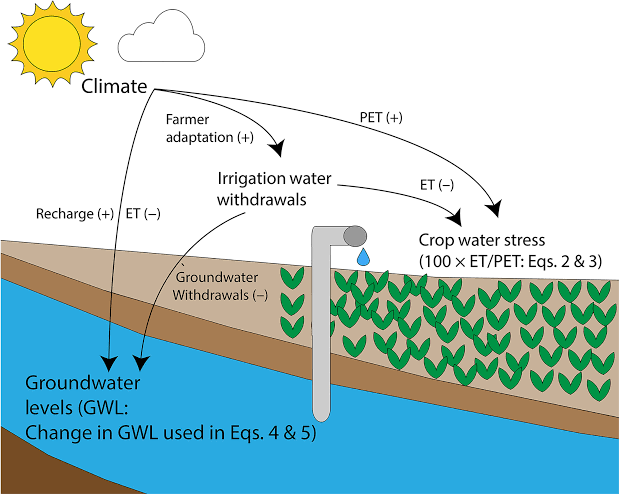
Agriculture is one of the largest consumers of groundwater worldwide, especially in dry and semi-arid regions.
Irrigation-dependent farming has expanded significantly to meet rising global food demand from a growing population.
In areas with unreliable rainfall, groundwater wells have become essential for maintaining consistent crop yields.
| Sector | Approximate Share of Global Water Use |
|---|---|
| Agriculture | Largest share, often 60–70% |
| Industry | Significant, varies by country |
| Domestic and municipal | Smaller but steadily rising |
This heavy agricultural reliance is a major reason groundwater withdrawal rates have climbed so sharply since the mid-20th century.
Industrial and Manufacturing Growth
Industries use large volumes of water for manufacturing, cooling systems, mining, and processing raw materials.
As industrial activity has expanded globally, water demand from factories and production facilities has grown alongside it.
In many regions, industries rely on groundwater because it offers a more consistent, controllable supply than surface sources.
This steady industrial demand adds another layer of pressure on already strained aquifer systems.
Climate Change and Reduced Surface Water Availability
Climate change has altered rainfall patterns, making some regions drier and surface water less predictable.
Higher temperatures also increase evaporation rates, reducing the amount of usable surface freshwater available.
As surface water becomes less reliable, communities and farms increasingly depend on groundwater as a buffer.
This creates a cycle where climate stress drives up groundwater use, which then strains aquifers further.
Lifestyle and Consumption Pattern Changes
Modern lifestyles generally require more water per person than in previous generations.
Increased meat consumption, processed food production, and household water use all contribute to higher overall demand.
Economic development tends to shift consumption toward more resource-intensive products, indirectly raising water use.
These lifestyle shifts compound the pressure already created by population growth and urban expansion.
Global Freshwater Use Growth Over Time
Global freshwater use has grown dramatically over the past century, reflecting many of the trends already discussed.
Freshwater withdrawals worldwide have increased roughly six-fold since 1900, driven largely by population and economic growth.
| Time Period | Trend in Global Freshwater Use |
|---|---|
| Since 1900 | Roughly six-fold increase overall |
| 1950s onward | Sharp acceleration in withdrawal rates |
| Since 2000 | Growth rate appears to be slowing |
While overall use is still rising, the pace of growth has started leveling off in recent decades in many countries.
Which Countries Use the Most Groundwater?
Groundwater withdrawal is not evenly distributed, with a handful of countries accounting for the largest share.
India, China, and the United States currently rank among the largest freshwater withdrawal countries globally.
Large agricultural sectors and dense populations in these countries drive particularly high groundwater dependence.
Regions with limited surface water access often show the steepest rise in groundwater reliance over recent decades.
Groundwater Overdraft: When Use Outpaces Recharge
Groundwater overdraft happens when the rate of water extraction exceeds the rate of natural recharge into the aquifer.
This can continue for years without obvious problems until the aquifer’s storage begins noticeably declining.
Eventually, overdraft leads to falling water tables, drying wells, and even land subsidence in severe cases.
Recognizing overdraft early allows for better management before permanent damage occurs to the water source.
How Groundwater Is Naturally Replenished
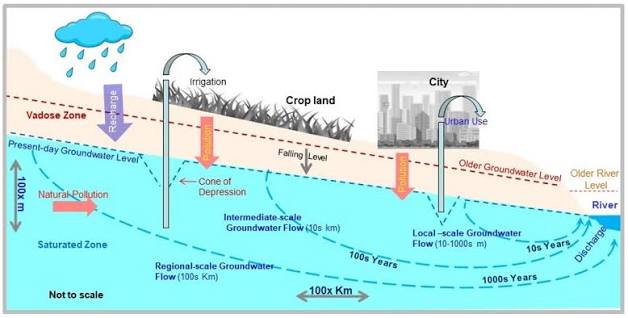
Groundwater recharge happens mainly through precipitation soaking into the soil and filtering down to the aquifer.
Streams and rivers can also contribute to recharge in certain geological conditions where they connect to underground layers.
| Recharge Source | Contribution |
|---|---|
| Precipitation | Primary and most significant source |
| Streams and rivers | Secondary, location dependent |
| Snowmelt | Seasonal contributor in colder regions |
| Irrigation return flow | Minor, indirect contributor |
When withdrawal rates consistently exceed these natural recharge sources, long-term groundwater depletion becomes increasingly likely.
Regional Differences in Groundwater Dependence
Groundwater dependence varies significantly depending on climate, geography, and available infrastructure.
Arid and semi-arid regions with limited rainfall tend to rely much more heavily on groundwater sources.
Coastal and river-adjacent regions may depend more on surface water, though this is shifting as pollution spreads.
Understanding regional differences helps explain why some areas face groundwater crises while others remain relatively stable.
Environmental Consequences of Rising Groundwater Use
Excessive groundwater extraction carries several environmental risks beyond simply running out of water.
- Land subsidence, where ground level sinks due to aquifer compaction
- Saltwater intrusion into freshwater aquifers near coastal areas
- Reduced streamflow where groundwater and surface water are connected
- Loss of wetland ecosystems that depend on stable water tables
- Increased vulnerability to drought as buffer reserves shrink
These consequences highlight why sustainable groundwater management has become an urgent global priority.
Economic Impacts of Groundwater Depletion
Declining groundwater levels can significantly increase the cost of accessing water for both households and farms.
Deeper wells require more energy and equipment, raising pumping costs substantially over time.
Agricultural regions facing groundwater depletion often see reduced crop yields and rising food production costs.
These economic pressures can ripple outward, affecting local economies well beyond the immediate farming or industrial sector.
Technology’s Role in Increasing Groundwater Extraction
Advances in drilling and pumping technology have made it easier and cheaper to access deep groundwater reserves.
Modern electric and diesel pumps can extract far more water, far faster, than earlier manual or windmill-powered systems.
While this technology has improved water access for many communities, it has also accelerated extraction rates significantly.
In some regions, this has outpaced the natural recharge capacity of local aquifers.
Policy and Regulation Around Groundwater Use
Many governments have introduced regulations to manage groundwater extraction rates and protect long-term aquifer health.
Permitting systems, extraction limits, and monitoring programs are common tools used to control overuse.
| Policy Tool | Purpose |
|---|---|
| Extraction permits | Limit how much water can be withdrawn |
| Water pricing | Discourage excessive or wasteful use |
| Recharge programs | Actively replenish depleted aquifers |
| Monitoring networks | Track water table changes over time |
Effective policy enforcement varies widely by region, with some areas still lacking meaningful groundwater oversight.
Sustainable Solutions to Manage Groundwater Demand
Several strategies can help balance groundwater use with long-term aquifer sustainability.
- Improving irrigation efficiency through drip systems and precision agriculture
- Investing in wastewater recycling and reuse for non-drinking purposes
- Expanding rainwater harvesting to support natural recharge
- Promoting water-efficient appliances and household conservation habits
- Strengthening groundwater monitoring and enforcement of extraction limits
Combining these approaches can slow depletion rates while still meeting essential water needs.
The Future Outlook for Groundwater Use
Global groundwater use is expected to remain high as population and food demand continue rising through 2026 and beyond.
Climate change will likely intensify pressure on groundwater in regions already facing surface water shortages.
However, growing awareness and improved management practices are helping some regions stabilize or even reduce extraction rates.
The long-term outlook depends heavily on how quickly sustainable practices are adopted at a global scale.
Groundwater Use in Agriculture: A Closer Look
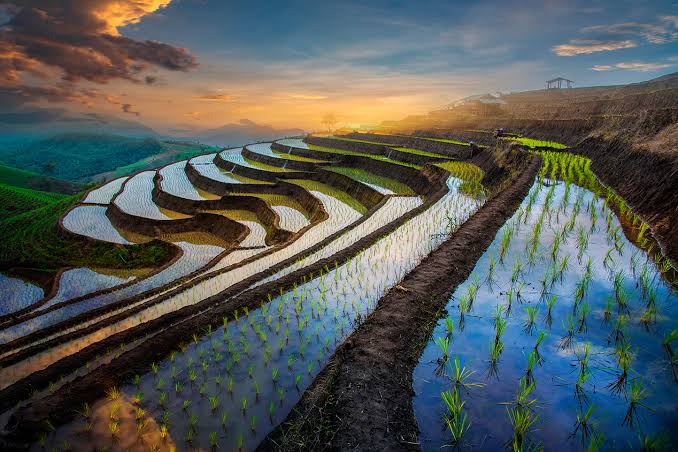
Irrigation has transformed farming productivity, but it has also made agriculture the single heaviest user of groundwater globally.
Crops like rice, cotton, and alfalfa require large, consistent water inputs that surface water alone often can’t reliably provide.
In regions with seasonal or unpredictable rainfall, farmers increasingly rely on wells to protect against crop failure.
This dependence has grown steadily since the mid-20th century as food demand rose alongside global population figures.
The Green Revolution and Its Effect on Groundwater Demand
The Green Revolution of the mid-1900s introduced high-yield crop varieties that required significantly more water and fertilizer.
Widespread adoption of these farming methods drove a major spike in irrigation-based groundwater extraction across many countries.
While the Green Revolution helped prevent famine and boosted food security, it also accelerated aquifer depletion in several regions.
India’s Punjab region is a well-documented example where this shift led to substantial long-term groundwater decline.
Household and Municipal Water Demand Growth
As households have grown wealthier and more urbanized, per-person water consumption has generally increased as well.
Modern conveniences like washing machines, dishwashers, and larger bathrooms all add to daily household water use.
Municipal water systems in growing cities often supplement limited surface supply with groundwater to meet these rising needs.
This trend is especially visible in rapidly developing urban centers across Asia, Africa, and parts of the Americas.
Groundwater Mining: An Extreme Form of Overuse
Groundwater mining refers to extracting water from aquifers that recharge extremely slowly or not at all in human timescales.
Some deep, ancient aquifers took thousands of years to form and are essentially non-renewable on a practical timeline.
The Ogallala Aquifer in the central United States is a widely cited example facing significant long-term decline from mining-level extraction.
Once these reserves are depleted, restoring them to previous levels may take centuries or may not be realistically possible.
Case Study: The Ogallala Aquifer
The Ogallala Aquifer supplies water to a large portion of central U.S. agriculture across several states.
Decades of intensive irrigation have caused water levels in parts of the aquifer to drop dramatically.
| Aquifer Region | Observed Trend |
|---|---|
| Northern sections | Relatively stable water levels |
| Central and southern sections | Significant long-term decline |
This case illustrates how concentrated agricultural demand can outpace natural recharge even in a massive aquifer system.
Case Study: North China Plain
The North China Plain has experienced some of the most severe groundwater depletion documented anywhere in the world.
Decades of intensive irrigation combined with rapid urban and industrial growth have significantly lowered water tables in the region.
Government-led water transfer projects and recharge initiatives have been introduced to help address the shortfall.
This case highlights how combined agricultural, industrial, and urban demand can compound groundwater stress in a single region.
The Connection Between Groundwater and Food Security
Groundwater plays a critical, often overlooked role in maintaining stable global food production.
Supplemental irrigation from groundwater helps protect crop yields during years with below-average rainfall.
Research suggests groundwater access can meaningfully stabilize yields, though its overall contribution varies by crop and region.
This connection means groundwater depletion isn’t just an environmental issue, but a food security concern as well.
Groundwater and Drinking Water Access
Over a billion people worldwide rely on groundwater as their primary source of drinking water.
In many rural and remote areas, groundwater wells remain the only practical and affordable water access option.
As surface water pollution spreads, this reliance on groundwater for safe drinking water is likely to continue growing.
Protecting groundwater quality is therefore just as important as managing the quantity being extracted.
Groundwater Use by Sector: A Comparative Table
Different sectors draw on groundwater at very different rates depending on regional economic activity.
| Sector | Typical Use Pattern | Growth Trend |
|---|---|---|
| Agriculture | High-volume, seasonal irrigation | Steady long-term increase |
| Industry | Consistent, process-related use | Moderate, region-dependent |
| Domestic and municipal | Daily household and city supply | Rising with urbanization |
| Mining | Localized, often intensive | Variable, project-dependent |
This breakdown shows why agricultural policy plays such an outsized role in overall groundwater sustainability efforts.
How Scientists Monitor Groundwater Changes
Hydrologists use a combination of observation wells, satellite data, and modeling to track groundwater trends over time.
Observation wells record water levels at regular intervals, providing long-term data on recharge and depletion patterns.
Satellite missions can measure changes in underground water mass across large regions, offering a broader picture of trends.
This monitoring data helps governments and researchers identify at-risk aquifers before depletion becomes severe or irreversible.
Quick Recap: Key Drivers Behind Rising Groundwater Use
Before moving into the FAQs, here’s a fast summary of the main forces covered in this guide.
Population growth remains the foundational driver, increasing demand across drinking water, agriculture, and industry simultaneously.
Urbanization, surface water pollution, and climate change have all compounded this demand by limiting reliable alternative supplies.
Agricultural irrigation, industrial processing, and rising household consumption round out the picture as the largest end-use categories.
Technology has made extraction easier and cheaper, which has accelerated withdrawal rates faster than natural recharge in many aquifers worldwide.
Together, these factors explain why the trend of rising groundwater use has continued for over a century and shows no sign of reversing without deliberate intervention.
Frequently Asked Questions (FAQs)
1. Why has groundwater use increased over time?
Groundwater use has risen mainly due to population growth, urbanization, and rising agricultural and industrial demand. Pollution of surface water has added further pressure.
2. What is the main reason groundwater use has increased?
The primary driver is population growth increasing overall freshwater demand. This has pushed communities toward groundwater as surface sources fall short.
3. How did groundwater use change from preindustrial to industrial times?
Groundwater use increased significantly as urbanization spread populations beyond natural surface water sources. Industrial growth added further demand.
4. What is groundwater overdraft?
Overdraft occurs when extraction exceeds the natural recharge rate of an aquifer. Over time, this depletes water storage and dries up wells.
5. Which sector uses the most groundwater globally?
Agriculture is the largest consumer, often accounting for 60 to 70 percent of total water use. Irrigation drives most of this demand.
6. How is groundwater naturally replenished?
Groundwater is mainly recharged through precipitation soaking into the soil and reaching the aquifer. Rivers and snowmelt can also contribute.
7. Which countries use the most groundwater?
India, China, and the United States currently have the largest freshwater withdrawals globally. Large populations and agriculture drive this demand.
8. Does climate change affect groundwater use?
Yes, climate change reduces surface water reliability and increases evaporation. This pushes more communities toward groundwater sources.
9. What happens when groundwater is overused?
Overuse can cause falling water tables, dried wells, land subsidence, and saltwater intrusion. These effects can take years to reverse.
10. Can groundwater depletion be reversed?
Yes, through better irrigation efficiency, recharge programs, and stricter extraction limits. Recovery is slow but achievable with sustained effort.
Conclusion
Groundwater use has increased over time due to a combination of population growth, urbanization, agricultural expansion, industrial demand, and climate-driven pressure on surface water supplies.
As cities grew and pollution reduced the reliability of rivers and lakes, groundwater became an essential backup source for drinking water, farming, and industry.
This rising demand has brought real risks, including overdraft, land subsidence, and long-term aquifer depletion in many regions worldwide.
Fortunately, sustainable practices like efficient irrigation, recharge programs, and stronger regulation offer a realistic path toward balancing demand with long-term water security.
Groundwater has quietly become one of the most important resources shaping how the world grows food, builds cities, and secures safe drinking water.
Understanding these drivers is the first step toward protecting groundwater resources for future generations, and toward making smarter choices about how this hidden but vital resource is used going forward.
