

Why does my left lower abdomen hurt is one of the most searched health questions, and the answer usually falls somewhere between harmless gas and a condition that needs urgent care.
Your lower left abdomen holds part of your colon, your left kidney and ureter, and, for women, the left ovary. Pain here can come from constipation, diverticulitis, kidney stones, IBS, or reproductive issues.
Most cases settle on their own within a day or two. But some symptoms, like sudden severe pain, fever, or a rigid belly, mean you should not wait.
What Organs Sit in Your Lower Left Abdomen?
The lower left abdomen, sometimes called the left lower quadrant, sits below your belly button and to the left of your hip bone.
This area holds the descending colon, the sigmoid colon, the left ureter, and part of the small intestine.
In people with ovaries, the left ovary and left fallopian tube also sit in this zone, which is why pelvic pain often overlaps here.
Because so many structures are packed close together, pinpointing the exact cause of lower left quadrant pain from location alone is difficult.
Common Causes of Left Lower Abdomen Pain
Diverticulitis
Diverticulitis is the single most common reason for lower left abdominal pain in adults over 40.
Small pouches called diverticula form in the wall of the colon, and they tend to cluster in the sigmoid colon on the left side.
When these pouches become inflamed or infected, they cause steady, cramping pain along with fever, nausea, and changed bowel habits.
Mild cases often respond to a short course of antibiotics and a temporary low-fiber diet, while severe cases may need hospitalization.
Constipation and Trapped Gas
Constipation is a much less serious but far more common cause of left-sided abdominal discomfort.
Stool backing up in the descending colon stretches the bowel wall and creates a dull, achy, full feeling.
Trapped gas can mimic this same sensation, often causing sharp, jabbing pain that shifts around as gas moves through the colon.
Increasing fiber, water intake, and gentle movement usually relieves this type of pain within a day.
Irritable Bowel Syndrome (IBS)
IBS is a chronic digestive condition that causes recurring cramping, bloating, and irregular bowel habits.
Left-sided pain from IBS often improves after a bowel movement and tends to flare with certain foods or stress.
Unlike diverticulitis, IBS pain does not usually come with fever or bleeding.
Managing triggers, fiber intake, and stress levels are the main long-term strategies for controlling IBS-related pain.
Kidney Stones
A kidney stone forms when minerals crystallize inside the urinary tract, and a stone in the left kidney or ureter causes pain in the lower left abdomen and back.
This pain is often described as a sharp, wave-like cramping that radiates from the flank toward the groin.
Blood in the urine, painful urination, and nausea frequently accompany kidney stone pain.
Small stones often pass on their own with hydration and pain relief, while larger stones may need medical intervention.
Urinary Tract Infection (UTI)
A UTI can cause a burning sensation alongside cramping that radiates into the lower left or lower right abdomen.
Frequent urination, cloudy or strong-smelling urine, and a persistent urge to urinate are typical companion symptoms.
Left untreated, a lower UTI can travel upward and become a kidney infection, which is more serious.
Most uncomplicated UTIs clear up quickly with a short course of prescribed antibiotics.
Left Lower Abdominal Pain Causes in Women
Ovarian Cysts
Fluid-filled sacs called ovarian cysts commonly form on the left ovary and rarely cause symptoms unless they grow large or rupture.
A ruptured or twisted cyst can trigger sudden, sharp left-sided pelvic pain that may radiate to the lower back.
Bloating, a feeling of pelvic pressure, and irregular periods often accompany ovarian cysts.
Most cysts resolve on their own, but larger or persistent cysts may require monitoring or surgical removal.
Endometriosis
Endometriosis occurs when tissue similar to the uterine lining grows outside the uterus, often on the left ovary or pelvic wall.
This condition causes chronic, cyclical pelvic pain that typically worsens around menstruation.
Pain during intercourse, heavy periods, and fertility difficulties are common alongside the abdominal discomfort.
Hormonal therapy, pain management, and in some cases surgery are the standard treatment paths.
Ectopic Pregnancy
An ectopic pregnancy happens when a fertilized egg implants outside the uterus, most often in the fallopian tube.
If this occurs on the left side, it produces sharp, one-sided lower abdominal pain along with vaginal bleeding and dizziness.
This condition is a medical emergency because a ruptured fallopian tube can cause life-threatening internal bleeding.
Anyone with a positive pregnancy test and sudden severe abdominal pain needs immediate emergency evaluation.
Mittelschmerz and Menstrual Cramps
Mittelschmerz is mid-cycle ovulation pain that can strike either side of the pelvis, including the lower left abdomen.
This pain is usually brief, lasting minutes to a couple of days, and resolves without treatment.
Menstrual cramps can also localize to one side depending on uterine contractions and individual anatomy.
Over-the-counter pain relief and a heating pad typically manage both types of discomfort well.
Left Lower Abdominal Pain Causes in Men
Inguinal Hernia
An inguinal hernia develops when tissue or part of the intestine pushes through a weak spot in the lower abdominal wall.
It typically causes a visible bulge in the groin along with aching or burning pain that worsens with straining or lifting.
The bulge often shrinks or disappears when lying down, which is a helpful diagnostic clue.
Surgical repair is usually recommended to prevent the hernia from becoming trapped or strangulated.
Testicular Torsion
Testicular torsion happens when the spermatic cord twists, cutting off blood supply to the testicle.
While the primary pain is in the groin or scrotum, it can radiate into the lower left abdomen.
This condition causes sudden, severe pain and requires emergency surgery within hours to save the testicle.
Any young male with sudden severe groin and lower abdominal pain should go to the emergency room immediately.
Other Possible Causes Worth Knowing
Muscle Strain
A pulled or strained abdominal muscle can cause localized left-sided pain after exercise, heavy lifting, or a sudden twist.
This pain usually worsens with movement, coughing, or touching the area, but stays the same regardless of eating or bowel habits.
Rest, gentle stretching, and over-the-counter pain relief typically resolve muscle strain within a week.
Unlike organ-related pain, muscle strain does not come with fever, nausea, or changes in urination or stool.
Bowel Obstruction
A bowel obstruction happens when something blocks the intestine, preventing normal movement of digested food and waste.
Left-sided cramping pain, bloating, vomiting, and an inability to pass gas or stool are the hallmark symptoms.
Scar tissue from past surgery, hernias, and tumors are common underlying causes of obstruction.
This condition requires prompt medical evaluation, since a complete blockage can become life-threatening within days.
Referred Pain from Other Organs
Sometimes pain felt in the lower left abdomen actually originates somewhere else in the body entirely.
Conditions affecting the lower spine or pelvic nerves can radiate pain forward into the abdominal wall.
Shingles affecting nerves on the left side of the torso can also mimic abdominal pain before a rash appears.
Recognizing referred pain patterns helps doctors avoid unnecessary abdominal testing when the true source lies elsewhere.
Left Lower Abdomen Pain vs. Left Flank Pain
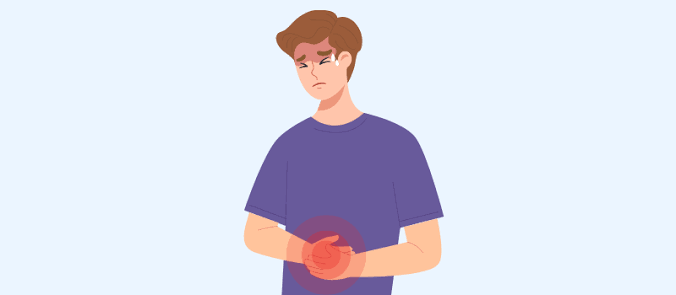
Left lower abdomen pain sits in the front, below the belly button, while flank pain is felt more toward the back and side.
Flank pain is more commonly linked to kidney issues, such as stones or infections, than pure digestive causes.
Abdominal pain in the front is more often tied to the colon, bladder, or reproductive organs.
Telling your doctor exactly where the pain is felt helps narrow down the likely cause much faster.
Left-Side Pain vs. Right-Side Pain
| Feature | Left Lower Abdomen | Right Lower Abdomen |
|---|---|---|
| Common organ involved | Sigmoid colon, left kidney | Appendix, cecum |
| Most common condition | Diverticulitis | Appendicitis |
| Female-specific cause | Left ovarian cyst | Right ovarian cyst |
| Male-specific cause | Left inguinal hernia | Right inguinal hernia |
| Typical pain pattern | Steady or cramping | Starts near navel, migrates right |
Left Lower Abdomen Pain in Children
Children can develop left-sided abdominal pain from constipation, gas, or a stomach virus far more often than adults.
Persistent crying, refusal to eat, or a swollen belly in a child are signs that warrant a pediatrician visit.
Testicular torsion in boys can also cause referred lower abdominal pain and needs urgent evaluation.
Any child with severe, sudden abdominal pain, high fever, or repeated vomiting should be seen by a doctor right away.
Types of Pain and What They Usually Mean
| Pain Type | Common Feeling | Likely Cause |
|---|---|---|
| Dull, achy | Fullness or pressure | Constipation, gas, mild IBS |
| Sharp, stabbing | Comes and goes suddenly | Kidney stone, ovarian cyst rupture |
| Cramping | Wave-like, tightening | IBS, menstrual cramps, gas |
| Steady, worsening | Constant, gets worse over hours | Diverticulitis, infection |
| Burning | Radiates with urination | UTI, kidney infection |
When to Worry: Red Flag Symptoms
Most left lower abdominal pain is manageable at home, but certain warning signs point to a medical emergency.
Sudden, severe pain that comes on within minutes should never be ignored, especially if it is unlike any pain felt before.
A rigid, distended, or extremely tender abdomen can signal internal bleeding or infection spreading into the abdominal cavity.
The table below summarizes symptoms that mean it is time to seek care.
| Symptom | Level of Urgency | Possible Cause |
|---|---|---|
| Sudden severe pain | Emergency | Ruptured cyst, torsion, obstruction |
| High fever with pain | Urgent | Diverticulitis, infection, peritonitis |
| Blood in stool or urine | Urgent | Diverticulitis, kidney stone, colon issue |
| Persistent vomiting | Urgent | Bowel obstruction, appendicitis |
| Rigid, board-like abdomen | Emergency | Peritonitis |
| Pain during pregnancy | Emergency | Ectopic pregnancy, miscarriage risk |
| Unexplained weight loss | Needs evaluation | IBD, colon condition |
| Dizziness or fainting | Emergency | Internal bleeding |
When Left Lower Abdomen Pain Needs Emergency Care
Call emergency services or go to the nearest ER if pain is sudden, severe, and paired with fever, vomiting, or fainting.
Pregnant individuals with any significant abdominal pain should be evaluated right away, since ectopic pregnancy can be life-threatening.
A rigid or board-like abdomen combined with pain is a classic sign of peritonitis, which requires immediate treatment.
If pain follows an injury or accident, or spreads to the chest, treat it as an emergency and seek care immediately.
How Doctors Diagnose the Cause
A doctor typically starts with a physical exam, pressing on the abdomen to check for tenderness, swelling, or guarding.
Blood tests can reveal signs of infection or inflammation, while a urinalysis checks for UTIs or kidney stones.
Imaging such as an ultrasound or CT scan helps confirm diverticulitis, ovarian cysts, kidney stones, or hernias.
For women, a pelvic exam or transvaginal ultrasound is often added to rule out ovarian or uterine causes.
Home Remedies and Self-Care Tips
For mild, non-emergency pain, resting and avoiding heavy meals can help the digestive system settle down.
Drinking plenty of water supports both constipation relief and kidney stone passage.
A warm heating pad on the lower abdomen can ease cramping from gas, IBS, or menstrual pain.
Gentle movement, such as walking, often helps trapped gas and mild constipation resolve faster than staying still.
Over-the-counter pain relievers can help, but they should be used cautiously and only as directed on the label.
Treatment Options Based on Cause
| Cause | Typical First-Line Treatment |
|---|---|
| Constipation or gas | Fiber, fluids, movement |
| Diverticulitis | Antibiotics, low-fiber diet, rest |
| IBS | Dietary changes, stress management |
| Kidney stones | Hydration, pain relief, medical removal if large |
| UTI | Prescription antibiotics |
| Ovarian cyst | Monitoring or surgery if severe |
| Endometriosis | Hormonal therapy, pain management |
| Inguinal hernia | Surgical repair |
How to Reduce Your Risk of Left Lower Abdomen Pain
Eating a fiber-rich diet with plenty of fruits, vegetables, and whole grains keeps the colon healthy and reduces diverticulitis risk.
Staying hydrated throughout the day lowers the chance of kidney stones and supports regular bowel movements.
Regular physical activity helps digestion move smoothly and reduces bloating and constipation.
Routine gynecological checkups can catch ovarian cysts or endometriosis early, before they cause severe pain.
Diet and Lifestyle Tips for Long-Term Relief
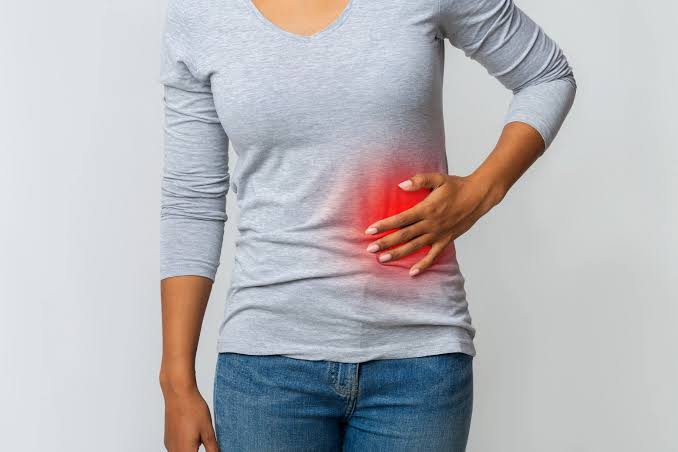
Building meals around soluble fiber, like oats, bananas, and cooked vegetables, helps regulate bowel movements without triggering excess gas.
Cutting back on carbonated drinks, artificial sweeteners, and fried foods can reduce bloating linked to IBS and gas buildup.
Keeping a symptom journal that tracks food, stress levels, and pain flares often reveals personal triggers over time.
Regular sleep and consistent meal timing support gut motility, which lowers the frequency of constipation-related pain.
Living with Recurring Left Lower Abdomen Pain
Chronic conditions like IBS, diverticular disease, or endometriosis often mean pain returns periodically rather than disappearing for good.
Working with a gastroenterologist or gynecologist to build a long-term management plan reduces how often flares occur.
Tracking patterns, such as pain around your menstrual cycle or after specific meals, gives your doctor useful diagnostic clues.
Never assume recurring pain is “normal” without a proper diagnosis, since untreated conditions can worsen silently over time.
How to Prepare for a Doctor’s Visit
Noting when the pain started, how long it lasts, and what makes it better or worse helps your doctor immediately.
Mention any recent changes in bowel habits, appetite, weight, or menstrual cycle, since these details matter for diagnosis.
List any medications, supplements, or recent injuries, as these can influence both symptoms and test results.
Bringing a simple written timeline of your symptoms saves time and often speeds up getting the right diagnosis.
Frequently Asked Questions (FAQs)
Why does my left lower abdomen hurt when I press on it?
Tenderness on pressing usually points to inflammation, such as diverticulitis, or gas trapped in the colon.
If the area feels rigid or extremely painful to touch, seek medical care right away.
Can stress cause left lower abdominal pain?
Yes, stress can worsen IBS symptoms, leading to cramping and discomfort on the left side.
Managing stress through relaxation techniques often reduces the frequency of these flare-ups.
Is left lower abdominal pain a sign of appendicitis?
Appendicitis almost always causes right-sided pain since the appendix is on the right side of the body.
Left-sided pain is more likely diverticulitis, kidney stones, or a gynecological issue.
What does diverticulitis pain feel like?
Diverticulitis usually causes a steady, cramping ache in the lower left abdomen that worsens over hours.
It often comes with fever, nausea, and a noticeable change in bowel habits.
Can ovulation cause left-sided abdominal pain?
Yes, ovulation pain, called mittelschmerz, can occur on either ovary, including the left side.
This pain is typically brief and resolves within a day or two without treatment.
When should I go to the ER for left lower abdomen pain?
Go to the ER if pain is sudden and severe, or paired with fever, vomiting, or fainting.
A rigid, distended abdomen or heavy bleeding also warrants immediate emergency care.
Can kidney stones cause pain only on the left side?
Yes, a stone lodged in the left kidney or left ureter causes pain isolated to that side.
The pain often radiates from the back and flank toward the lower abdomen and groin.
Does left lower abdominal pain during pregnancy always mean a problem?
Not always, since round ligament stretching can cause mild left-sided aches during pregnancy.
However, sudden severe pain or bleeding during pregnancy should be evaluated urgently.
How long does diverticulitis pain usually last?
Mild diverticulitis pain often improves within a few days of starting antibiotics and dietary changes.
Severe cases can take one to two weeks to fully resolve, sometimes requiring hospital care.
Can constipation cause severe left lower abdomen pain?
Yes, significant stool buildup can cause intense cramping and a feeling of pressure on the left side.
Increasing fiber, fluids, and gentle activity typically brings relief within a day or two.
Conclusion
Left lower abdomen pain has many possible explanations, ranging from simple constipation and trapped gas to conditions like diverticulitis, kidney stones, ovarian cysts, or hernias.
Most cases are mild and resolve with rest, hydration, and dietary adjustments within a day or two. However, certain warning signs, including sudden severe pain, high fever, rigid abdomen, bleeding, or fainting, mean you should seek emergency care immediately.
Pregnant individuals and anyone with symptoms that worsen instead of improving should not wait to see a doctor.
Paying attention to how the pain feels, where it radiates, and what other symptoms accompany it can help you and your healthcare provider identify the cause faster.
When in doubt, especially with severe or persistent pain, always consult a medical professional rather than guessing at home. This article is for informational purposes only and is not a substitute for professional medical advice.
