

Why do cats lay on your chest? It is one of the most common questions cat owners ask, and the answer goes much deeper than simple comfort.
Cats are complex, emotional animals that choose their resting spots with purpose. When your cat climbs onto your chest and curls up, it is communicating trust, love, security, and a need for warmth all at once.
This behavior is rooted in feline psychology, early kittenhood experiences, and the deep bond they form with their humans. Understanding this behavior can help you become a better, more connected cat parent in 2026.
Why Do Cats Lay on Your Chest? 10 Reasons Explained
1. Your Cat Loves You and Wants to Show It
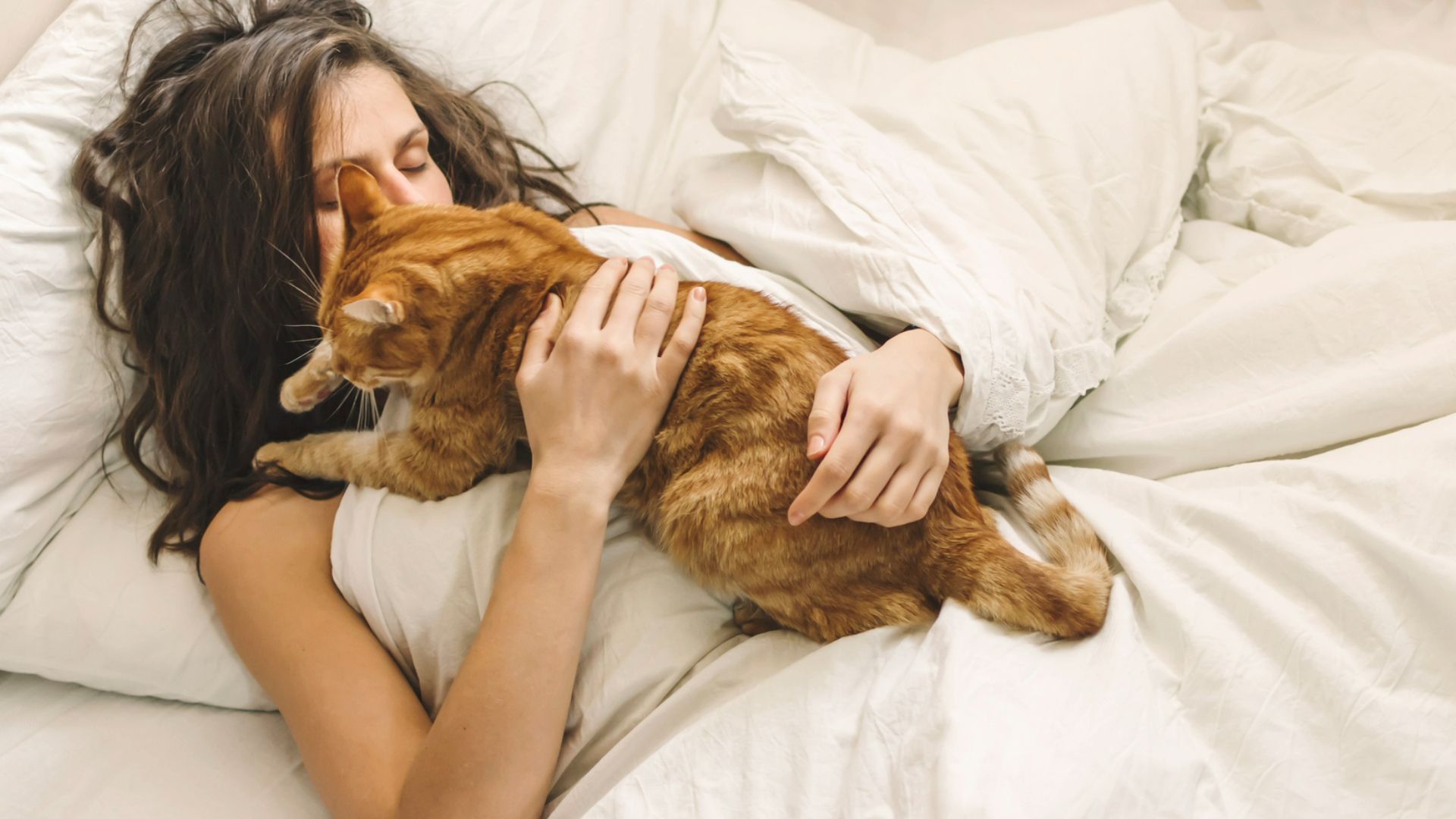
The most straightforward reason why cats lay on your chest is pure affection. Cats are not as openly expressive as dogs, but chest-sleeping is one of their clearest love signals.
Your feline chooses you out of everyone and everything in the home. That choice is meaningful. It signals a strong emotional bond between you and your cat.
When combined with purring, slow blinking, or kneading, chest-laying is one of the top signs of a deeply bonded cat-human relationship.
2. Your Heartbeat Reminds Them of Kittenhood
One of the most scientifically supported reasons cats lay on your chest is the sound of your heartbeat. As kittens, they sleep pressed against their mother and are soothed by her steady heartbeat.
Your chest recreates that same rhythmic comfort. The familiar thumping sound takes them back to a time when they felt completely safe and nurtured.
This is especially common in cats adopted young, as they transfer that maternal association onto their human caregiver.
3. Cats Are Attracted to Your Body Heat
A cat’s normal body temperature runs between 100.5°F and 102.5°F, higher than a human’s. To maintain this temperature, cats constantly seek warm spots.
Your chest is a reliable, consistent heat source — warmer and more comfortable than most surfaces in the home. You are essentially a self-heating cat bed.
Cats often seek you out more during cooler months or evening hours when the house temperature drops, making your body warmth even more attractive.
4. Your Rhythmic Breathing Is Calming
Beyond the heartbeat, the slow and steady rise and fall of your chest while you breathe has a deeply calming effect on cats. This gentle motion mimics the soothing rhythms they experienced beside their mother.
It functions almost like a natural white noise machine combined with a rocking motion. Many cats fall into their deepest sleep while resting on a breathing human chest.
This is why cats often choose to lay on you specifically when you are lying still — watching TV, reading, or sleeping — rather than when you are moving around.
5. They Feel Safe and Protected Around You
Cats are both predators and prey animals. Even in a domestic setting, a cat’s instinct is to seek a secure, elevated, and trusted sleeping spot.
Your chest provides all three things: height above the floor, a trusted companion, and a position where they can monitor the room. Being on top of you gives them a vantage point while sleeping.
The fact that a cat willingly sleeps on you — a vulnerable position for them — is one of the highest expressions of trust a cat can show.
6. They Are Marking You as Their Territory
Cats communicate ownership through scent. They have scent glands located on their cheeks, paws, head, and body. When they rub against you or lay on you, they are depositing pheromones.
By laying on your chest repeatedly, your cat is marking you as their territory and claiming you as their person. It is a possessive behavior rooted in feline instinct.
This also explains why cats will sometimes lay on your clothing or belongings when you are away — they are surrounding themselves with your scent as a comfort mechanism.
7. Your Scent Provides Emotional Security
Cats have an extraordinary sense of smell, far more powerful than humans. Your personal scent is deeply familiar and reassuring to your cat.
Laying on your chest puts them as close to your scent as possible. This is comforting for cats, especially those with separation anxiety or sensitive temperaments.
Rescue cats or cats that experienced early trauma are particularly likely to seek close physical contact because your smell signals home, safety, and stability.
8. They Are Seeking Attention and Interaction
Sometimes the answer to “why do cats lay on your chest” is much simpler — they want your attention. When a cat sits directly on your chest, it is almost impossible to ignore them.
Cats are intelligent. They learn quickly that lying on your chest earns them pets, scratches, and verbal affection. It is a trained behavior reinforced by your positive responses.
If your cat tends to do this most when you are on your phone or watching something, they may be purposely competing for your focus.
9. They Are Experiencing Stress or Anxiety
Cats that are anxious, unwell, or overstimulated sometimes seek their owner’s chest as a calming refuge. Your presence lowers their cortisol levels.
Research in animal behavior shows that proximity to a trusted human regulates a cat’s nervous system. Your steady breathing and warmth act as a natural anxiolytic for stressed cats.
If this behavior increases suddenly or is accompanied by other changes like hiding or changes in appetite, it may be worth a vet visit to rule out underlying health issues.
10. It Is Simply a Habit They Have Built Over Time
Cats are creatures of routine. If you allowed your cat to sleep on your chest as a kitten, that pattern becomes deeply ingrained. It becomes part of their daily ritual.
Even as adult cats who no longer need the reassurance of kittenhood, they continue the behavior because it feels good, familiar, and rewarding to them.
Breaking this habit, if you ever needed to, requires consistent redirection and patience — because for your cat, this is one of the most satisfying parts of their day.
Is It Safe to Let Your Cat Lay on Your Chest?
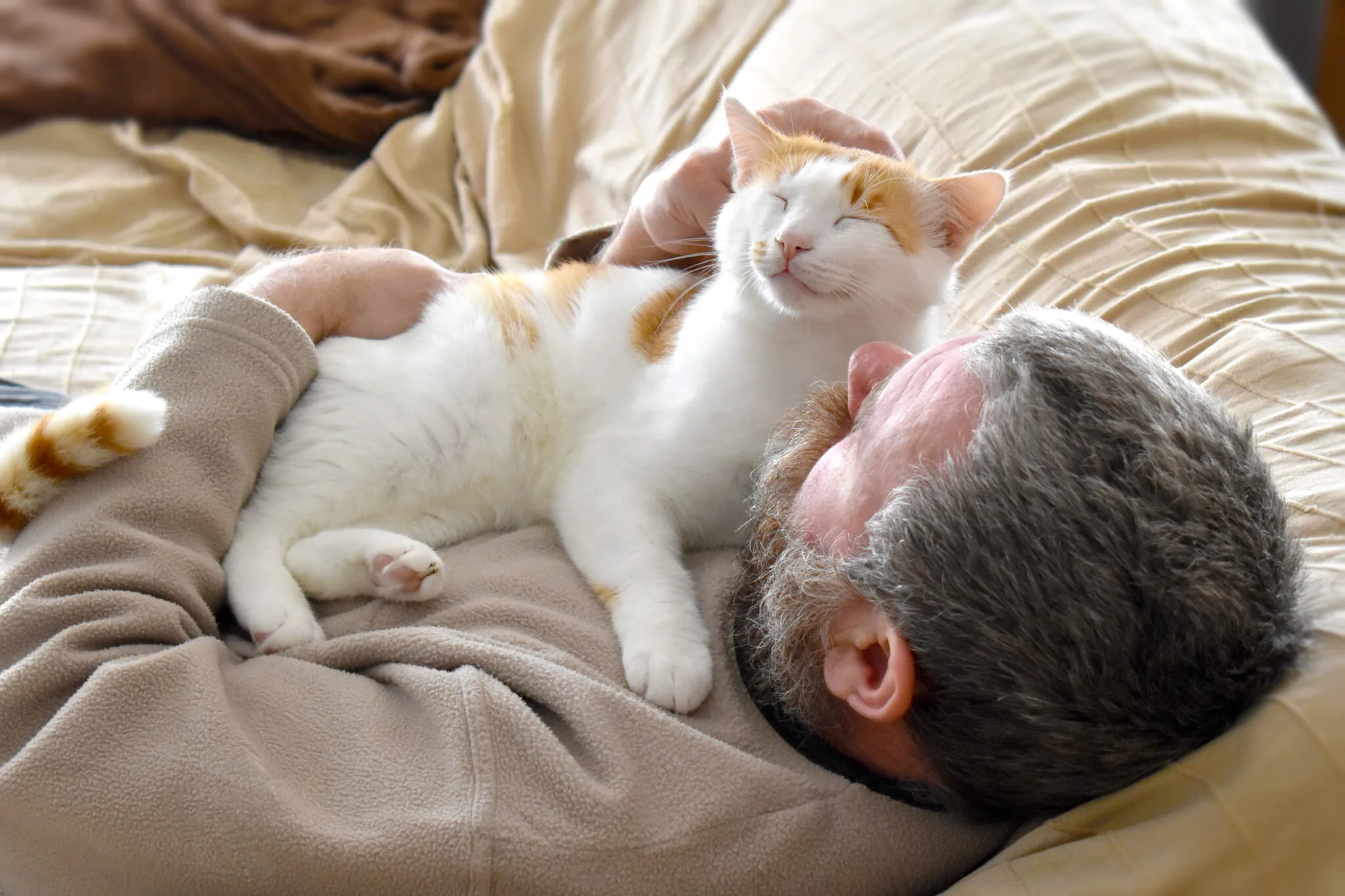
For most healthy adults, letting a cat lay on your chest is completely safe and even beneficial. Studies have linked cat ownership and close physical contact with reduced blood pressure, lower stress levels, and improved sleep quality.
However, there are a few situations where you may want to reconsider or limit this behavior.
| Situation | Recommendation |
|---|---|
| You have pet allergies | Limit chest contact; wash hands after petting |
| You suffer from asthma | Keep cats out of the bedroom at night |
| You are pregnant | Generally safe; consult your doctor |
| You have newborn children | Do not allow cats near infants unsupervised |
| Your cat is overweight | May cause discomfort or breathing issues |
| You are a light sleeper | May want to encourage your cat to sleep nearby instead |
| You have open wounds or skin conditions | Avoid direct contact until healed |
Health Benefits of Cats Laying on Your Chest
Here is something remarkable: letting your cat lay on your chest is not just emotionally comforting — it may actually improve your physical health.
Stress Reduction The rhythmic vibration of a cat’s purr, which operates in the 20 Hz to 140 Hz frequency range, has been scientifically linked to reduced cortisol levels and lower blood pressure in humans.
Heart Health Studies suggest that cat owners have a lower risk of heart attack compared to non-cat owners. The calming presence of a cat resting on your chest is thought to contribute to this effect.
Bone and Muscle Recovery Purr vibrations in the 25 Hz to 50 Hz range have been shown in research to promote bone density and stimulate healing in muscles, tendons, and ligaments.
Better Sleep Many cat owners report falling asleep faster and sleeping more deeply when their cat is resting on or near them. The warmth and rhythmic purring act as a natural sleep aid.
Reduced Anxiety Physical contact with a pet triggers the release of oxytocin — the bonding hormone — in both humans and animals. This chemical promotes feelings of calm, safety, and happiness.
Cat Body Language to Look for When They Lay on Your Chest
Understanding your cat’s body language while they are on your chest tells you exactly what they are feeling. Here is a quick guide.
| Body Language Signal | What It Means |
|---|---|
| Slow blinking | Deep trust and affection |
| Kneading (making biscuits) | Contentment; a throwback to nursing behavior |
| Tail wrapped around your body | Claiming you; deep comfort |
| Ears forward and relaxed | At ease, happy |
| Purring steadily | Contentment or self-soothing |
| Eyes half-closed | Fully relaxed and trusting |
| Head butting your chin | Marking you with scent; showing love |
| Showing belly while on you | Maximum trust |
Why Do Some Cats Never Lay on Your Chest?
Not every cat will choose to lay on their owner’s chest, and that does not mean the cat loves you less. Cat personalities vary enormously.
Some cats prefer to show affection by sitting nearby rather than on you. This is still a strong sign of bonding — they want to be close but maintain their personal space.
Cats that were not socialized early with humans, or those with past trauma, may avoid close physical contact altogether. Patience, trust-building, and slow introductions to physical affection can help over time.
Independent breeds like the Norwegian Forest Cat or Russian Blue tend to be more reserved, while breeds like the Ragdoll, Burmese, and Maine Coon are known for being particularly affectionate and chest-loving.
Why Does My Cat Lay on My Chest and Stare at Me?
This combination — laying on your chest and staring into your eyes — is a powerful form of feline communication. It is their way of checking in with you emotionally.
Cats observe their owner’s facial expressions and energy levels closely. A direct stare from your chest is them reading your mood, ensuring you are calm, or waiting for a cue from you.
Pair that stare with a slow blink back at them. This is the feline equivalent of an “I love you” and will often deepen the trust between you and your cat significantly.
Why Does My Cat Only Lay on My Chest at Night?

If your cat specifically seeks out your chest during nighttime, it is likely driven by a combination of temperature-seeking behavior and their natural instinct to sleep in groups.
Cats are crepuscular, meaning they are most active at dawn and dusk but do sleep during nighttime hours. When they settle in for rest, they gravitate toward the safest, warmest, most familiar place — which for a bonded cat is usually you.
The quietness of night also means fewer distractions, allowing them to fully relax against your chest without monitoring the household for activity.
How to Gently Discourage This Behavior (If Needed)
If the chest-laying is disrupting your sleep or causing discomfort, here are kind, effective ways to redirect your cat.
Create an Appealing Alternative Invest in a high-quality heated cat bed and place it right next to your sleeping spot. Cats are far more likely to migrate to a warm, comfortable alternative than an empty cold space across the room.
Establish a Pre-Sleep Routine Play with your cat intensely for 10 to 15 minutes before bed, then feed them a small meal. A tired, full cat is far more likely to settle into their own space.
Use Positive Reinforcement Gently lift your cat to their designated spot and reward them with treats and praise every time they stay there. Consistency over 2 to 3 weeks typically produces noticeable results.
Never Punish Scolding or pushing your cat away harshly can damage the bond you have built. Always redirect with calm, gentle consistency rather than negative reinforcement.
Difference Between a Cat Laying on Your Chest vs. Your Stomach or Lap
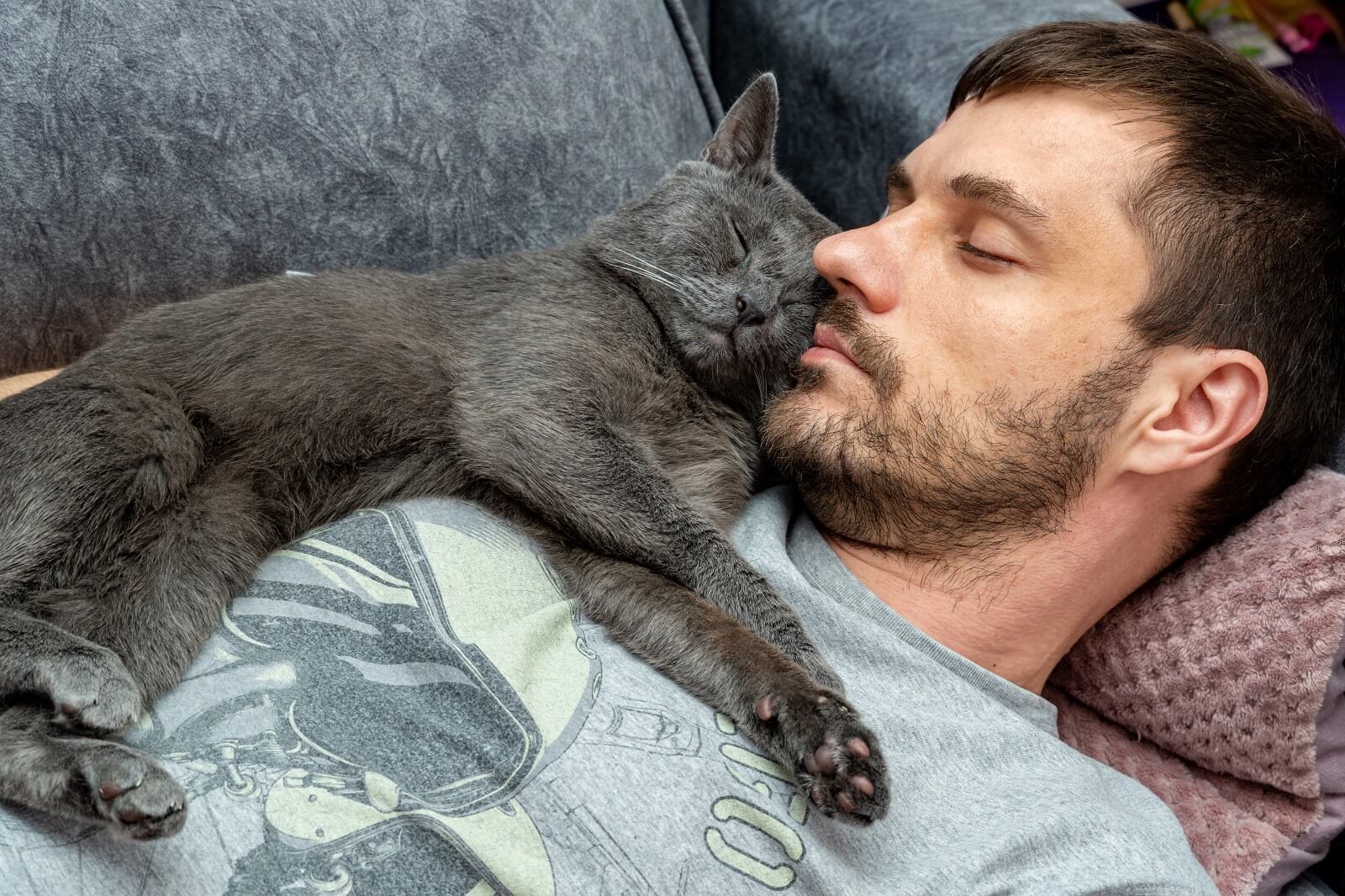
Cats choose different body parts based on what they are looking for in that moment. Here is how those choices differ.
| Location | What It Signals |
|---|---|
| Chest | Deep bonding; heartbeat and breathing comfort |
| Lap | Warmth and affection; they trust you but want mobility |
| Stomach | Comfort and security; softer landing surface |
| Head/pillow area | Attachment to your scent and voice |
| Feet | Trust without vulnerability; easy exit if needed |
Frequently Asked Questions (FAQs)
Why do cats lay on your chest specifically and not other parts of your body?
Your chest offers the perfect combination of warmth, your heartbeat, and your breathing rhythm. These sensory cues are deeply calming to cats, making the chest the most comforting spot on your body.
Is it a sign of dominance when a cat lays on your chest?
No, it is primarily a sign of affection and trust. While territory plays a small role through scent-marking, chest-laying is mostly an expression of love and comfort, not dominance.
Why does my cat lay on my chest and purr so loudly?
Loud purring while laying on your chest signals deep contentment. Your cat feels completely safe and happy. The purring also has a self-soothing function that reinforces their sense of calm.
Should I be worried if my cat suddenly starts laying on my chest more than usual?
A sudden increase can indicate stress, anxiety, or illness. If it is paired with other behavioral or physical changes, schedule a vet visit to rule out any health concerns.
Do cats lay on your chest because they can sense illness?
Yes, cats are sensitive to changes in body temperature, scent, and behavior. Many owners report that their cat became more clingy and chest-focused during periods of illness, suggesting cats may detect when something is wrong.
Why does my cat knead my chest while laying on it?
Kneading is a behavior that begins in kittenhood during nursing. When your cat kneads your chest, it is a deeply ingrained sign of comfort and contentment. It means your cat feels completely at ease.
Can letting my cat sleep on my chest cause breathing problems?
For most healthy adults, no. However, if your cat is large or overweight, or if you have respiratory conditions like asthma, it may be best to keep your cat beside you rather than directly on your chest.
Why does my cat stare at me while laying on my chest?
Your cat is bonding with you through eye contact. A relaxed gaze from a cat on your chest is an expression of trust and love. Slow-blink back at them to return the affection.
Is it hygienic to let my cat lay on my chest?
Generally yes, especially for indoor cats that are vaccinated and regularly groomed. Maintain a regular vet schedule and flea prevention routine, and the hygiene risks are minimal for healthy adults.
Why does my rescue cat suddenly lay on my chest after months of distance?
This is a beautiful sign that your rescue cat has finally built enough trust to be vulnerable with you. It means your patient, consistent care has paid off and they now see you as their safe person.
Conclusion
Why do cats lay on your chest? The answer weaves together love, instinct, memory, warmth, and trust into one deeply meaningful behavior.
Your cat is not simply looking for a comfortable napping spot — they are choosing you, repeatedly and intentionally, because you represent safety, comfort, and home to them.
From the soothing echo of your heartbeat to the warmth of your body and the familiar comfort of your scent, your chest offers everything a cat needs to feel completely at peace.
Whether your cat has done this since kittenhood or started recently, it is one of the most genuine expressions of feline affection you will ever experience.
Cherish it, understand it, and know that in your cat’s world, there is no higher compliment than being their favorite place to rest in 2026.
