

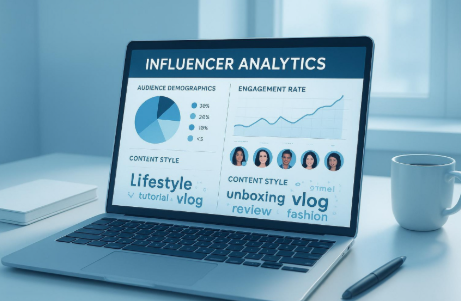
In today’s online space, influencer marketing helps build real brand trust by adding a human link between a company and its audience. Traditional ads often feel like they are pushing a message at people.
Influencers, however, use the trust and relatability they already have to share suggestions that feel more like tips from a friend than a sales pitch. By focusing on openness, shared values, and visible proof from real people, brands can move past the “trust gap” that often exists between companies and customers.
As we move through 2026, people want honest interactions more than ever. To handle this complex space, many brands work with specialist agencies such as https://all4comms.com/services/influencer-marketing/ to connect formal brand messages with real human voices. This helps make sure that marketing is not just noticed, but actually believed by an aware audience that can easily spot anything fake.
What Is Influencer Marketing and How Does It Shape Brand Trust?
How Does Influencer Marketing Work?
Influencer marketing is a digital strategy where brands team up with people who have built an audience on social media to talk about their products or services. It has grown from simple celebrity shout-outs to a broad system that includes sponsored posts, product placements, and content created by influencers themselves. The aim is to reach a specific group of people through a voice they already like and respect, so the promotion feels natural in their feed. Marketing teams can use an Ai presentation maker to showcase influencer campaigns, audience engagement, and brand trust strategies.
In this setup, the brand brings the product or service, and the influencer brings creativity and an engaged audience. Research by Ifeanyi Okonkwo and Emmanuel Namkoisse shows that this approach has shifted to focus more on honesty and trust when picking partners, so campaigns feel natural instead of forced. By 2024, this market was expected to reach $24 billion in value, showing how central it has become to modern marketing.
Types of Influencers in the Digital Age
Influencers are usually grouped by how many people they reach and what topics they cover.
- Mega-influencers: Often celebrities with millions of followers. They offer huge reach but may lack close, personal ties to their audience.
- Macro-influencers: Often experts or professional creators. They reach large but more focused groups and bring both visibility and authority.
- Micro-influencers (10,000-100,000 followers): Smaller audiences but higher engagement and more personal connections.
- Nano-influencers (< 10,000 followers): Very tight-knit, often local or niche communities, where followers feel strong personal links.
Micro- and nano-influencers have become favorites for trust-based campaigns. Their recommendations feel like peer-to-peer advice, which often carries more weight than a message from a distant celebrity.
Why Brands Prioritize Trust in Marketing Strategies
Trust is the base of any strong relationship between a business and its customers. In a global market full of choices, people are more selective; one study shows that 81% of consumers need to trust a brand before buying from it. Without trust, even the slickest ad will struggle to turn a wary viewer into a loyal buyer.
Yet marketing leaders face a problem: influencer marketing is growing fast, but trust in digital content is going down. Data from the Qualtrics XM Institute shows that trust between US consumers and companies has dropped to the lowest point since 2016. The fall is even sharper among younger people, so brands need believable voices that can cut through doubts about “corporate talk” and connect on a human level.
Why Influencer Marketing Builds Authentic Brand Trust
The Role of Authenticity and Relatability
Being real is what makes influencer marketing work. In a sea of filters and staged images, people are drawn to creators who feel honest, relatable, and imperfect in a human way. Digital marketing consultant Laura J. Bal notes that authenticity is not just a bonus; it is the base for lasting success. Audiences can quickly tell if an influencer truly likes a product or is just posting for a paycheck.
When a lifestyle creator talks openly about their true experience with a product, it forms an emotional link. This sense of “real life” builds trust. A Stackla study found that 86% of consumers say authenticity is a key factor when choosing which brands to support. By working with influencers who stick to their own style and beliefs, brands tap into a kind of credibility that classic ad formats struggle to match.
How Social Proof Influences Consumer Trust
Social proof is the idea that people look at what others do or say to guide their own choices. Influencers provide this proof every day. When someone sees a creator they admire using and praising a product, that product instantly seems more reliable. It works like digital word-of-mouth from a trusted friend.
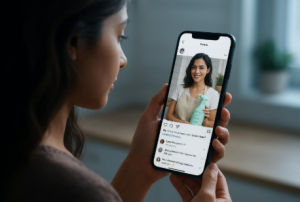
This effect is especially strong for younger audiences. Research from Adobe shows that 37% of Gen Z have bought a product because an influencer recommended it. Influencers are also reported to convert buyers at rates many times higher than general social content. That strong result comes from the steady social proof they create by sharing useful, consistent posts over time.
Transparency and Disclosure: Key Elements for Trust
Honesty about sponsorships is the base of trust between influencers and followers. To keep their good name, influencers need to be clear about paid partnerships. Tags like #ad or #sponsored are not only FTC rules; they also signal respect for the audience. Many people are fine with sponsored posts if they feel the review is honest and fair.
A study of sponsored videos on Bilibili found that clear sponsorship labels and “two-sided” messages-where influencers mention both strengths and weaknesses-can increase engagement. When a creator is open about small downsides or realistic use cases, their positive comments feel far more believable. This honesty helps avoid the fake, staged feel that many consumers now expect from influencer posts.
The Impact of Influencer-Brand Fit on Credibility
The match between a brand and an influencer matters a lot for trust. If a hardcore fitness influencer suddenly promotes sugary snacks, followers will notice the mismatch and may question the influencer’s motives. But when a wellness brand teams up with a serious athlete, the link makes sense and feels honest.
Good fit lowers what researchers call “commercial motivation inference” — the sense that someone is only promoting for money. When the influencer’s values and lifestyle align with the brand’s story, the content feels like a natural part of their life. This alignment helps both the influencer and the brand build a long-term, trusted image. To learn more about professional brand positioning and communication, visit https://all4comms.com/.
Key Benefits of Influencer Marketing for Brands Seeking Trust
Increased Brand Awareness Through Trusted Voices
One key benefit of influencer marketing is introducing a brand to new people through someone they already trust. Instead of throwing ads out to a random crowd, a brand can speak directly to a focused group that has chosen to follow a creator. This is more than extra exposure; it is an endorsement backed by the influencer’s own reputation.
As influencers post honest, story-like content, their followers get to know the brand in a low-pressure way. Curiosity and trust grow over time, making people more likely to visit the brand’s website or follow its social accounts. Using trusted voices helps brands grow their reach without the annoying feel of pop-ups or generic banner ads.
Driving Engagement, Loyalty and Brand Love
Influencer marketing starts conversations and keeps them going. Creators post content that sparks likes, comments, shares, and questions, building a sense of shared community around a brand. This ongoing interaction helps create “brand love,” where customers feel an emotional bond and often become long-term supporters.
Studies show that micro-influencers are especially strong in this area, driving up to 60% more engagement than bigger accounts. Their smaller but closer audiences allow for real two-way talks, which leads to lasting loyalty. Over time, steady, relevant messages from trusted voices give brands a solid base of goodwill, even in crowded markets.
Targeted Recommendations and Niche Audiences
Another big plus is the ability to reach very specific groups. Many influencers focus on narrow interests like eco-friendly fashion, vegan recipes, or retro gaming. By working with these niche creators, brands reach people who already care deeply about related topics.
This focused method makes campaigns more efficient and effective. Instead of paying for broad ads that reach many people who do not care, brands connect with those most likely to be interested. The message feels more like a personal recommendation and less like a generic ad, which helps build trust faster.
Proven Strategies to Build Authentic Brand Trust with Influencers
How to Identify the Right Influencers for Your Brand
Choosing good partners means looking past big follower numbers. Brands should examine who follows the influencer, how often people like and comment on their posts, and how closely their content matches the brand’s area and values. It is also wise to review older partnerships and real interactions in the comments.
| What to Check | Why It Matters |
| Audience demographics | Shows if followers match your target customers |
| Engagement rate | Reveals how active and interested the audience is |
| Content style & topics | Shows if the influencer’s tone fits your brand |
| Past brand deals | Helps spot over-promotion or value conflicts |
Tools like tracking links and analytics platforms help brands see if an influencer’s followers are actually reacting and taking action. Barbara Duffek and colleagues wrote in a 2025 Harvard Business Review article that managers need a clear grasp of how authenticity is built before they can choose partners who will truly stand for the brand.
Creating Long-Term and Authentic Partnerships
The strongest influencer efforts usually come from long-term relationships, not single paid posts. When influencers work with a brand over months or years, they can show the product in many real-life moments. Their audience sees repeated, natural use, which feels far more believable.
Ongoing work also allows a richer story to grow. Influencers can test different content types-short clips, long videos, stories, livestreams-while keeping the brand message steady. These long ties signal to followers that the influencer genuinely supports the brand, which helps build deep, lasting trust.
Consistency and Congruence Across Campaigns
Keeping a steady message across posts and platforms helps fix a brand in people’s minds. When influencers repeat key themes in feeds, stories, and videos, it strengthens recognition. At the same time, the message has to fit the influencer’s own style and tone, not replace it.
Alignment also means that the influencer’s daily life matches the brand’s promises. A company that talks about sustainability, for example, should work with creators who also show eco-friendly habits. Any mismatch can lead to boredom or doubt and hurt both sides. The goal is to keep messages clear and steady, but still fresh and personal.
Measuring Trust: Important Metrics for Success
Trust may feel vague, but there are clear numbers that can point to it. Helpful key indicators include:
- Engagement rate: Likes, comments, shares, and saves.
- Brand sentiment: Tone of comments and mentions (positive, neutral, negative).
- Website traffic: Visits coming from influencer links.
- Conversions: Sign-ups, downloads, or purchases linked to influencer content.
- ROI: Revenue or value gained compared to campaign costs.
By using unique promo codes and trackable links, brands can see how many people act after seeing a post. Reviewing these numbers on a regular basis helps brands adjust their plans and keep building real connections, not just short-term spikes.
Emerging Trends Shaping Influencer Marketing and Brand Trust
Rise of Micro- and Nano-Influencers
The move toward micro- and nano-influencers is one of the biggest shifts in recent years. These creators often know their followers well and talk with them often, which builds strong trust. Because they seem like “ordinary people,” their advice feels closer and more believable than a celebrity announcement.
For brands, smaller influencers offer personal, targeted trust-building at lower cost. They can reach tight communities that care deeply about specific interests. This trend shows a broader change away from chasing the biggest audience and toward building deeper, higher-quality connections.
Authenticity in Video Content and Livestreams
Short and long videos on TikTok, Instagram Reels, YouTube, and similar platforms now lead much of online content. Video lets influencers show their real reactions and give viewers a close look at how they use products day to day. Because people can see expressions, tone of voice, and real-time use, it is harder to fake enthusiasm.
Livestreams go even further by allowing instant two-way chats. Followers can ask questions and see honest answers on the spot. This kind of live exchange builds direct trust because it feels unedited and open. Brands that use these formats can create a level of closeness and “brand love” that static images rarely reach.
AI, Virtual Influencers, and the Challenge to Authenticity
New tools like AI and virtual influencers are changing influencer marketing and raising new questions about what feels real. Virtual influencers are digital characters run by teams using software. They can be reliable and carefully managed, but they lack real human experience, which many people see as a key part of trust.
As AI spreads in marketing, how brands use it will matter a lot for trust. Many consumers worry about data use, privacy, and deepfake-style content. Brands need to be open about when and how they use AI and virtual figures so they do not push away audiences who value real human stories and reactions.
Long-Term Partnerships and Sustainable Brand Credibility
The industry is moving toward more “sustainable” partnerships-meaning relationships that last and feel steady over time. Shifting away from quick, one-time deals lets influencers and brands build a story arc that audiences can follow and believe.
Stronger credibility grows when influencers have real creative room. When brands treat them as partners, not just ad slots, creators are more likely to produce content that truly fits their audience. This trend is turning influencers into central players in customer experience (CX), helping brands listen to and understand their customers at a deeper level.
Challenges and Considerations for Maintaining Trust in Influencer Marketing
Risks of Inauthentic Endorsements and Overexposure
The biggest threat to influencer marketing is the feeling that it is fake. If a brand uses too many influencers with the same scripted line, people quickly get tired of it. This over-use makes posts feel like spam, and trust drops fast.
Almost half of consumers already believe many influencers misrepresent themselves or the products they show. If a brand is linked to an influencer who is later caught lying or acting badly, its reputation can take a serious hit. Picking partners who do not fit well or who lack integrity can hurt trust for a long time.
Managing Regulatory Compliance and Disclosure Guidelines
Following rules on ad disclosures is about more than avoiding legal trouble; it is part of being honest with the audience. Brands need to make sure influencers clearly label paid content so people know when they are seeing advertising.
As rules change, brands should stay updated and act early rather than react late. Clear labels placed at the start of posts or videos send a strong signal that the brand respects viewers’ right to know they are being marketed to.
Addressing Consumer Skepticism and Changing Expectations
Many consumers-especially younger ones-have grown up surrounded by digital ads and know all the tricks. They expect more than simple slogans. To meet these expectations, brands need to shift focus from only “selling” to genuinely helping and informing through useful content.
Handling skepticism means being consistent and honest, even when feedback is negative. Brands should allow influencers to share balanced views, including small criticisms. Letting some control go and accepting honest reviews shows confidence and builds stronger, long-term trust.
Brand Case Studies: Successful Influencer Marketing for Authentic Trust
Case Study: Leveraging Niche Influencers for Targeted Trust
Beauty brand Glossier built much of its growth through influencer trust. Instead of relying mainly on celebrities, Glossier worked with a wide group of micro-influencers who already loved and used the products. These everyday users posted their personal skincare routines and honest results.
This created a loyal community that felt involved with the brand instead of simply being sold to. By raising up voices of real fans, Glossier came across as more human and trustworthy than many long-established competitors with bigger ad budgets.
Case Study: Building Loyalty Through Consistent Influencer Partnerships
Nike has long used partnerships with athletes and fitness influencers to build credibility. By working with figures like Serena Williams and Colin Kaepernick, Nike connects with consumers around shared beliefs and causes, not just sports gear. These are long-term relationships that show ongoing support rather than short campaigns.
Watch brand Daniel Wellington also grew quickly by sending its watches to thousands of influencers who showed them in everyday life. The simple, repeatable style of these posts built strong recognition and a sense of trust. Together, these examples show that when influencers truly stand behind a brand, their followers are more likely to trust and support it.
Looking ahead, influencer marketing will sit deeper inside overall Customer Experience (CX) strategies. Clare Lawson, CEO of Ogilvy One EMEA, notes that influencers are shifting from pure sales drivers to partners in how brands listen to and interact with customers. To make the most of this change, brands need to give creators real freedom so they can shape content that fits what their audiences want and feel.
By placing more trust in creators, brands can build CX that focuses on relationships instead of one-off transactions, and influencers may increasingly help guide product design and brand stories so that customer needs stay central to the business.
