

Noticing a rounded bump at the base of your neck can be alarming, especially the first time you see it in a mirror. Most people ask the same question: why do I have a hump on the back of my neck, and is it serious?
The short answer is that a neck hump usually comes from posture, fat buildup, or a change in your spine’s curve. Some causes are harmless, while others need medical attention.
Why Do I Have a Hump on the Back of My Neck?
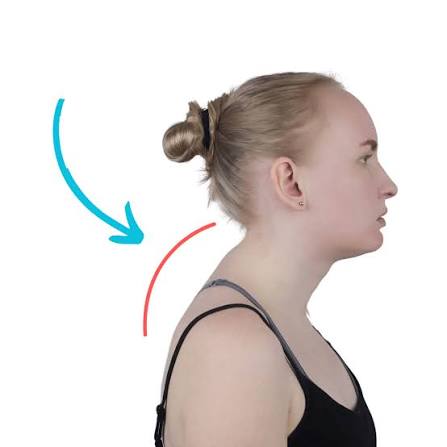
A hump on the back of the neck is most often caused by forward head posture, a buffalo hump (fat buildup from high cortisol), or a dowager’s hump (spinal curvature linked to kyphosis or osteoporosis).
Less commonly, it can be a cyst, lipoma, or a side effect of certain medications.
Seeing a doctor helps confirm the exact cause before starting any treatment.
What Is a Neck Hump, Exactly?
A neck hump is a visible rounded bulge where your neck meets your upper back. It can be soft and fatty, or firm and bony, depending on the cause.
People also call it a buffalo hump, a dowager’s hump, or simply a neck bump. These terms describe different conditions, not the same thing.
Buffalo Hump vs. Dowager’s Hump
| Feature | Buffalo Hump | Dowager’s Hump |
|---|---|---|
| Main cause | Excess fat tissue, often from high cortisol | Spinal curvature (kyphosis), often from osteoporosis |
| Texture | Soft, fatty | Firmer, bony |
| Common in | People with Cushing’s syndrome or on steroids | Older adults, especially postmenopausal women |
| Pain level | Usually painless | Can cause stiffness or pain |
| Treatment focus | Managing cortisol or medication | Bone health and posture correction |
Common Causes of a Hump on the Back of the Neck

Several unrelated conditions can produce a hump in the same general area. Here are the most common ones doctors look for.
Poor Posture and Forward Head Position
Hours spent looking down at a phone or slouching at a desk pull your head forward. Over time, muscles and soft tissue at the base of the neck thicken to compensate.
This is sometimes called “text neck” and is one of the most common, and most fixable, causes.
Kyphosis and Osteoporosis
Kyphosis is an exaggerated forward curve of the upper spine. When bones weaken from osteoporosis, small compression fractures can increase that curve further.
This combination is a leading cause of what’s commonly called a dowager’s hump, particularly in older women after menopause.
Buffalo Hump (Dorsocervical Fat Pad)
A buffalo hump is a buildup of fat between the shoulder blades and the base of the neck. It is most strongly linked to excess cortisol, the hormone associated with Cushing’s syndrome.
Certain medications, including long-term steroid use and some HIV treatments, can also trigger this type of fat buildup.
Cushing’s Syndrome and Medication Side Effects
Cushing’s syndrome occurs when the body is exposed to too much cortisol for too long, either from a health condition or from steroid medication.
A rounded fat pad at the back of the neck is one of the classic visible signs, often alongside facial rounding and weight gain in the midsection.
Cysts, Lipomas, and Other Growths
Not every bump is related to fat distribution or spine curvature. A cyst or lipoma, a benign fatty lump under the skin, can also form at the back of the neck.
These are usually painless and slow-growing, but a doctor should still confirm what the lump actually is.
Genetic or Congenital Conditions
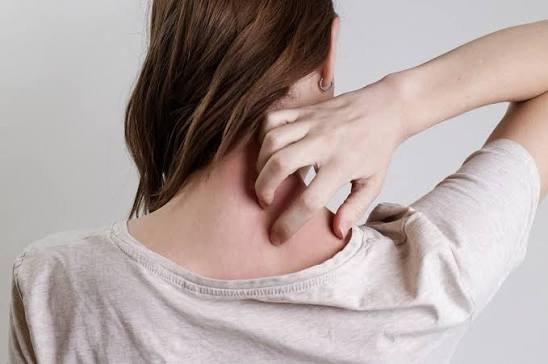
Some spinal differences, like congenital kyphosis, are present from birth. Connective tissue conditions such as Ehlers-Danlos syndrome can also affect spinal shape.
These causes are rarer but worth ruling out if the hump appeared early in life or runs in the family.
Symptoms That Often Come With a Neck Hump
A neck hump doesn’t always cause pain, but several symptoms commonly appear alongside it.
- A visible rounded bump at the base of the neck
- Stiffness or reduced range of motion
- Tension headaches or upper back tightness
- Soreness between the shoulder blades
- In severe kyphosis, difficulty looking straight ahead
When You Should See a Doctor
Most neck humps are not an emergency, but some signs mean it’s time to get checked.
- The hump appeared suddenly or is growing quickly
- You have pain, numbness, or tingling in your arms
- You’re also noticing unexplained weight gain or facial rounding
- You have a history of osteoporosis or take long-term steroids
- The lump feels hard, fixed in place, or unusual in any way
How Doctors Diagnose a Hump on the Back of the Neck
A physical exam is usually the first step, where a doctor checks the shape, texture, and mobility of the area.
Depending on what they suspect, they may order an X-ray to check spinal curvature, blood tests to check cortisol levels, or imaging like an ultrasound if a cyst or lipoma is suspected.
How to Get Rid of a Hump on the Back of the Neck
Treatment depends entirely on the cause. There is no single fix that works for every type of neck hump.
Posture Correction and Targeted Exercises
For posture-related humps, strengthening the upper back and stretching the chest can make a real difference over time.
- Chin tucks to retrain neck alignment
- Wall angels to open the chest and shoulders
- Rows and scapular squeezes to strengthen the upper back
- Doorway chest stretches to loosen tight pectoral muscles
Physical Therapy
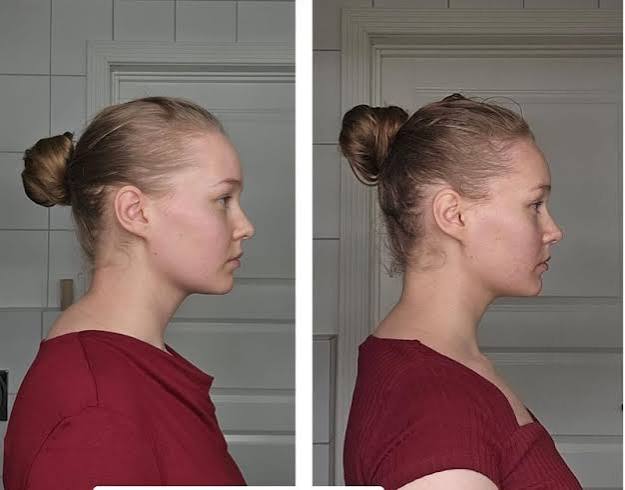
A physical therapist can build a personalized plan, often combining manual therapy, posture training, and targeted strengthening.
This approach is especially useful for mechanical causes like forward head posture or mild kyphosis.
Treating the Underlying Medical Condition
If the cause is Cushing’s syndrome, osteoporosis, or a medication side effect, treating that root condition is the real priority.
This might mean adjusting a medication dosage, starting bone-strengthening treatment, or managing cortisol levels under a doctor’s supervision.
Non-Surgical and Surgical Options
| Option | Best For | Notes |
|---|---|---|
| Posture therapy | Mild, posture-related humps | No downtime, gradual results |
| Bracing | Kyphosis in younger patients | Often paired with physical therapy |
| Medication adjustment | Steroid-related buffalo hump | Requires doctor supervision |
| Liposuction or fat removal | Cosmetic concerns from fat buildup | Elective, addresses appearance only |
| Spinal surgery | Severe kyphosis or fractures | Reserved for extreme cases |
How to Prevent a Neck Hump
Prevention is easiest when it targets posture and bone health early, before changes become harder to reverse.
- Keep screens at eye level to avoid looking down for long periods
- Take regular breaks from sitting and stretch every hour
- Build core and upper back strength consistently
- Get enough calcium and vitamin D for bone health
- Ask your doctor about bone density screening if you’re at risk
Expert Tips Worth Knowing
Small, consistent habits usually outperform occasional intense effort when it comes to posture-related humps.
A supportive chair, a screen at eye level, and short movement breaks throughout the day matter more than most people expect.
If a hump is fat-related rather than postural, exercise alone often won’t remove it. The underlying hormonal cause needs to be addressed first.
Also Read:
- 10 Types of Figurative Language
- 20 Types of Poem in Literature With Examples
- Anecdote Examples In Books, Speeches, Movies, Essays & Writing
- Play: Elements, 10 Types & Examples in Literature
- Prose Examples in Literature
- Examples of Idiom in Literature
- 7 Examples of Figurative Language In Literature
- Literary Devices That Start With F
- Sonnet 29: Literary Devices & Summary
- Literary Devices VS Figurative Language
- Importance Of Figures Of Speech in Text Writing, Communication & Poetry
- 10 Literary Devices That Use Comparison
- “I Have A Dream” Literary Devices
- Extended Metaphors Examples in Literature
- Literary Tools: Mastering the Art of Powerful Storytelling and Poetry
- Literary Devices In Water For Elephants
- How It Feels To Be Colored Me: Literary Devices
- Why Do Authors Use Literary Devices?
- Examples of Innuendo in Literature
- Secrets to Winning Big on Online Slot Machines
Frequently Asked Questions (FAQs)
Why do I suddenly have a hump on the back of my neck?
A sudden hump is often linked to rapid weight gain, new medication like steroids, or an undiagnosed hormonal change. It’s worth getting checked by a doctor.
Is a hump on the back of the neck dangerous?
Most neck humps are not dangerous on their own, but they can signal an underlying issue like osteoporosis or Cushing’s syndrome that needs treatment.
Can bad posture alone cause a neck hump?
Yes. Prolonged forward head posture, especially from phone and computer use, is one of the most common causes of a mechanical neck hump.
What is a buffalo hump caused by?
A buffalo hump is usually caused by excess cortisol in the body, most often from Cushing’s syndrome or long-term steroid medication use.
What is a dowager’s hump caused by?
A dowager’s hump is typically caused by kyphosis combined with osteoporosis, which weakens spinal bones and increases the upper back’s curve.
Can a neck hump go away on its own?
A posture-related hump can improve with consistent exercise and posture correction. Fat- or bone-related humps usually need medical treatment.
How long does it take to fix a neck hump?
It depends on the cause and severity. Posture-related humps may improve in a few months of consistent effort, while structural causes take longer.
Does losing weight get rid of a neck hump?
Weight loss can reduce a buffalo hump if excess fat is the main cause, but it won’t correct a hump caused by spinal curvature.
Can exercise reduce a dowager’s hump?
Yes, targeted exercises that strengthen the upper back and improve posture can reduce the appearance of a mild dowager’s hump.
Is a neck hump the same as a buffalo hump?
Not always. “Neck hump” is a general term, while “buffalo hump” specifically refers to fat buildup, often from cortisol-related causes.
Can stress cause a hump on the back of the neck?
Chronic stress can raise cortisol levels over time, which may contribute to fat buildup in the upper back and neck area.
Should I see a doctor for a hump on my neck?
Yes, especially if it appeared suddenly, is painful, or is accompanied by other symptoms like weight gain or numbness.
What doctor treats a neck hump?
Depending on the cause, you might see a primary care doctor, endocrinologist, orthopedic specialist, or spine specialist.
Can children get a hump on the back of the neck?
Yes, though it’s less common. Congenital kyphosis or posture habits from early tech use can contribute to it in younger people.
Is surgery ever needed for a neck hump?
Surgery is usually reserved for severe kyphosis, spinal fractures, or cases where other treatments haven’t worked.
Does sleeping position affect a neck hump?
Sleeping with poor neck support can worsen posture-related humps over time. Supportive pillows can help maintain better alignment.
Can a lipoma cause a hump on the back of the neck?
Yes. A lipoma is a benign fatty lump that can form at the base of the neck and is usually painless and slow-growing.
What’s the difference between a neck hump and a swollen lymph node?
A neck hump is typically a soft or firm mass tied to fat or spinal curvature, while a swollen lymph node is usually smaller, tender, and linked to infection.
Can physical therapy fix a neck hump?
Physical therapy is often effective for posture-related and mild kyphosis-related humps, using targeted stretching and strengthening.
Are neck humps more common in women?
Yes, particularly dowager’s humps, since postmenopausal women face a higher risk of osteoporosis-related spinal changes.
Conclusion
A hump on the back of the neck can come from something as simple as posture or as complex as a hormonal condition. The cause determines the fix, which is why guessing isn’t the best approach.
If you’ve been asking yourself why you have a hump on the back of your neck, start with a posture check, then see a doctor if it’s painful, sudden, or growing. Getting the right diagnosis is the fastest path to the right treatment.
