

Why Do People Cheat in Relationships? Infidelity is one of the most painful and confusing experiences a couple can face. It’s rarely as simple as “he wanted sex” or “she stopped caring.”
Researchers who study infidelity have found that cheating usually stems from a mix of emotional, psychological, and situational factors rather than one single cause.
Why Do People Cheat in Relationships?

People cheat in relationships for reasons that go far beyond sex. Large-scale research from the University of Maryland identified eight core motivations: anger, self-esteem, lack of love, low commitment, need for variety, neglect, sexual desire, and situational circumstances.
The Research Behind Why People Cheat
A widely cited study published in the Journal of Sex Research surveyed hundreds of adults who admitted to infidelity while in a committed relationship. Researchers asked nearly 80 questions about their motivations. The University of Maryland-led team analyzed the responses and identified eight common reasons people cheat, offering a more complete picture than previous studies that focused mainly on risk factors.
The analysis of 495 individuals who admitted to cheating revealed eight key motivations, and most of them had nothing to do with sex at all. This challenges the common assumption that cheating is purely about physical desire.
The 8 Core Reasons People Cheat
Understanding these categories helps explain why infidelity looks different from one relationship to the next.
| Reason | What It Looks Like |
|---|---|
| Anger | Cheating as a way to get back at a partner after feeling wronged |
| Self-esteem | Seeking validation or attention to feel desirable again |
| Lack of love | Falling out of love or losing passion for a partner |
| Low commitment | Uncertainty about exclusivity or the relationship’s future |
| Need for variety | Wanting new experiences outside a long-term relationship |
| Neglect | Not receiving enough attention, affection, or respect |
| Sexual desire | Dissatisfaction with the current sexual relationship |
| Situation | Circumstances like alcohol, travel, or high stress |
Anger and Revenge
Some people cheat specifically to hurt a partner back after feeling betrayed or disrespected. In this case, infidelity functions as a form of retaliation rather than a search for connection or pleasure.
Emotional Neglect
Feeling emotionally unseen is one of the most common threads researchers find. Many people cheat not primarily for physical reasons but because they feel emotionally unfulfilled, seeking external validation, attention, or intimacy missing from their relationship.
Low Commitment or Unclear Boundaries
Cheating sometimes happens because partners never fully agreed on exclusivity. One partner may consider the relationship casual while the other assumes it’s committed, creating a gap that leads to infidelity.
Need for Variety
The desire for novelty is a documented, if uncomfortable, motivator. Wanting a new experience doesn’t necessarily reflect dissatisfaction with a partner, but it can still lead someone to cross a line.
Situational Factors
Not every affair starts with an emotional void. Sometimes people find themselves in unusual scenarios, such as being intoxicated, traveling, or under significant stress, that make infidelity more likely in the moment.
Do Men and Women Cheat for Different Reasons?
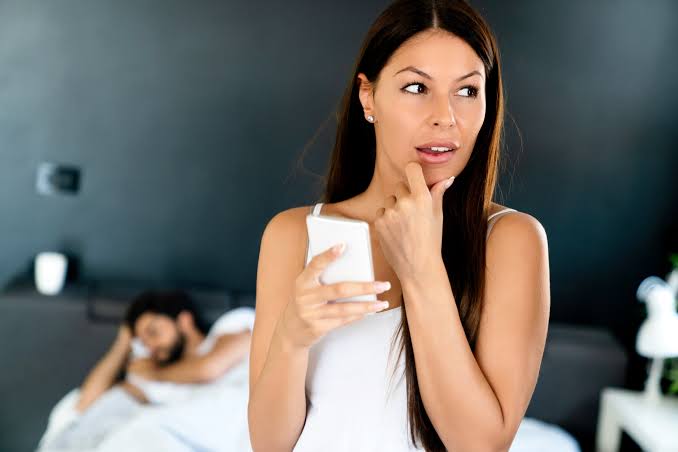
Research shows some patterns differ by gender, though individual motivations vary widely. Men were more likely to report cheating due to sexual desire, a wish for variety, and situational pressures, while women were more likely to cite neglect as their driving motivation.
These are general trends, not rules. Plenty of individual cases run counter to the pattern.
The Psychology Behind Infidelity
Beyond surface-level reasons, deeper psychological traits and patterns can increase someone’s likelihood of cheating.
Personality Traits Linked to Cheating
Certain personality traits, sometimes grouped as the “Dark Triad” (Machiavellianism, narcissism, and psychopathy), have been linked to a higher likelihood of infidelity in research. People high in these traits may rationalize betrayal more easily.
Attachment Style and Cheating
A person’s attachment style, or their habitual way of relating in close relationships, also influences infidelity risk. People with insecure attachment patterns are more prone to cheating tied to anger or emotional detachment.
- Anxious attachment: fear of abandonment can drive someone toward cheating as a way to seek reassurance.
- Avoidant attachment: fear of closeness can lead someone to cheat as a way to create distance or exit a relationship.
How Cheating Motivations Affect the Relationship’s Outcome
Why someone cheats can shape what happens next in the relationship. Affairs driven by anger, lack of love, or a desire for variety tended to last longer, while affairs driven by situational factors tended to be shorter.
An emotionally unfulfilling primary relationship was the leading reason affairs led to a breakup, though better or more frequent sex with the affair partner also played a role. In other words, emotional disconnection matters more than physical dissatisfaction alone.
Does Cheating Always End the Relationship?
Not necessarily. Close to 22 percent of couples stayed together even after the partner learned about the affair independently, while a slightly larger share stayed together after the affair was disclosed directly.
Whether a relationship survives infidelity often depends on both partners’ willingness to address the root causes, not just the act itself.
Common Myths About Why People Cheat
A few assumptions about cheating don’t hold up well against the research.
| Myth | What Research Actually Shows |
|---|---|
| Cheating is always about sex | Most affairs involve emotional motivations, not just physical ones |
| Only unhappy couples experience infidelity | Situational factors can lead to cheating even in stable relationships |
| Cheaters lack any conscience | Many people report guilt, conflict, and rationalizing behavior |
| Men cheat more for love, women for sex | Patterns often run the opposite direction on average |
Warning Signs Worth Paying Attention To
While no single sign guarantees infidelity, a pattern of changes is worth noticing.
- A sudden increase in secrecy around phones or schedules
- Growing emotional distance or reduced affection
- Increased criticism or unexplained irritability
- New or unusual spending patterns
- Withdrawal from shared routines or conversations
How Couples Can Address the Underlying Issues

Preventing infidelity is less about surveillance and more about addressing the gaps that make it more likely.
- Talk openly about unmet emotional or sexual needs before resentment builds.
- Revisit commitment expectations clearly, especially early in a relationship.
- Address anger and conflict directly instead of letting it fester.
- Make space for novelty and connection within the relationship itself.
- Seek couples counseling if neglect or disconnection feels ongoing.
Mistakes to Avoid After Discovering Infidelity
How a couple handles the aftermath matters as much as the affair itself.
- Don’t make major decisions in the first days of raw emotion.
- Don’t assume you already know the full motivation without an honest conversation.
- Don’t skip professional support if trauma responses or trust issues persist.
- Don’t ignore your own needs while focused on repairing the relationship.
Key Takeaways
- Most infidelity is driven by emotional factors, not just sexual desire.
- Research identifies eight core motivations: anger, self-esteem, lack of love, low commitment, need for variety, neglect, sexual desire, and situation.
- Men more often cite sexual desire and variety, while women more often cite neglect.
- Personality traits and attachment style can increase the likelihood of cheating.
- Affairs rooted in emotional disconnection are more likely to end the primary relationship.
- Many couples do stay together after infidelity, especially when they address the underlying issues.
Frequently Asked Questions (FAQs)
What is the number one reason people cheat?
There isn’t a single top reason. Research identifies eight roughly equal motivations, with emotional neglect and lack of love among the most emotionally damaging.
Is cheating always about sex?
No. Most people who cheat report emotional motivations, like feeling neglected or seeking validation, alongside or instead of sexual dissatisfaction.
Do men and women cheat for different reasons?
On average, yes. Men more often cite sexual desire, variety, and situational factors, while women more often cite emotional neglect.
Can a happy relationship still experience cheating?
Yes. Situational factors, like being intoxicated or under high stress, can lead to infidelity even when the relationship itself feels stable.
Does personality affect the likelihood of cheating?
Yes. Traits linked to narcissism or low empathy have been associated with a higher likelihood of infidelity in research.
How does attachment style relate to cheating?
Anxious attachment can drive cheating as a bid for reassurance, while avoidant attachment can drive cheating as a way to create emotional distance.
Do most relationships survive infidelity?
Many do. A meaningful share of couples stay together after an affair, particularly when both partners work through the root causes.
Is cheating a sign the relationship was never going to work?
Not necessarily. Some affairs stem from situational lapses rather than deep relationship problems, though patterns of neglect or low commitment are more serious warning signs.
What are common warning signs of cheating?
Increased secrecy, emotional withdrawal, unexplained irritability, and changes in routine or spending patterns are common signs, though none confirm infidelity on their own.
Can couples therapy help after cheating?
Yes. Therapy can help identify the underlying motivations and rebuild trust, especially when neglect or communication breakdowns played a role.
Why do some affairs last longer than others?
Affairs driven by anger, lack of love, or a desire for variety tend to last longer, while those driven by situational factors tend to be shorter.
Is wanting variety in a relationship abnormal?
No, wanting novelty is a documented human motivation. It becomes a problem only when acted on through infidelity instead of addressed within the relationship.
Does one instance of cheating mean it will happen again?
Not automatically, though repeated infidelity or specific personality traits can increase the risk of a pattern forming.
Should partners always disclose cheating themselves?
There’s no universal rule, but many therapists note that couples who address issues honestly, whether disclosed directly or discovered, have a better chance at rebuilding trust.
Conclusion
Infidelity is rarely a simple story of one partner “just wanting sex” or “stopping caring.” The research points to a complex mix of anger, unmet emotional needs, personality traits, and situational pressure.
Understanding these root causes doesn’t excuse cheating, but it does offer couples a clearer path toward honest conversations, whether that means healing together or making an informed decision to part ways.
