

Why Is My Big Toe Hurting? Every step you take puts real weight through your big toe, so when it starts hurting, everyday things like walking or putting on shoes suddenly feel hard.
Big toe pain has a handful of usual suspects: gout, bunions, arthritis, an ingrown toenail, or a sprain from bending the toe too far.
Why Is My Big Toe Hurting?
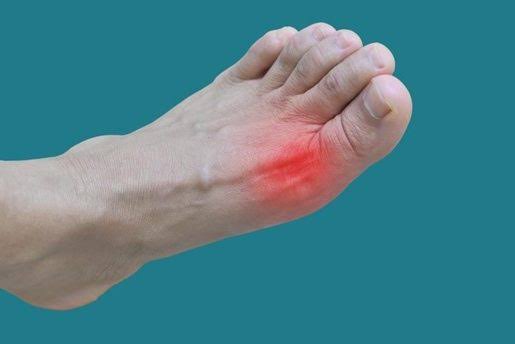
Big toe pain is most often caused by gout, hallux rigidus (arthritis), a bunion, turf toe, sesamoiditis, or an ingrown toenail.
Sudden, intense pain with redness and swelling points toward gout. Pain that builds gradually points toward arthritis or a bunion.
Why Your Big Toe Matters So Much
The big toe carries a large share of your body weight every time you push off during walking or running.
That constant load is exactly why problems here, whether from injury, inflammation, or joint wear, tend to show up as pain fast and get in the way of daily movement.
Common Causes of Big Toe Pain
Gout
Gout is a form of arthritis caused by a buildup of uric acid crystals in the joint. It often strikes the big toe first, and suddenly.
Expect intense pain, redness, warmth, and swelling that can appear overnight, sometimes severe enough that even a bedsheet touching the toe hurts.
Hallux Rigidus (Big Toe Arthritis)
Hallux rigidus is stiffness and arthritis at the base of the big toe joint. It’s the most common arthritic condition affecting the feet.
Pain tends to build gradually, worsens with activities like running or lunges, and may come with a visible bump on top of the joint.
Bunions (Hallux Valgus)
A bunion forms when the big toe drifts toward the second toe, creating a bony bump on the inside of the foot. Tight or narrow shoes often make this worse.
Pain typically centers over the bump, especially when shoes rub against it or the toe overlaps the one next to it.
Turf Toe
Turf toe is a sprain of the ligaments around the big toe joint, caused by forcing the toe to bend upward too far. It’s common in athletes on artificial turf.
Symptoms include pain, swelling, and reduced range of motion, often appearing right after a running or jumping injury.
Sesamoiditis
Two small sesamoid bones sit under the big toe joint and help with pushing off while walking. Overuse or repetitive stress can inflame the tendons around them.
This shows up as a dull, aching pain under the ball of the foot near the big toe, often worse with running or dancing.
Ingrown Toenail
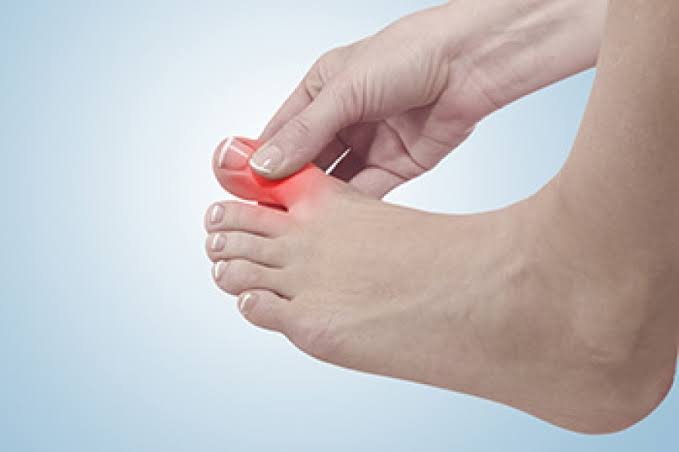
An ingrown toenail happens when the nail edge grows into the surrounding skin. Cutting nails too short or wearing tight shoes are common triggers.
The pain is usually localized right at the nail edge, along with redness, swelling, and sometimes drainage if it becomes infected.
Fracture or Sprain
A direct injury, like stubbing your toe hard or dropping something on it, can fracture the bone or sprain the surrounding ligaments.
Fractures often cause sharp, immediate pain, bruising, and swelling that may spread across the rest of the foot.
Rheumatoid Arthritis
Rheumatoid arthritis is an autoimmune condition that can affect the big toe joint, which is one of the more mobile joints in the body.
Signs include pain, tenderness, warmth, and swelling that may come and go in flares rather than staying constant.
Comparing the Most Common Causes
| Cause | Pain Onset | Key Signs | Typical Trigger |
|---|---|---|---|
| Gout | Sudden, often overnight | Redness, heat, extreme tenderness | Diet, alcohol, genetics |
| Hallux Rigidus | Gradual | Stiffness, bump on top of joint | Age, joint wear, past injury |
| Bunion | Gradual | Bump on inner foot, toe drifting inward | Tight shoes, genetics |
| Turf Toe | Sudden, activity-related | Swelling, limited motion | Sports, hyperextension |
| Sesamoiditis | Gradual | Dull ache under the joint | Running, dancing, high heels |
| Ingrown Toenail | Gradual to sudden | Pain at nail edge, redness | Short nail cuts, tight shoes |
When to See a Doctor
See a podiatrist or doctor if the pain is severe, doesn’t improve within a few days of rest, or keeps you from walking normally.
Seek prompt care if you notice signs of infection, such as pus, spreading redness, or fever, especially with an ingrown toenail.
A sudden, intensely painful, swollen toe that appears overnight is a classic sign of gout and is worth getting checked, since it can be managed effectively once diagnosed.
How Big Toe Pain Is Diagnosed
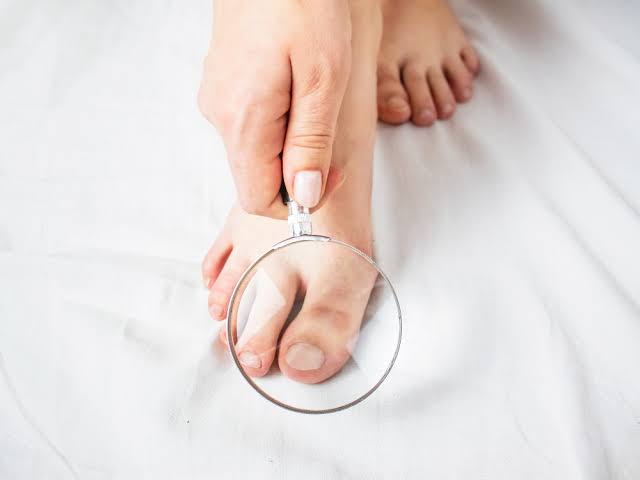
A doctor will usually start by examining the joint, checking your range of motion, and asking about when the pain started.
Depending on what they suspect, they may order an X-ray to check for arthritis or fracture, or blood tests to check uric acid levels if gout is suspected.
Treatment Options
| Approach | What It Involves | Best For |
|---|---|---|
| Rest and ice | Reducing activity, icing the joint | Sprains, turf toe, sesamoiditis |
| Footwear changes | Wider toe box, stiffer sole | Bunions, hallux rigidus |
| OTC pain relievers | Ibuprofen, naproxen, acetaminophen | General pain and inflammation |
| Uric acid medication | Prescription drugs to lower uric acid | Recurrent gout |
| Physical therapy | Stretching and strengthening exercises | Arthritis, turf toe recovery |
| Toenail correction | Trimming or minor in-office procedure | Ingrown toenails |
| Surgery | Joint repair or replacement | Severe bunions or advanced arthritis |
Home Care Steps You Can Try Today
- Rest the toe and avoid activities that put pressure on it.
- Apply ice for 15-20 minutes if there’s swelling, or heat if the pain feels stiff and achy.
- Switch to shoes with a wide toe box and good support.
- Try an over-the-counter anti-inflammatory if you have no contraindications.
- Avoid tight socks or shoes that press directly on the sore spot.
- See a professional if pain doesn’t ease within a few days.
Mistakes to Avoid
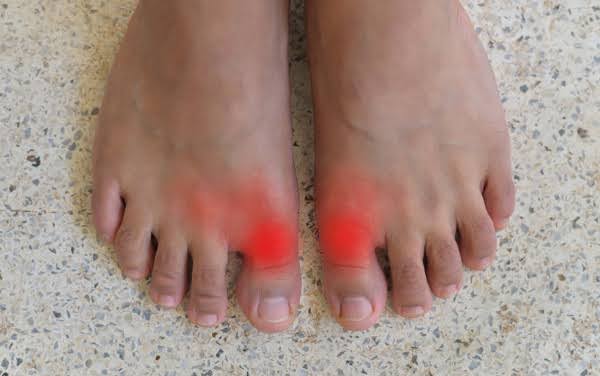
- Don’t ignore sudden, severe toe pain, thinking it will pass on its own, since gout tends to recur if untreated.
- Don’t keep wearing narrow or high-heeled shoes if a bunion is the cause.
- Don’t cut toenails too short, which raises the risk of ingrown nails.
Prevention Tips
- Choose shoes with enough room in the toe box.
- Trim toenails straight across rather than rounding the corners.
- Warm up properly before running or jumping sports.
- Maintain a healthy weight to reduce joint stress.
- Watch your diet if you’re prone to gout, since certain foods and alcohol can trigger flares.
Frequently Asked Questions (FAQs)
Why does my big toe hurt when I walk?
Walking puts direct weight through the big toe joint, so conditions like arthritis, bunions, or sesamoiditis often become most noticeable during this movement.
What does gout in the big toe feel like?
Gout typically causes sudden, intense pain along with redness, swelling, and warmth, often severe enough that even light touch is painful.
Can a bunion cause big toe pain without surgery?
Yes. Wider shoes, toe spacers, and padding can reduce bunion pain for many people without needing surgery.
Is big toe pain always a sign of arthritis?
No. Injuries, ingrown toenails, gout, and tendon inflammation can all cause big toe pain without any arthritis involved.
How do I know if I have turf toe or a fracture?
Both cause pain and swelling after activity, but a fracture often causes sharper, more localized pain and visible bruising, so an X-ray is the reliable way to tell them apart.
Can diet affect big toe pain?
Yes, particularly with gout. Foods high in purines, like red meat, shellfish, and alcohol, can trigger or worsen gout flares.
Why does my big toe hurt only at night?
Gout flares classically start at night, and pressure from bedsheets can make an already inflamed joint feel worse.
Should I keep walking if my big toe hurts?
Light movement is usually fine, but you should avoid activities that clearly worsen the pain, especially with a suspected sprain or fracture.
Can tight shoes cause permanent big toe damage?
Over time, consistently tight or narrow shoes can contribute to bunions and joint changes that don’t fully reverse, which is why footwear choices matter early.
What’s the difference between hallux rigidus and a bunion?
Hallux rigidus is stiffness and arthritis in the joint, usually with pain on top of the toe, while a bunion is a structural shift of the toe with a bump on the inner foot.
How long does big toe pain from turf toe take to heal?
Mild cases can improve in one to two weeks with rest, while more severe sprains may take several weeks and benefit from professional guidance.
Can an ingrown toenail heal on its own?
Mild cases sometimes improve with warm soaks and careful trimming, but recurring or infected ingrown nails usually need a professional procedure.
Is big toe pain common in runners?
Yes. Runners frequently experience turf toe, sesamoiditis, and joint stress from repetitive impact on the big toe.
Can big toe pain be a sign of diabetes complications?
Yes, in some cases. People with diabetes should monitor foot pain closely, since reduced sensation can mask more serious issues like infection or poor circulation.
What shoes are best if my big toe hurts?
Look for a wide toe box, firm but flexible sole, and minimal pressure directly over the painful area.
Can big toe pain go away without treatment?
Mild strain-related pain sometimes resolves with rest, but ongoing conditions like gout, arthritis, or bunions usually need proper management to improve.
Does age make big toe pain more likely?
Yes. Hallux rigidus and general joint wear become more common with age, though injuries and gout can affect people at any age.
When should I worry about big toe pain?
Worry if the pain is severe, sudden, accompanied by fever or spreading redness, or if you can’t bear weight on the foot at all.
Can big toe pain be related to nerve issues?
Yes, though less commonly. Nerve-related pain often feels like burning or tingling rather than the aching or sharp pain typical of joint or soft tissue causes.
What kind of doctor treats big toe pain?
A podiatrist specializes in foot conditions, though a primary care doctor or orthopedist can also evaluate and refer you as needed.
Conclusion
Big toe pain almost always traces back to a short list of common causes: gout, arthritis, bunions, turf toe, sesamoiditis, or an ingrown toenail.
Paying attention to how the pain started, suddenly or gradually, and what it looks like helps narrow down the likely cause before you even see a doctor.
Simple steps like rest, proper footwear, and early treatment go a long way, but persistent or severe pain deserves a professional evaluation rather than guesswork.
