

Why Would I Be Referred to a Gastroenterologist? A referral to a gastroenterologist can feel unsettling, especially if your doctor hasn’t fully explained the reason. In most cases, it simply means your symptoms need a specialist’s tools and expertise.
Primary care doctors refer patients to GI specialists for persistent digestive symptoms, unclear diagnoses, chronic conditions, or routine cancer screening.
Why Would I Be Referred to a Gastroenterologist?
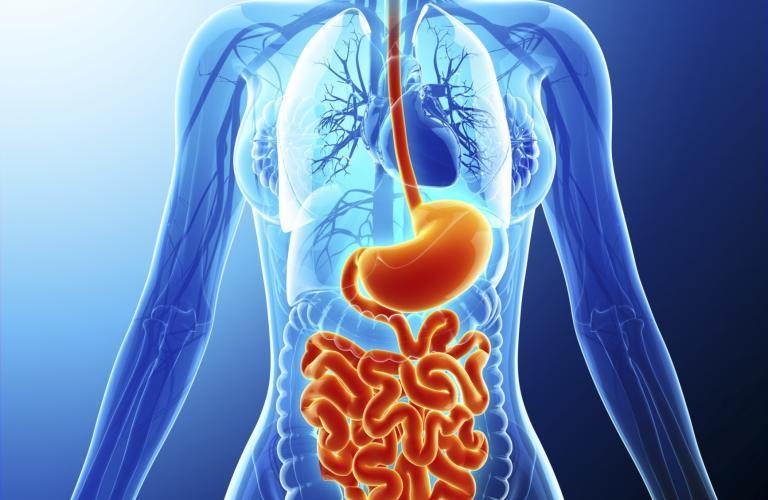
You may be referred to a gastroenterologist for symptoms like persistent heartburn, abdominal pain, changes in bowel habits, unexplained weight loss, or blood in your stool. Referrals also happen for routine colon cancer screening or to manage a chronic condition such as IBS or Crohn’s disease.
What Is a Gastroenterologist?
A gastroenterologist is a doctor who specializes in the digestive system. That includes the esophagus, stomach, intestines, liver, pancreas, and gallbladder.
They complete extra years of training beyond general medicine, focusing specifically on gastrointestinal (GI) disease diagnosis and treatment.
How They Differ From Your Primary Care Doctor
Your primary care provider manages overall health and handles common issues first. When symptoms are persistent, unclear, or require specialized tools like endoscopy, they refer you to a GI specialist.
Gastroenterologists have more experience with digestive conditions, so they often catch problems earlier and with fewer follow-up visits.
Common Symptoms That Lead to a Referral
Most referrals start with symptoms that don’t improve with basic treatment. Here are the most frequent ones.
- Heartburn or acid reflux that doesn’t respond to over-the-counter medication
- Persistent abdominal pain or bloating
- Chronic diarrhea or constipation
- Difficulty or pain when swallowing
- Unexplained nausea or vomiting
- Unintended weight loss
- Blood in the stool or black, tarry stools
- Persistent fatigue linked to digestive symptoms
Heartburn That Won’t Go Away
Occasional heartburn is normal. But if it keeps happening despite antacids, or comes with nausea, vomiting, or trouble swallowing, it may point to GERD.
Left untreated, GERD can lead to esophagitis or other complications, so a specialist evaluation is worthwhile.
Changes in Bowel Habits
A lasting shift toward looser stools, harder stools, or a different bowel pattern than usual is a common referral trigger. It can signal IBS, IBD, or an infection that needs specific testing.
Blood in the Stool
Any visible blood, or stool that looks black and tarry, should be checked promptly. It can result from something minor like hemorrhoids or something more serious like internal bleeding.
Chronic Conditions That Require Ongoing GI Care
Some referrals aren’t about a single symptom but a long-term condition that needs specialist management.
| Condition | Why a Gastroenterologist Manages It |
|---|---|
| GERD | Long-term acid reflux that can damage the esophagus |
| IBS | Chronic gut disorder needing symptom-based management |
| IBD (Crohn’s or ulcerative colitis) | Ongoing inflammation requiring specialized medication and monitoring |
| Celiac disease | Autoimmune reaction to gluten damaging the small intestine |
| Liver disease | GI specialists also manage liver, pancreas, and gallbladder conditions |
| SIBO | Bacterial overgrowth diagnosed and treated with targeted testing |
Referrals for Screening, Not Just Symptoms
Not every referral means something is wrong. Routine colon cancer screening is one of the most common reasons for a GI visit.
Guidelines generally recommend starting screening colonoscopies around age 45 for average-risk adults, or earlier with a family history of colorectal cancer. Confirm current age recommendations with your doctor, since guidance can be updated.
What Tests and Procedures a Gastroenterologist May Order

A GI specialist has diagnostic tools your primary care doctor doesn’t use directly. Here’s a look at the most common ones.
| Procedure | What It Checks |
|---|---|
| Upper endoscopy (EGD) | Esophagus, stomach, and upper small intestine |
| Colonoscopy | Colon and rectum, including polyp removal |
| Endoscopic ultrasound (EUS) | Pancreas, bile ducts, and nearby structures |
| ERCP | Bile ducts, gallbladder, and pancreas |
| Liver biopsy | Inflammation or scarring in the liver |
| Enteroscopy | Small intestine |
Colonoscopy Basics
During a colonoscopy, a thin flexible tube with a camera examines the entire colon. If polyps are found, the doctor can often remove them during the same procedure.
Upper Endoscopy Basics
An upper endoscopy passes a thin scope through the mouth into the esophagus, stomach, and the start of the small intestine. It’s commonly used to investigate reflux, ulcers, or swallowing problems.
What Happens at Your First Visit
Knowing what to expect can ease some of the anxiety around a new referral.
- The gastroenterologist reviews your symptoms and medical history.
- They perform a physical exam, often pressing on your abdomen to check for tenderness.
- They may order blood work, stool tests, or imaging.
- Based on findings, they might schedule an endoscopy or colonoscopy.
- They discuss a treatment plan, which may include medication, diet changes, or a procedure.
Gastroenterologist vs. Colorectal Surgeon
These two specialists are often confused, but their roles differ.
| Specialist | Focus |
|---|---|
| Gastroenterologist | Diagnoses and manages GI conditions; performs endoscopy and colonoscopy |
| Colorectal surgeon | Performs surgery for colon, rectum, and anus conditions |
A gastroenterologist may refer you to a colorectal surgeon if a condition, like a large polyp or advanced colon cancer, needs surgical treatment.
Mistakes to Avoid Before Your Appointment

A little preparation goes a long way toward a productive first visit.
- Don’t skip tracking your symptoms; write down timing, triggers, and severity.
- Don’t stop prescribed medications without talking to your doctor first.
- Don’t assume a referral means something serious; many are for standard screening.
- Don’t ignore family history questions; GI conditions often run in families.
- Don’t delay scheduling if you have red-flag symptoms like bleeding or weight loss.
Key Takeaways
- A GI referral is common and often routine, not automatically a sign of serious illness.
- Persistent heartburn, abdominal pain, and bowel changes are top referral reasons.
- Blood in the stool or unexplained weight loss warrants prompt evaluation.
- Chronic conditions like IBS, IBD, and celiac disease need ongoing GI management.
- Screening colonoscopies are a routine, preventive reason for referral.
- Gastroenterologists use tools like endoscopy and colonoscopy that primary care doctors don’t perform.
- Your first visit typically includes a history review, exam, and a plan for next steps.

Frequently Asked Questions (FAQs)
Why would my doctor refer me to a gastroenterologist?
Common reasons include persistent heartburn, abdominal pain, changes in bowel habits, unexplained weight loss, or blood in the stool that need specialist evaluation.
Does a GI referral always mean something is seriously wrong?
No. Many referrals are for routine screening, like a colonoscopy, or to investigate manageable conditions such as IBS.
What conditions do gastroenterologists treat?
They treat GERD, IBS, IBD, celiac disease, liver disease, gallbladder issues, and gastrointestinal cancers, among other digestive conditions.
What happens at a first gastroenterology appointment?
The doctor reviews your history and symptoms, performs a physical exam, and may order tests or schedule a procedure like an endoscopy.
What is the difference between a gastroenterologist and a general doctor?
A gastroenterologist has extra specialized training in digestive diseases and access to procedures like colonoscopy and endoscopy that a general doctor doesn’t perform.
At what age should I get a screening colonoscopy?
Average-risk adults are generally advised to begin around age 45, though your doctor may recommend earlier screening based on family history or symptoms.
Is a colonoscopy painful?
Most patients are sedated during the procedure and don’t feel discomfort. Some mild bloating or cramping can occur afterward as the colon returns to normal.
Can a gastroenterologist perform surgery?
Gastroenterologists don’t typically perform major surgery. They handle endoscopic procedures and refer surgical cases to a colorectal surgeon when needed.
What symptoms should never be ignored?
Blood in the stool, black tarry stools, unexplained weight loss, and difficulty swallowing should be evaluated promptly.
How is IBS different from IBD?
IBS is a functional disorder affecting gut function without visible damage, while IBD (Crohn’s or ulcerative colitis) involves chronic inflammation and physical changes to the intestine.
Do I need a referral to see a gastroenterologist?
This depends on your insurance plan. Many plans require a referral from a primary care provider before covering a specialist visit.
What tests might a gastroenterologist order before a procedure?
They may start with blood work, stool tests, or imaging before deciding whether an endoscopy or colonoscopy is necessary.
Can stress cause symptoms that lead to a GI referral?
Yes. Stress can worsen symptoms like bloating, diarrhea, or stomach pain, and a gastroenterologist can help determine how much stress is contributing.
How long does it take to get an appointment after a referral?
Wait times vary by location and urgency. Symptoms suggesting bleeding or rapid weight loss are usually prioritized for faster scheduling.
Will I need ongoing visits after seeing a gastroenterologist?
Some people see a GI specialist once for an acute issue, while others with chronic conditions like IBD have regular follow-up visits.
Conclusion
A referral to a gastroenterologist usually means your doctor wants a specialist’s tools and expertise involved in your care, not that something is necessarily wrong.
Whether it’s for persistent heartburn, unexplained bowel changes, or a routine screening, the visit is a normal part of managing digestive health.
Understanding what to expect makes the appointment far less intimidating. Tracking your symptoms beforehand and asking direct questions will help you get the most out of your first visit.
