

Why Can’t You Give Babies Honey? Honey looks harmless, but it can carry spores of Clostridium botulinum. In an adult gut these spores are no problem. In a baby’s immature gut, they can grow and release a dangerous toxin.
That’s why doctors, the CDC, and the American Academy of Pediatrics all agree: no honey, in any form, before a baby’s first birthday.
Why Can’t You Give Babies Honey?
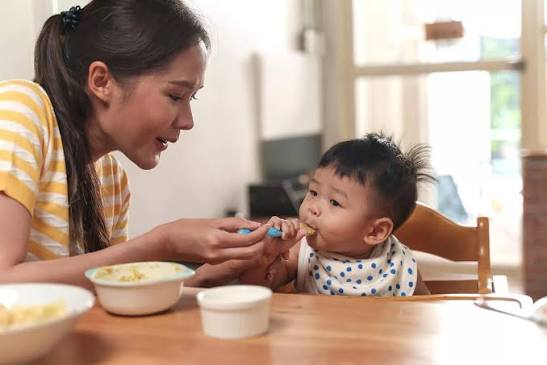
Babies under 12 months cannot have honey because it may contain Clostridium botulinum spores. These spores can grow in a baby’s immature digestive system and produce a toxin that causes infant botulism, a rare but serious illness.
What Is Infant Botulism?
Infant botulism is a nerve illness caused by a toxin from Clostridium botulinum bacteria. The toxin blocks nerve signals to muscles.
It affects babies younger than 12 months, with most cases showing up before 6 months of age. Adults and older kids rarely get sick from the same exposure.
Why Honey Is Risky for Babies
Clostridium botulinum lives naturally in soil, dust, and water. Bees can pick up these spores while foraging, and the spores end up in honey.
An adult’s mature gut bacteria and stomach acid keep the spores from growing. A baby’s gut doesn’t yet have that protective bacterial community, so the spores can germinate, multiply, and produce toxin.
It Doesn’t Take Much Honey
Even a tiny amount matters. A single drop of honey on a pacifier or on a mother’s nipple to encourage latching has been linked to infant botulism cases.
There is no “safe” small dose. Doctors recommend avoiding honey completely until age 1.
Raw, Organic, and Manuka Honey Are Not Exceptions
Parents sometimes assume raw or specialty honey is different. It isn’t. Pasteurization affects bacteria, not the dormant spores, so no honey type is guaranteed spore-free.
Raw, organic, pasteurized, and manuka honey all carry the same theoretical risk for infants.
Symptoms of Infant Botulism
Symptoms usually appear within a few days to a couple of weeks after exposure. Early signs are easy to miss, so it helps to know what to watch for.
- Constipation, often the first sign
- Weak or altered cry
- Poor feeding or weak sucking
- Reduced facial expression or drooping eyelids
- Loss of head control
- Floppy muscle tone (“floppy baby” appearance)
- Slowed or difficult breathing in severe cases
When to Call a Doctor
Call your pediatrician right away if your baby shows constipation along with weakness, poor feeding, or a change in cry. Go to the emergency room if breathing looks labored.
Infant botulism is treatable, and most babies recover fully with prompt care.
How Infant Botulism Is Treated
Doctors diagnose infant botulism through symptoms, an exam, and lab tests on stool samples. Severe cases may need hospital support.
The main treatment is BabyBIG (Botulism Immune Globulin Intravenous), given through an IV. It significantly shortens hospital stays and recovery time.
Babies who need breathing support use a ventilator temporarily until their strength returns. Most infants recover completely, with survival rates near 98 to 100 percent.
When Is It Safe to Give Babies Honey?
Honey becomes safe once a baby turns 12 months old. By then, the gut has developed enough healthy bacteria to control any spores before they can cause harm.
There’s no need to wait longer than 12 months, but there’s also no benefit to introducing it early.
Other Foods to Avoid Before Age 1
Honey isn’t the only ingredient parents should watch for. These items also deserve caution before the first birthday.
| Food or Product | Reason to Avoid Before Age 1 |
|---|---|
| Honey (any form) | Risk of Clostridium botulinum spores |
| Foods baked or cooked with honey | Heat does not destroy spores |
| Honey graham crackers or candy | Contains honey as an ingredient |
| Corn syrup (light or dark) | Possible, unproven botulism link |
| Unpasteurized juice or milk | Risk of harmful bacteria |
| Cow’s milk as a main drink | Not nutritionally appropriate under 12 months |
Does Cooking or Baking Destroy the Spores?
No. Baking, boiling, or cooking honey into bread, granola bars, or sauces does not reliably kill Clostridium botulinum spores. Any food containing honey should wait until after the first birthday.
Can a Breastfeeding Mother Eat Honey?
Yes. Botulism does not pass through breast milk, so nursing mothers can eat honey safely. The risk applies only to honey the baby eats directly.
Common Mistakes Parents Make
A few honey-related habits catch parents off guard. Knowing them ahead of time helps avoid an accidental exposure.
- Dipping a pacifier in honey to soothe fussiness
- Using honey as a home remedy for infant cough or constipation
- Assuming “natural” or “raw” honey is gentler on babies
- Not checking ingredient labels on baked goods, snacks, or teething biscuits
- Introducing honey right at 11 months instead of waiting for the true first birthday
Key Takeaways
- Honey may contain Clostridium botulinum spores that cause infant botulism.
- Babies under 12 months lack the gut bacteria to control these spores safely.
- No honey type, including raw or manuka, is considered safe for infants.
- Even a small taste, including on a pacifier, carries risk.
- Watch for constipation, weak cry, poor feeding, and floppiness.
- Honey is safe starting at the first birthday.
- Breastfeeding mothers can eat honey without risk to their baby.
Related Articles
- Happy 1st Year Birthday Wishes
- 1th Birthday Wishes
- Happy 1st Birthday Wishes
- 1st Birthday Birthday Wishes
- Happy 1 Birthday Wishes
Frequently Asked Questions
Why can’t babies have honey before age 1?
Honey can contain Clostridium botulinum spores. A baby’s immature gut can’t control these spores the way an adult’s gut can, so they may grow and release a harmful toxin.
What is infant botulism?
Infant botulism is a rare nerve illness caused by a toxin from Clostridium botulinum bacteria, most often affecting babies younger than 12 months.
Is a tiny taste of honey okay?
No. Even a single drop, such as on a pacifier or nipple, has been linked to infant botulism cases. There’s no known safe amount for babies under 1.
Is raw honey safer than regular honey?
No. Raw, organic, pasteurized, and manuka honey can all carry the same spores. No type of honey is considered safe for babies under 12 months.
Does cooking honey make it safe?
No. Baking or cooking foods containing honey does not reliably destroy the spores, so baked goods with honey should also wait until after age 1.
Can honey be used to treat a baby’s cough?
No. Honey should never be given to a baby under 12 months, even as a home remedy for cough or constipation. Talk to your pediatrician about safe alternatives.
What are the first signs of infant botulism?
Constipation is usually the earliest sign, followed by a weak cry, poor feeding, reduced facial movement, and floppy muscle tone.
How is infant botulism treated?
The main treatment is BabyBIG, an antitoxin given through an IV. Some babies also need temporary breathing or feeding support in the hospital.
Can babies fully recover from infant botulism?
Yes. With prompt treatment, most babies recover completely, and survival rates are between 98 and 100 percent.
Can breastfeeding mothers eat honey?
Yes. Botulism toxin does not pass through breast milk, so nursing mothers can eat honey without risk to their baby.
Is corn syrup also risky for babies?
Light and dark corn syrups have a possible, unproven link to botulism-causing bacteria. Check with your pediatrician before giving corn syrup to a baby.
When exactly can I start giving my baby honey?
You can introduce honey once your baby turns 12 months old, not before.
Are honey graham crackers safe for babies?
No, not before age 1. Any food that lists honey as an ingredient should wait until after the first birthday.
Can honey spores come from anywhere besides honey?
Yes. The spores also occur naturally in soil and dust, so honey is the only avoidable food source, not the only possible source.
What should I do if my baby accidentally ate honey?
Watch closely for constipation, weak cry, poor feeding, or floppiness over the next one to two weeks, and call your pediatrician to ask about next steps.
Conclusion
Honey is a simple ingredient with an outsized risk for babies under 1. The connection to infant botulism is well documented, and the guidance from pediatric and public health experts is consistent: skip honey completely until the first birthday.
Once your baby turns 1, honey becomes a safe, natural sweetener to enjoy. Until then, checking labels and skipping the “just a taste” habit is the simplest way to keep your baby safe.
