

Cutting your toenails and catching a sudden, unpleasant smell can feel alarming. It’s a common experience, and in most cases it has a simple explanation.
Why Do My Toenails Smell When I Cut Them? The smell usually comes from bacteria and trapped debris breaking down under the nail. Cutting releases these compounds into the air, which is why the odor shows up right at that moment.
Why Do My Toenails Smell When I Cut Them? What Actually Causes the Smell
Toenails are made of keratin, the same protein found in hair and skin. Underneath the nail plate sits a small, enclosed space called the nail bed.
That space traps sweat, dead skin cells, and tiny fibers from your socks. This buildup is known as subungual debris, and it doesn’t get much airflow.
Bacteria feed on this trapped material. As they break it down, they release volatile compounds — the same type of byproduct responsible for regular foot odor.
Cutting the nail briefly exposes this concentrated pocket of debris and bacteria to open air, which is why the smell seems stronger at that exact moment.
Bacteria vs. Fungus: How to Tell the Difference
Most toenail odor is bacterial and harmless. But a fungal infection (onychomycosis) can also cause a strong smell, and it needs different treatment.
| Sign | Bacterial Odor | Fungal Infection |
|---|---|---|
| Smell type | Mild, sweaty, sock-like | Strong, musty, cheese-like |
| Nail color | Usually normal | Yellow, brown, or white patches |
| Nail texture | Normal | Thick, brittle, or crumbly |
| Skin around nail | Normal | May be red, itchy, or flaky |
| Typical cause | Sweat, moisture, debris | Dermatophyte fungi |
Common Reasons Your Feet Contribute to the Smell
Several everyday habits make toenail odor more noticeable. None of these are dangerous on their own, but together they create the perfect environment for bacteria.
- Wearing closed shoes for long hours without airing them out
- Not drying feet fully after showering, especially between toes
- Reusing the same damp socks or shoes daily
- Cutting nails too short or unevenly, which traps more debris
- Excessive sweating (a condition called hyperhidrosis)
When It’s an Ingrown Toenail
Cutting nails at an angle instead of straight across can push the nail edge into the surrounding skin. This is called an ingrown toenail.
An ingrown nail traps moisture and dead skin against inflamed tissue. That combination can produce a noticeably worse smell than normal trimming.
If the area is red, swollen, or tender to the touch, treat it as an ingrown nail issue rather than routine odor.
Signs You Might Have a Fungal Nail Infection
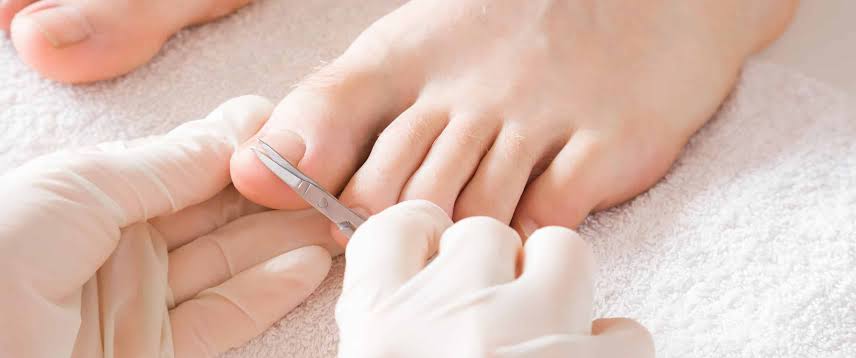
A fungal infection changes more than just the smell. Watch for these additional signs alongside the odor.
- Yellow, brown, or white discoloration of the nail
- Thickening or crumbling of the nail edge
- A nail that lifts away from the nail bed
- Itching, redness, or flaking skin near the cuticle
- A smell that returns quickly even after washing feet
Fungal infections rarely clear up on their own and often need an antifungal treatment recommended by a doctor or podiatrist.
How to Stop Toenail Odor: Step-by-Step
Most cases improve within one to two weeks of consistent care. Follow these steps daily.
- Wash feet every day with soap and water, focusing on the spaces around and under the nail edges.
- Dry feet completely, especially between the toes, before putting on socks.
- Trim nails straight across, not too short, and file any rough edges.
- Clean under the nail gently with a soft brush after trimming.
- Change socks daily and choose breathable, moisture-wicking materials.
- Rotate shoes so each pair has at least 24 hours to air out.
- Use an antifungal or antibacterial foot powder if sweating is frequent.
Best Practices for Nail Trimming
Good trimming technique reduces both odor and the risk of ingrown nails. A few habits make a real difference.
- Trim after a shower, when nails are softer and easier to cut cleanly.
- Use clean, sharp nail clippers dedicated to feet only.
- Cut straight across rather than rounding the corners.
- Avoid cutting nails too short, which exposes sensitive skin.
- Disinfect clippers after each use, especially if a fungal infection is suspected.
Mistakes That Make the Smell Worse
Some habits unintentionally trap more bacteria or worsen irritation. Avoid these common errors.
- Wearing the same pair of shoes every single day
- Skipping the areas between toes when drying feet
- Cutting nails at an angle instead of straight across
- Ignoring redness or swelling near the nail
- Using dull or shared nail clippers
When to See a Doctor or Podiatrist
Home care resolves most cases of toenail odor. But certain signs mean it’s time to get a professional opinion.
- The smell persists after two to three weeks of consistent hygiene
- The nail becomes thick, discolored, or starts to crumble
- There is pain, swelling, redness, or drainage
- You have diabetes or poor circulation, which raises infection risk
- Over-the-counter antifungal treatments show no improvement after several weeks
A podiatrist can confirm whether the cause is fungal, bacterial, or something else, and prescribe treatment that works faster than home remedies alone.
Key Takeaways
- Toenail odor when cutting nails is usually caused by bacteria breaking down trapped sweat, oils, and dead skin under the nail.
- A stronger, cheese-like smell paired with nail discoloration often points to a fungal infection instead.
- Daily washing, thorough drying, straight-across trimming, and breathable footwear resolve most cases within one to two weeks.
- Persistent odor with nail changes or skin irritation is a signal to see a podiatrist.

Frequently Asked Questions (FAQs)
Why do my toenails smell so bad when I cut them?
The smell comes from bacteria breaking down sweat, oils, and dead skin trapped under the nail. Cutting releases this trapped material into the air.
Is it normal for toenails to smell when trimmed?
Yes, a mild odor is common and usually harmless. It happens because feet spend most of the day in an enclosed, warm, and often sweaty environment.
How do I know if it’s bacteria or a fungal infection?
Bacterial odor is usually mild without nail changes. Fungal infections bring a stronger smell along with yellowing, thickening, or crumbling of the nail.
Can toenail fungus cause a bad smell?
Yes, fungus breaks down keratin in the nail and releases foul-smelling byproducts. It’s one of the most common causes of a strong, persistent odor.
Why does the smell get worse after I wear closed shoes all day?
Closed shoes trap heat and sweat, creating a moist environment where bacteria multiply faster. This buildup intensifies the smell when the nail is later trimmed.
Does cutting toenails too short cause odor?
Cutting too short can expose sensitive skin and increase the risk of ingrown nails. Both issues can trap moisture and worsen odor over time.
How often should I wash my feet to prevent smelly toenails?
Washing feet daily, including gently under the nail edges, is enough for most people. Drying feet completely afterward matters just as much as washing.
What is subungual debris?
Subungual debris is the buildup of dead skin cells, dirt, and natural oils that collects underneath the nail plate. It provides food for odor-causing bacteria.
Can sweaty feet alone cause smelly toenails?
Yes, excessive sweating, known as hyperhidrosis, creates the moist environment bacteria need to thrive. This can cause odor even without any infection.
Should I be worried if only one toenail smells?
A smell limited to one nail often points to a localized issue, such as an ingrown nail or early fungal infection. It’s worth monitoring closely or checking with a podiatrist.
What home remedies help with smelly toenails?
Daily washing, thorough drying, straight-across trimming, and breathable socks resolve most mild cases. Antifungal foot powder can help if sweating is frequent.
Can nail polish make toenail odor worse?
Nail polish can trap moisture underneath if applied to damp nails or left on too long without breaks. This creates a better environment for bacteria or fungus to grow.
How long does it take for toenail odor to go away?
With consistent hygiene, mild bacterial odor often improves within one to two weeks. Fungal infections usually take longer and may need antifungal treatment.
Is toenail odor contagious?
Bacterial odor itself isn’t contagious, but fungal infections can spread to other nails or people through shared shoes, socks, or nail tools. Avoid sharing clippers to reduce this risk.
What type of socks help prevent smelly toenails?
Moisture-wicking materials like merino wool or synthetic blends keep feet drier than cotton. Changing socks daily also limits bacterial buildup.
Can diabetes affect toenail odor and infections?
Yes, diabetes can reduce circulation and slow healing, making foot infections more likely and harder to treat. People with diabetes should see a podiatrist for persistent odor or nail changes.
Does soaking feet help with toenail smell?
A warm foot soak with mild soap can loosen debris and make nails easier to clean and trim. It’s a helpful addition to, not a replacement for, daily washing.
Why do my toenails smell worse in summer?
Warmer weather increases sweating, and closed shoes trap that extra moisture against the skin. This accelerates bacterial growth and intensifies odor.
Can trimming toenails too often cause problems?
Trimming too frequently, especially very short, can irritate the skin and raise the risk of ingrown nails. Trimming every few weeks, straight across, is usually enough.
When should I see a podiatrist about toenail odor?
See a podiatrist if the smell persists after two to three weeks of good hygiene, or if you notice discoloration, thickening, pain, or swelling. Early treatment prevents fungal infections from spreading.
Conclusion
A smell when cutting your toenails is almost always explained by bacteria breaking down trapped sweat, oils, and dead skin under the nail. Daily washing, thorough drying, and straight-across trimming clear up most cases within one to two weeks.
If the odor is unusually strong, paired with discoloration, thickening, or skin irritation, it’s worth ruling out a fungal infection with a podiatrist. Acting early keeps small issues from turning into longer-lasting nail problems.
