

If your provider handed you an aftercare sheet with “no caffeine” circled twice, you’re not imagining the emphasis.
It’s one of the most repeated — and least explained — rules in platelet-rich plasma (PRP) aftercare.
Why No Caffeine After PRP? Caffeine is a vasoconstrictor and mild stimulant that can narrow blood vessels, reduce blood flow to the treated area, and interfere with platelet function.
Since PRP depends on platelets aggregating, activating, and releasing growth factors to trigger repair, anything that blunts that process — including caffeine — can theoretically dull your results.
Most providers recommend avoiding caffeine for 24 to 72 hours before and after treatment, with some hair-restoration protocols extending the window to a full week.
What Is PRP and Why Does Caffeine Even Matter?
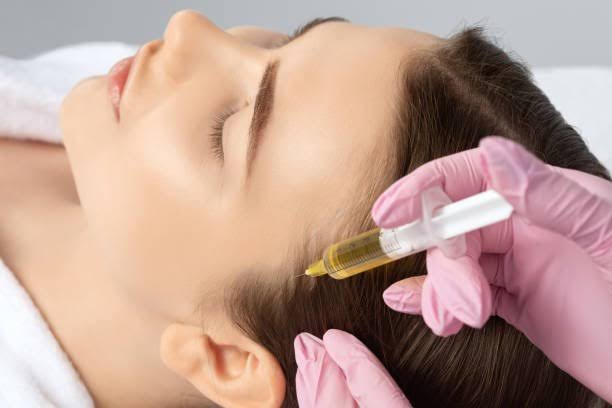
Platelet-rich plasma therapy uses your own blood to accelerate healing. A small blood sample is drawn, then spun in a centrifuge to separate and concentrate platelets — the blood cells responsible for clotting and releasing growth factors that drive tissue repair.
That concentrated plasma is then injected into the treatment area, whether that’s the scalp for hair restoration, joints for orthopedic repair, or skin for facial rejuvenation. The entire treatment hinges on two things happening correctly:
- Platelet activation — platelets need to “switch on” and release growth factors at the injection site.
- Adequate blood flow — those growth factors need circulation to reach and support the surrounding tissue.
Caffeine can interfere with both.
Why No Caffeine After PRP: The Four Main Reasons
1. Caffeine Constricts Blood Vessels
Caffeine is a vasoconstrictor, meaning it narrows blood vessels. Reduced circulation to the treatment area means less oxygen and fewer nutrients reaching the healing tissue, which can slow how effectively the released growth factors are distributed and absorbed.
2. Caffeine Can Affect Platelet Function
PRP works because platelets aggregate and activate on cue. Some research and clinical observation suggests caffeine may interfere with normal platelet aggregation, which is the opposite of what you want immediately after an injection designed to concentrate and activate platelets for healing.
3. Caffeine Can Influence Inflammation
PRP intentionally creates a controlled, localized inflammatory response — that’s the trigger for the body’s repair cascade. Caffeine’s stimulant effects can influence the release of certain inflammatory mediators, potentially amplifying discomfort, swelling, or bruising in the treated area during the sensitive early recovery window.
4. Caffeine Is Dehydrating
Caffeinated beverages have a mild diuretic effect. Hydration is directly tied to blood volume, and adequate blood volume supports oxygen and nutrient delivery to the healing site. Dehydration works against the recovery process at exactly the time your body needs the opposite.
Key takeaway: None of these effects are dramatic on their own, but together they can modestly blunt how well your body converts PRP into visible results — which is why most providers treat caffeine avoidance as a simple, low-cost way to protect your investment.
How Long Should You Avoid Caffeine After PRP?
Recommendations vary by provider and by the type of PRP treatment, but here’s how the guidance typically breaks down:
| Treatment Type | Typical Caffeine-Avoidance Window | Notes |
|---|---|---|
| PRP facial / skin rejuvenation | 48–72 hours before and after | Some clinics recommend a full 3 days on each side |
| PRP for hair restoration | 48 hours to 7 days after | Longer windows are common since results depend heavily on follicle-level inflammation |
| PRP for joints/orthopedic injections | 24–72 hours after | Often paired with a longer NSAID restriction (7–10 days) |
| Before your appointment | 24–72 hours prior | Some clinics ask patients to avoid caffeine before the blood draw itself |
Because these windows differ by clinic and treatment type, always follow the specific aftercare instructions your provider gives you — they’re tailored to the concentration of your PRP prep and the area being treated.
Is One Cup of Coffee Going to Ruin Your Results?
No single cup is likely to undo a PRP treatment. The concern is more about consistent, heavy caffeine intake dulling the overall healing environment during the critical first few days. If you slip up once, it’s not catastrophic — but sticking to the full recommended window gives your body the best possible conditions to convert the treatment into results.
What Else to Avoid After PRP (Not Just Caffeine)

Caffeine is rarely the only restriction. Most aftercare protocols also ask patients to avoid:
- NSAIDs (ibuprofen, aspirin, naproxen) — these directly suppress the inflammatory response PRP relies on, typically for 3–10 days
- Alcohol — increases bleeding risk, dehydration, and inflammation
- Smoking/nicotine — impairs healing and increases complication risk
- High-dose fish oil, turmeric, garlic, vitamin E — natural blood thinners that can increase bruising
- Strenuous exercise — usually restricted for 24–72 hours depending on treatment area
- Touching, rubbing, or applying makeup to the treated area in the first several hours
Pros and Cons of Strict Caffeine Avoidance
| Details | |
|---|---|
| Pros | Supports optimal platelet function, may reduce bruising/swelling, protects treatment ROI, low effort/no cost |
| Cons | Caffeine withdrawal headaches for regular drinkers, inconvenient for habitual coffee/tea drinkers, evidence is still more clinical-consensus than large-scale trial data |
What to Drink Instead
If cutting caffeine cold turkey feels rough, these substitutions keep you hydrated without working against your recovery:
- Herbal teas (chamomile, peppermint, ginger, rooibos)
- Fruit-infused water (lemon, cucumber, berries)
- Decaffeinated coffee or tea
- Sparkling water with citrus
Hydration itself is one of the most consistently recommended parts of PRP aftercare — most providers suggest 8–10 glasses of water daily during recovery, regardless of caffeine intake.
Expert Tips for Maximizing PRP Results
- Follow the full timeline, not just the caffeine rule. Caffeine restriction works best alongside NSAID avoidance, hydration, and rest — not as a standalone fix.
- Ask your provider for treatment-specific timing. Hair, joint, and facial PRP protocols differ, and your provider’s instructions override general guidance.
- Don’t restart caffeine “early” just because you feel fine. Discomfort isn’t always a reliable signal of internal healing progress.
- Track your intake, not just abstain in theory. Hidden caffeine sources (chocolate, some medications, energy drinks) are easy to overlook.
Common Mistakes to Avoid
- Assuming decaf is completely caffeine-free (it usually contains trace amounts, which is generally fine but worth knowing)
- Skipping the pre-treatment restriction and only focusing on aftercare
- Resuming NSAIDs for soreness instead of using acetaminophen, which doesn’t blunt the inflammatory response the same way
- Treating the caffeine rule as optional because “it’s just coffee”

Frequently Asked Questions (FAQs)
1. Why no caffeine after PRP?
Caffeine can constrict blood vessels, affect platelet function, influence inflammation, and cause mild dehydration — all of which can interfere with how effectively your body uses the platelets and growth factors from PRP.
2. How long after PRP can I drink coffee?
Most providers recommend waiting 48–72 hours, though some hair restoration protocols extend this to a full week. Always confirm with your specific provider.
3. Can I drink caffeine before my PRP appointment?
Many clinics ask patients to avoid caffeine for 24–72 hours before the procedure, since it may affect platelet quality during the blood draw.
4. What happens if I accidentally drink coffee after PRP?
One instance is unlikely to ruin your results. The concern is more about consistent caffeine intake during the critical early recovery window.
5. Is caffeine worse than alcohol for PRP recovery?
Both are typically restricted for similar reasons — reduced platelet function, dehydration, and interference with the inflammatory healing response. Providers usually restrict both for a similar timeframe.
6. Can I drink decaf coffee after PRP?
Yes, decaf is generally considered a safe substitute since it contains minimal caffeine.
7. Does caffeine affect PRP for hair loss differently than PRP for skin?
Hair restoration protocols often use longer caffeine-avoidance windows (up to a week) because results depend heavily on follicle-level inflammation and blood flow over a longer healing period.
8. Why does PRP aftercare avoid anti-inflammatory foods and NSAIDs?
PRP intentionally triggers a controlled inflammatory response to stimulate healing. Anti-inflammatories and NSAIDs can blunt that response and reduce effectiveness.
9. Can I have energy drinks instead of coffee after PRP?
No — energy drinks typically contain caffeine (often more than coffee) and should be avoided during the same recovery window.
10. Does green tea count as caffeine to avoid?
Yes, green tea contains caffeine and should generally be avoided or limited during the recommended window, though typically less than coffee.
11. What foods should I avoid alongside caffeine after PRP?
Alcohol, processed sugars, fried foods, and high-dose natural blood thinners like turmeric, garlic, and fish oil are commonly restricted alongside caffeine.
12. How much water should I drink after PRP instead of caffeinated drinks?
Most providers recommend 8–10 glasses of water daily during the recovery window to support hydration and healing.
13. Will skipping caffeine actually improve my PRP results?
It’s considered a supportive, low-risk step that helps protect optimal platelet function and circulation, though individual results still depend on many factors, including provider technique and overall health.
14. Can I take a pain reliever if I have a caffeine-withdrawal headache after PRP?
Acetaminophen (Tylenol) is generally considered the safer option after PRP, since NSAIDs can interfere with the treatment’s inflammatory mechanism. Confirm with your provider first.
15. Does the caffeine restriction apply to chocolate too?
Chocolate contains caffeine, though typically in smaller amounts than coffee or tea. Most providers don’t flag it as a major concern, but it’s worth limiting during strict recovery windows.
16. Is the “no caffeine” rule backed by strong clinical research?
The rule is widely recommended across clinics and is grounded in caffeine’s known vasoconstrictive and mild anti-platelet effects, but large-scale clinical trials specifically isolating caffeine’s impact on PRP outcomes are still limited. Providers apply it as a precautionary best practice.
17. Can I resume caffeine gradually instead of all at once?
Yes — once your provider’s recommended window has passed, there’s typically no need to reintroduce caffeine gradually; you can resume your normal intake unless told otherwise.
Conclusion
The “no caffeine after PRP” rule isn’t arbitrary — it’s a precaution built around how caffeine affects blood vessels, platelet activity, inflammation, and hydration, all of which play a direct role in how well your body responds to treatment.
For most people, the fix is simple: swap coffee for herbal tea or decaf for a few days, stay hydrated, and follow your provider’s exact timeline. It’s a small, temporary trade-off for protecting the results you’re paying for.
