

Why does my toe feel numb — this is one of the most common questions people ask when a strange tingling or “asleep” feeling won’t go away.
Toe numbness can happen for something as simple as tight shoes, or it can be your body’s way of signaling a nerve or circulation problem.
Most cases are harmless and fade within minutes once pressure is relieved. But when numbness lingers, spreads, or keeps coming back, it deserves a closer look.
Quick Answer: Why Your Toe Feels Numb
In most cases, a numb toe happens because a nerve is being pinched or blood flow is temporarily reduced. Tight shoes, crossed legs, cold weather, or sitting too long are the usual culprits.
If numbness is constant, spreads to both feet, or comes with pain and weakness, it may point to nerve damage, diabetes, or a circulation disorder that needs medical attention.
What Does Toe Numbness Actually Feel Like?

Toe numbness is usually described as a loss of feeling, tingling, or a “pins and needles” sensation in one or more toes.
Some people also notice burning, coldness, or a heavy, wooden feeling in the toe that makes walking feel strange.
These sensations happen when the nerves that carry feeling from your toes to your brain get blocked, compressed, or damaged along the way.
Common Causes of a Numb Toe
There are dozens of reasons a toe can go numb, ranging from everyday habits to underlying medical conditions. Below are the most frequent causes doctors and podiatrists point to.
1. Tight or Ill-Fitting Shoes
Shoes that are too narrow or too tight squeeze the nerves and blood vessels in your toes.
This nerve compression is one of the single most common reasons for toe numbness, especially after long walks or workdays.
Switching to a wider toe box or a half-size larger shoe often resolves the issue within days.
2. Sitting or Standing Too Long
Staying in one position for hours reduces blood flow to your feet and puts steady pressure on foot nerves.
This is why your toes can feel numb after a long flight, a desk-bound workday, or sitting cross-legged for too long.
Standing up and shaking out your feet every 30–45 minutes helps prevent this type of numbness.
3. Cold Weather Exposure
Cold temperatures cause blood vessels in the toes to narrow, reducing circulation and triggering numbness.
If your feet get wet in cold weather, the numbness can happen faster and feel more intense.
Warming up gradually indoors usually restores feeling, but numbness that doesn’t improve could signal frostbite.
4. Peripheral Neuropathy
Peripheral neuropathy is nerve damage that disrupts communication between your feet and your brain.
Because toes are the farthest point from the spinal cord, they are especially vulnerable to this type of nerve damage.
Common triggers include diabetes, alcohol use, certain medications, and vitamin deficiencies.
5. Diabetic Neuropathy
Diabetic neuropathy is a specific type of peripheral neuropathy caused by long-term high blood sugar damaging nerves.
It usually starts in the toes and spreads upward in a symmetrical “stocking” pattern affecting both feet.
Because sensation fades gradually, people with diabetes should check their feet daily for cuts or sores they cannot feel.
6. Morton’s Neuroma
Morton’s neuroma is a thickening of tissue around a nerve, most often between the third and fourth toes.
It causes a burning sensation, numbness, and a feeling like there’s a pebble stuck inside your shoe.
Tight, narrow, or high-heeled shoes tend to make Morton’s neuroma symptoms noticeably worse.
7. Poor Circulation and Peripheral Artery Disease
When blood flow to the feet is restricted, toes can feel numb, cold, or even change color.
Peripheral artery disease (PAD) narrows the arteries that supply the legs and feet, reducing oxygen delivery to toe tissue.
Smoking, high cholesterol, and high blood pressure all increase the risk of circulation-related toe numbness.
8. Vitamin B12 Deficiency
Vitamin B12 is essential for maintaining healthy nerve function throughout the body.
A long-term deficiency can lead to peripheral neuropathy, causing numbness and tingling that often starts in the toes.
This cause is especially common in older adults and people following strict vegan or vegetarian diets.
9. Tarsal Tunnel Syndrome
Tarsal tunnel syndrome happens when the posterior tibial nerve gets compressed inside a narrow tunnel near the inner ankle.
This compression can radiate numbness and tingling down into the toes and the sole of the foot.
It often worsens with standing, walking, or wearing shoes that put pressure on the inner ankle.
10. Herniated Disc or Spinal Issues
Nerve compression doesn’t always start in the foot — a herniated disc in the lower spine can pinch nerves that travel down to the toes.
This can cause numbness, tingling, or weakness that follows a specific nerve pathway (called a dermatome).
Back pain combined with toe numbness is a strong clue that the spine, not the foot, is the source.
11. Bunions and Structural Foot Problems
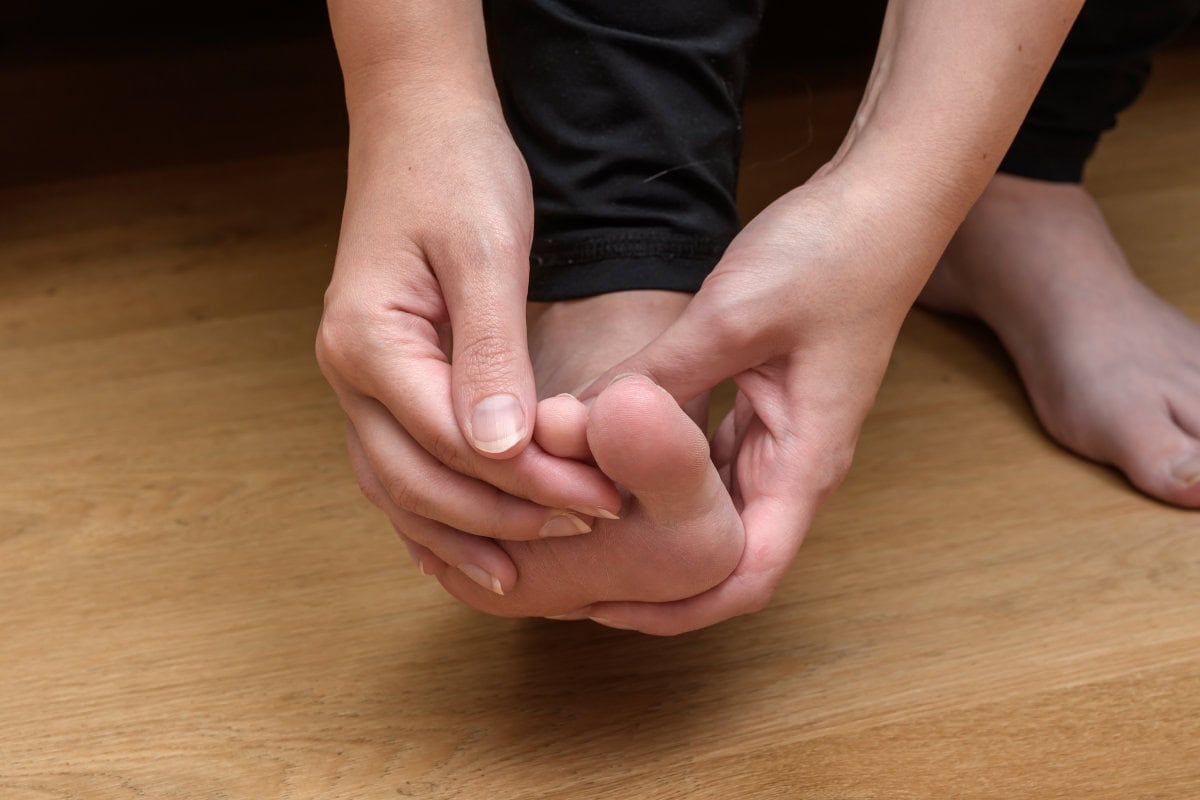
A bunion is a bony bump that forms at the base of the big toe and can press directly on nearby nerves.
Fallen arches or flat feet can also compress nerves under sustained pressure and weight-bearing load.
Both conditions often cause numbness that’s localized to the big toe or the ball of the foot.
12. Raynaud’s Phenomenon
Raynaud’s phenomenon causes small arteries in the toes to spasm, sharply cutting off blood flow.
This typically happens in response to cold temperatures or emotional stress, and toes may turn white or blue before feeling numb.
Feeling usually returns once circulation is restored, though episodes can be uncomfortable and recurring.
13. Frostbite
Frostbite occurs when skin and underlying tissue freeze after prolonged exposure to extreme cold.
Numbness is often the first warning sign, followed by pale or waxy-looking skin.
Frostbite is a medical emergency and requires prompt care to prevent permanent tissue damage.
Causes of Numb Toe at a Glance
| Cause | Type | Usually Affects | Typical Trigger |
|---|---|---|---|
| Tight shoes | Mechanical | One or both feet | Footwear pressure |
| Prolonged sitting | Mechanical | Either foot | Extended position |
| Cold exposure | Vascular | Toes, feet | Low temperature |
| Peripheral neuropathy | Nerve | Both feet | Diabetes, deficiency, toxins |
| Morton’s neuroma | Nerve | 3rd–4th toe | Narrow shoes |
| Peripheral artery disease | Vascular | Both feet | Smoking, cholesterol |
| Vitamin B12 deficiency | Nerve | Both feet | Diet, absorption issues |
| Tarsal tunnel syndrome | Nerve | One foot | Ankle compression |
| Herniated disc | Nerve (spinal) | One leg/foot | Spine compression |
| Raynaud’s phenomenon | Vascular | Toes | Cold, stress |
When Numb Toes Are a Medical Emergency
Most numb toes are not dangerous, but certain warning signs mean you should seek care immediately.
Get emergency help if numbness comes with facial drooping, sudden weakness, slurred speech, or numbness spreading rapidly through the body.
These can be signs of a stroke or another serious neurological event that requires urgent treatment.
Red Flags That Need a Doctor’s Visit
Seek prompt (non-emergency) medical care if numbness lasts more than a few days without an obvious cause like tight shoes.
Also see a doctor if numbness is paired with persistent pain, color changes in the skin, or an open wound you cannot feel.
People with diabetes should never ignore new numbness, since it raises the risk of undetected foot injuries and infections.
Is Toe Numbness Contagious or Genetic?
Toe numbness itself is not contagious, but some underlying causes, like diabetes or Raynaud’s phenomenon, can have a genetic component.
If close family members have nerve or circulation conditions, mentioning this history to your doctor can help guide testing.
How Toe Numbness Is Diagnosed
A doctor or podiatrist typically starts with a physical exam, checking reflexes, pulses, and sensation in your feet and toes.
They may order blood tests to check blood sugar, vitamin B12 levels, and markers for thyroid or autoimmune conditions.
Nerve conduction studies or imaging like an MRI can help pinpoint compression from the spine, ankle, or ball of the foot.
Vascular tests, such as an ankle-brachial index, are used when poor circulation or peripheral artery disease is suspected.
Treatment Options for Numb Toes

Treatment always depends on the underlying cause, so an accurate diagnosis is the first step toward real relief.
| Cause | Common Treatment |
|---|---|
| Tight shoes | Switch to wider, properly fitted footwear |
| Peripheral neuropathy | Manage underlying condition, medication, physical therapy |
| Morton’s neuroma | Padding, orthotics, steroid injection, or surgery |
| Vitamin B12 deficiency | Supplements or dietary changes |
| Tarsal tunnel syndrome | Rest, orthotics, anti-inflammatory medication, surgery if severe |
| Peripheral artery disease | Lifestyle changes, medication, vascular procedures |
| Raynaud’s phenomenon | Keeping feet warm, avoiding triggers, medication if severe |
Medical Treatments
For nerve-related numbness, doctors may prescribe medications that reduce nerve pain and improve signal function.
Physical therapy can help with tarsal tunnel syndrome or spinal nerve compression by relieving pressure on affected nerves.
In more severe or structural cases, such as advanced Morton’s neuroma or a herniated disc, surgery may be recommended.
Orthotics and Supportive Devices
Custom or over-the-counter orthotic inserts can redistribute pressure away from compressed nerves in the ball of the foot.
Padded metatarsal pads are especially helpful for Morton’s neuroma and general forefoot nerve compression.
Compression socks may improve circulation for people dealing with vascular-related numbness, though they should be fitted correctly.
At-Home Remedies
Changing to shoes with a roomier toe box is often the fastest fix for mechanical numbness.
Gently massaging the foot and wiggling your toes can help restore circulation after sitting or standing too long.
Warm foot soaks improve blood flow, while elevating your feet can relieve pressure-related numbness at the end of the day.
Stretching your calves and feet regularly helps prevent nerve compression from tight muscles and poor foot mechanics.
How to Prevent Numb Toes
Prevention largely comes down to protecting your feet’s nerves and circulation through daily habits.
Choose the Right Footwear
Always leave about a thumb’s width of space between your longest toe and the front of the shoe.
Replace walking or running shoes every 300–500 miles, since worn-out cushioning increases pressure on the toes.
Manage Underlying Health Conditions
Keeping blood sugar levels controlled is one of the most effective ways to prevent diabetic neuropathy in the toes.
Regular checkups can catch vitamin deficiencies or circulation issues early, before permanent nerve damage develops.
Improve Circulation Daily
Take short walking breaks every 30–45 minutes if you sit for long stretches during the day.
Avoid crossing your legs for extended periods, since this position compresses nerves and reduces blood flow to the feet.
Protect Feet From Cold
Wear moisture-wicking socks and insulated, waterproof footwear when spending time outdoors in cold weather.
Change out of wet socks and shoes as soon as possible to lower the risk of frostbite and cold-related numbness.
Numb Toes During Exercise or Running
Runners and hikers often notice their toes go numb midway through longer sessions, especially in tight athletic shoes.
Repetitive impact and swelling inside a snug shoe can compress the small nerves running between the toes.
Loosening the laces across the midfoot and choosing shoes with a wider toe box usually solves exercise-related numbness.
Numb Toes During Pregnancy

Pregnancy can cause toe and foot numbness due to fluid retention, weight gain, and added pressure on nerves.
Swelling around the ankles can compress the same nerve pathways involved in tarsal tunnel syndrome, leading to tingling toes.
This usually improves after delivery, but persistent or severe numbness during pregnancy should still be mentioned to a doctor.
Numb Toes in Older Adults
Age-related nerve changes, reduced circulation, and a higher likelihood of chronic conditions make numb toes more common in older adults.
Conditions like diabetes, arthritis, and peripheral artery disease become more prevalent with age and often present first as toe numbness.
Regular foot checks become especially important for older adults, since reduced sensation can hide injuries or early skin problems.
Simple Exercises to Relieve Numb Toes
Toe curls, where you scrunch a towel with your toes, help stimulate circulation and strengthen small foot muscles.
Ankle circles and calf stretches loosen tight muscles that may be compressing nerves along the lower leg.
Walking barefoot on safe, soft surfaces for a few minutes a day can also improve foot nerve sensitivity over time.
Foods That Support Healthy Nerves
A diet rich in vitamin B12, found in eggs, fish, and dairy, helps maintain healthy nerve signaling in the feet.
Foods high in antioxidants, like leafy greens and berries, may help protect nerves from oxidative damage over time.
Limiting alcohol and managing blood sugar through balanced meals also reduces the risk of nerve-related toe numbness.
Common Myths About Numb Toes
Myth: numb toes always mean something serious. In reality, most cases come from simple, temporary pressure or cold exposure.
Myth: only older adults get numb toes. Athletes, pregnant women, and people who sit at desks all day experience it too.
Myth: numbness that goes away on its own never needs attention. Recurring episodes still deserve a conversation with a doctor.
Numb Toe vs. Tingling Toe: What’s the Difference?
Numbness means a partial or complete loss of feeling, while tingling is often described as pins and needles.
Both sensations can occur together and share many of the same causes, including nerve compression and poor circulation.
Tingling that turns into constant numbness is generally a sign the nerve issue is becoming more significant.
Best Footwear Habits to Avoid Numb Toes
Rotate between two or three pairs of shoes so no single pair breaks down and loses support too quickly.
Avoid wearing high heels or pointed-toe shoes for extended periods, since they push toes together and compress nerves.
Try on new shoes later in the day when feet are naturally slightly swollen, so the fit stays comfortable all day.
Socks matter too — tight elastic bands around the ankle can restrict circulation and contribute to toe numbness over time.
What Happens at a Doctor’s Visit for Numb Toes
Expect the doctor to ask when the numbness started, which toes are affected, and whether it comes and goes.
They will likely test reflexes, check pulses in your feet, and use a light touch or pin-prick test to map sensation loss.
Based on findings, they may refer you to a podiatrist, neurologist, or vascular specialist for further evaluation and treatment.
Bringing a simple symptom log — noting when numbness happens and what seems to trigger it — can speed up diagnosis significantly.
Which Toe Is Numb? Does It Matter?
Big toe numbness often points to bunions, gout, or nerve compression near the spine.
Numbness between the third and fourth toes strongly suggests Morton’s neuroma rather than a systemic nerve condition.
Numbness affecting all toes on both feet is more typical of peripheral neuropathy or a vitamin deficiency.
Numb Toes and Skin Color Changes
Pale, blue, or dusky toes alongside numbness usually point to a circulation problem rather than a purely nerve-related cause.
Bright red or unusually warm toes with numbness can sometimes indicate inflammation or an infection that needs prompt attention.
Any sudden color change paired with numbness, especially in one foot only, should be evaluated by a doctor quickly.
Frequently Asked Questions (FAQs)
Why does my toe feel numb for no reason?
It’s usually nerve compression from shoes, sitting position, or cold exposure. If it persists without a clear cause, get it checked.
Is a numb toe a sign of diabetes?
It can be. Diabetic neuropathy often starts with numbness or tingling in the toes before spreading further.
Can anxiety cause numb toes?
Yes, stress and anxiety can trigger reduced blood flow, leading to temporary tingling or numbness in the toes.
How long does toe numbness usually last?
Mechanical numbness from shoes or sitting fades in minutes. Nerve-related numbness can last hours, days, or become chronic.
Should I worry if only my big toe is numb?
Not always, but persistent big toe numbness can signal a bunion, gout, or a pinched nerve near the spine.
Can dehydration cause toe numbness?
Severe dehydration can affect circulation and nerve function, occasionally contributing to tingling or numbness in the extremities.
When should I see a doctor for numb toes?
See a doctor if numbness lasts more than a few days, worsens, or comes with pain, weakness, or color changes.
Can poor posture cause toe numbness?
Yes, sitting or standing with poor posture can compress nerves in the lower back, hips, or legs, leading to numb toes.
Is toe numbness reversible?
Mechanical and circulation-related numbness is usually reversible. Nerve damage from long-term conditions may only partially improve.
What vitamin deficiency causes numb toes?
Vitamin B12 deficiency is the most common nutritional cause, along with lower vitamin B1 and B6 levels in some cases.
Conclusion
A numb toe is usually nothing serious — tight shoes, cold weather, or sitting too long are the most common explanations, and feeling typically returns once the pressure is relieved.
However, numbness that lingers, spreads, or comes with pain, weakness, or color changes can signal nerve damage, diabetes, poor circulation, or a spinal issue that needs medical attention.
Paying attention to which toe is affected, how long the numbness lasts, and any accompanying symptoms can help you and your doctor pinpoint the cause faster.
Simple prevention steps — better-fitting shoes, regular movement, and managing underlying health conditions — go a long way toward keeping your toes healthy.
If numbness becomes frequent or severe, don’t wait; a podiatrist or doctor can diagnose the root cause and get you on the right treatment path before it becomes a bigger problem.
