

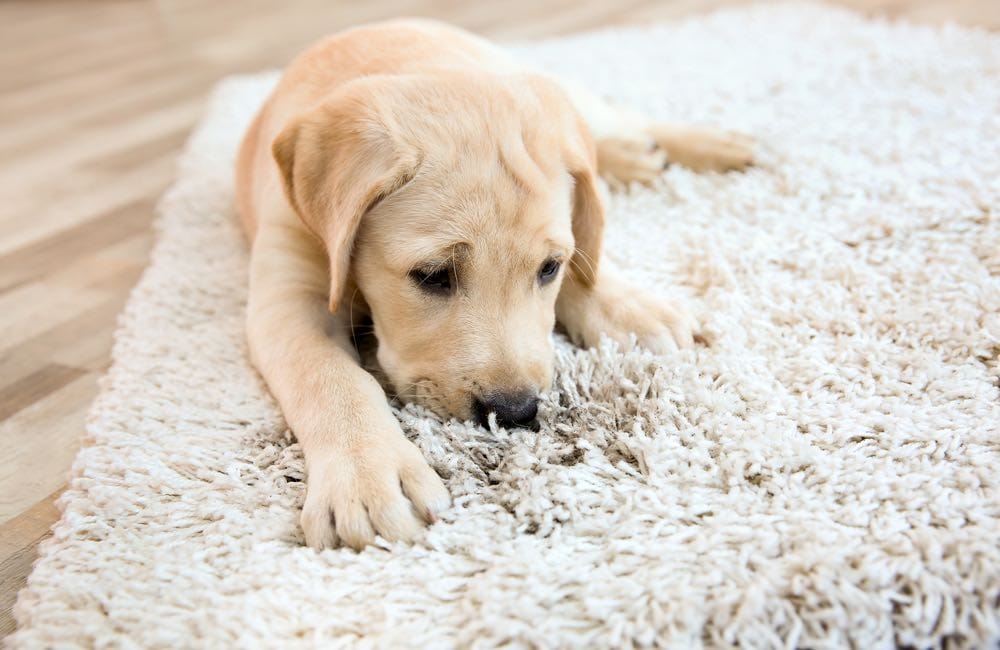
Why does my dog lick the carpet? In most cases it starts as simple curiosity, but if the habit becomes frequent or hard to interrupt, it can point to boredom, anxiety, dental pain, or a gastrointestinal problem.
Vets even have a clinical name for the repetitive version of this habit: Excessive Licking of Surfaces, or ELS.
Quick Answer: Why Does My Dog Lick the Carpet?

Dogs lick carpets for a mix of instinct, emotion, and physical health reasons. The most common triggers are leftover food smells, boredom, stress, attention-seeking, and stomach discomfort.
In more serious cases, carpet licking is linked to a condition vets call excessive licking of surfaces, which researchers have connected to gastrointestinal disease in a large share of affected dogs.
If the licking is occasional and stops when you redirect your dog, it is usually nothing to worry about. If it is constant, trance-like, or paired with other symptoms, it deserves closer attention.
Is Carpet Licking Normal or a Red Flag?
A dog giving the carpet a quick lick after a spilled snack is completely normal behavior. Dogs explore the world with their nose and tongue, so an occasional taste test is not unusual.
The concern starts when licking becomes repetitive, happens daily, or your dog seems unable to stop even when distracted. This pattern is what separates casual curiosity from a behavioral or medical issue.
Watching for accompanying signs like vomiting, weight loss, or drooling helps you judge how urgent the behavior really is.
What Is Excessive Licking of Surfaces (ELS)?
Excessive Licking of Surfaces, or ELS, describes licking of carpets, floors, walls, or furniture that goes beyond normal exploration in frequency, duration, or intensity.
ELS was once thought to be a pure behavioral quirk, similar to a nervous habit. Newer veterinary research suggests it is far more often tied to an underlying physical cause, especially digestive problems.
Because ELS is considered a nonspecific symptom, it can be triggered by several very different conditions, which is why proper diagnosis matters.
| Term | Meaning |
|---|---|
| ELS | Excessive Licking of Surfaces; repetitive licking of carpet, floor, walls, or furniture |
| Pica | Craving or eating non-food items such as fabric, rocks, or carpet fibers |
| Acral lick dermatitis | Compulsive licking of the paws or skin, a related but separate condition |
Common Causes of Carpet Licking in Dogs
There is rarely a single explanation for carpet licking. It can come from instinct, emotion, diet, or an underlying illness, so it helps to look at each cause individually.
Below are the most frequently documented reasons dogs lick carpets, based on veterinary research and canine behavior experts.
Curiosity and Exploration
Dogs experience much of their environment through taste and smell. A new rug, a recent spill, or an unfamiliar scent can be enough to trigger a quick investigative lick.
This type of licking is brief, inconsistent, and easily interrupted, which is what makes it different from a compulsive pattern.
Food Residue and Smells
Dropped crumbs, spilled sauce, or juice stains soak into carpet fibers and can stay detectable to a dog’s nose long after you have cleaned the spot.
Dogs with a strong food drive may return to the same patch of carpet repeatedly, chasing a smell that humans can no longer notice.
Boredom and Lack of Stimulation
High-energy dogs that do not get enough exercise or mental enrichment often invent their own activities, and carpet licking can become one of them.
Puzzle toys, daily walks, and training sessions are simple ways to reduce boredom-driven licking before it becomes a habit.
Stress and Anxiety
Just like humans bite their nails under stress, dogs can develop repetitive licking as a self-soothing behavior during anxious moments.
This licking often targets the same object or location every time and tends to increase around triggers like thunderstorms, separation, or changes in routine.
Attention-Seeking Behavior
If a dog has learned that licking the carpet gets you to rush over, talk to them, or pick them up, they may repeat the behavior simply to get your reaction.
Even scolding counts as attention in a dog’s mind, so an owner’s response can accidentally reinforce the habit.
Nutritional Deficiencies
Dogs missing key nutrients or minerals in their diet sometimes seek out unusual textures and tastes in an attempt to fill that gap.
Switching to a complete, balanced diet and discussing supplements with your vet can help rule this cause in or out.
Nausea and Gastrointestinal Issues
A well-documented link exists between stomach trouble and excessive surface licking. Dogs with gastritis, acid reflux, or nausea may lick surfaces to relieve discomfort, sometimes right before or after vomiting.
If licking happens around mealtimes or comes with burping, gulping, or grass-eating, a stomach issue is a likely culprit.
Dental Pain and Oral Discomfort
Gum disease, loose teeth, or a mouth injury can cause pain that leads a dog to lick surfaces as a coping mechanism.
Watch for bad breath, pawing at the mouth, or reduced appetite alongside the licking, since these often point toward a dental problem.
Pica
Pica is a medical condition that drives dogs to seek out and sometimes eat non-food items, including carpet fibers, socks, or rocks.
Pica can stem from illness, nutritional gaps, or a mental health factor such as boredom or anxiety, and it carries a real risk of intestinal blockage.
Canine Cognitive Dysfunction (CCD)
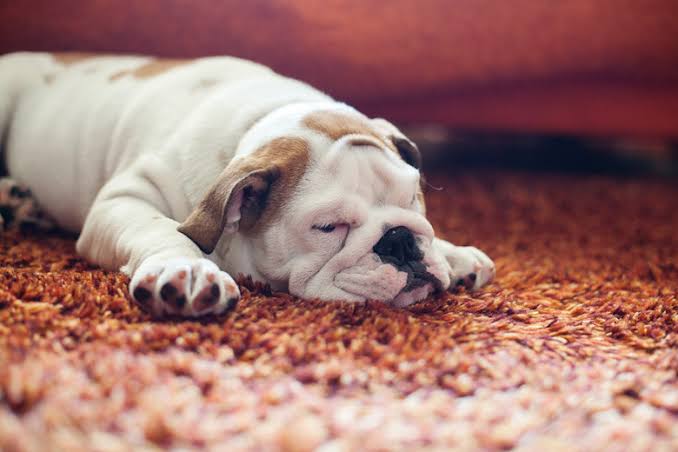
Often described as dementia in dogs, CCD leads to reduced alertness and awareness, and excessive licking is one of its recognized symptoms.
Senior dogs that suddenly start licking carpets without an obvious trigger may be showing early signs of cognitive decline.
Neurological Issues
Less commonly, repetitive licking has been linked to neurological conditions such as partial seizures or, in rare cases, structural problems in the brain.
This type of licking often looks trance-like and can be difficult to interrupt with normal distractions.
Toxin or Chemical Exposure
Carpet cleaning products or residue can taste appealing to some dogs, but exposure may cause nausea, which in turn drives more licking.
If you suspect your dog ingested a toxic substance, contact your veterinarian or an animal poison control hotline right away.
The University of Montreal Study on ELS
A veterinary study at the University of Montreal Veterinary Teaching Hospital examined dogs with excessive licking of surfaces compared with healthy dogs.
The findings gave real weight to the idea that carpet licking is often a physical issue rather than a pure behavior problem.
| Study Detail | Result |
|---|---|
| Total dogs studied | 29 (19 with ELS, 10 healthy controls) |
| ELS dogs with GI problems | 14 out of 19 (about 74 percent) |
| Healthy dogs with GI problems | 3 out of 10 (about 30 percent) |
| Conditions found | Irritable bowel disease, parasites, pancreatitis, delayed gastric emptying |
| Follow-up period | 90 days after GI treatment |
| Dogs with reduced licking after treatment | 10 out of 14 treated dogs |
After treatment for their stomach issues, most of the dogs in the study showed a meaningful drop in licking behavior within the follow-up period.
This is one of the strongest pieces of evidence linking chronic carpet licking to digestive health rather than simple habit.
Symptoms to Watch Alongside Carpet Licking
Carpet licking rarely tells the whole story on its own. The symptoms that show up with it are usually what help you and your vet figure out the real cause.
Keeping a short log of when the licking happens and what else you notice can make your vet visit far more productive.
| Symptom Seen With Licking | Possible Cause |
|---|---|
| Vomiting or gagging | Gastrointestinal disease, nausea |
| Drooling more than usual | Dental pain, nausea, toxin exposure |
| Loss of appetite | GI disease, dental pain, illness |
| Weight loss | Chronic GI issues, parasites, pica |
| Grass eating outdoors | Stomach upset |
| Pawing at the mouth | Dental or oral pain |
| Confusion or disorientation | Cognitive dysfunction in senior dogs |
| Licking only during storms or alone time | Anxiety or stress |
When Carpet Licking Becomes a Medical Emergency
Dogs that lick carpet fibers excessively can accidentally swallow strands of fiber, which may lead to an intestinal obstruction over time.
An obstruction is a genuine medical emergency and can require surgery, so persistent fiber-eating behavior should never be brushed off as just a quirk.
Signs of a possible obstruction include repeated vomiting, a swollen or painful abdomen, lethargy, and an inability to keep food or water down.
If you notice any of these signs, treat it as urgent and contact your veterinarian or an emergency animal hospital immediately.
How Vets Diagnose the Cause of Carpet Licking
Because ELS can stem from so many different causes, vets typically start with a full physical exam and a detailed history of when the licking occurs.
Bloodwork, abdominal imaging, and sometimes an oral exam under anesthesia help rule out gastrointestinal disease, dental problems, and other underlying conditions.
In dogs where a GI cause is suspected, an endoscopy or biopsy may be recommended to look directly at the stomach and intestinal lining.
Neurological testing is sometimes added for older dogs or cases where the licking looks trance-like or is paired with other unusual behaviors.
How to Stop Your Dog From Licking the Carpet
Once medical causes have been ruled out or treated, most carpet licking responds well to consistent behavioral changes at home.
The goal is to remove the trigger, redirect the behavior, and give your dog a healthier outlet for the same underlying need.
Increase Physical Exercise
A tired dog has far less energy left over for repetitive habits like carpet licking. Daily walks, fetch sessions, or off-leash time can make a noticeable difference within a couple of weeks.
Add Mental Enrichment
Puzzle feeders, snuffle mats, and short training sessions give your dog a job to do, which reduces boredom-driven licking significantly.
Clean Spills Thoroughly
Food and drink residue is one of the easiest triggers to remove. Cleaning spots quickly with a pet-safe cleaner prevents your dog from returning to the same spot.
Avoid Reinforcing the Behavior
If your dog licks for attention, calmly walk away instead of reacting. Save praise and attention for calm, non-licking behavior instead.
Offer a Substitute Outlet
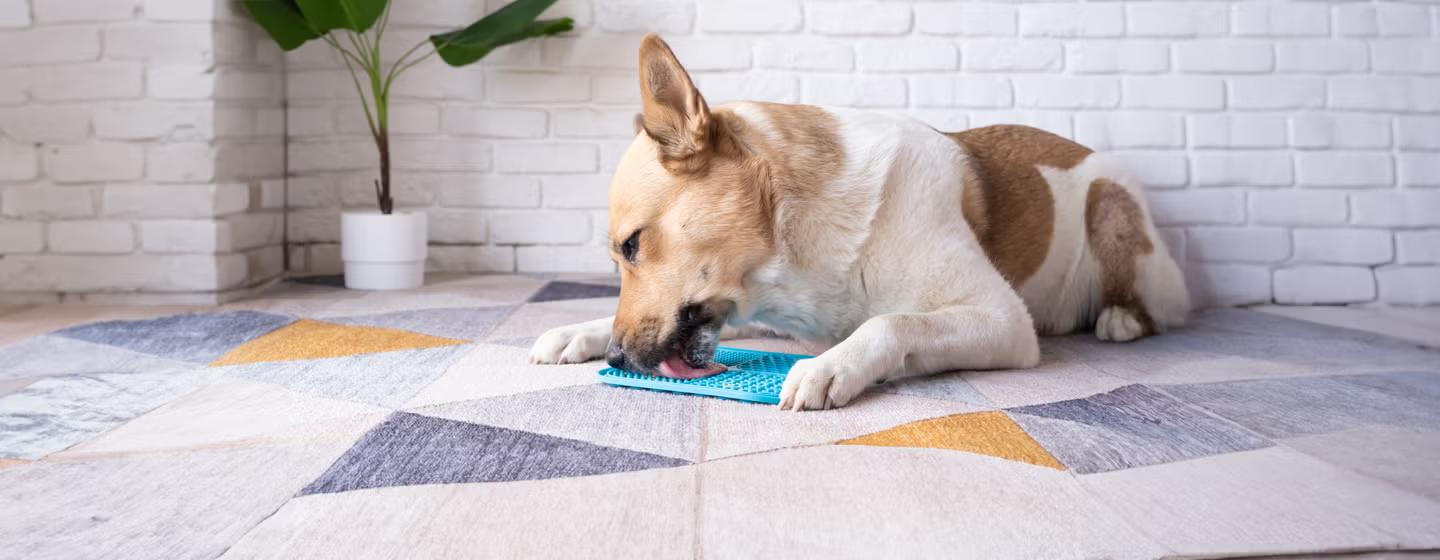
A frozen puzzle toy filled with wet food or plain peanut butter gives your dog something appropriate to lick instead of the carpet.
Review the Diet
Switching to a complete and balanced food, and discussing supplements with your vet, can help address licking linked to nutritional gaps.
Manage Anxiety Triggers
Identifying what causes stress, whether it is being left alone or loud noises, allows you to work on desensitization or ask your vet about anxiety support.
Home Remedies and Behavioral Fixes
Some owners have success with simple environmental changes, such as blocking access to a specific room where licking tends to happen most.
Using baby gates or closing doors during unsupervised time can prevent the habit from becoming a daily routine while you work on the root cause.
Consistency matters more than any single trick. Dogs are creatures of habit, so a predictable daily routine helps reduce anxiety-driven licking over time.
When to See a Veterinarian
You should schedule a vet visit if the licking is frequent, hard to interrupt, or paired with any of the warning symptoms listed earlier in this guide.
A trip to the vet is also worthwhile any time a new behavior appears suddenly in an older dog, since this can signal an underlying illness.
Early diagnosis genuinely matters here, since many of the gastrointestinal causes behind ELS respond well to prompt treatment.
Prevention Tips
Keeping your dog on a regular feeding, exercise, and enrichment schedule goes a long way toward preventing carpet licking before it starts.
Routine vet checkups can catch dental disease or digestive issues early, often before they progress to the point of triggering compulsive licking.
Vacuuming and spot-cleaning carpets regularly removes food odors that might otherwise tempt your dog toward the same problem spots.
Related Behaviors: Licking Floor, Furniture, Walls
Carpet licking is really just one form of a broader behavior vets call excessive licking of surfaces. The same dog may also lick hardwood floors, walls, or furniture depending on what smells or textures are available.
The causes and warning signs overlap almost completely across these surfaces, so the advice in this guide applies whether your dog targets the carpet, the couch, or the kitchen floor.
Myths vs Facts About Carpet Licking
There is a lot of conflicting advice online about why dogs lick carpets, so it helps to separate common myths from what veterinary research actually supports.
| Myth | Fact |
|---|---|
| Licking is always a bad habit with no real cause | Research shows a large share of chronic cases link to gastrointestinal disease |
| Only anxious dogs lick surfaces | Diet, boredom, dental pain, and illness can all trigger the same behavior |
| Scolding will stop the licking | Scolding can reinforce attention-seeking licking or increase anxiety-driven licking |
| Carpet licking is harmless in every case | Swallowed fibers can cause a genuine intestinal obstruction |
| Only puppies lick carpets out of curiosity | Adult and senior dogs develop the habit too, often for different reasons |
Which Dogs Are More Prone to Carpet Licking?
Any dog can develop this habit, but certain groups show it more often. High-energy working breeds left without enough exercise are frequent candidates, since boredom is such a common trigger.
Dogs with a documented history of anxiety, past digestive issues, or food sensitivities also tend to show ELS more often than dogs without those histories.
Senior dogs are worth watching closely too, since a new licking habit later in life can be an early sign of cognitive decline rather than a simple behavioral quirk.
Products and Tools That Can Help
A few simple tools can support the behavioral fixes covered earlier in this guide, especially for dogs that lick out of boredom or as a self-soothing habit.
| Tool | How It Helps |
|---|---|
| Snuffle mat | Satisfies foraging instinct and reduces boredom licking |
| Frozen food puzzle toy | Gives a safe, appropriate outlet for licking |
| Enzymatic carpet cleaner | Removes food odors that attract repeat licking |
| Interactive treat dispenser | Adds mental stimulation during alone time |
| Calming chew or vet-approved supplement | Supports dogs with anxiety-driven licking |
None of these tools replace a veterinary diagnosis when the licking is frequent or paired with other symptoms, but they are useful once medical causes have been ruled out.
A Quick Vet Visit Checklist
Before your appointment, it helps to write down exactly when the licking happens, how long it lasts, and whether anything seems to trigger or stop it.
Note any other symptoms you have noticed, even minor ones like slightly reduced appetite or occasional grass eating, since these small details often guide diagnosis.
Bring a note of your dog’s current diet, recent food changes, and any medications or supplements, as this information helps your vet narrow down the possible causes faster.
Frequently Asked Questions (FAQs)
Why does my dog suddenly lick the carpet a lot?
A sudden increase in licking often points to nausea, a new stomach issue, or stress. It is worth watching closely for other symptoms over the next day or two.
Is carpet licking a sign of anxiety in dogs?
Yes, it can be. Anxious dogs often use repetitive licking as a self-soothing behavior, similar to how humans bite their nails.
Can carpet licking make my dog sick?
Yes. Swallowed carpet fibers can cause an intestinal obstruction, which is a medical emergency that sometimes requires surgery to fix.
What is ELS in dogs?
ELS stands for Excessive Licking of Surfaces, a pattern of repetitive licking that researchers have linked strongly to gastrointestinal disease.
Should I take my dog to the vet for licking the carpet?
If the licking is frequent, hard to stop, or paired with vomiting, weight loss, or appetite changes, a vet visit is strongly recommended.
Can a bad diet cause my dog to lick the carpet?
Yes. Nutritional deficiencies can drive dogs to seek out unusual tastes and textures, including carpet fibers, in an attempt to fill the gap.
Do older dogs lick carpets for different reasons?
Sometimes. In senior dogs, sudden licking can be linked to canine cognitive dysfunction rather than the more common causes seen in younger dogs.
How do I stop my puppy from licking the carpet?
Increase exercise, offer chew-safe alternatives, and clean up spills quickly. Puppies often outgrow casual licking as they mature and get more stimulation.
Is it normal for dogs to lick the floor after eating?
A quick lick to catch stray crumbs is normal. Prolonged or repeated licking after every meal can suggest mild nausea or a digestive issue.
Can carpet licking be linked to seizures?
In rare cases, yes. Repetitive, trance-like licking has been associated with partial seizures, so a vet evaluation is warranted if this pattern appears.
Conclusion
Carpet licking usually starts small, whether it is chasing a food smell or exploring a new rug, but it can turn into a meaningful signal about your dog’s health.
Vets now recognize excessive licking of surfaces, or ELS, as a behavior closely tied to gastrointestinal disease, dental pain, anxiety, and even cognitive decline in older dogs, not just a harmless quirk.
Watching for accompanying symptoms like vomiting, drooling, or appetite loss helps you decide whether this is a quick fix at home or something that needs veterinary attention.
Simple steps like more exercise, mental enrichment, quick spill cleanup, and consistent redirection solve most casual cases.
When licking is frequent, sudden, or paired with warning signs, a vet visit gives you a clear diagnosis and a real path to stopping it for good.
