

Why do people eat cornstarch when it is mainly known as a kitchen thickener rather than a snack? The trend has exploded on social media, with ASMR creators crunching on cornstarch for the sound and texture, while other people eat it for very different, medical reasons.
Some cravings are harmless curiosity, but others point to a condition called pica, which is often linked to iron deficiency, pregnancy, or stress.
What Is Cornstarch Made Of

Cornstarch is a fine white powder extracted from the endosperm of corn kernels. It is nearly pure starch, meaning it is almost entirely carbohydrate with very little protein or fat.
Because it has no strong flavor of its own, cornstarch blends easily into recipes without changing the taste of the final dish.
This neutral profile is also part of why some people find it pleasant to eat plain, straight from the box.
Quick Overview: Reasons People Eat Cornstarch
Before diving into each reason in detail, here is a summary table comparing the most common motivations behind eating cornstarch.
| Reason | Type | Medical Concern? |
|---|---|---|
| Cooking and thickening food | Culinary use | No |
| ASMR and social media trends | Sensory/entertainment | Usually no |
| Texture and sensory satisfaction | Habitual snacking | Sometimes |
| Pica (amylophagia) | Eating disorder | Yes |
| Iron deficiency or anemia | Medical/nutritional | Yes |
| Pregnancy cravings | Hormonal | Sometimes |
| Managing low blood sugar | Medical use | Rarely a concern |
| Stress or anxiety coping | Psychological | Sometimes |
Cornstarch as a Cooking and Thickening Agent
The most common reason people consume cornstarch is indirect: it is baked, fried, or mixed into food as a thickener. Gravies, soups, custards, and pie fillings all rely on cornstarch to reach the right consistency.
When heated in liquid, cornstarch undergoes a process called gelatinization, where the starch granules swell and thicken the mixture.
Manufacturers also use cornstarch to keep powdered sugar and shredded cheese from clumping together, which means most people consume small amounts of it regularly without even realizing it.
This is the safest and most common way cornstarch enters the diet, and it poses no health risk in normal cooking amounts.
The ASMR and Social Media Trend
On platforms like TikTok, videos of people crunching, squeezing, or “eating” cornstarch have gone viral for their oddly satisfying sound and texture. Many creators label these videos as ASMR content made purely for entertainment.
Several popular creators have publicly clarified that they do not actually swallow the cornstarch shown in their videos.
Still, the trend has normalized the idea of eating raw cornstarch, leading some viewers to try it themselves at home, sometimes without fully understanding the difference between an entertainment video and a safe eating practice.
Texture and Sensory Satisfaction
Beyond social media, some people are simply drawn to the dry, powdery mouthfeel of raw cornstarch. The sensation of it dissolving on the tongue can feel oddly calming or satisfying.
For these individuals, the appeal is about experience rather than taste, since cornstarch itself has almost no flavor.
Occasional sensory-driven eating in small amounts is not usually dangerous, but frequent daily eating deserves closer attention.
Pica and Amylophagia Explained
Pica is a recognized eating disorder involving persistent cravings for non-food items, such as dirt, chalk, ice, or starch. When the craving specifically targets starch, it is called amylophagia.
| Term | Meaning |
|---|---|
| Pica | General craving for non-nutritive substances |
| Amylophagia | Specific craving for starch, including cornstarch |
| Pagophagia | Craving for ice |
| Geophagia | Craving for dirt or clay |
Clinicians use DSM-5 criteria alongside lab testing to diagnose pica, since the underlying cause is often nutritional rather than purely behavioral, and pica is more commonly seen in women, particularly during pregnancy, or in people dealing with anemia or high stress levels.
The Link Between Cornstarch Cravings and Iron Deficiency
One of the most medically significant reasons behind cornstarch cravings is iron deficiency or anemia. Low iron levels are believed to alter how the brain manages cravings and energy regulation.
Doctors often recommend checking ferritin, complete blood count (CBC), and iron studies for anyone with persistent starch cravings.
Many people report that their cravings fade quickly once iron levels are corrected through diet or supplements.
Pregnancy and Hormonal Cravings
Pregnancy is a well-known trigger for unusual food cravings, including cornstarch. Hormonal shifts affect taste, smell, and nutrient demand, which can lead to cravings for non-standard foods.
Pica during pregnancy is relatively common and is often connected to the increased iron needs of a growing baby.
Pregnant individuals experiencing strong cornstarch cravings should mention this to their doctor so iron levels can be checked.
Using Cornstarch to Manage Low Blood Sugar
In some medical contexts, small amounts of raw cornstarch are used under a doctor’s guidance to slowly release glucose into the bloodstream. This can help some people, including those with certain glycogen storage disorders, maintain stable blood sugar overnight.
This use is targeted and medically supervised, not a casual snacking habit.
It should never be attempted without professional guidance, especially for people with diabetes, since it can affect blood sugar unpredictably, and dosing errors can lead to either dangerously high or low glucose levels.
Stress, Anxiety, and Habitual Eating
For some people, eating cornstarch becomes a repetitive, self-soothing habit tied to stress or anxiety rather than nutrition. The repetitive crunching or chewing motion can feel calming in moments of tension.
This pattern can develop into a hard-to-break habit over time, similar to other stress-related oral behaviors like nail biting.
Addressing the underlying stress, rather than the cornstarch itself, is usually the most effective long-term solution.
Health Benefits of Cornstarch in Moderation
When used appropriately, cornstarch does offer a few practical benefits worth understanding.
- Provides a quick, easily digestible source of carbohydrates
- Can help slowly raise blood sugar when medically directed
- Is naturally gluten-free, useful for people with celiac disease
- Has a neutral taste that blends into many recipes
- Is inexpensive and widely available
Health Risks of Eating Raw Cornstarch Regularly
Despite its uses in cooking, eating raw cornstarch frequently or in large amounts carries real risks.
| Risk | Description |
|---|---|
| Nutrient displacement | Filling up on starch reduces intake of nutrient-dense foods |
| Digestive blockage | Large amounts can clump and cause intestinal obstruction |
| Allergic reaction | Rare cases involve hives, swelling, or breathing difficulty |
| Weight gain | High calorie, low nutrient content contributes to excess intake |
| Dental issues | Powdery texture can stick to teeth and promote decay |
| Worsened anemia | Some starches can interfere with iron absorption over time |
Digestive Problems Linked to Cornstarch
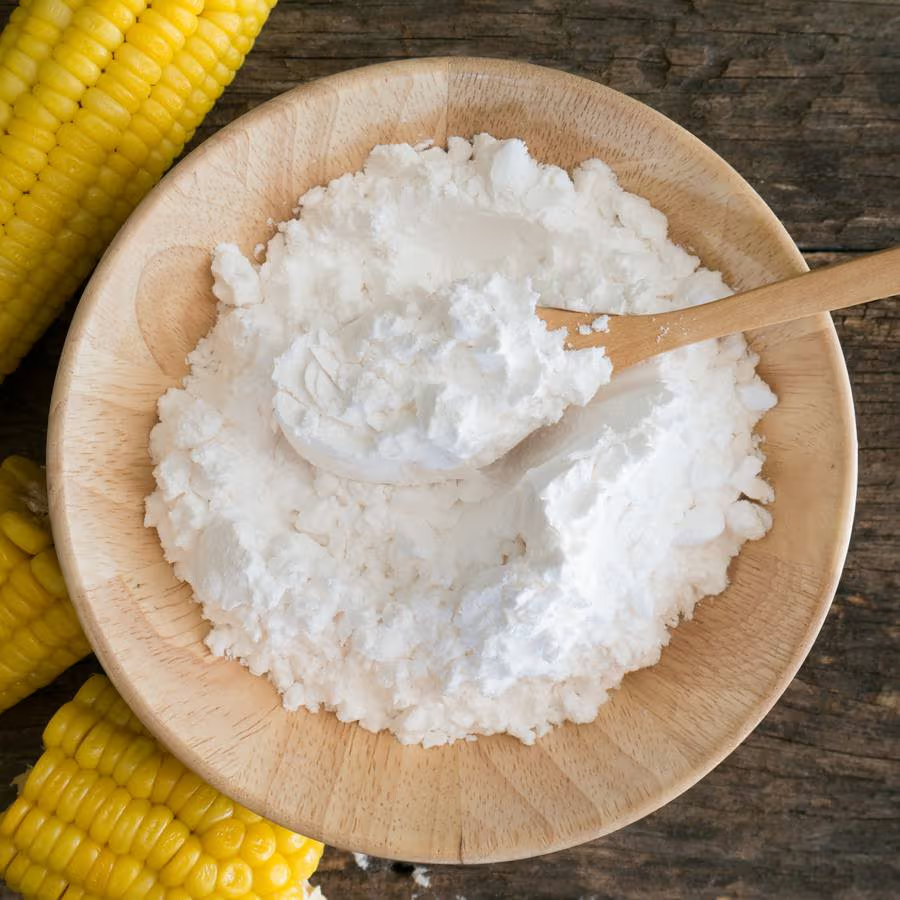
Cornstarch is not designed to be eaten in large raw quantities. When consumed in excess, it can clump together in the digestive tract and lead to bloating, constipation, or in severe cases, intestinal blockage.
Symptoms of blockage can include stomach pain, nausea, vomiting, and dehydration, and in severe or prolonged cases, hospitalization may be required to clear the obstruction safely.
Anyone experiencing these symptoms after eating a large amount of cornstarch should seek medical attention promptly.
Allergic Reactions to Cornstarch
Although uncommon, some people can develop an allergic reaction to corn-based products, including cornstarch. Symptoms may involve skin rash, hives, or swelling of the face and throat.
In more severe cases, difficulty breathing or chest tightness can occur, which requires emergency care, particularly in people who already have a known corn or grain sensitivity.
If you notice these symptoms after eating cornstarch, stop consumption immediately and consult a healthcare provider.
Cornstarch and Weight Management
Cornstarch is calorie-dense but nutrient-poor, meaning it adds calories without meaningful vitamins, minerals, or fiber. Regularly eating it as a snack can contribute to unwanted weight gain over time.
Because it is so easy to overconsume in powdered form, portion control is much harder than with typical whole foods.
Replacing cornstarch cravings with more nutrient-dense snacks, such as fruit, nuts, or yogurt, can support better long-term weight management while still satisfying hunger and texture preferences.
Cornstarch’s Effect on Blood Sugar Long-Term
While small, medically directed amounts can help manage certain blood sugar conditions, regularly eating cornstarch outside of medical guidance can cause blood sugar spikes. This is especially risky for people with diabetes or insulin resistance.
Frequent spikes and crashes in blood sugar can worsen fatigue, mood swings, and long-term metabolic health.
Anyone with diabetes should consult a doctor before using cornstarch for any purpose beyond normal cooking.
Signs Your Cornstarch Craving May Be Pica
It can be difficult to tell the difference between casual curiosity and a diagnosable condition. The table below outlines signs that suggest a craving may be more than just a passing habit.
| Sign | Casual Interest | Possible Pica |
|---|---|---|
| Frequency | Occasional | Daily or near-daily |
| Duration | A few days | More than one month |
| Control | Easy to stop | Hard to resist |
| Amount | Small taste | Large, repeated portions |
| Impact | None noticeable | Digestive or nutritional issues |
When to See a Doctor About Cornstarch Cravings
Most occasional cornstarch curiosity is harmless, but certain patterns are worth a medical evaluation.
- Craving lasts longer than one month
- You are pregnant and craving non-food items
- You experience stomach pain, bloating, or constipation
- You notice fatigue, dizziness, or pale skin, which can signal anemia
- The urge feels uncontrollable or distressing
How Doctors Diagnose and Treat Cornstarch Cravings
A doctor will typically start with a physical exam and blood tests to check for iron deficiency or anemia. Ferritin and complete blood count tests are the most common starting points.
If iron levels are low, supplementation and dietary changes are usually the first line of treatment, and cravings often resolve within weeks of starting iron-rich foods or supplements as directed by a physician.
If labs come back normal, a doctor may refer the person to a therapist to address behavioral or stress-related triggers instead.
Healthier Alternatives to Satisfy Cornstarch Cravings
If the appeal is mainly about texture rather than taste, there are safer ways to get a similar sensory experience.
- Try crunchy vegetables like celery or carrots for a satisfying crunch
- Use sugar-free gum to redirect chewing urges
- Opt for air-popped popcorn as a low-calorie alternative
- Choose iron-rich snacks like dried apricots or fortified cereal
- Speak to a dietitian about safe, food-based cravings management
The History of Cornstarch as an Ingredient
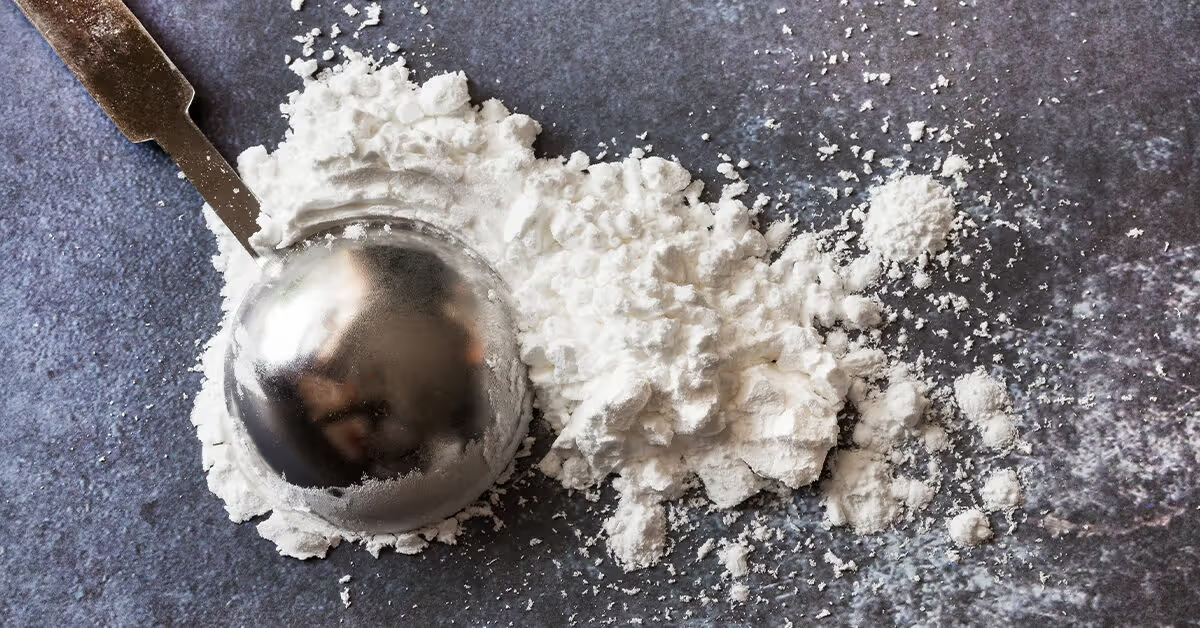
Cornstarch was developed as a refined starch product in the 1800s and quickly became a kitchen staple around the world. Its clean taste and reliable thickening power made it a favorite for both home cooks and food manufacturers.
Over time, it expanded beyond cooking into industrial uses, including paper production, cosmetics, and even some pharmaceutical applications.
This long history of everyday use is part of why cornstarch feels so familiar and accessible, making it easy for curious eaters to try it directly.
Cornstarch vs Other Starches People Crave
Cornstarch is not the only starch people crave when pica is present. Comparing it to other common substances can help clarify how widespread starch-related cravings actually are.
| Substance | Common Craving Type | Typical Underlying Cause |
|---|---|---|
| Cornstarch | Amylophagia | Iron deficiency, sensory habit |
| Baking soda | Pica variant | Nutrient deficiency, stress |
| Ice | Pagophagia | Iron deficiency anemia |
| Chalk | Pica | Zinc or calcium deficiency |
| Raw flour | Amylophagia | Similar to cornstarch cravings |
Recognizing this pattern helps show that cornstarch cravings are rarely random and usually connect back to a nutritional or psychological root cause.
Cultural and Regional Differences in Starch Eating
In some cultures, eating small amounts of raw starches or clay has a long, even traditional history, particularly among pregnant women in certain regions. This practice, sometimes passed down through generations, is not always viewed as disordered eating locally.
However, medical professionals still recommend monitoring these habits closely, since the health risks remain the same regardless of cultural context.
Understanding this background can help reduce stigma while still encouraging safe, informed choices about starch consumption.
The Role of Zinc and Other Nutrient Deficiencies
While iron deficiency is the most studied link to starch cravings, some research also points to zinc deficiency as a contributing factor. Zinc plays a key role in taste perception and appetite regulation.
A doctor may check zinc levels alongside iron studies if initial iron testing comes back normal but cravings persist.
Correcting multiple nutrient gaps at once, under medical supervision, often produces better results than addressing iron alone.
Cornstarch Cravings in Children
Children can also experience pica, including cravings for cornstarch, though it presents differently than in adults. Toddlers exploring textures is normal, but persistent eating of non-food items past early childhood may indicate an underlying issue.
Parents should watch for repeated eating of starch, paint chips, or dirt, especially if paired with fatigue or poor growth.
A pediatrician can run simple blood tests to check for iron or lead exposure if this pattern continues.
Practical Tips for Breaking a Cornstarch Habit
If cravings are more behavioral than medical, small daily changes can help break the cycle over time. Consistency matters more than willpower alone, and support from friends, family, or a professional can make a real difference.
- Keep cornstarch out of easy reach in the kitchen
- Replace the habit with a similar-texture, food-safe alternative
- Track cravings in a journal to spot patterns and triggers
- Practice stress-reduction techniques like deep breathing or walking
- Set small, achievable goals rather than quitting abruptly
Long-Term Outlook for People Who Eat Cornstarch
For most people, an interest in cornstarch is temporary and fades once the underlying cause, whether curiosity, stress, or a nutrient gap, is addressed. Iron-related cravings in particular tend to resolve quickly once levels are corrected.
Chronic pica that continues despite normal lab results may require longer-term support from a therapist or behavioral specialist, particularly if the eating pattern is tied to anxiety, trauma, or another underlying mental health condition.
With the right combination of medical testing and lifestyle adjustments, most people are able to move away from raw cornstarch eating safely and permanently.
Frequently Asked Questions (FAQs)
1. Why do people eat cornstarch raw?
People eat raw cornstarch for its texture, as an ASMR trend, or due to a craving disorder called pica. In some cases, it is linked to iron deficiency or pregnancy.
2. Is eating cornstarch bad for you?
Occasional small amounts are unlikely to cause harm, but regular consumption can lead to digestive issues, nutrient deficiencies, and weight gain. Frequent cravings should be checked by a doctor.
3. What is pica and how is it related to cornstarch?
Pica is an eating disorder involving cravings for non-food substances, and eating starch specifically is called amylophagia. It is often connected to iron deficiency or stress.
4. Can eating cornstarch cause iron deficiency?
Yes, some research suggests eating large amounts of starch can interfere with iron absorption, potentially worsening existing anemia. This creates a cycle that is best addressed with medical guidance.
5. Why do pregnant women crave cornstarch?
Pregnancy increases iron demands and shifts hormones, which can trigger unusual cravings, including for cornstarch. This should be discussed with a doctor to check iron levels.
6. Is the cornstarch ASMR trend safe?
Most ASMR creators do not actually swallow the cornstarch shown in their videos, using it purely for sound and texture effects. Viewers who try it themselves should avoid regular consumption.
7. Can eating too much cornstarch cause a blockage?
Yes, large amounts of raw cornstarch can clump in the digestive tract and potentially cause an intestinal blockage. Symptoms include stomach pain, nausea, and vomiting.
8. How much cornstarch is safe to eat?
There is no officially established safe amount for raw consumption, so it is best used only in cooked recipes. Any regular raw eating should be discussed with a healthcare provider.
9. What tests are used to diagnose cornstarch cravings?
Doctors typically check ferritin, complete blood count, and iron studies to rule out anemia. Additional evaluation may be needed if lab results are normal.
10. Can cornstarch cravings go away on their own?
Yes, if the cause is a temporary nutrient deficiency, cravings often resolve once iron levels are corrected. Persistent or worsening cravings should be evaluated by a professional.
Conclusion
Cornstarch is best known as a kitchen thickener, but the reasons people eat it range from harmless curiosity and viral ASMR trends to a diagnosable eating disorder called pica. Sensory satisfaction, pregnancy cravings, and habitual stress eating are common and usually manageable, while frequent raw consumption tied to iron deficiency needs medical attention.
Understanding the difference between casual interest and a persistent craving is key to protecting your health. Occasional curiosity is rarely a problem, but daily cravings, digestive discomfort, or signs of anemia should never be ignored.
A simple blood test can identify whether an iron deficiency is driving the urge, and correcting it often resolves the craving naturally. If you or someone you know cannot stop eating cornstarch despite trying, reaching out to a doctor or dietitian is the safest and most effective next step.
