

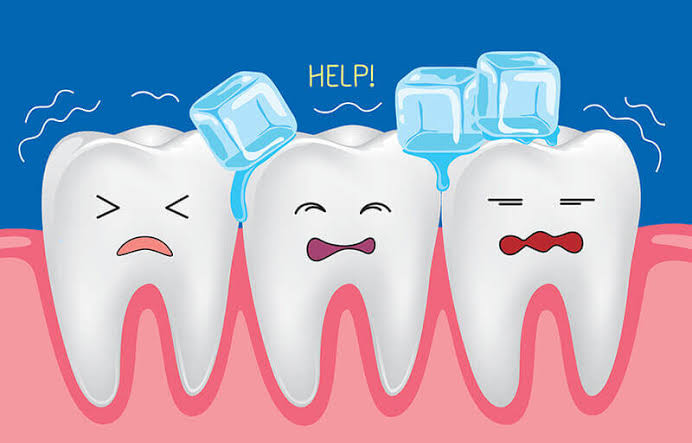
Why does my tooth hurt when I drink something cold? It usually means your enamel has worn thin or your gums have pulled back, leaving the sensitive layer underneath exposed.
This reaction, known as dentin hypersensitivity, affects nearly one in three adults at some point in life.
The sharp jolt you feel from ice water, a popsicle, or even cold air is your tooth’s nerve reacting to temperature change through tiny fluid-filled channels.
The good news is that most cases are treatable at home, and the rest respond well to simple dental care.
What Is Tooth Sensitivity to Cold?

Tooth sensitivity to cold is a short, sharp pain that hits when cold air, drinks, or food touch your teeth.
It happens because the hard outer enamel has thinned or the gums have receded, exposing the dentin layer underneath.
Dentin is full of microscopic tubules that lead straight to the nerve, so cold triggers an almost instant pain signal.
Why Does Cold Trigger Tooth Pain? The Science Explained
Your tooth has three layers: enamel on the outside, dentin in the middle, and pulp with nerves at the core.
When enamel or gum tissue is intact, cold never reaches the nerve, so you feel nothing unusual.
Once dentin is exposed, cold liquid causes fluid inside the tubules to shift rapidly.
That fluid movement is detected by nerve endings in the pulp, which fire off a sharp pain signal within seconds.
This is called the hydrodynamic theory of tooth sensitivity, and it is the most widely accepted explanation among dentists.
Table: Tooth Layers and Their Role in Sensitivity
| Tooth Layer | Function | What Happens When Damaged |
|---|---|---|
| Enamel | Hard outer shield | Cold reaches dentin, causing pain |
| Dentin | Porous layer with tubules | Fluid shifts, nerve gets triggered |
| Pulp | Houses nerves and blood vessels | Direct pain signal reaches the brain |
| Cementum | Covers the tooth root | Once worn, roots become highly sensitive |
Common Causes of Tooth Pain When Drinking Something Cold
Several dental issues can lead to a tooth hurting when you drink something cold. Below are the most frequent culprits.
Enamel Erosion
Acidic foods and drinks like soda, citrus, coffee, and wine gradually wear down enamel over time.
Once enamel is gone, it does not grow back, leaving the dentin permanently exposed to cold and heat.
Gum Recession
Gum disease, aggressive brushing, or natural aging can cause gums to pull away from the tooth.
This exposes the root surface, which has no enamel and is extremely reactive to cold temperatures.
Tooth Decay and Cavities
Bacteria break down sugars into acids that eat through enamel and reach the dentin or pulp.
As decay deepens, cold sensitivity often turns into constant, throbbing pain that needs urgent treatment.
Cracked or Chipped Teeth
Tiny hairline cracks, often from grinding or biting hard objects, let cold reach the nerve directly.
Cracks can be hard to spot, so a dentist may need special tools to confirm the diagnosis.
Teeth Grinding (Bruxism)
Clenching or grinding, especially at night, puts constant pressure on enamel and wears it down over time.
This thinning exposes nerve endings and is a common reason people wake up with tooth sensitivity.
Recent Dental Work
Fillings, crowns, whitening treatments, or cleanings can cause temporary sensitivity to cold for a few days.
If this lingers past two weeks, it is worth mentioning to your dentist at your next visit.
Sinus Infections and Congestion
Upper back teeth sit close to the sinus cavities, so sinus pressure can mimic tooth sensitivity to cold.
This type of discomfort usually affects several teeth at once rather than just one.
Abrasive Whitening Products
Some whitening gels and strips contain peroxide that can temporarily irritate nerve endings inside the tooth.
Sensitivity from whitening products usually fades within a few days once you stop using them.
Symptoms You Should Not Ignore
Not all tooth sensitivity is the same, and some signs point to a bigger problem underneath.
Sharp, Short-Lived Pain
A quick jolt that fades within seconds of removing the cold trigger is typical of mild sensitivity.
Lingering or Throbbing Pain
Pain that continues for 30 seconds or longer after the cold is gone often signals decay or nerve damage.
Pain While Chewing
Discomfort when biting down, alongside cold sensitivity, may point to a cracked tooth or a loose filling.
Swelling or Gum Redness
Visible swelling combined with sensitivity usually means infection or advanced gum disease is involved.
Table: Symptom Checklist and Likely Cause
| Symptom | Likely Cause | Urgency Level |
|---|---|---|
| Quick twinge, fades fast | Mild enamel wear | Low |
| Pain lasting 30+ seconds | Decay or nerve inflammation | High |
| Pain only in one tooth | Crack, cavity, or failed filling | Medium to High |
| Pain with swelling | Infection or abscess | Urgent |
| Sensitivity after dental work | Normal healing response | Low, monitor |
| Pain across several upper teeth | Sinus pressure | Low to Medium |
Home Remedies for Tooth Sensitivity to Cold
Many mild cases of cold sensitivity can be managed at home before you ever need a dental visit.
Desensitizing Toothpaste
Toothpaste with potassium nitrate or stannous fluoride blocks the tubules in dentin over repeated use.
Give it two to three weeks of consistent brushing before expecting noticeable results.
Warm Salt Water Rinse
Mix one teaspoon of salt into warm water and rinse for 30 seconds, two to three times daily.
This reduces inflammation and gently disinfects the mouth, easing irritated nerves near the gum line.
Clove Oil Application
Clove oil contains eugenol, a natural numbing agent used for generations to ease toothache pain.
Dab a small amount on a cotton ball and apply gently to the sensitive area, avoiding overuse.
Soft-Bristled Toothbrush
Switching to soft bristles and brushing in gentle circles protects enamel and prevents further gum recession.
Replace your toothbrush every three months, since worn bristles can scrape rather than clean.
Fluoride Mouthwash
A daily fluoride rinse helps rebuild weakened enamel and forms a protective layer over exposed dentin.
Avoiding Acidic Foods and Drinks
Limiting citrus, soda, wine, and vinegar reduces further enamel erosion and gives your teeth a chance to recover.
Using a straw for acidic drinks limits contact with your teeth and lowers irritation.
Table: Home Remedies at a Glance
| Remedy | How It Helps | Time to See Results |
|---|---|---|
| Desensitizing toothpaste | Blocks dentin tubules | 2 to 3 weeks |
| Salt water rinse | Reduces inflammation | Same day, short-term |
| Clove oil | Numbs the nerve temporarily | Minutes |
| Soft toothbrush | Prevents further enamel loss | Ongoing protection |
| Fluoride rinse | Strengthens enamel | Several weeks |
| Diet changes | Slows acid erosion | Weeks to months |
Professional Treatments Dentists Recommend
When home care is not enough, a dentist can offer treatments that target the root cause directly.
In-Office Fluoride Treatment
A concentrated fluoride gel or varnish applied by your dentist strengthens enamel far faster than at-home rinses.
Dental Bonding or Sealants
A tooth-colored resin can be applied over exposed roots or cracks to shield the dentin from cold.
Gum Grafting
For severe gum recession, tissue is taken from another area and grafted over the exposed root.
This protects the root long-term and can significantly reduce cold sensitivity.
Fillings for Cavities
If decay is the cause, a filling seals the hole and removes the pathway for cold to reach the nerve.
Root Canal Therapy
When the nerve itself is damaged or infected, a root canal removes the source of pain permanently.
This is usually a last resort, reserved for severe or persistent cases.
Table: Professional Treatment Options

| Treatment | Best For | Recovery Time |
|---|---|---|
| Fluoride varnish | Mild to moderate erosion | Immediate |
| Dental bonding | Exposed roots or small cracks | 1 visit |
| Gum graft | Severe gum recession | 1 to 2 weeks |
| Filling | Cavities reaching dentin | 1 visit |
| Root canal | Infected or damaged nerve | 1 to 2 weeks |
How to Prevent Tooth Sensitivity in the Future
Prevention is far easier than treatment, and small daily habits make a real difference over time.
Brush Gently, Twice a Day
Use a soft-bristled brush and gentle circular motions instead of hard back-and-forth scrubbing.
Limit Acidic and Sugary Foods
Cutting back on soda, citrus, and sweets reduces the acid attacks that wear down enamel.
Wear a Night Guard if You Grind
A custom night guard prevents grinding from thinning enamel while you sleep.
Rinse After Acidic Meals
Drinking water after acidic food balances out mouth acid levels and protects enamel.
Visit Your Dentist Every Six Months
Regular checkups catch enamel wear, gum recession, or cavities before they cause serious pain.
When to See a Dentist Urgently
Most mild cold sensitivity can wait for a routine appointment, but some signs need immediate attention.
Pain lasting more than 30 seconds after the cold trigger is gone often points to nerve involvement.
Swelling, fever, or a bad taste in your mouth can indicate an infection that needs urgent care.
Sensitivity appearing suddenly in one tooth, especially with pain while chewing, may mean a crack or failed filling.
Foods and Drinks That Make Cold Sensitivity Worse
Certain everyday items are more likely to trigger or worsen tooth pain from cold exposure.
Table: Trigger Foods and Safer Alternatives
| Trigger | Why It Hurts | Safer Alternative |
|---|---|---|
| Ice water | Direct cold contact with exposed dentin | Room-temperature water |
| Citrus fruit | Acid erodes enamel over time | Bananas, melons |
| Soda | Combines acid and cold | Herbal tea, water |
| Ice cream | Sugar plus extreme cold | Yogurt at room temperature |
| Wine | High acidity | Water between sips |
Best Toothpaste Ingredients for Sensitive Teeth
Not every sensitive toothpaste works the same way, so ingredients matter when choosing one.
Table: Toothpaste Ingredients Compared
| Ingredient | Function |
|---|---|
| Potassium nitrate | Calms the nerve inside the tooth |
| Stannous fluoride | Seals dentin tubules and fights bacteria |
| Sodium fluoride | Strengthens enamel |
| Arginine | Blocks tubules for fast relief |
| Hydroxyapatite | Rebuilds mineral loss in enamel |
Who Is Most at Risk for Cold Sensitivity?
Some people are simply more prone to developing sensitive teeth than others, based on habits and health history.
People Who Grind or Clench Their Teeth
Bruxism wears enamel down faster than almost any other habit, especially when it happens during sleep.
People With a History of Acid Reflux
Stomach acid that reaches the mouth can erode enamel from the inside, increasing cold sensitivity over time.
People Who Whiten Their Teeth Frequently
Repeated whitening treatments can irritate the nerve and temporarily increase reactions to cold and heat.
People With Gum Disease
Inflamed or receding gums expose the root surface, which lacks the protective enamel coating found on the crown.
Older Adults
Enamel naturally thins with age, and decades of wear make cold sensitivity more common later in life.
Cold Sensitivity vs Other Types of Tooth Pain
Not all tooth pain is the same, and knowing the difference helps you describe symptoms accurately to your dentist.
Table: Comparing Different Types of Tooth Pain
| Pain Type | Trigger | Typical Cause |
|---|---|---|
| Cold sensitivity | Ice water, cold air, ice cream | Exposed dentin or roots |
| Heat sensitivity | Hot coffee, soup | Deeper decay or nerve inflammation |
| Sweet sensitivity | Sugary foods and drinks | Early cavities |
| Pressure pain | Biting or chewing | Cracked tooth or loose filling |
| Constant dull ache | No specific trigger | Infection or abscess |
Cold sensitivity that appears alone, without pain from heat or pressure, is usually the mildest and easiest to treat.
Pain that reacts to multiple triggers, especially heat and pressure together, often signals a more advanced problem.
Natural Ways to Strengthen Enamel Over Time
While enamel cannot regenerate once lost, you can help remineralize weakened areas before real damage sets in.
Increase Calcium and Phosphate Intake
Dairy products, leafy greens, and nuts supply minerals that support enamel strength from the inside out.
Chew Sugar-Free Gum After Meals
This stimulates saliva production, which naturally neutralizes acid and helps redeposit minerals onto enamel.
Stay Hydrated Throughout the Day
Saliva is your mouth’s natural defense system, and dehydration reduces its protective effect on teeth.
Use Hydroxyapatite Toothpaste
This ingredient mimics the natural mineral structure of enamel and can help rebuild microscopic weak spots.
Common Mistakes That Make Tooth Sensitivity Worse
A few everyday habits unintentionally make cold sensitivity harder to manage, even with good intentions.
Brushing Immediately After Acidic Food
Enamel is temporarily softened after acid exposure, so brushing right away can strip away more of it. Wait 30 minutes before brushing.
Using a Hard-Bristled Toothbrush for a “Deeper Clean”
Firm bristles feel thorough but actually scrape away enamel and irritate the gum line over time.
Ignoring Mild Pain for Months
Small, occasional twinges are easy to dismiss, but untreated causes like decay only get worse with time.
Skipping Regular Dental Checkups
Many causes of cold sensitivity are only visible on an X-ray or during a professional exam.
Table: Cold Sensitivity Causes by Age Group
| Age Group | Common Cause | First Step |
|---|---|---|
| Children | New permanent teeth, cavities | Pediatric dental visit |
| Teens | Whitening trends, soda intake | Cut back on acidic drinks |
| Adults | Enamel wear, gum recession | Desensitizing toothpaste |
| Seniors | Root exposure, thinning enamel | Fluoride treatment |
In children, cold sensitivity in newly erupted teeth is often temporary and settles as the enamel fully matures.
In adults and seniors, sensitivity is more often linked to years of gradual enamel and gum wear.
Diet Tips to Reduce Tooth Sensitivity Long Term
What you eat and drink daily plays a major role in how quickly enamel wears down over the years.
Choose Neutral pH Foods When Possible
Foods like cheese, plain yogurt, and vegetables help balance out acid levels in your mouth naturally.
Time Your Sensitive Foods Wisely
Pairing acidic or cold foods with a meal, rather than eating them alone, reduces prolonged acid exposure.
Rinse, Don’t Brush, After Acidic Meals
A quick water rinse after citrus or soda protects softened enamel until it has time to reharden.
Quick Checklist Before Your Next Dental Visit
Bringing clear details to your appointment helps your dentist diagnose the cause of cold sensitivity faster.
Note which tooth or teeth hurt, how long the pain lasts, and what triggers it besides cold.
Mention any recent dental work, whitening treatments, or changes in your brushing routine.
Write down whether the pain has gotten worse, stayed the same, or improved over the past few weeks.
Frequently Asked Questions (FAQs)
Why does my tooth hurt only when I drink cold water?
Exposed dentin lets cold reach the nerve through tiny tubules. It usually means enamel or gum tissue has worn down.
Is tooth sensitivity to cold a sign of a cavity?
It can be. If pain lingers or worsens, a cavity or deeper decay is a likely cause.
How long should tooth sensitivity to cold last?
Mild sensitivity fades within seconds. Pain lasting 30 seconds or more needs a dental check.
Can teeth sensitivity to cold go away on its own?
Yes, mild cases sometimes improve with better oral care. Persistent sensitivity usually needs treatment.
What toothpaste is best for teeth sensitive to cold?
Look for potassium nitrate or stannous fluoride. Use it consistently for two to three weeks.
Does brushing too hard cause cold sensitivity?
Yes. Hard brushing wears enamel and pushes gums back, exposing sensitive dentin and roots.
Can whitening treatments cause tooth pain with cold drinks?
Yes, whitening can temporarily irritate nerves. Sensitivity usually fades within a few days after stopping use.
Is it normal for a tooth to hurt after a filling?
Mild cold sensitivity after a filling is normal for one to two weeks. Longer pain needs a dentist visit.
Should I see a dentist for mild tooth sensitivity?
If it is occasional and mild, home care may help. Persistent or worsening pain needs professional evaluation.
Can sinus problems cause tooth sensitivity to cold?
Yes, sinus pressure near upper molars can feel like tooth pain. It usually affects multiple teeth at once.
Cold Sensitivity in Kids vs Adults
Tooth sensitivity is not just an adult problem, and children can experience it too, though for different reasons.
Conclusion
A tooth that hurts when you drink something cold is almost always a sign that your enamel or gums have been compromised, exposing sensitive dentin underneath.
In most cases, the fix is simple: switch to a desensitizing toothpaste, use a soft-bristled brush, cut back on acidic foods, and give it a few weeks of consistent care.
If the pain lingers longer than 30 seconds, keeps returning, or comes with swelling, it is time to see a dentist rather than wait it out.
Left untreated, sensitivity can point to decay, cracks, or infection that only gets worse over time. With the right combination of home care and professional treatment, most people find lasting relief and can enjoy cold drinks and ice cream again without fear of that sharp, sudden jolt of pain.
