

Why do dogs scoot their butts is one of the most common questions pet owners ask their vet. It looks funny, but it usually means your dog is uncomfortable back there.
Scooting happens when a dog drags its rear end across the floor to relieve itching, pressure, or pain.
The most frequent cause is full or impacted anal glands, though parasites, allergies, and infections can also be to blame.
What Does Dog Scooting Actually Mean?
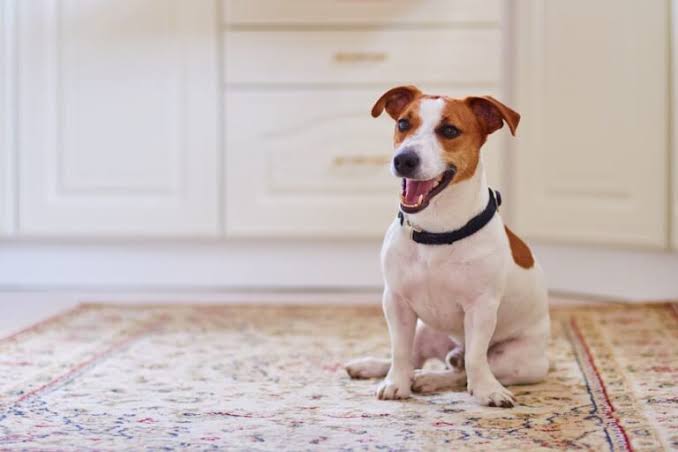
Scooting is when a dog sits down and drags its bottom across the floor, carpet, or grass using its front legs for movement.
It is an instinctive way for dogs to relieve an itch, irritation, or pressure they cannot reach with their paws or mouth.
While an occasional scoot is normal, frequent scooting almost always points to an underlying medical issue that needs attention.
Common Causes of Dog Butt Scooting
There are many reasons a dog might scoot, ranging from mild irritation to conditions that require veterinary care. Below are the most common causes seen in 2026.
Impacted or Infected Anal Glands
Dogs have two small glands on either side of the anus that release a fishy-smelling fluid during bowel movements.
When these glands do not empty properly, they become impacted, swollen, and painful, causing your dog to scoot for relief.
If left untreated, impacted glands can become infected or form an abscess that requires antibiotics or surgery.
Intestinal Parasites (Tapeworms)
Tapeworms are a well-known cause of scooting, especially in dogs that have recently had fleas.
Segments of the worm look like small grains of rice and can be seen around the anus, in the fur, or in the stool.
A vet can confirm parasites with a fecal test and prescribe a simple deworming treatment.
Food and Environmental Allergies
Allergies to certain proteins, grains, or environmental triggers like pollen and dust can cause itching around the anal area.
This itching often leads to scooting as the dog tries to relieve the irritation.
Identifying and removing the allergen, with your vet’s help, usually resolves the scooting over time.
Skin Infections and Irritation
Bacterial or yeast infections around the rear end can cause redness, soreness, and an itchy sensation.
Dogs with skin folds, like Bulldogs, are especially prone to this type of irritation.
Keeping the area clean and dry helps prevent infections from developing in the first place.
Anal Fissures and Hemorrhoids
Small tears in the lining of the anus, known as fissures, can be painful and trigger scooting behavior.
Hemorrhoids, though less common in dogs than humans, can also cause discomfort and itching in the same area.
Both conditions usually require a vet exam to diagnose and treat properly.
Diarrhea and Loose Stools
Soft or watery stool does not provide enough pressure to naturally empty the anal glands during a bowel movement.
This can lead to gland buildup, irritation, and scooting shortly after a bout of diarrhea.
Feeding a balanced, high-fiber diet helps firm up stool and reduce this risk.
Grooming Irritation and Clipper Burn
Dogs that visit the groomer regularly may develop clipper burn or reactions to grooming sprays and shampoos.
This irritation can cause itching and scooting right after a grooming session.
Switching to hypoallergenic, dog-safe grooming products often solves the issue.
Rectal Prolapse (Rare)
Rectal prolapse occurs when part of the rectum protrudes outside the anus, which is uncommon but serious.
It can cause visible tissue near the anus along with scooting, straining, and discomfort.
This condition needs immediate veterinary attention and is not something to treat at home.
Urinary Tract Infections
Female dogs in particular may scoot due to a urinary tract infection, which causes burning and itching during urination.
Other signs include frequent urination, straining, or blood in the urine.
A vet visit and urine test can confirm this cause quickly.
Anxiety, Stress, and Attention-Seeking
Some dogs scoot as a learned behavior after realizing it gets an immediate reaction from their owner.
Stress or anxiety can also manifest as repetitive behaviors, including scooting, in certain dogs.
Redirecting attention and rewarding calm behavior can help reduce this pattern over time.
Leftover Fecal Matter or Dirty Bottom
Sometimes a dog simply has a bit of stool stuck to their fur after using the bathroom.
Scooting in this case is just their way of trying to clean themselves off.
This type of scooting usually stops on its own once the area is clean.
Signs to Watch For in 2026
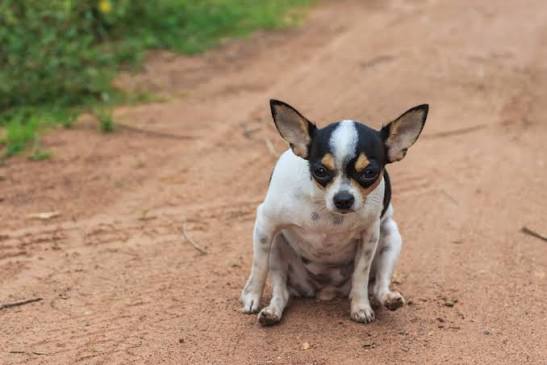
Not every scoot is an emergency, but certain signs mean it is time to call the vet. The table below breaks down what to watch for and what it may indicate.
| Sign | What It May Mean |
|---|---|
| Occasional single scoot | Usually normal, mild itch or leftover stool |
| Frequent daily scooting | Anal gland impaction or infection |
| Foul or fishy odor | Anal gland issue |
| Swelling or redness near anus | Infection or abscess |
| Blood or pus | Ruptured or infected gland, needs urgent care |
| Rice-like segments in stool | Tapeworms |
| Excessive licking or biting rear | Irritation, allergy, or infection |
| Visible tissue near anus | Possible rectal prolapse, emergency |
| Straining to urinate | Possible urinary tract infection |
| Scooting after grooming | Clipper burn or product reaction |
Breeds More Prone to Scooting
Certain breeds are more likely to experience scooting due to their body shape, coat type, or gland structure.
Small breeds and dogs with stocky builds tend to have anal glands that are harder to express naturally.
| Breed Type | Why They Scoot More |
|---|---|
| Chihuahuas | Small anal glands prone to impaction |
| Dachshunds | Low body posture, gland pressure issues |
| Toy Poodles | Smaller gland openings |
| Bulldogs | Skin folds trap irritation and bacteria |
| Long-haired breeds | Fecal matter clings to fur easily |
When Scooting Is Normal vs When to Worry
A single scoot after a walk or bowel movement is usually nothing to worry about.
However, scooting that happens daily, or comes with odor, swelling, or bleeding, needs veterinary attention.
Trust your instincts. If something seems off with your dog’s behavior, a quick vet check can rule out serious issues early.
How Vets Diagnose the Cause
Vets typically start with a physical exam of the anal area to check for swelling, discharge, or wounds.
They may also run a fecal test to check for parasites or a stool sample to assess digestive health.
In some cases, blood work or imaging is used to rule out tumors or deeper infections.
Home Remedies for Occasional Scooting
For mild, infrequent scooting, a few simple steps at home can often resolve the issue.
Gently clean the area with a dog-safe wipe to remove any irritants or leftover stool.
Adding fiber, such as canned pumpkin, can help firm up stool and support natural gland expression.
Trimming fur around the rear end reduces matting and buildup, especially in long-haired breeds.
Treatment Options Vets Recommend
If home care does not resolve the scooting, a vet may recommend manual gland expression as a first step.
This is a quick, in-office procedure performed by a vet or groomer to relieve pressure directly.
| Treatment | Used For |
|---|---|
| Manual gland expression | Impacted anal glands |
| Antibiotics | Bacterial infection or abscess |
| Deworming medication | Tapeworms or intestinal parasites |
| Anti-itch medication | Allergies or skin irritation |
| Anal sacculectomy | Chronic, recurring gland problems |
| Stool softeners | Constipation-related scooting |
Severe or recurring cases may require surgical removal of the anal glands, known as an anal sacculectomy.
Your vet will choose the right treatment based on the exact cause found during the exam.
How to Prevent Butt Scooting
Prevention starts with a healthy, high-fiber diet that supports regular, firm bowel movements.
Regular grooming and hygiene checks help catch early signs of irritation before they worsen.
Routine vet visits and parasite prevention also go a long way in reducing the risk of scooting.
Diet Tips to Support Anal Gland Health

Diet plays a major role in how well a dog’s anal glands empty naturally during bowel movements.
Firm, well-formed stool provides the pressure needed to express the glands without manual help.
| Food or Supplement | Benefit |
|---|---|
| Canned pumpkin | Adds fiber, firms stool |
| Sweet potato | Supports digestion |
| Green beans | Low-calorie fiber source |
| Probiotics | Improves gut microbiome balance |
| High-fiber dog food | Reduces soft stool episodes |
Dog Scooting in Puppies vs Adult Dogs
Puppies can scoot occasionally, and it is usually linked to mild allergies or developing anal sacs.
A young puppy’s anal glands are still adjusting, so light, infrequent scooting is not always alarming.
Adult dogs that suddenly start scooting after months of normal behavior often have a new issue, like an infection or diet change.
Senior dogs may scoot due to weaker muscle tone, which makes it harder to express anal glands naturally.
Tracking when the scooting started and how often it happens helps your vet narrow down the cause faster.
Common Myths About Dog Scooting
Many owners assume scooting always means worms, but parasites are only one of several possible causes.
Another myth is that scooting is purely a behavioral quirk that will resolve on its own without intervention.
While some dogs do scoot out of habit, most scooting has a physical trigger that benefits from attention.
Some owners believe only small dogs scoot, but large breeds can develop anal gland or skin issues too.
Relying on assumptions can delay treatment, so a proper exam is always the safest way to confirm the cause.
What Happens If Scooting Is Ignored
Ignoring persistent scooting can allow impacted anal glands to become infected or develop into a painful abscess.
An abscess may eventually rupture through the skin, leading to a wound that requires medical treatment and cleaning.
Untreated allergies or skin infections can also worsen, spreading irritation to other parts of the body.
Left unchecked, parasites like tapeworms can multiply and affect your dog’s overall digestive health and energy levels.
Early intervention is almost always simpler, less painful, and less costly than treating an advanced complication later.
The Role of Groomers in Managing Scooting
Professional groomers often notice early signs of anal gland problems before owners do, since they handle this area regularly.
Many groomers offer manual gland expression as part of a standard grooming package for dogs prone to buildup.
Regular trims around the rear end, especially for long-haired breeds, reduce matting and fecal buildup that can trigger scooting.
If your groomer flags recurring gland issues, it is worth scheduling a veterinary exam to check for infection.
Building a routine with a trusted groomer can catch problems early and reduce how often your dog needs vet visits for this issue.
Estimated Cost of Treating Scooting-Related Issues
Treatment costs vary depending on the underlying cause and how advanced the condition is at diagnosis.
Simple manual gland expression is usually the most affordable option, while surgery for chronic cases costs significantly more.
| Treatment Type | Typical Cost Range (USD) |
|---|---|
| Manual gland expression | $20 to $50 |
| Deworming medication | $15 to $40 |
| Antibiotics for infection | $30 to $80 |
| Vet exam and consultation | $50 to $100 |
| Anal sacculectomy surgery | $500 to $1,500 |
Costs can vary by location and clinic, so it is best to confirm pricing directly with your veterinarian.
Long-Term Management for Dogs With Recurring Scooting
Dogs with chronic anal gland issues often benefit from a consistent, high-fiber diet maintained long term rather than short bursts.
Scheduling regular gland checks, even without visible symptoms, can prevent buildup from becoming a bigger problem.
Weight management also plays a role, since overweight dogs are more likely to develop impacted anal glands.
Some dogs benefit from ongoing supplements, like fiber or probiotics, added consistently to their daily meals.
Working closely with your vet to build a long-term plan reduces flare-ups and keeps your dog more comfortable overall.
Warning Signs That Require Immediate Vet Care
Certain symptoms alongside scooting should never wait for a routine appointment and need urgent attention instead.
| Warning Sign | Why It Matters |
|---|---|
| Visible tissue protruding from anus | Possible rectal prolapse, medical emergency |
| Heavy bleeding | Could indicate rupture or severe injury |
| High fever with lethargy | Sign of a spreading infection |
| Inability to defecate | May signal a blockage or severe pain |
| Sudden aggressive behavior when touched near rear | Indicates significant pain |
If you notice any of these signs, contact an emergency vet clinic right away rather than waiting for a scheduled visit.
Step-by-Step Guide to Checking Your Dog at Home
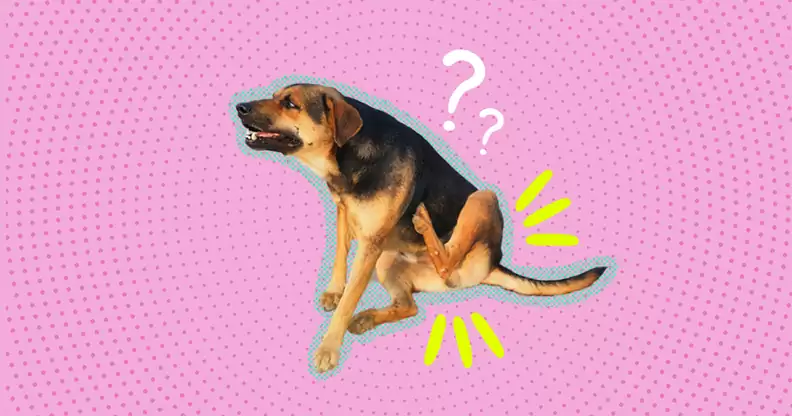
Start by putting on disposable gloves and gently lifting your dog’s tail to get a clear view of the anal area.
Look for swelling, redness, discharge, or any visible wounds around the anus before touching the area.
Gently sniff for an unusually strong, fishy odor, which often points to full or leaking anal glands.
Check the surrounding fur for rice-like segments, which can indicate a tapeworm infestation that needs treatment.
If your dog reacts painfully to a light touch near the rear, stop the check and schedule a vet visit instead of continuing.
Scooting vs Other Similar Behaviors
Not every rear-dragging motion is true scooting, so it helps to know how it differs from similar behaviors.
Some dogs rub their face or rear on carpet simply out of playfulness, which looks different from a slow, deliberate scoot.
True scooting involves the dog sitting down and pulling itself forward using its front legs while dragging the rear.
Rolling on the back, by contrast, usually points to general itchiness across the body rather than the anal area specifically.
Learning to tell these behaviors apart helps you decide whether a vet visit is necessary or not.
| Behavior | Likely Cause |
|---|---|
| Sitting and dragging rear forward | Anal gland or rear-end irritation |
| Rolling on back across the floor | General body itchiness |
| Rubbing face on carpet | Facial itch or allergy |
| Chasing tail before scooting | Localized irritation near tail base |
Natural and Supportive Remedies Some Owners Try
Some owners use warm compresses on the anal area to help soothe mild swelling and discomfort.
Apple cider vinegar diluted in water is sometimes used as a gentle rinse, though it should never be applied to broken skin.
Coconut oil is occasionally used for its mild anti-inflammatory properties when applied sparingly to irritated skin.
These remedies may offer temporary comfort, but they do not replace a proper diagnosis for recurring scooting.
Always check with your vet before trying a new home remedy, especially if your dog has sensitive or broken skin.
Building a Scooting Prevention Routine
A consistent routine is often more effective than reacting to scooting only after it starts.
Set a monthly reminder to check your dog’s rear end, even if they show no obvious signs of discomfort.
Keep a simple log of when scooting happens, what your dog ate that day, and any other symptoms noticed.
Share this log with your vet during checkups to help identify patterns tied to diet, season, or activity.
Small, consistent habits like this often prevent minor irritation from developing into a more serious, recurring problem.
Talking to Your Vet About Scooting
Bring specific details to your appointment, such as how often the scooting happens and any changes in diet or environment.
Mention if you have noticed odor, blood, swelling, or changes in your dog’s stool alongside the scooting.
Ask directly whether your dog’s anal glands need manual expression or if further testing is recommended.
If your dog has recurring issues, ask about long-term options like diet changes or, in severe cases, surgery.
Clear communication helps your vet reach an accurate diagnosis faster and choose the most effective treatment plan for your dog.
Frequently Asked Questions (FAQs)
1. Why do dogs scoot their butts on the floor?
Dogs scoot to relieve itching, pressure, or pain, most often caused by full or impacted anal glands.
2. Is dog scooting always serious?
No, occasional scooting is often normal, but frequent scooting usually signals an issue that needs a vet check.
3. Can worms cause a dog to scoot?
Yes, tapeworms are a common cause and often appear as rice-like segments near the anus or in stool.
4. How do I know if my dog’s anal glands are full?
Look for a fishy odor, swelling, frequent licking, or scooting shortly after a bowel movement.
5. Can I express my dog’s anal glands at home?
It is possible, but incorrect technique can cause injury, so many owners prefer a vet or groomer to do it.
6. Does diet affect scooting?
Yes, a high-fiber diet helps firm stool, which naturally supports anal gland expression during bowel movements.
7. Which dog breeds scoot the most?
Small breeds like Chihuahuas and Dachshunds, along with Bulldogs, tend to scoot more due to gland structure or skin folds.
8. Can allergies cause butt scooting?
Yes, food or environmental allergies can cause itching around the anus, leading to frequent scooting episodes.
9. When should I take my dog to the vet for scooting?
See a vet if scooting is frequent, or if you notice swelling, bleeding, odor, or signs of pain.
10. Can scooting be a behavioral habit?
Yes, some dogs scoot for attention after learning it gets a reaction, though medical causes should be ruled out first.
Conclusion
Understanding why do dogs scoot their butts helps you catch problems early and keep your dog comfortable. In most cases, the cause is impacted anal glands, parasites, allergies, or mild skin irritation.
Occasional scooting is usually harmless, but frequent episodes, odor, swelling, or bleeding are signs it is time to see a vet. A high-fiber diet, regular grooming, and routine checkups go a long way toward prevention.
Watching your dog’s behavior closely in 2026 and acting early on warning signs will keep them healthier and more comfortable long term.
If scooting continues despite home care, always trust a veterinary professional for an accurate diagnosis and the right treatment plan for your dog’s specific needs.
