

Why are veterans important is a question every American should be able to answer with pride and gratitude. Veterans are the men and women who chose to put the safety of a nation ahead of their own comfort.
They trained for war, missed birthdays and holidays, and carried the weight of duty so the rest of us could live free.
Their service did not end when the uniform came off. Veterans return home to become leaders, mentors, and pillars of their communities. They shape families, workplaces, and neighborhoods with the same discipline they learned in the field.
Who Are Veterans and What Do They Represent
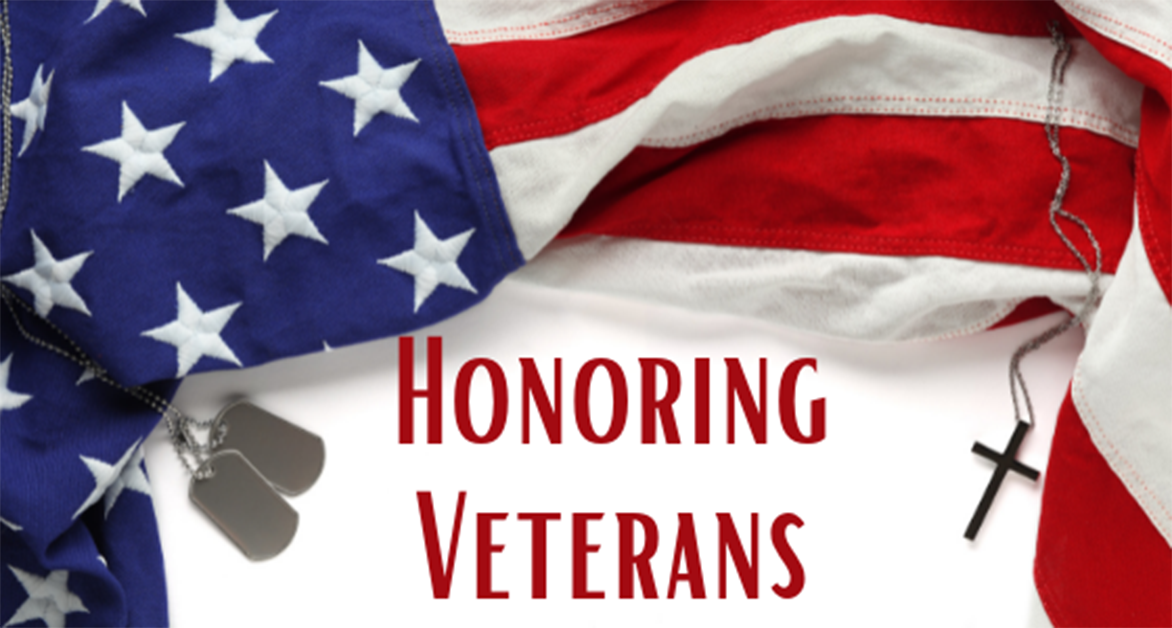
A veteran is anyone who has served in the armed forces, whether during wartime or peacetime. They took an oath to defend the Constitution, often at great personal risk.
Veterans represent more than just former service members. They stand for courage, sacrifice, and an unwavering commitment to something larger than themselves.
From World War II to modern conflicts overseas, veterans have shaped the direction of history. Without their willingness to serve, the world as we know it would look very different today.
Peacetime veterans deserve equal recognition alongside combat veterans. They stood ready to serve at any moment, training and preparing even when no active conflict demanded their deployment.
This constant readiness itself is a form of sacrifice, since peacetime veterans lived with the knowledge that they could be called into danger without warning at any time.
Why Are Veterans Important to Our Nation
Veterans are important because they are the backbone of our national security and identity. They stood on the front lines so ordinary citizens could go about daily life without fear.
Their contributions are not limited to combat. Veterans bring skills, values, and leadership that strengthen every corner of American society, from hospitals to classrooms to city councils.
Understanding why veterans are important helps new generations appreciate the true cost of the freedoms they enjoy every single day.
The Sacrifices Veterans Make for Our Freedom
Veterans sacrifice time with their families, physical health, and sometimes their lives to protect our freedom. Long deployments mean missed anniversaries, school events, and holidays.
Many veterans return with visible and invisible wounds, including physical injuries, PTSD, and anxiety. These sacrifices are a direct trade for the safety civilians often take for granted.
Recognizing these sacrifices is the first step toward genuinely honoring veterans rather than simply thanking them once a year.
Table: Common Sacrifices Veterans Make
| Type of Sacrifice | Impact on Veterans |
|---|---|
| Time away from family | Missed milestones, strained relationships |
| Physical health | Combat injuries, chronic pain, disability |
| Mental health | PTSD, anxiety, depression |
| Career interruption | Delayed education or civilian job growth |
| Personal safety | Direct exposure to combat and danger |
Leadership Skills Veterans Bring to Civilian Life
Military training builds leaders who can think clearly under pressure. Veterans learn to make fast decisions, manage teams, and handle crises calmly.
These skills transfer directly into civilian careers. Many veterans go on to become successful managers, entrepreneurs, first responders, and public servants.
Employers increasingly recognize that veterans bring reliability, discipline, and problem-solving skills that are difficult to teach in a traditional classroom.
Veterans as First Responders and Community Protectors
Many veterans continue their service by joining police departments, fire departments, and emergency medical teams. Their military training makes them naturally suited for high-pressure, life-saving work.
This continued service shows that the desire to protect others does not end with military discharge. It simply changes uniforms.
Communities with a strong veteran presence in public safety roles often benefit from experienced, disciplined, and mission-focused first responders.
Veterans as Role Models for Future Generations
Veterans model the values of discipline, honor, and perseverance for younger generations. Their stories teach children what commitment and sacrifice truly look like.
Many veterans mentor young people considering military or public service careers. Their guidance helps shape the next generation of leaders and protectors.
This mentorship reinforces why veterans are important beyond their years in uniform, extending their impact for decades after service ends.
Veterans’ Ongoing Commitment to Community Service
Service does not stop at discharge for most veterans. Many continue volunteering, coaching youth sports, or joining civic organizations after returning home.
This ongoing dedication strengthens neighborhoods and builds a culture of service that spreads well beyond the veteran community itself.
Veterans often say that helping others gives them the same sense of purpose they felt while serving, making community involvement a natural next chapter.
The Emotional and Psychological Toll of Service
Combat and long deployments leave lasting emotional marks. Studies have shown that a large percentage of returning combat veterans experience symptoms of PTSD, anxiety, or depression.
Unfortunately, many veterans hesitate to seek treatment due to stigma or lack of access. This makes mental health support an urgent priority for veteran care.
Addressing these invisible wounds is just as important as recognizing the physical sacrifices veterans have made for the country.
Peer support programs have shown strong results, since veterans often feel more comfortable opening up to others who understand military culture firsthand.
Expanding these peer networks alongside professional therapy could significantly improve treatment rates among veterans who currently avoid seeking help.
Challenges Veterans Face After Service
Transitioning back to civilian life is rarely simple. Veterans often struggle with finding stable employment, housing, and consistent healthcare access.
Homelessness remains a serious issue among veteran populations, especially those dealing with untreated mental health conditions or physical disabilities.
Understanding these challenges helps communities design better support systems tailored to what veterans actually need after service.
Table: Major Challenges Veterans Face
| Challenge | Why It Happens |
|---|---|
| Homelessness | Limited income, disability, mental health struggles |
| Unemployment | Skills mismatch, lack of civilian job translation |
| Mental health issues | PTSD, depression, and combat trauma |
| Healthcare access | Long wait times, limited VA resources in some areas |
| Social isolation | Difficulty reconnecting with civilian communities |
How the Department of Veterans Affairs Supports Veterans
The Department of Veterans Affairs offers healthcare, disability compensation, and counseling services to eligible veterans. These programs are designed to ease the transition into civilian life.
Despite these resources, many veterans report that support services fall short of actual demand, especially in rural or underserved areas.
Continued investment in VA programs remains essential to closing the gap between what veterans need and what they currently receive.
How Nonprofits and Communities Can Help Veterans
Nonprofit organizations play a critical role by offering job training, transitional housing, and financial assistance to veterans in need.
Local communities can also help by hiring veterans, hosting appreciation events, and donating to veteran-focused charities and shelters.
Small, consistent efforts from communities often make a bigger difference than large one-time gestures, especially for veterans facing long-term struggles.
Table: Ways Communities Can Support Veterans
| Support Method | Example Action |
|---|---|
| Employment | Hiring veterans, offering apprenticeships |
| Housing | Supporting transitional housing programs |
| Mental health | Funding counseling and peer-support groups |
| Awareness | Hosting community appreciation events |
| Financial aid | Donating to verified veteran charities |
The Historical Impact of Veterans on America
Veterans have shaped the outcome of nearly every major conflict America has faced, from the Revolutionary War to modern operations overseas. Their actions on the battlefield changed the course of history repeatedly.
Without the willingness of ordinary citizens to serve as soldiers, sailors, and airmen, the freedoms enjoyed today might never have existed. Every generation of veterans added another layer to the nation’s story.
Studying this history reminds us why veterans are important, not as an abstract idea, but as the real people who secured the country’s survival through direct sacrifice.
Table: Key Eras and Veteran Contributions
| Era | Veteran Contribution |
|---|---|
| Revolutionary War | Secured American independence |
| World War II | Defeated global tyranny, protected democracy |
| Korean and Vietnam Wars | Defended allied nations against aggression |
| Gulf War era | Protected international stability and security |
| Post-9/11 conflicts | Fought global terrorism and protected the homeland |
Veterans in the Workforce: Skills Employers Value
Employers across industries actively seek veterans because of the discipline and reliability they bring to the workplace. Military training builds habits that translate directly into strong job performance.
Veterans are often skilled in teamwork, problem-solving, and working calmly under tight deadlines. These qualities make them valuable additions to nearly any professional environment.
Many companies now run dedicated veteran hiring programs, recognizing that military experience often outperforms traditional resumes in real-world job settings.
Table: Military Skills and Their Civilian Equivalents
| Military Skill | Civilian Job Application |
|---|---|
| Leadership under pressure | Team management, project leadership |
| Logistics coordination | Supply chain and operations roles |
| Discipline and punctuality | Reliable attendance and performance |
| Crisis management | Emergency response, healthcare, IT support |
| Technical training | Engineering, aviation, and cybersecurity roles |
The Role of Veteran Families in the Support System
Military families sacrifice alongside veterans, often enduring long separations, frequent relocations, and constant uncertainty. Their support is a hidden but essential part of every veteran’s service.
Spouses and children of veterans frequently take on additional responsibilities at home, managing households alone during deployments that can last months or even years.
Recognizing family sacrifice is important because it broadens our understanding of why veterans are important, extending gratitude to the loved ones who supported them all along.
Educational Benefits and Opportunities for Veterans
The GI Bill and similar programs give veterans access to college tuition, vocational training, and certification programs after their service ends. These benefits help ease the transition into civilian careers.
Many veterans use these opportunities to pursue degrees in fields like healthcare, business, and technology, building new careers on top of their military experience.
Expanding awareness of these educational benefits ensures more veterans take advantage of resources designed specifically to support their long-term success.
Common Myths About Veterans
Some people assume all veterans saw direct combat, but many served in support roles that were equally essential to mission success. Every role within the military carries real value.
Another myth is that all veterans struggle with severe trauma. While many do face challenges, countless veterans transition successfully and thrive in civilian life.
Dispelling these myths helps the public engage with veterans more accurately, appreciating the full range of experiences within the veteran community.
The Economic Contribution of Veterans
Veterans contribute significantly to the economy through business ownership, skilled labor, and public sector employment. Veteran-owned businesses alone generate billions of dollars in annual revenue nationwide.
Their reliability and work ethic often result in lower turnover rates for employers, saving companies money on training and recruitment over time.
This economic impact reinforces why veterans are important well beyond the battlefield, proving their value continues to strengthen the country long after service ends.
The Legacy of Veterans in American Society
Veterans have shaped nearly every major chapter of American history, from the fight for independence to modern global conflicts. Their legacy is woven into the nation’s core values.
Many veterans become educators, entrepreneurs, and public leaders, passing their discipline and commitment on to future generations in civilian roles.
This lasting legacy proves that why veterans are important is not a question limited to wartime, but a truth that echoes through generations.
Why Veterans Day Still Matters in 2026
Veterans Day, observed every November 11th, exists to ensure veterans are never forgotten. Federal offices close, and communities host events to honor their service.
Beyond ceremonies, Veterans Day is a reminder that support for veterans must continue all year, not just on a single holiday.
In 2026, honoring veterans means combining tradition with real action, including advocacy, donations, and volunteering throughout the year.
The Connection Between Veterans and National Pride
Veterans represent the values that define the country, including courage, sacrifice, and loyalty. Their service creates a shared sense of identity that unites people across different backgrounds.
When communities celebrate veterans, they reinforce a collective appreciation for freedom and the effort required to protect it. This shared pride strengthens social bonds nationwide.
National pride rooted in veteran service reminds citizens that freedom is not automatic, but something actively earned and defended by real people.
Technology, Innovation, and the Veteran Connection
Many technologies used in everyday life, from GPS navigation to advanced medical treatments, originated from military research driven by veterans and defense programs. Their impact extends into innovation far beyond combat.
Veterans working in research and development continue applying lessons learned in the field to solve civilian problems in healthcare, transportation, and communication.
This ongoing innovation shows that veteran contributions are woven into modern life in ways many people never realize or acknowledge.
Veteran Support Organizations Making a Difference
Organizations such as the Wounded Warrior Project, Veterans of Foreign Wars, and Disabled American Veterans provide direct assistance, from healthcare navigation to job placement services.
These organizations rely heavily on public donations and volunteer support to continue serving veterans effectively across the country.
Supporting these groups is one of the most direct ways individuals can help address the real challenges veterans face after returning home.
Table: Popular Veteran Support Organizations
| Organization | Primary Focus |
|---|---|
| Wounded Warrior Project | Injury recovery and mental health support |
| Veterans of Foreign Wars | Advocacy and community programs |
| Disabled American Veterans | Benefits assistance and transportation |
| HUD-VASH | Housing assistance for homeless veterans |
| Team Rubicon | Disaster response using veteran skills |
Simple Everyday Ways to Honor Veterans
Honoring veterans does not require grand gestures. A simple thank you, a job opportunity, or a listening ear can mean more than most people realize.
Supporting veteran-owned businesses, attending local ceremonies, and checking in on veteran family members are all meaningful acts of appreciation.
Consistent, small efforts throughout the year show veterans that their sacrifice is remembered beyond a single day in November.
How Other Countries Honor Their Veterans
Many nations observe similar days of remembrance for their service members. Canada and the United Kingdom both mark Remembrance Day on November 11th with poppies and moments of silence.
These global traditions show that appreciation for veterans is a shared human value, not something unique to a single country or culture.
Comparing international approaches to veteran support can offer useful ideas for improving programs and recognition efforts here at home.
The Future of Veteran Support in 2026
As technology advances, new tools like telehealth and digital benefits platforms are making it easier for veterans to access healthcare and support services remotely.
Policymakers continue pushing for expanded mental health funding and streamlined benefits processing to reduce wait times for veterans in need.
Looking ahead, the goal is to build a support system that matches the level of commitment veterans themselves demonstrated during their years of service.
Frequently Asked Questions (FAQs)
Why are veterans important to society?
Veterans protect national freedom and bring leadership, discipline, and service values into civilian life. Their sacrifices shape both history and community strength.
What sacrifices do veterans make for their country?
Veterans sacrifice time with family, physical health, and mental well-being during service. Many also face long-term challenges after returning home.
How do veterans contribute after leaving the military?
Many veterans become first responders, business owners, mentors, and community leaders. Their skills translate directly into valuable civilian roles.
Why is Veterans Day important?
Veterans Day ensures veterans are formally recognized and remembered nationwide. It also highlights ongoing challenges veterans face after service.
What mental health challenges do veterans commonly face?
Many veterans experience PTSD, anxiety, and depression after combat exposure. Access to proper treatment remains a major ongoing concern.
How can communities support veterans effectively?
Communities can hire veterans, fund mental health programs, and support transitional housing. Consistent, practical support matters more than occasional gestures.
Why do veterans struggle with homelessness?
Homelessness often results from untreated mental health issues, disability, and unemployment. Limited access to support services worsens the problem.
What benefits does the VA provide to veterans?
The VA offers healthcare, disability compensation, and counseling services. However, demand frequently exceeds available resources in many regions.
How do veterans influence younger generations?
Veterans model discipline, courage, and service through mentorship and storytelling. Their example inspires future leaders and public servants.
Why should we continue honoring veterans beyond Veterans Day?
Veterans’ challenges and contributions continue year-round, not just in November. Ongoing support ensures their sacrifices are never forgotten.
Conclusion
Why are veterans important? Because they gave time, health, and often their lives so others could live in freedom. Their leadership, discipline, and dedication continue shaping communities long after their service ends.
Veterans face real challenges, including mental health struggles, homelessness, and difficult transitions into civilian life. Recognizing these struggles is essential to providing meaningful support.
Honoring veterans means more than a single day of appreciation. It means consistent action through employment opportunities, mental health resources, and community involvement all year long.
As we move through 2026, let us remember that veterans built the foundation of freedom we stand on today. Supporting them is not just a gesture of gratitude, it is a responsibility we all share as a nation.
Every veteran’s story is different, yet each one shares the same core truth: they chose service over self. Carrying that truth forward, in our actions and not just our words, is the clearest way to answer why are veterans important, today and for generations to come.
