

Why do men’s running shorts have liners is one of the most searched questions among new runners who open a fresh pair of shorts and find a built-in mesh brief sewn inside.
That extra layer is not a manufacturing mistake or a random design choice. It is a functional part of the short, added to solve problems that only show up once you start moving fast, sweating heavily, and covering real distance.
Liners exist to give support, cut down chafing, pull moisture away from skin, and remove the need for separate underwear. Once you understand what each liner type does, buying the right pair of shorts becomes far easier.
What Exactly Is a Liner in Running Shorts?
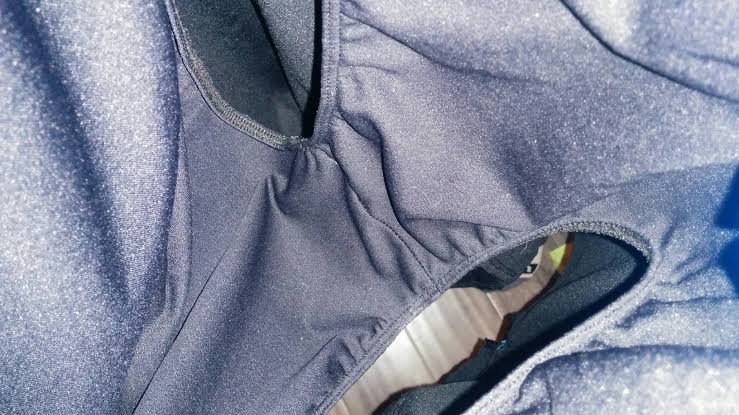
A liner is a thin, built-in layer of fabric stitched inside the shell of a running short. It sits directly against the skin, acting like underwear that never bunches, rides up, or needs to be worn separately.
Most liners are made from lightweight mesh, polyester, or nylon-spandex blends. These materials stretch with the body and dry fast after sweating.
Why Do Men’s Running Shorts Have Liners? The Core Reasons
Liners solve four problems at once: support, chafing, moisture, and simplicity. Runners rarely notice these issues until they run without a liner and feel the difference immediately.
The liner cups and holds everything close to the body, cutting down on bounce and unwanted movement during faster paces or long climbs.
It also creates a smooth barrier between skin and the outer shell fabric, which is the main defense against chafing on long runs.
Table: Core Reasons Men’s Running Shorts Include Liners
| Reason | What It Does | Best For |
|---|---|---|
| Support | Holds everything in place, reduces bounce | Speed work, trail runs |
| Chafing prevention | Smooth barrier reduces skin friction | Long-distance runs |
| Moisture management | Wicks sweat away from skin | Hot weather, high mileage |
| Simplicity | Removes the need for separate underwear | Everyday training |
| Hygiene | Limits bacterial buildup from trapped sweat | All conditions |
Built-In Support and Reduced Bounce
Running creates constant impact with every stride. Without support, that movement causes discomfort, especially over longer distances or faster paces.
A liner gently holds everything close to the body. This reduces excessive movement and the irritation that comes with it.
Many men report that this support feature is the single biggest reason they choose lined shorts over unlined ones for daily training.
Chafing Prevention Explained
Chafing happens when skin repeatedly rubs against fabric or against itself during movement. On humid days or long runs, this friction gets worse fast.
A liner creates a smooth, seamless layer next to the skin. This layer moves with the body instead of against it, which is the main reason chafing drops significantly.
Flatlock seams inside better liners reduce rubbing even further, which matters most for runners logging 10 miles or beyond.
Moisture-Wicking and Breathability
Sweat is unavoidable once a run passes the 10-minute mark. What matters is how fast that moisture leaves the skin.
Liners are usually built from quick-dry mesh or polyester blends designed to pull sweat outward toward the outer shell, where it evaporates.
This keeps the skin dry, reduces the sticky feeling mid-run, and lowers the risk of bacterial buildup that causes odor and irritation.
No Need for Separate Underwear
One of the simplest reasons liners exist is convenience. A built-in liner functions as underwear, so runners can put on shorts and go without thinking about another layer.
This also reduces laundry, reduces bulk, and removes the risk of underwear seams causing extra friction under the shorts.
Wearing regular cotton underwear underneath a liner is generally discouraged, since it traps moisture and can cause the exact chafing liners are designed to prevent.
Table: Lined vs Unlined Running Shorts
| Factor | Lined Shorts | Unlined Shorts |
|---|---|---|
| Support | Built-in, consistent | Depends on separate underwear |
| Chafing protection | Higher | Lower, unless paired with compression gear |
| Convenience | One layer, ready to wear | Requires pairing decisions |
| Breathability | Good, mesh-based | Excellent, fewer layers |
| Best use case | Long runs, daily training | Gym sessions, layering, personal preference |
Brief-Style Liners vs Compression Liners
There are two main liner types found in men’s running shorts. Each creates a very different feel during a run.
Brief-style liners feel close to regular underwear, with a short inseam and a loose, airy fit. They allow strong airflow and suit shorter, easier runs well.
Compression liners fit snugly like a second skin and extend further down the thigh. They offer stronger muscle support and extra protection against chafing on long runs.
Table: Brief Liner vs Compression Liner
| Feature | Brief-Style Liner | Compression Liner |
|---|---|---|
| Fit | Loose, underwear-like | Snug, second-skin fit |
| Airflow | High | Moderate |
| Support level | Light | Strong |
| Ideal distance | Short to moderate runs | Long runs, races |
| Chafe protection | Good | Excellent |
Do All Running Shorts Need a Liner?
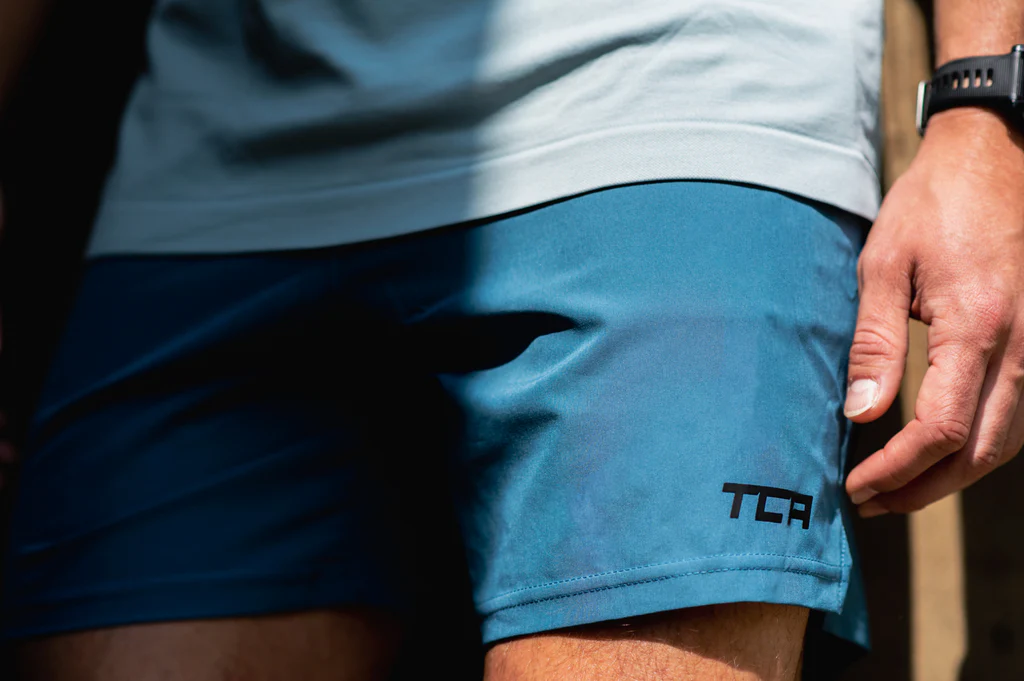
Not every runner needs a liner, and not every short includes one. Some athletes prefer removing the liner entirely and wearing their own underwear or compression shorts instead.
Racing shorts sometimes skip liners altogether to save weight, since every gram matters in competitive settings.
Everyday training shorts almost always include a liner because comfort and convenience matter more than shaving off a few grams.
When Runners Choose to Skip the Liner
Some men find brief-style liners uncomfortable due to seam placement or fit around individual anatomy. In these cases, switching to unlined shorts paired with proper running underwear solves the issue.
Trail runners carrying hydration packs sometimes prefer longer compression-style liners to prevent pack straps from causing extra rubbing.
Gym-goers who already wear compression shorts underneath often choose unlined shorts to avoid doubling up on layers unnecessarily.
Choosing the Right Liner for Your Running Style
Picking a liner style depends heavily on distance, climate, and personal comfort preferences. There is no single right answer for every runner.
Hot climates call for lightweight, open-mesh liners that maximize airflow and dry quickly between water stops.
Cooler weather runs benefit from liners with a touch more coverage, since they hold a small amount of warmth close to the body.
Table: Choosing a Liner by Running Condition
| Condition | Recommended Liner | Why |
|---|---|---|
| Hot weather | Lightweight mesh brief | Maximizes airflow, dries fast |
| Cold weather | Slight compression liner | Retains a bit of warmth |
| Long distance (15+ miles) | Compression liner | Reduces chafing over time |
| Short daily runs | Brief-style liner | Comfortable, breathable |
| Trail running | Longer compression liner | Reduces pack and strap friction |
Hygiene Benefits of Liners
Trapped sweat creates a breeding ground for bacteria, which leads to odor and skin irritation over time. Liners are built to reduce this risk.
Quick-dry fabrics used in liners limit how long moisture sits against the skin after a run ends.
Washing shorts after every run, rather than every few uses, keeps liners fresh and extends how long they perform well.
Caring for Running Shorts With Liners
Proper washing keeps liners performing at their best for much longer. A few small habits make a real difference here.
Avoid fabric softener, since it coats moisture-wicking fibers and reduces their ability to pull sweat away from skin.
Skip the dryer’s high heat setting. Air drying or a low tumble-dry setting protects the elastic fibers inside the liner.
Table: Liner Care Dos and Don’ts
| Do | Don’t |
|---|---|
| Wash after every sweaty run | Use fabric softener |
| Use cold or warm water | Use high heat in the dryer |
| Air dry when possible | Iron the liner fabric |
| Turn shorts inside out before washing | Leave sweaty shorts unwashed for days |
A Short History of Liners in Running Shorts
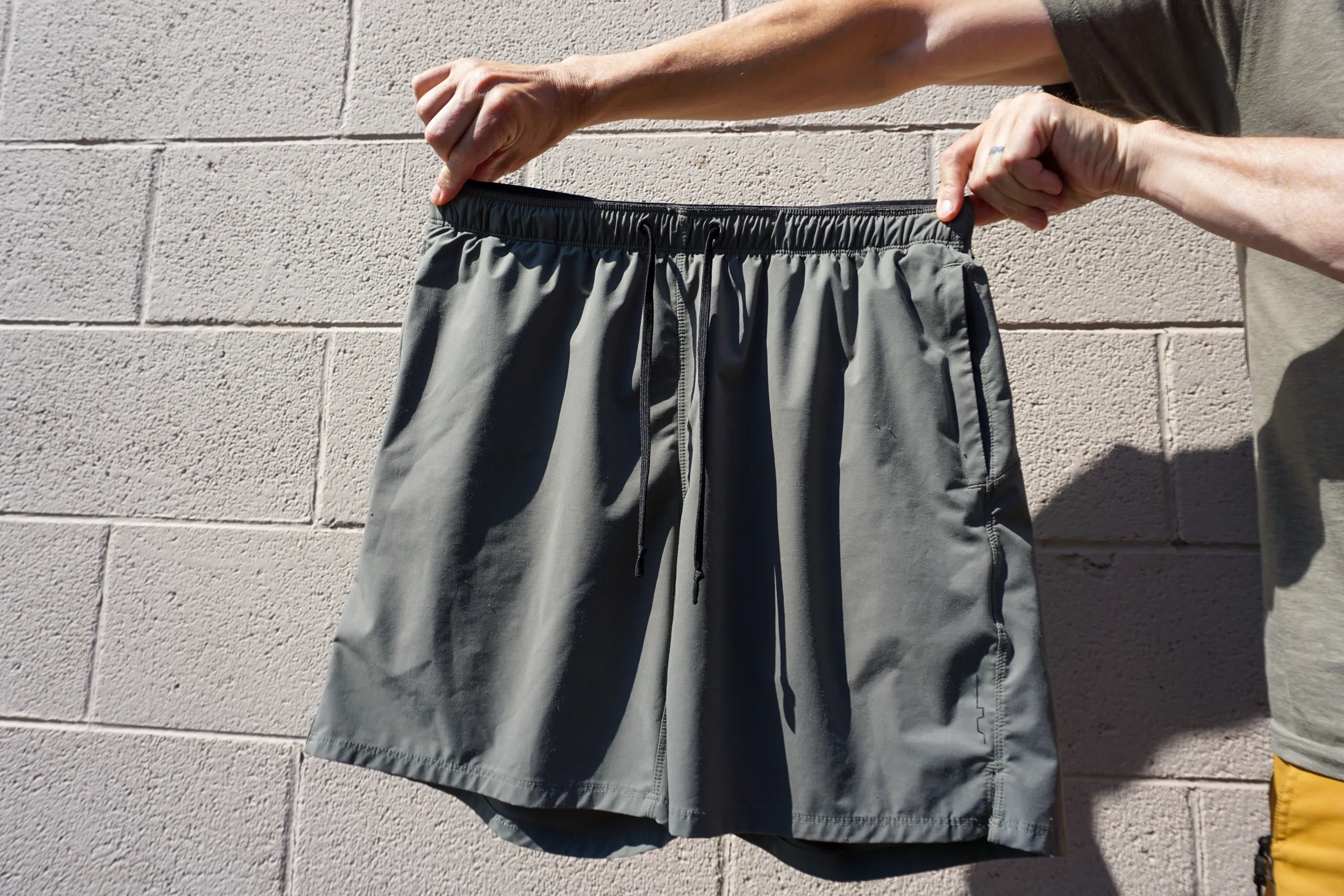
Liners were not always standard in men’s athletic wear. Decades ago, many gym and running shorts came without any internal layer at all.
As performance fabrics improved through the 1980s and 1990s, brands began sewing in mesh briefs to add comfort without requiring a separate undergarment.
Over time, liners evolved from simple mesh pouches into engineered layers with flatlock seams, targeted compression zones, and advanced moisture-wicking treatments.
Today, liners are considered a standard feature in most performance running shorts, whether for road racing, trail running, or daily training.
Liners vs Running-Specific Underwear
Some runners skip built-in liners entirely and rely on dedicated running underwear instead. This approach still solves the same core problems, just through a separate garment.
Running underwear is built from the same wicking materials as liners, offering a similar level of support and breathability.
The main tradeoff is convenience. A liner removes a decision from your morning routine, while separate underwear gives more flexibility to mix and match gear.
Table: Built-In Liner vs Separate Running Underwear
| Factor | Built-In Liner | Separate Running Underwear |
|---|---|---|
| Convenience | High, one layer only | Requires pairing two items |
| Flexibility | Fixed to the shorts | Can be worn with any shorts |
| Fit customization | Limited | More options for personal fit |
| Laundry | Washed together | Washed separately |
| Cost | Included in shorts price | Extra purchase required |
How Liners Benefit Different Types of Runners
Different runners rely on liners for slightly different reasons, depending on their training goals and typical mileage.
Beginner runners often value liners simply because they remove the guesswork of choosing the right underwear for exercise.
Marathon and ultra-distance runners depend on liners to prevent chafing from building up over several hours of continuous movement.
Sprinters and speed-focused athletes benefit from the support liners provide during explosive, high-impact strides where bounce is more noticeable.
Table: Liner Priorities by Runner Type
| Runner Type | Main Liner Benefit |
|---|---|
| Beginner | Simplicity, no extra underwear needed |
| Marathoner | Long-lasting chafe protection |
| Trail runner | Durability and pack-strap friction control |
| Sprinter | Support and reduced bounce |
| Casual gym-goer | Comfort and breathability |
Sizing and Fit Considerations for Liners
A liner only works well if it fits correctly. Too loose, and it will not provide support. Too tight, and it can dig in or cause its own irritation.
Most brands size liners to match the outer shell, so choosing your normal running shorts size is usually the safest starting point.
If you fall between sizes, sizing up is often better for liners, since a slightly looser fit reduces the risk of pinching or excessive compression.
Fabric Technology Behind Modern Liners
Modern liners use more than basic polyester. Many now include four-way stretch fabric, which moves smoothly in every direction during a run.
Anti-odor treatments are also common, using silver-based or other antimicrobial finishes to slow bacterial growth between washes.
Some premium liners add UPF-style sun protection, which matters for runners spending long hours outdoors in direct sunlight.
Sustainability and Recycled Materials in Liners
Many activewear brands now build liners from recycled polyester, reducing plastic waste while keeping the same performance qualities runners expect.
These recycled fabrics typically wick moisture and dry just as fast as virgin polyester, so performance is not sacrificed for sustainability.
Choosing shorts with recycled liner material is a simple way for runners to reduce their environmental footprint without changing their routine.
A Simple Buying Checklist for Lined Running Shorts
Before buying a new pair of running shorts, a quick checklist can help avoid picking the wrong liner style for your needs.
Check the liner type first: brief-style for daily comfort, compression for long runs or extra support.
Check the fabric for moisture-wicking claims and confirm the brand mentions flatlock or seamless construction to reduce chafing risk.
Finally, check reviews for fit feedback, since liner comfort varies more by individual body shape than almost any other running gear feature.
Common Myths About Running Shorts Liners
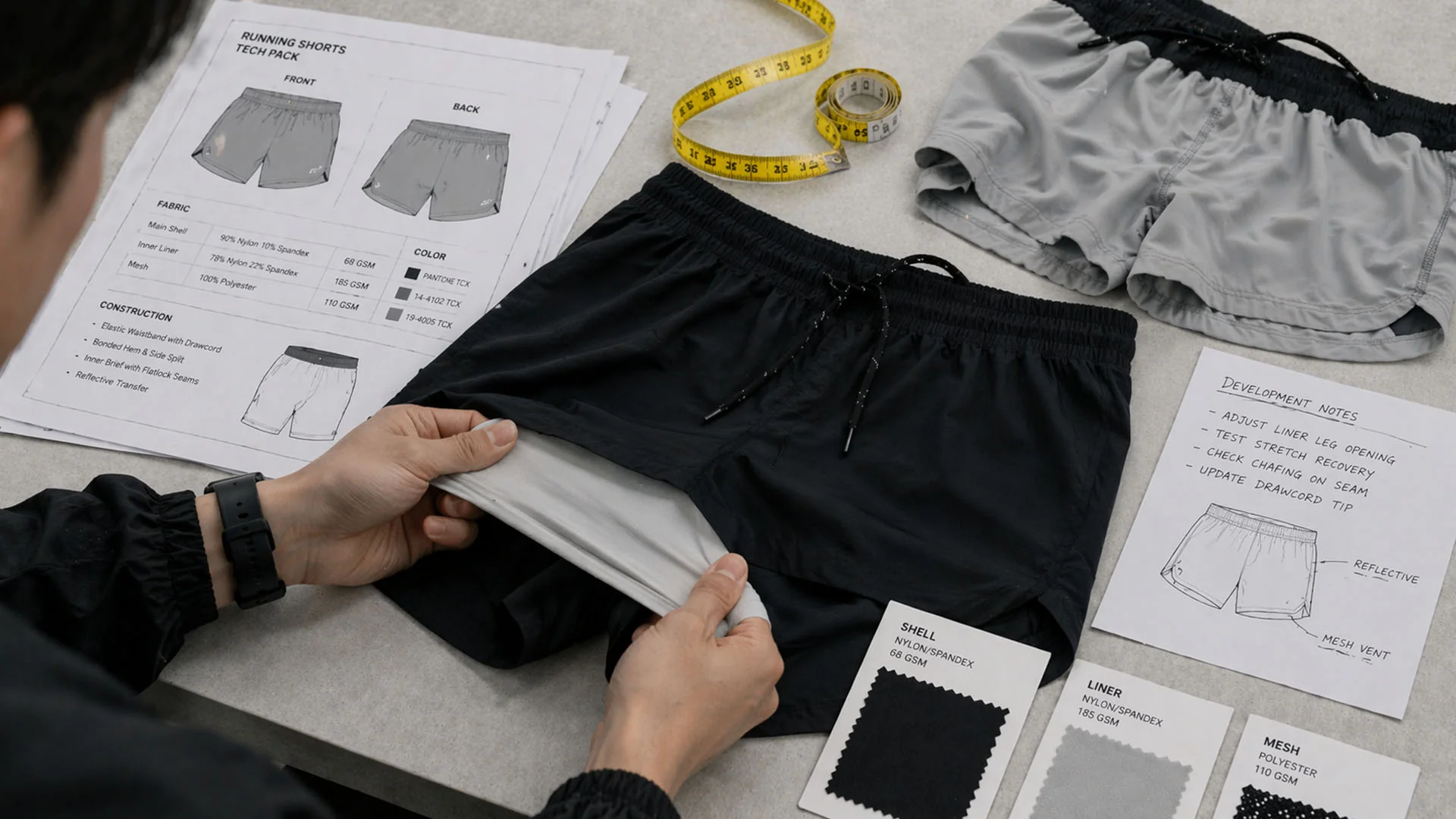
Many runners assume liners are just extra fabric with no real function. In reality, every element of a good liner is placed for a specific comfort or performance reason.
Another common myth is that liners are only for men. Women’s running shorts use liners just as often, built with slightly different shaping for comfort and support.
Some also believe liners are mandatory. In truth, plenty of experienced runners prefer unlined shorts paired with their own choice of underwear or compression gear.
Tips for First-Time Liner Users
Switching to lined running shorts for the first time can feel different, especially if you are used to wearing separate underwear underneath everything.
Give it a few runs before deciding. Many runners find the liner feels odd at first, then becomes unnoticeable once the fit breaks in slightly.
Avoid stacking a liner with regular underwear on your first few runs, since this combination is the most common cause of early chafing complaints.
Pay attention to seam placement during a short test run around the block before committing to a longer distance in new shorts.
How Liners Affect Overall Running Performance
Comfort and performance are closely linked. A distracting, chafing, or bouncing sensation pulls focus away from pace, breathing, and form.
By removing these small annoyances, a good liner allows a runner to stay mentally locked into the run itself rather than constantly adjusting clothing.
Over long races, this small comfort advantage can add up, especially during the final miles when fatigue makes every distraction feel larger than it is.
Signs It’s Time to Replace Your Liner
Liners lose elasticity over time, especially with frequent washing and heavy sweat exposure. A stretched-out liner no longer provides the same support or chafe protection.
Persistent odor that survives a normal wash cycle is a sign the fabric has broken down and lost its antimicrobial properties.
Visible thinning, holes, or looseness around the waistband area mean it is time to shop for a new pair.
Pairing Liners With the Right Outer Shell
The liner does not work alone. It performs best when paired with an outer shell that matches its purpose, whether that is racing, trail running, or daily training.
Lightweight nylon shells pair well with brief-style liners for a fast, breathable feel suited to shorter runs and warm weather.
Heavier, more durable shells often pair with compression liners, since both are built for longer mileage and rougher conditions like trail terrain.
Matching the shell and liner correctly ensures the shorts perform as a complete system rather than two mismatched parts fighting for the same job.
Frequently Asked Questions (FAQs)
Why do men’s running shorts have liners?
Liners provide built-in support, reduce chafing, manage sweat, and remove the need for separate underwear during runs.
Are liners in running shorts necessary?
No, they are not mandatory, but most runners find them more comfortable and convenient than wearing separate underwear.
Can I remove the liner from my running shorts?
Yes, liners can usually be cut or removed if you prefer running without them or want to wear your own underwear instead.
Do I need underwear under running shorts with a liner?
No, the liner is designed to function as your underwear, so adding another layer often causes bunching and extra chafing.
What is the difference between brief and compression liners?
Brief liners feel like loose underwear with strong airflow, while compression liners fit snugly and offer more muscle support.
Do liners help prevent chafing on long runs?
Yes, liners create a smooth barrier between skin and outer fabric, which is the main reason they reduce chafing significantly.
What fabric are running shorts liners made from?
Most liners use lightweight mesh, polyester, or nylon-spandex blends chosen for stretch, breathability, and quick drying.
Do women’s running shorts also have liners?
Yes, liners are common in women’s running shorts too, though the shaping differs slightly for fit and support needs.
How do I know when to replace a liner?
Replace it when the fabric feels stretched out, holds a persistent odor after washing, or shows visible thinning or holes.
Should racing shorts have a liner?
Not always. Some racing shorts skip liners to save weight, since competitive runners often prioritize minimal fabric over built-in support.
Conclusion
Men’s running shorts have liners because running creates real problems that a liner solves directly: bounce, chafing, trapped sweat, and the hassle of an extra clothing layer. A well-built liner supports the body, wicks moisture fast, and removes the need for separate underwear, all while staying light enough not to slow anyone down.
Choosing between a brief-style liner and a compression liner comes down to distance, climate, and personal comfort. Long runs and hot weather usually favor stronger support and better airflow, while short daily runs work fine with a simple brief liner. Some runners skip liners entirely, and that is a valid choice too.
The right pair of shorts is the one that disappears once you start running, letting you focus on the miles instead of adjusting your gear every few minutes.
