

Why do wisdom teeth hurt? It happens because these last molars often don’t have enough room to grow in properly, so they push against your jaw, gums, and nearby teeth.
This pressure leads to soreness, swelling, and sometimes sharp or throbbing pain that spreads to your jaw or ear.
Wisdom teeth usually appear between the ages of 17 and 25, and most people feel some discomfort as they emerge.
The pain can come from normal eruption, impaction, infection, or decay.
What Are Wisdom Teeth?
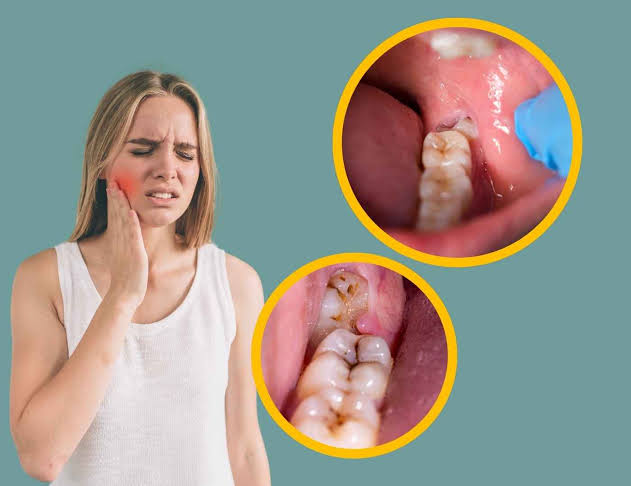
Wisdom teeth are the third and final set of molars that grow at the very back of your mouth. Most adults have four of them, two on top and two on the bottom.
They usually appear much later than your other adult teeth, generally between the late teens and mid-twenties. This is why they were nicknamed “wisdom” teeth.
Our ancestors needed these extra molars to chew tough, raw food like roots and meat. Modern diets and smaller jaws have made them far less useful today.
Because human jaws have gradually become smaller over time, many people simply don’t have enough space for a full set of 32 teeth, including wisdom teeth.
Why Do Wisdom Teeth Hurt? Main Causes
Wisdom tooth pain rarely has just one cause. It’s usually a mix of space problems, positioning issues, and sometimes infection or decay working together.
Not Enough Room in the Jaw
The most common reason wisdom teeth hurt is a lack of space. When your jaw can’t fit these new molars, they push against the teeth already in place.
This pressure can cause aching, tightness, and soreness that spreads along the jawline. It often gets worse when you chew or bite down.
Impacted Wisdom Teeth
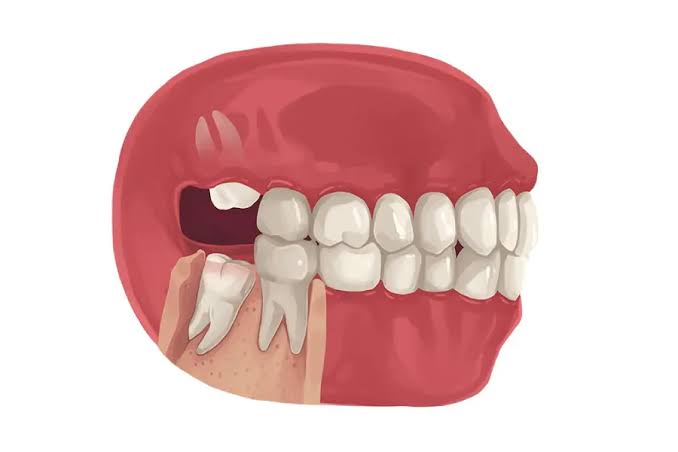
An impacted wisdom tooth is one that can’t fully break through the gum. It may be angled sideways, trapped under the gum, or only partially erupted.
Impaction is one of the leading causes of severe wisdom tooth pain. It can also damage the neighboring molar over time if left untreated.
Gum Infection (Pericoronitis)
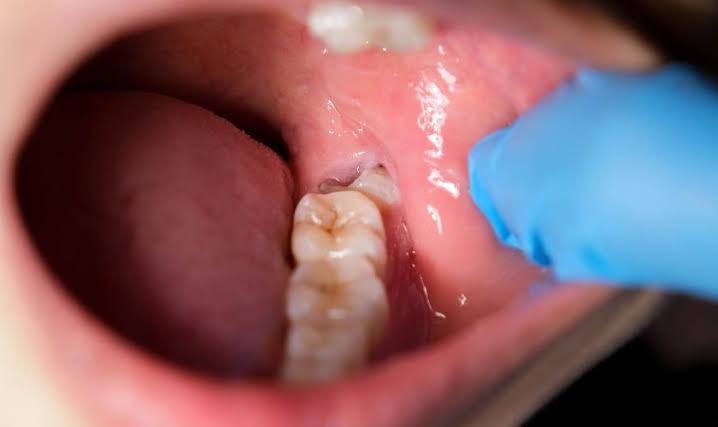
When a wisdom tooth partially erupts, it creates a flap of gum tissue over part of the tooth. Food and bacteria can easily get trapped underneath this flap.
This traps bacteria and leads to a painful gum infection called pericoronitis. Symptoms include swelling, redness, bad taste, and difficulty opening your mouth fully.
Tooth Decay and Cavities
Wisdom teeth sit so far back in the mouth that they’re genuinely hard to clean properly with a regular toothbrush or floss.
This makes them more prone to cavities and decay. Decay-related pain often feels sharp and gets worse with hot, cold, or sweet foods.
Pressure on Nearby Teeth
An emerging wisdom tooth can push directly against the second molar next to it. This creates tightness, discomfort, and sometimes crowding of your other teeth.
Over time, this pressure can shift your bite alignment and even damage the root of the adjacent tooth if it goes unchecked.
Teeth Grinding (Bruxism)
Grinding or clenching your teeth, especially at night, puts extra strain on wisdom teeth as they emerge. This can intensify existing soreness significantly.
Bruxism-related pain often shows up as jaw stiffness or a dull, constant ache that’s worse in the morning after waking up.
Common Symptoms of Wisdom Tooth Pain
Wisdom tooth pain doesn’t feel the same for everyone. Some people notice a mild ache, while others experience sharp or throbbing sensations.
Here are the symptoms dentists see most often when a wisdom tooth is causing trouble.
- A dull, persistent ache in the back of the jaw
- Throbbing pain that worsens while chewing
- Swollen or tender gums near the back molars
- Red or bleeding gum tissue
- A bad taste or odor coming from the gum area
- Jaw stiffness or difficulty opening your mouth wide
- Mild fever if infection is present
- Pain that radiates to the ear, temple, or throat
Types of Wisdom Tooth Pain
Not all wisdom tooth pain is the same. The table below breaks down how the cause of your pain usually relates to its type and severity.
| Cause | Type of Pain | Typical Severity |
|---|---|---|
| Normal Eruption | Tender gums, mild soreness | Mild to Moderate |
| Impaction | Deep, throbbing pain | Moderate to Severe |
| Infection (Pericoronitis) | Swelling, bad taste, intense pain | Severe |
| Pressure on Nearby Teeth | Tightness, jaw discomfort | Mild to Moderate |
| Tooth Decay | Sharp pain with hot or cold foods | Moderate |
| Teeth Grinding | Dull, constant ache | Mild to Moderate |
Pain intensity can also change from day to day. Swelling and pressure naturally rise and fall, so a tooth that felt fine yesterday may hurt more today.
At-Home Remedies for Wisdom Tooth Pain Relief
While you wait to see a dentist, several simple home remedies can help ease wisdom tooth pain and reduce swelling in the meantime.
Saltwater Rinse
Mix half a teaspoon of salt into half a cup of warm water and swish it gently around your mouth. Do this two to three times daily.
Saltwater helps flush out bacteria and food debris while reducing gum inflammation naturally, without any side effects or medication involved.
Cold Compress
Press an ice pack or a towel-wrapped bag of frozen vegetables against your cheek near the painful area for about fifteen minutes at a time.
Cold therapy numbs the area and reduces swelling, making it one of the fastest ways to dull sharp wisdom tooth pain.
Over-the-Counter Pain Relievers
Ibuprofen and acetaminophen are commonly recommended for wisdom tooth pain because they reduce both inflammation and discomfort effectively.
Always follow the dosage instructions on the package, and check with your dentist or doctor before combining medications.
Clove Oil
Clove oil has natural numbing and antibacterial properties that make it a popular home remedy for tooth pain relief.
Dab a small amount onto a cotton swab and apply it directly to the sore gum area for temporary relief.
Soft Food Diet
Eating soft, mild foods reduces the strain on your jaw and prevents further irritation to the sore area around your wisdom tooth.
Good options include yogurt, mashed potatoes, soup, and scrambled eggs until the soreness settles down.
Warm Compress for Jaw Stiffness
If your jaw feels tight or stiff rather than sharply painful, a warm compress can help relax the surrounding muscles.
Apply gentle heat externally for ten to fifteen minutes to ease tension and improve mobility in the jaw joint.
When to See a Dentist
Home remedies only offer temporary comfort. Certain symptoms mean it’s time to book a professional dental appointment without delay.
Watch for these warning signs that point to a more serious underlying problem.
- Pain that is severe, constant, or getting worse
- Visible swelling or pus around the tooth
- Fever or swollen lymph nodes
- Difficulty opening your jaw fully (trismus)
- Pain that disrupts sleep or eating
- Shifting or crowding of nearby teeth
If you notice any of these, don’t wait. Untreated infections and impactions can lead to more complicated, costly treatment later on.
How Dentists Diagnose Wisdom Tooth Pain
A dental exam usually starts with a visual check of your gums and teeth, followed by digital X-rays to see beneath the gumline clearly.
X-rays reveal the tooth’s angle, root position, and how close it sits to nearby nerves. This helps your dentist plan the safest treatment.
In some cases, your dentist may refer you to an oral surgeon, especially if the tooth is deeply impacted or close to a major nerve.
Wisdom Tooth Extraction: What to Expect
Extraction is the most common long-term solution when a wisdom tooth is impacted, infected, or causing damage to nearby teeth.
The procedure is typically done under local or general anesthesia, so you shouldn’t feel pain during the extraction itself.
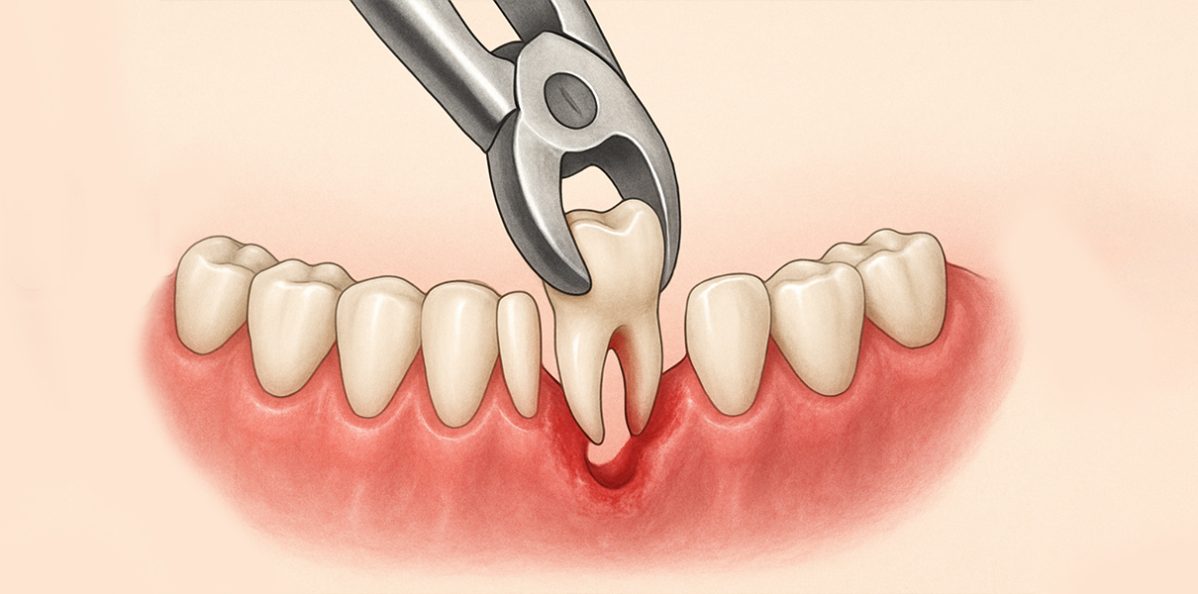
Your dentist or oral surgeon will loosen the tooth and remove it, sometimes in small sections if it’s impacted or angled awkwardly.
Not every wisdom tooth needs to come out. If it’s fully erupted, properly aligned, and causing no problems, your dentist may simply monitor it.
Recovery After Wisdom Tooth Removal
Recovery generally takes about seven to ten days, though most people start feeling noticeably better within the first two or three days.
Swelling and mild discomfort are normal right after surgery. Ice packs and prescribed or over-the-counter pain relievers help manage this early stage.
Stick to soft foods, avoid using straws, and follow your dentist’s aftercare instructions closely to lower your risk of complications.
Risks to Watch For
Like any surgical procedure, extraction carries some risk, including infection, dry socket, or temporary nerve numbness in rare cases.
These risks are low when an experienced professional performs the procedure and you follow post-operative care instructions carefully.
How to Prevent Wisdom Tooth Pain
While you can’t stop wisdom teeth from growing in, a few habits can reduce your risk of pain and complications.
- Brush and floss thoroughly, paying extra attention to the back molars
- Use an antiseptic mouthwash to reduce bacteria buildup
- Schedule regular dental checkups and X-rays starting in your late teens
- Avoid chewing hard or sticky foods if you feel early soreness
- Address early signs of eruption or impaction before they worsen
Regular monitoring is especially important between ages 15 and 22, since extraction tends to be easier and recovery faster at a younger age.
Wisdom Tooth Pain by Age Group
Wisdom teeth don’t affect everyone at the same age, and the pain experience can vary depending on when they start to emerge.
Teenagers (Ages 15-19)
At this age, jawbones are still slightly more flexible, and roots aren’t fully formed. Extraction, if needed, tends to be simpler and recovery quicker.
Pain in teenagers is often mild and linked to normal eruption rather than impaction, though early X-rays can still catch problems ahead of time.
Young Adults (Ages 20-25)
This is the most common age range for wisdom tooth pain and extraction. Roots are more developed, but jaw space issues are usually already clear.
Impaction and infection become more likely in this group, especially if the teeth haven’t been monitored with regular dental visits.
Adults Over 30
Wisdom teeth that haven’t caused problems by this age may stay symptom-free for life. However, if pain develops later, roots are fully formed and denser.
Extraction later in life can involve a slightly longer recovery time, which is why dentists often recommend addressing problem teeth earlier rather than later.
Common Myths About Wisdom Tooth Pain
There’s a lot of misinformation floating around about wisdom teeth. Clearing up these myths can help you make better decisions about your dental care.
Myth: Everyone Needs Their Wisdom Teeth Removed
This isn’t true. Many people have wisdom teeth that erupt fully, align properly, and never cause pain or complications throughout their life.
Myth: Wisdom Tooth Pain Always Means Infection
Pain can simply come from normal eruption or pressure. Not every ache signals infection, though persistent or worsening pain should still be checked.
Myth: You Can Just Ignore the Pain
Ignoring wisdom tooth pain can allow underlying issues like impaction or decay to worsen, potentially damaging nearby teeth or leading to costlier treatment later.
Myth: Removal Is Always a Painful, Long Process
Modern extraction techniques, digital X-rays, and anesthesia options make the procedure far more comfortable than most people expect, with recovery often complete within a week.
Wisdom Tooth Extraction Cost Overview
Cost is one of the biggest questions people have before scheduling an extraction. Prices vary based on complexity, location, and whether sedation is used.
| Extraction Type | Typical Complexity | Relative Cost |
|---|---|---|
| Fully Erupted Tooth | Simple | Lowest |
| Partially Erupted Tooth | Moderate | Moderate |
| Fully Impacted Tooth | Complex | Highest |
| Multiple Teeth (Same Visit) | Varies | Often Discounted per Tooth |
Dental insurance frequently covers a portion of extraction costs, especially when the procedure is medically necessary due to pain, infection, or impaction.
Aftercare Tips Following Extraction
Proper aftercare speeds up healing and lowers your risk of complications like dry socket or infection after your wisdom tooth is removed.
- Rest for the first 24 hours and avoid strenuous activity
- Bite gently on gauze to control bleeding as directed
- Avoid rinsing, spitting, or using straws for the first day
- Stick to soft, cool foods like yogurt or smoothies initially
- Take prescribed or recommended pain medication on schedule
- Avoid smoking, which can slow healing and raise infection risk
Most swelling peaks around day two or three, then gradually improves. Contact your dentist if pain worsens instead of improving after several days.
Wisdom Tooth Pain vs Other Dental Problems
Sometimes pain near your back molars isn’t actually caused by wisdom teeth at all. It can be mistaken for sinus pressure or an ear infection.
This happens because nerves around the wisdom teeth share pathways with the jaw joint, ear, and throat, so pain can radiate outward.
If ear exams come back normal but pain in the back of your jaw persists, your wisdom teeth are likely the real source.
Can Wisdom Tooth Pain Be a Dental Emergency?
In some cases, wisdom tooth pain crosses the line from uncomfortable to urgent, and waiting for a routine appointment isn’t the right move.
Seek emergency dental or medical care if you experience facial swelling that spreads toward your eye or neck, difficulty swallowing, trouble breathing, or a high fever alongside jaw pain.
These symptoms can indicate a spreading infection, which becomes more dangerous the longer it goes untreated. Emergency rooms and urgent dental clinics can provide antibiotics and immediate pain control while arranging follow-up care with a dentist or oral surgeon.
Lifestyle Tips to Manage Wisdom Tooth Discomfort
Beyond remedies and dental visits, small daily habits can make a noticeable difference in how much wisdom tooth pain affects your routine.
Sleep Positioning
Try sleeping with your head slightly elevated on an extra pillow. This reduces blood flow and pressure to the jaw area, easing throbbing pain overnight.
Stress Management
Since stress often triggers teeth grinding, practicing relaxation techniques like deep breathing can indirectly reduce pressure on an already sore wisdom tooth.
Gentle Oral Hygiene
Use a soft-bristled toothbrush and brush gently around the sore area. Being too aggressive can irritate inflamed gum tissue and worsen discomfort.
Hydration
Drinking plenty of water helps flush bacteria from the mouth and supports healing, especially if a partially erupted tooth has trapped food particles.
Combining these habits with the remedies and treatments covered earlier gives you a well-rounded approach to managing wisdom tooth pain until it’s fully resolved.
Frequently Asked Questions (FAQs)
Why do wisdom teeth hurt when they come in?
Wisdom teeth hurt because there’s often not enough space for them to erupt properly, causing pressure on the gums and jaw. This soreness is a normal part of eruption for most people.
How long does wisdom tooth pain usually last?
Mild eruption pain can last a few days to a couple of weeks. Pain from impaction or infection often continues until the tooth is treated or removed.
Can wisdom tooth pain go away on its own?
Yes, mild soreness from normal eruption often fades once the tooth settles into place. Pain from impaction or infection usually won’t resolve without treatment.
Is it normal for wisdom tooth pain to come and go?
Yes, this is very common. Swelling and pressure naturally rise and fall, so pain may feel worse some days and barely noticeable on others.
What does an infected wisdom tooth feel like?
Infection typically causes swelling, a bad taste, redness, and more intense throbbing pain. You may also develop a fever or swollen lymph nodes.
Should I remove a wisdom tooth even if it doesn’t hurt?
Not necessarily. If it’s fully erupted, properly aligned, and healthy, your dentist may just monitor it with regular checkups instead of removing it.
Can wisdom tooth pain cause headaches or ear pain?
Yes, because nearby nerves share pathways with the jaw, ear, and temple, wisdom tooth pain can radiate and mimic headaches or ear infections.
What home remedy works fastest for wisdom tooth pain?
A cold compress combined with an over-the-counter pain reliever like ibuprofen usually gives the fastest, most noticeable relief for most people.
At what age do wisdom teeth usually stop hurting?
Pain typically decreases once teeth fully erupt or are removed, usually between the late teens and mid-twenties, depending on individual eruption timing.
Do wisdom teeth grow back after extraction?
No, once a wisdom tooth is fully removed, it does not grow back. Rarely, small root fragments may remain and need minor additional treatment.
Conclusion
Wisdom tooth pain is one of the most common dental complaints, and it almost always comes down to limited space, impaction, infection, decay, or pressure on nearby teeth.
Mild soreness during normal eruption is usually nothing to worry about and can be managed with saltwater rinses, cold compresses, and over-the-counter pain relievers.
However, severe, constant, or worsening pain, swelling, fever, or jaw stiffness are signs you shouldn’t ignore.
A prompt dental exam with X-rays helps identify the exact cause and the safest treatment path, whether that’s simple monitoring or extraction.
Recovery from removal is generally smooth, especially when done earlier in life. If your wisdom teeth are hurting, don’t wait for the pain to worsen. Book a dental checkup, follow the home care tips in this guide, and get lasting relief for your smile.
