

Why does my throat hurt when I yawn? It’s a strange but common question, and most people notice it right after waking up or during a bout of frequent yawning.
The short answer is that yawning stretches the muscles and tissues of your throat wide open, and if that tissue is already dry, inflamed, or injured, the stretch makes the pain more noticeable.
In most cases this is harmless and linked to dryness, mild irritation, or a passing viral illness. In rarer cases it can point to something like strep throat, tonsillitis, or a jaw joint problem.
Why Does My Throat Hurt When I Yawn? The Short Version
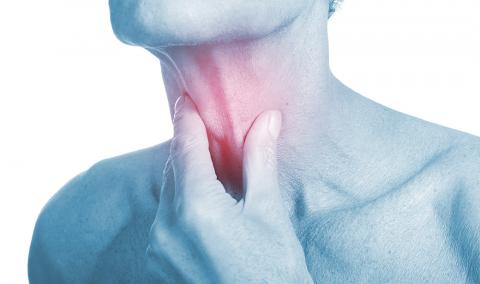
If your throat hurts when you yawn, it is usually because the tissue lining your throat is irritated, dry, or swollen. Yawning forces your throat to stretch wider than normal, which pulls on that irritated tissue and triggers pain signals.
Most causes are minor and resolve within a few days. A smaller number of causes, such as tonsillitis, strep throat, or an abscess, need medical treatment to fully heal.
What Happens Inside Your Throat When You Yawn
A yawn is not just an open mouth. It is a coordinated stretch involving your jaw, tongue, soft palate, and the pharynx at the back of your throat.
During a full yawn, your throat muscles contract and expand rapidly to pull in a large breath of air. This movement briefly stretches the lining of your throat well beyond its resting position.
If that lining is healthy, you feel nothing unusual. If it is inflamed, dry, or scratched, the stretch pulls on pain receptors and produces a sharp or scratchy sensation.
Why Do We Yawn in the First Place?
Yawning is a largely involuntary reflex, and scientists still debate its exact purpose even though nearly every vertebrate does it.
A typical yawn lasts about four to seven seconds and involves a long inhale, a brief moment of intense muscle stretching, and a rapid exhale.
Leading theories suggest yawning helps regulate brain temperature, increases alertness, and stretches the jaw and throat muscles after periods of inactivity.
Interestingly, yawning also opens the eustachian tubes that connect your middle ear to the back of your throat, which is why your ears sometimes pop when you yawn.
Common Causes of Throat Pain When Yawning
Dry Throat
A dry throat is one of the most frequent reasons yawning hurts. It happens when your mucous membranes are not producing enough moisture to keep your throat lubricated.
Sleeping with your mouth open, breathing dry indoor air, dehydration, allergies, and smoking are the usual triggers behind a dry throat.
Dryness makes tissue more fragile, so a wide yawn stretches it further and creates a scratchy or raw feeling almost immediately.
Viral Infections (Cold, Flu, COVID-19)
Common viral illnesses inflame the tissue lining your throat, and this inflammation is a major cause of pain during yawning.
Roughly 50 to 80 percent of all sore throats are caused by a viral infection rather than bacteria. When you yawn, air, saliva, and food particles pass over these inflamed areas and increase discomfort.
Viral sore throats usually affect both sides of the throat evenly and tend to improve within five to seven days without needing antibiotics.
Strep Throat
Strep throat is a bacterial infection caused by Streptococcus bacteria, and it is a well-known cause of sharp throat pain.
This infection accounts for roughly 5 to 15 percent of adult sore throat cases and 20 to 30 percent of cases in children. Swallowing is usually the most painful action, but yawning can trigger similar discomfort.
Strep throat typically comes with fever, red or swollen tonsils, and sometimes white patches, and it usually requires antibiotics to clear.
Tonsillitis
Your tonsils are two lymph nodes located at the back of your throat, and they can become infected and swollen.
Tonsillitis often causes a severe sore throat that hurts noticeably when swallowing and when yawning, since the wide-open stretch pulls directly on the swollen tissue.
Both viruses and bacteria can trigger tonsillitis, and in chronic or recurring cases a doctor may recommend removing the tonsils.
Muscle Strain From Talking, Singing, or Grinding

Not every cause of throat pain when yawning is related to infection. Overusing your throat and jaw muscles can also lead to soreness.
Extended talking, singing, shouting, or clenching your jaw and grinding your teeth overnight can leave the muscles around your throat and jaw tight and fatigued.
When you yawn, the wide stretch pulls on these already-tired muscles, producing a dull ache rather than a sharp, infection-related pain.
TMJ Disorders
The temporomandibular joint (TMJ) connects your jawbone to your skull and plays a direct role in how wide you can open your mouth to yawn.
TMJ disorders affect an estimated 5 to 12 percent of adults and can cause pain in the jaw joint that radiates toward the throat and ear during yawning.
People with TMJ issues often also notice clicking, popping, or stiffness in the jaw, especially first thing in the morning.
Acid Reflux (GERD)
Gastroesophageal reflux disease, or GERD, allows stomach acid to travel back up into the esophagus and throat.
This acid irritates and inflames the throat lining over time, a condition sometimes called laryngopharyngeal reflux or “silent reflux.”
Because the tissue is already irritated, the stretching motion of a yawn can make the burning or rawness more noticeable, especially after meals or lying down.
Throat Injury
Small physical injuries to the throat are more common than people realize. Swallowing something sharp, like a chip, cracker, or bone fragment, can scratch the lining of your throat.
The scratched area becomes tender, and when you yawn, air, food particles, or saliva can pass over the injury and irritate it further.
This type of pain is usually located in one specific spot rather than spread across both sides of the throat, and it tends to heal within a few days.
Mononucleosis
Mononucleosis, often called “mono,” is caused by the Epstein-Barr virus and commonly produces a sore throat along with fever and swollen lymph nodes.
The virus spreads primarily through saliva, which is why mono is sometimes nicknamed the “kissing disease.”
Because mono causes significant throat and tonsil swelling, yawning can add extra strain to already inflamed tissue.
Epiglottitis
Epiglottitis is an infection of the epiglottis, the small flap of tissue that closes over your airway when you swallow.
This condition is uncommon but serious, since swelling can restrict breathing. Because the epiglottis shifts position during yawning and breathing, pain may be noticeable during a yawn.
Epiglottitis usually comes with a sore throat, fever, and painful swallowing, and it requires immediate emergency medical attention.
Peritonsillar Abscess
A peritonsillar abscess is a pocket of infection that forms behind the tonsil, often as a complication of untreated tonsillitis or strep throat.
This condition causes worsening pain, often more severe on one side, along with difficulty opening the mouth fully, which makes yawning especially painful.
Other symptoms include muffled speech, earache, and trouble swallowing, and this condition typically needs prompt medical drainage and antibiotics.
Throat Cancer (Rare)
Throat cancer is an uncommon but important cause of persistent throat discomfort, and it is worth mentioning even though it is rare.
Persistent throat pain that does not improve, along with hoarseness, a lump in the neck, or difficulty swallowing, are common warning signs according to major cancer centers.
If a tumor is located near the epiglottis, yawning could theoretically trigger discomfort, though this is not a common presenting symptom on its own.
Causes at a Glance: Comparison Table
| Possible Cause | Typical Pain Pattern | Common Extra Symptoms | Usually Needs a Doctor? |
|---|---|---|---|
| Dry throat | Scratchy, mild | Worse in the morning, thirst | No |
| Viral infection (cold, flu, COVID) | Both sides, moderate | Cough, congestion, fatigue | Usually no |
| Strep throat | Sharp, worse swallowing | Fever, red tonsils, white patches | Yes |
| Tonsillitis | Severe, both sides | Swollen tonsils, bad breath | Often yes |
| Muscle strain / TMJ | Dull ache, jaw related | Jaw clicking, stiffness | Sometimes |
| GERD / acid reflux | Burning, raw feeling | Worse after meals, heartburn | Sometimes |
| Throat injury | Sharp, one spot | No fever, localized tenderness | Usually no |
| Mononucleosis | Severe, prolonged | Fatigue, swollen glands | Yes |
| Epiglottitis | Severe, breathing trouble | High fever, drooling | Emergency |
| Peritonsillar abscess | Severe, one-sided | Trouble opening mouth | Emergency |
Risk Factors That Make Throat Pain More Likely

Certain habits and health conditions make it more likely that yawning will trigger throat discomfort, even from otherwise minor irritation.
Smoking, frequent alcohol use, and chronic dehydration all dry out and weaken the throat’s protective lining over time.
Seasonal allergies, sinus infections, and postnasal drip keep the throat mildly inflamed, which makes stretching from a yawn more noticeable.
People with a history of acid reflux, chronic teeth grinding, or previous tonsil infections also tend to experience this type of pain more often than others.
How Doctors Diagnose the Underlying Cause
If your throat pain persists, a doctor will usually start with a physical exam, checking your throat, tonsils, ears, and lymph nodes for signs of swelling or infection.
A rapid strep test or throat swab can confirm or rule out a bacterial infection within minutes in most clinics.
For suspected TMJ disorders or muscle-related pain, a doctor may examine your jaw’s range of motion and listen for clicking or popping sounds.
In cases involving persistent symptoms, imaging tests or a referral to an ENT specialist may be recommended to look more closely at the throat and surrounding structures.
Prevention Tips for Long-Term Throat Comfort
Drinking enough water throughout the day is one of the simplest ways to prevent dryness-related throat pain from developing in the first place.
Using a humidifier in your bedroom, especially during dry winter months, helps keep your throat’s mucous membranes healthy overnight.
Practicing good posture and taking breaks during long periods of talking or singing reduces unnecessary strain on your throat and jaw muscles.
Managing allergies with the right medication and treating acid reflux early can also prevent the chronic irritation that often makes yawning uncomfortable.
Warning Signs You Should Not Ignore
Most throat pain from yawning is harmless, but certain symptoms point to something that needs medical attention rather than home care.
Seek prompt evaluation if you notice difficulty breathing, drooling, a muffled voice, or an inability to swallow liquids, since these can signal a blocked airway.
A fever above 101°F, pain lasting longer than seven days, or swollen lymph nodes in the neck are also reasons to schedule a doctor’s visit rather than wait it out.
How to Relieve Throat Pain When Yawning
Warm Salt Water Gargles
Mixing about half a teaspoon of salt into eight ounces of warm water and gargling several times a day helps reduce swelling and soothe irritated tissue.
This remedy is simple, inexpensive, and works well for dryness, mild viral infections, and general irritation.
Stay Hydrated
Drinking plenty of water throughout the day keeps your throat’s mucous membranes moist and less prone to cracking or scratchy pain during a yawn.
Warm liquids like herbal tea or broth can be especially soothing if your throat feels dry or scratchy.
Use a Humidifier
Running a humidifier, especially while you sleep, adds moisture back into the air and prevents your throat from drying out overnight.
This is particularly helpful for people who sleep with their mouth open or live in dry climates.
Throat Lozenges and Over-the-Counter Pain Relief
Throat lozenges can coat and soothe irritated tissue, while over-the-counter pain relievers like ibuprofen or acetaminophen can reduce inflammation and general discomfort.
These options work well for temporary relief while your body heals from a minor infection or irritation.
Avoid Irritants
Cigarette smoke, secondhand smoke, and strong chemical fumes can all worsen throat irritation and should be avoided while your throat is healing.
Cutting back on shouting, singing, or extended talking also gives strained throat and jaw muscles time to recover.
Gentle Jaw and Neck Stretches
If muscle tension or TMJ discomfort is behind your pain, gentle jaw stretches and relaxation techniques like deep breathing can ease tightness over time.
Avoiding forceful, wide yawns when possible can also reduce strain while your jaw muscles recover.
Throat Pain When Yawning: Kids vs. Adults
Children tend to experience throat pain from yawning more often during strep throat or tonsillitis episodes, since these infections are especially common in school-age kids.
Watch for additional signs in children, such as refusing food, drooling, or complaining of ear pain, since younger kids may not describe throat pain clearly.
Adults are more likely to experience yawning-related throat pain from dryness, acid reflux, TMJ disorders, or muscle strain tied to work stress and long hours of talking.
In both age groups, a fever, difficulty breathing, or pain lasting beyond a week is a clear signal to schedule a medical visit rather than wait.
When to See a Doctor

You should schedule a medical appointment if throat pain lasts more than a week, keeps returning, or comes with a persistent fever.
Difficulty swallowing solid food or liquids, a noticeably one-sided sore throat, or a lump you can feel in your neck also warrant a professional evaluation.
An ENT specialist or your primary care provider can examine your throat, run tests if needed, and rule out infections, TMJ disorders, or reflux as the underlying cause.
Natural Habits That Support Throat Healing
Resting your voice for a day or two gives inflamed or strained throat tissue a real chance to recover, especially after a cold or heavy talking session.
Eating soft, non-irritating foods like soup, yogurt, or mashed vegetables avoids scratching an already tender throat while it heals.
Sleeping with your head slightly elevated can reduce nighttime acid reflux, which helps prevent morning throat irritation that often feels worse during your first yawns of the day.
Consistent sleep and stress management also lower the chances of jaw clenching or teeth grinding, both of which can quietly contribute to sore, yawn-triggered throat pain.
Cutting back on caffeine and alcohol in the evening can further reduce nighttime dryness and reflux, giving your throat a better chance to feel normal by morning.
Frequently Asked Questions (FAQs)
1. Why does my throat hurt only when I yawn and not when I swallow?
This usually means the pain is linked to stretching rather than swallowing motion, pointing toward muscle strain, TMJ, or mild throat dryness. Infections tend to hurt during both actions.
2. Is it normal for my throat to hurt every time I yawn?
Occasional discomfort during yawning is common and usually linked to dryness or mild irritation. If it happens every single time for more than a week, it’s worth having it checked.
3. Can allergies cause my throat to hurt when I yawn?
Yes, allergies can dry out and inflame your throat lining through postnasal drip and mouth breathing. This irritation often becomes more noticeable during a wide yawn.
4. Can acid reflux really cause pain during yawning?
Yes, acid reflux irritates the throat lining over time, making it more sensitive to the stretching motion of a yawn. This is sometimes called silent reflux when there is no obvious heartburn.
5. How long does throat pain from yawning usually last?
Pain from dryness, mild irritation, or muscle strain usually resolves in one to three days. Pain from an infection like strep or tonsillitis may last five to seven days or longer without treatment.
6. Should I be worried if only one side of my throat hurts when I yawn?
One-sided pain can indicate a localized issue like an injury, an abscess, or swollen tonsil tissue on that side. If it’s severe or worsening, see a doctor promptly.
7. Can jaw clicking and throat pain during yawning be related?
Yes, jaw clicking alongside throat discomfort often points to a TMJ disorder rather than an infection. The joint’s dysfunction can radiate pain toward the throat and ear.
8. Does yawning make an existing sore throat worse?
Yes, yawning stretches inflamed or swollen throat tissue beyond its normal resting range, which can intensify existing soreness. This is common with colds, flu, and tonsillitis.
9. Can stress or fatigue cause throat pain when yawning?
Stress and fatigue can increase yawning frequency and also lead to jaw clenching, which strains throat-adjacent muscles. This combination can make yawning feel more uncomfortable.
10. When should I go to urgent care for throat pain while yawning?
Go immediately if you have difficulty breathing, drooling, a muffled voice, or cannot swallow liquids. These symptoms can indicate a blocked airway or serious infection.
Conclusion
Throat pain when you yawn is usually nothing to panic about. In most cases, it comes down to a dry throat, a passing viral infection, or muscle strain from talking, singing, or grinding your teeth.
Conditions like strep throat, tonsillitis, TMJ disorders, and acid reflux are less common but still frequent causes worth recognizing.
Simple home remedies like warm salt water gargles, staying hydrated, and using a humidifier resolve most mild cases within a few days.
However, certain warning signs, including difficulty breathing, a fever above 101°F, one-sided severe pain, or trouble swallowing liquids, mean you should see a doctor rather than wait it out.
Paying attention to how the pain feels, where it’s located, and what other symptoms come with it will help you figure out whether this is a minor annoyance or something that needs medical care. When in doubt, a quick visit to your doctor or an ENT specialist can give you clarity and peace of mind.
