

Why do cats cover their poop is a question almost every cat owner asks the first time they hear that unmistakable scratch-scratch-scratch coming from the litter box.
The short answer is instinct. Domestic cats inherited this behavior from their wild ancestors, who buried waste to hide their scent from predators and more dominant animals.
It also keeps their living space clean and odor-free, which matters to a species with an extremely strong sense of smell.
Is Covering Poop Normal Cat Behavior?
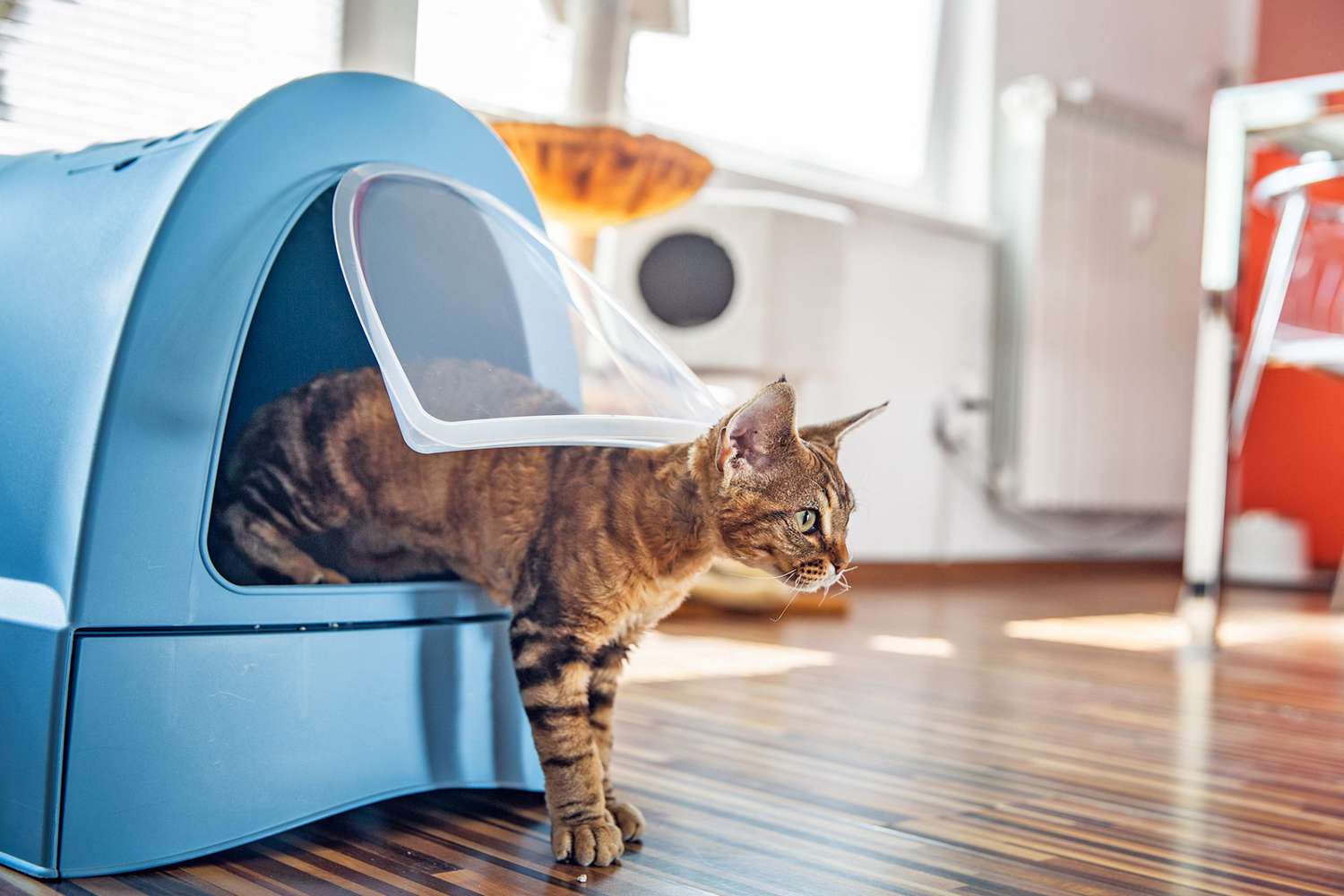
Yes, covering poop is completely normal and instinctive for most domestic cats. It is one of the most consistent behaviors seen across the entire species, from barn cats to purebred house pets.
This habit is rooted in survival instincts passed down from wild ancestors, even though pet cats no longer face the same predator threats.
Veterinarians and animal behaviorists agree that this is one of the clearest examples of an ancient instinct surviving fully intact inside a safe, modern household.
The Wild Origins of Poop-Covering Behavior
Wild cats living in the African savannah buried their waste to avoid detection from both predators and prey. Staying hidden was a matter of survival every single day.
Domestic cats retain this same instinct today, even in a safe indoor environment where no real threats exist.
This means your house cat is not consciously deciding “I should be tidy.” Instead, thousands of years of evolutionary programming are quietly steering the behavior every single time.
Reason 1: Hiding Scent From Predators
In the wild, the smell of feces can alert predators to a cat’s location. Covering it up removes that dangerous scent trail.
This deeply wired survival instinct still drives the behavior every single time your cat uses the litter box, regardless of how safe and predator-free their home actually is.
Reason 2: Showing Respect to a Dominant Member
Cats living in social groups with a more dominant animal will often bury their waste as a sign of respect. This avoids challenging the dominant individual.
In a home setting, many cats view their human owner as the dominant figure, which is why they instinctively cover their poop for you.
Reason 3: Keeping Their Territory Clean
Cats are famously fastidious animals, and smell is one of their most powerful senses. Covering waste keeps their environment tidy and less pungent.
This allows them to eat, drink, sleep, and play nearby without being bothered by the lingering odor of their own waste.
Reason 4: Preventing Contamination of Food and Water
In the wild, cats avoid going to the bathroom near their food and water sources. Covering waste helps maintain that separation.
This instinct carries over to domestic cats, who often prefer a litter box placed away from their feeding area.
Reason 5: Reducing Parasite and Disease Risk
Exposed waste can attract parasites, bacteria, and disease in outdoor environments. Burying it lowers this health risk for the cat and nearby animals.
This hygiene-driven instinct helps explain why covering behavior appears so consistently, even in cats that have never lived outdoors.
Reason 6: Concealing Identity From Other Cats
Cat feces contain unique chemical markers called pheromones. These markers reveal information about the cat that produced them.
By covering their waste, cats limit how much personal scent information is available to other cats in the area.
Quick Facts Table: Why Cats Cover Their Poop
| Reason | Purpose |
|---|---|
| Predator avoidance | Hides scent trail from potential threats |
| Respect for dominant animal | Avoids appearing challenging or territorial |
| Cleanliness instinct | Keeps living space tidy and odor-free |
| Food and water protection | Prevents contamination near feeding areas |
| Disease prevention | Reduces parasite and bacteria exposure |
| Scent concealment | Limits pheromone information available to others |
This table summarizes the core instincts driving one of the most consistent behaviors in domestic cats.
Do All Cats Cover Their Poop?
No, not every cat covers its poop consistently. Some cats skip this behavior occasionally, while others rarely do it at all.
This variation can be completely normal or can signal something worth watching, depending on the individual cat and situation.
Why Some Cats Don’t Cover Their Poop
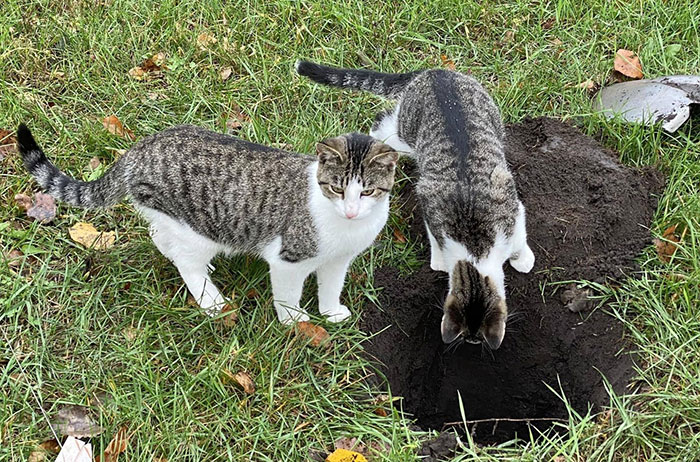
Not covering waste is not automatically a problem. Several natural and behavioral reasons can explain this pattern.
Territorial Marking and Dominance
Confident cats sometimes leave waste uncovered on purpose. This acts as a territorial marker, signaling that they are not afraid of a challenge.
This is more common in multi-cat households or when a new cat has recently joined the home.
Kittens Still Learning the Behavior
Kittens typically learn to cover their waste by watching their mother. Cats separated from their mother too early may miss this learning opportunity.
Most kittens improve at this behavior naturally as they mature and gain more litter box experience.
Stress or Anxiety
Cats experiencing stress may rush through the litter box and skip covering. Common stress triggers include new pets, moving homes, or loud noises.
A stressed cat may also want to leave the area quickly rather than lingering to bury waste.
Litter Box Setup Issues
An uncomfortable litter box setup can discourage full covering behavior. This includes boxes that are too small, dirty, or placed in high-traffic areas.
Cats need enough room to dig, turn, and cover comfortably, so a cramped box often leads to incomplete covering.
Medical or Physical Discomfort
Health issues like arthritis, joint pain, or digestive discomfort can make digging and covering physically difficult. Painful conditions may cause a cat to rush out of the box entirely.
A sudden change in covering behavior is often one of the first visible clues of an underlying health issue.
Comparison Table: Covering vs Not Covering
| Behavior | Common Meaning |
|---|---|
| Consistently covers poop | Normal, comfortable, low-stress litter box use |
| Occasionally skips covering | Often normal variation, not usually concerning |
| Suddenly stops covering | May indicate stress, pain, or illness |
| Never covers, confident cat | Possible dominance or territorial marking |
| Kitten not covering yet | Likely still learning, usually improves with age |
Understanding this pattern helps owners tell the difference between quirky personality and a real red flag.
When Not Covering Poop Signals a Problem
While variation is normal, some signs suggest it is time to investigate further. Watching for these patterns protects your cat’s health and comfort.
| Warning Sign | Possible Cause |
|---|---|
| Sudden change from covering to not covering | Stress, illness, or pain |
| Straining or visible discomfort in the box | Constipation or digestive issue |
| Avoiding the litter box altogether | Litter aversion or medical pain |
| Aggression or tension between multiple cats | Territorial conflict |
| Lethargy, appetite loss, or vomiting alongside the change | Underlying illness requiring a vet visit |
A sudden behavior shift, especially paired with other symptoms, is the clearest signal that a vet check is worthwhile.
How Litter Box Setup Affects Covering Behavior
The physical litter box environment plays a bigger role than most owners realize. Small adjustments can make a noticeable difference.
Cats generally prefer a box large enough to turn around and dig comfortably. A box that feels cramped often leads to rushed, incomplete covering.
Placement matters too. A quiet, low-traffic spot with multiple escape routes helps a cat feel safe enough to fully complete the covering ritual.
Best Litter Types for Encouraging Covering Behavior
Litter texture and depth directly influence how willing a cat is to dig and bury waste. Choosing the right type supports natural covering instincts.
| Litter Type | Covering-Friendly Rating |
|---|---|
| Fine-grain clumping litter | High, digs and covers easily |
| Medium-texture clumping litter | High, widely preferred by most cats |
| Coarse or pellet-style litter | Lower, some cats avoid digging in it |
| Crystal or silica litter | Variable, texture can feel unfamiliar |
| Scented litter | Lower, strong scents can discourage lingering |
Unscented, medium to fine clumping litter tends to work best for encouraging consistent covering behavior.
Does Age Affect Covering Behavior?
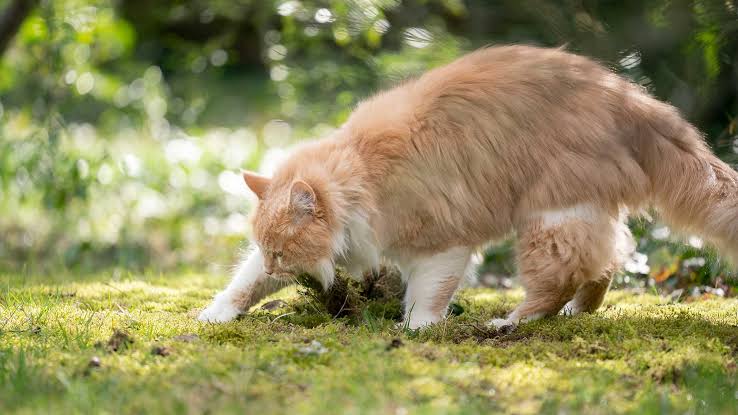
Age plays a real role in how consistently a cat covers its waste. Kittens, adult cats, and senior cats often behave differently in the litter box.
Kittens are still building coordination and may not yet fully master the digging and covering motion. This typically improves within the first several months.
Senior cats sometimes cover less consistently due to joint stiffness or arthritis, which makes the digging motion physically uncomfortable rather than something they are choosing to skip.
Multi-Cat Households and Covering Behavior
Covering patterns often shift in homes with more than one cat. Social dynamics between cats can directly influence litter box habits.
A more submissive cat may cover thoroughly to avoid drawing attention, while a dominant cat in the same household might leave waste uncovered as a territorial statement.
Providing separate litter boxes for each cat, plus one extra, helps reduce this tension and supports more natural, low-stress covering behavior for every cat in the home.
How Behaviorists Study This Instinct
Animal behaviorists have long been fascinated by how consistently this instinct appears across both wild and domestic cat populations.
Researchers point to it as strong evidence that many “hardwired” behaviors persist for generations, even after the original survival pressure disappears entirely.
This is part of why the behavior feels so automatic. Your cat is not weighing pros and cons; the instinct simply activates every time waste is produced.
Cats vs Dogs: Why the Difference?
Owners often wonder why dogs rarely bury their waste the way cats do. The answer comes down to communication versus concealment.
Dogs use the scent of their waste to communicate information about their identity, sex, and health status to other dogs nearby.
Cats, by contrast, are more solitary and vulnerable to predators in the wild, so concealment served their survival better than communication.
Do Other Animals Cover Their Waste Too?
Cats are not alone in this behavior. Several other species display similar waste-covering instincts for related reasons.
Armadillos, woodchucks, and minks are also known to bury their waste. These animals share the same underlying motivations: hiding from predators and concealing scent from more dominant individuals.
How to Encourage a Cat to Cover Their Poop
If your cat rarely covers waste and it is not linked to a medical issue, gentle training can help build the habit over time.
Reward your cat with treats or praise immediately after they cover their waste. Positive reinforcement helps form a strong, lasting association.
For kittens who missed learning from their mother, gently guiding their paws through a light covering motion can help demonstrate the behavior.
Offering a larger box, softer litter, and a quiet location removes common obstacles that discourage full covering behavior.
Outdoor Cats and Covering Behavior
Outdoor and feral cats display this instinct even more strongly than indoor cats, since real predator threats still exist in their environment.
They often choose loose soil, sand, or mulch to bury waste, and may travel some distance from their resting area before doing so.
Indoor cats retain the same underlying drive, which is why litter mimics the texture of natural digging surfaces so closely.
The Role of Scent in Feline Communication
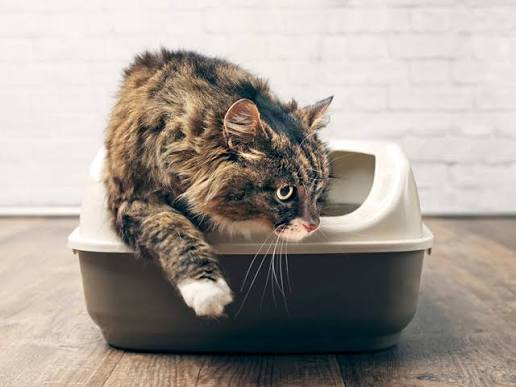
Scent is one of the primary ways cats communicate with each other, alongside body language and vocalization. Waste is simply one channel among several.
Paw pads, cheeks, and the base of the tail all contain scent glands cats use for marking. Covering waste reduces one particular source of scent information while leaving others intact.
This layered communication system is part of why a single behavior, like covering or not covering poop, can carry different meanings depending on context.
Tips to Improve Litter Box Comfort
A more comfortable setup often resolves covering issues without any additional training needed. These simple changes make a real difference.
Scoop the litter box at least once daily to keep it clean and inviting. Cats are far less likely to linger and cover waste in a dirty box.
Provide one litter box per cat, plus one extra, in multi-cat households. This reduces territorial tension and competition around the box.
Avoid sudden litter changes when possible. Cats develop strong preferences early on, and abrupt changes can disrupt normal covering behavior.
Choose an open, uncovered box style if your cat seems hesitant, since covered boxes can feel restrictive to cats who want visibility and quick escape routes.
Keep the box away from loud appliances such as washing machines or furnaces, since sudden noises can startle a cat mid-task and cause them to abandon covering altogether.
When to Contact a Veterinarian
Most covering behavior changes are harmless, but some deserve professional attention. Trusting your knowledge of your cat’s normal habits is key.
Schedule a vet visit if your cat suddenly stops covering waste after previously doing so consistently, especially alongside other symptoms like lethargy, appetite changes, or visible pain.
Straining, crying out, or spending unusually long periods in the litter box without producing stool can also indicate constipation or a blockage that needs prompt care.
Common Myths About Cats and Poop Covering
A few misconceptions persist about this behavior. Clearing them up helps owners respond appropriately rather than worrying unnecessarily.
| Myth | Reality |
|---|---|
| “Cats cover poop only because they’re disgusted by it” | The behavior is rooted in survival instinct, not disgust |
| “A cat that doesn’t cover poop is being spiteful” | Uncovered waste is rarely about spite; it’s usually stress, dominance, or comfort |
| “All kittens naturally know how to cover poop” | Many kittens learn this behavior by watching their mother |
| “Covering behavior never changes” | Stress, age, health, and environment can all shift this behavior over time |
| “Dogs and cats have the same reasons for their waste habits” | Dogs often use scent to communicate; cats use covering to conceal |
Understanding the real science behind this behavior helps owners avoid misreading their cat’s intentions, and it also builds a stronger, more trusting relationship between cat and owner over time.
Quick Recap: Key Takeaways
Covering poop is a deeply instinctive behavior rooted in predator avoidance, hygiene, and social respect toward more dominant individuals, including human owners.
Not every cat covers consistently, and occasional variation is often harmless. A sudden, lasting change paired with other symptoms is the real signal to watch for.
Comfortable litter box setup, consistent cleaning, and low-stress placement all support natural covering behavior and a happier, healthier cat overall.
Age, household dynamics, litter type, and stress levels all play a measurable role, so owners who understand these factors are better equipped to respond calmly rather than worry unnecessarily.
Frequently Asked Questions (FAQs)
1. Why do cats cover their poop in the litter box?
Cats cover their poop mainly to hide their scent from predators and more dominant animals. It is also linked to hygiene and territorial respect.
2. Is it normal if my cat doesn’t cover its poop?
Yes, occasional uncovered waste can be normal, especially in confident or dominant cats. Consistent changes are more worth monitoring.
3. Do kittens naturally know how to cover their poop?
Not always, since kittens usually learn this behavior by watching their mother. Most improve naturally with age and experience.
4. Can stress cause a cat to stop covering its poop?
Yes, stress from new pets, moves, or environmental changes can disrupt normal litter box behavior. Reducing stress often restores the habit.
5. Does litter box size affect covering behavior?
Yes, a cramped box can discourage full digging and covering. A larger, more comfortable box often improves the behavior.
6. Why does my cat scratch outside the litter box instead of covering?
This can happen if the cat dislikes the litter texture or feels the box is too small. Some cats also simply miss the box while digging.
7. Can a medical issue cause a cat to stop covering poop?
Yes, arthritis, joint pain, or digestive discomfort can make covering physically difficult. A vet visit helps rule out underlying health problems.
8. Do dominant cats avoid covering their poop on purpose?
Yes, confident or dominant cats sometimes leave waste uncovered as a territorial signal. This is more common in multi-cat households.
9. What type of litter encourages better covering behavior?
Fine to medium-texture, unscented clumping litter generally encourages the most consistent digging and covering behavior.
10. When should I worry about my cat not covering its poop?
Worry if the change is sudden and paired with straining, lethargy, or appetite loss. These signs warrant a veterinarian visit.
Conclusion
So, why do cats cover their poop? At its core, this everyday litter box habit is a fascinating window into feline instinct, tracing back to wild ancestors who buried waste to avoid predators and show respect within their social group. Most domestic cats retain this instinct strongly, even without any real threats in a safe home environment.
Not every cat covers consistently, and that variation is often completely normal, whether it comes from confidence, personality, or simply still learning the behavior as a kitten. The real signal to watch for is a sudden, lasting change, especially paired with stress, discomfort, or other symptoms.
With a comfortable litter box setup, consistent cleaning, and a little patience, most owners can support this natural behavior easily.
Understanding the “why” behind the scratch-scratch-scratch makes for a more informed, confident cat owner in 2026, better equipped to spot the difference between quirky personality and a genuine reason for concern.
