

Why is Lake of the Ozarks so dangerous? The short answer is a mix of blind corners, no speed limits, heavy drinking, and crowded water that turns a fun day trip into a real risk.
Missouri’s largest man-made lake draws millions of visitors every summer, and most leave with nothing worse than a sunburn.
But the data tells a different side of the story too. Boating accidents, drownings, snake encounters, and water quality warnings show up year after year.
Lake of the Ozarks at a Glance
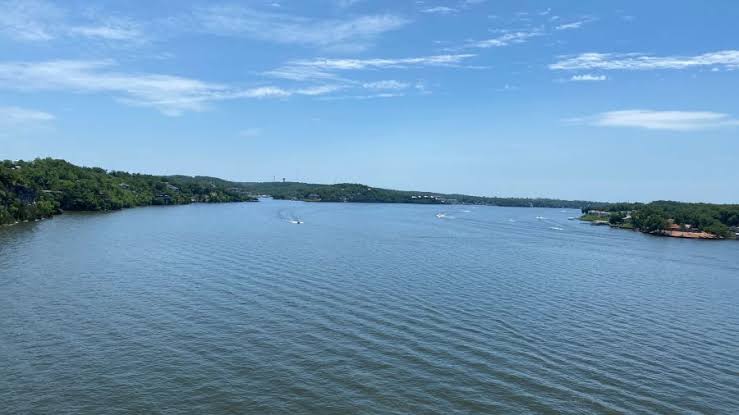
Before getting into the dangers, it helps to understand what makes this lake so different from a typical recreational lake.
It is not a natural body of water. It was built, and that fact alone explains most of the risk.
That single detail, an engineered lake squeezed into a flooded river valley, is the thread connecting almost every hazard covered in this guide.
| Fact | Detail |
|---|---|
| Surface Area | 54,000+ acres |
| Shoreline Length | 1,150+ miles (longer than California’s coast) |
| Main Channel Length | 92 miles |
| Maximum Depth | 130 feet |
| Year Built | 1929–1931 (Bagnell Dam) |
| Annual Visitors | 3.5–5 million |
| Speed Limit | None on most of the main channel |
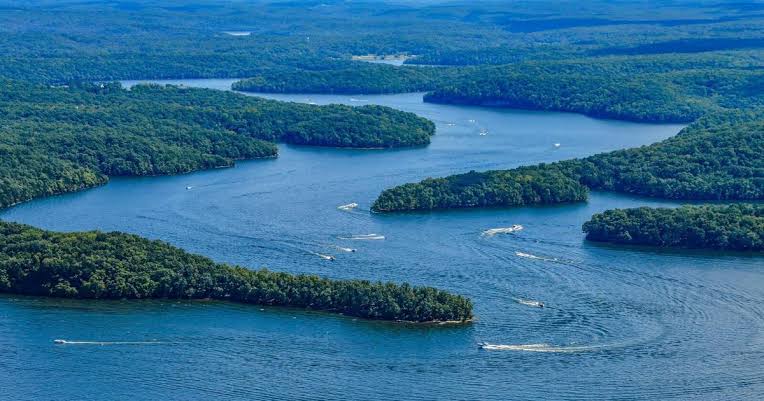
| Shape | Serpentine, with dozens of narrow finger coves |
Why Is Lake of the Ozarks So Dangerous? Top Reasons Explained
The Lake of the Ozarks danger reputation does not come from one single cause.
It comes from a combination of geography, traffic, culture, and a few hidden hazards most visitors never expect.
1. Confusing, Serpentine Shape With Blind Corners
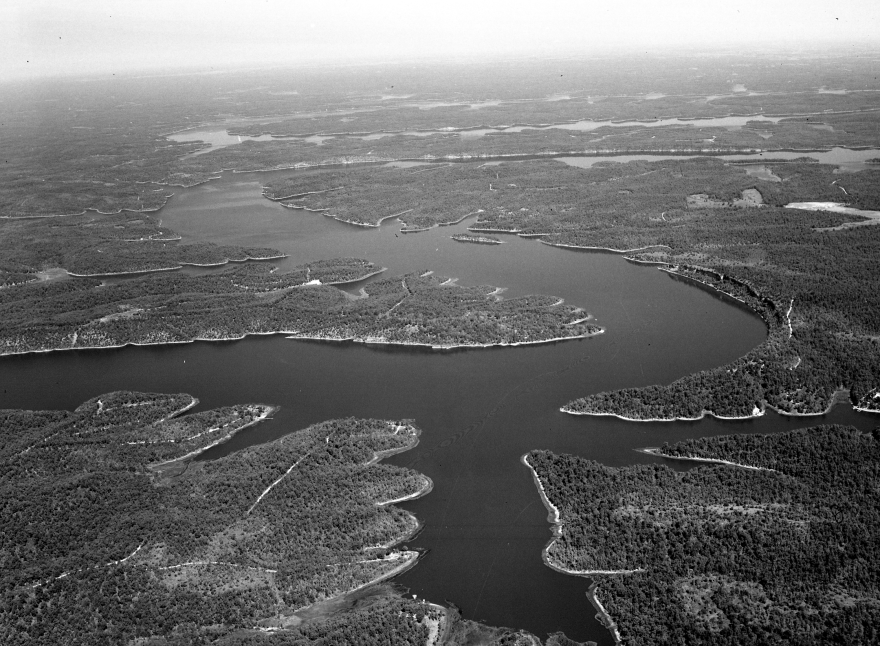
The lake was formed by flooding the Osage River valley, which is why it twists like a snake instead of forming a normal round basin.
This shape creates dozens of sharp blind corners where boaters cannot see oncoming traffic until it is too late.
Most serious boating accidents at Lake of the Ozarks happen exactly at these intersections.
2. No Speed Limit on Much of the Main Channel
Unlike most lakes, Lake of the Ozarks has no horsepower restriction and no posted speed limit across large stretches of open water.
High-performance boats regularly hit 60 to 100+ mph on the main channel.
Mixing that speed with blind coves, swimmers, and jet skis is a dangerous combination.
3. Heavy Boat Traffic and Inexperienced Boaters
Summer weekends bring tens of thousands of boats onto a lake that was never designed to handle that volume.
Many renters and first-time boaters have little to no experience reading lake traffic patterns.
Missouri recorded 14 boating fatalities and 72 injuries statewide in 2024, with Lake of the Ozarks accounting for a large share of incidents.
4. Alcohol and the Lake’s Party Culture
Lake of the Ozarks has a well-known drinking culture, especially around its floating party scenes.
Boating under the influence is illegal in Missouri, but enforcement is difficult across such a large, spread-out lake.
Alcohol is repeatedly cited as a leading factor in both boating accidents and drowning deaths here.
5. Large Wakes From Oversized Boats
Sixty-foot yachts and offshore performance boats share the same narrow channels as pontoons, kayaks, and swimmers.
The wakes from these larger boats can flip smaller watercraft or knock passengers overboard without warning.
Visitor reviews consistently mention being caught off guard by wake size on the main strip.
6. Hidden Hazards Below the Surface
Because the lake was created by flooding a valley, submerged trees, old foundations, and debris still sit beneath parts of the water.
The sunken remains of the original town of Linn Creek, including its old cemetery, rest at the bottom near Bagnell Dam.
These obstacles pose real risks for swimmers, divers, and boats running through unfamiliar coves.
7. Drowning Risk and Lack of Life Jackets
Drowning is the leading cause of death on Lake of the Ozarks, not boat collisions.
Many victims are not wearing a life jacket at the time of the incident.
Missouri law requires children under seven to wear one at all times, but adult compliance remains low.
8. Venomous Snakes in and Around the Water
The Ozark region is home to timber rattlesnakes, copperheads, cottonmouths, and pygmy rattlesnakes.
Several of these species are capable of swimming and can bite while in the water.
Bites are uncommon, but the presence of venomous snakes adds another layer to the lake’s dangerous reputation.
9. E. coli and Water Quality Concerns
The Missouri Department of Natural Resources tests the lake weekly for E. coli bacteria.
In June 2024, a public beach was closed after readings came back 12 times higher than the safe limit.
Illness from contaminated water is rarely fatal, but it remains a recurring summer health warning.
10. The Lake of the Ozarks Shootout and Other High-Risk Events
The annual Shootout is the largest unsanctioned powerboat race in the United States, with boats exceeding 200 mph.
Spectator boats anchor side by side in the hundreds, leaving almost no room to maneuver.
Major holiday weekends like the Fourth of July see similar overcrowding at Party Cove, multiplying the risk of collisions.
Lake of the Ozarks Boating Accident and Drowning Statistics
Numbers tell the story better than opinions do.
Here is a snapshot of the most cited statistics behind the lake’s dangerous reputation.
| Metric | Data |
|---|---|
| Boating accidents (Apr 2024–Mar 2025) | 20+ reported incidents |
| Missouri boating deaths, statewide (2024) | 14 killed, 72 injured |
| Historic deaths (1993–2003 window) | 33 killed in lake accidents |
| National danger ranking (Insider Monkey) | #1 most dangerous lake in America |
| Alternate ranking (Pond Informer) | #9 most dangerous lake in America |
| E. coli beach closure spike (June 2024) | 12x the safe limit |
| Party Cove peak boat count | Up to 3,000 boats on holiday weekends |
These figures explain why the lake regularly appears on “most dangerous lakes in America” lists despite its postcard-perfect scenery.
Most Dangerous Spots on Lake of the Ozarks
Not every part of the lake carries equal risk.
A few specific areas come up again and again in accident reports and local news.
Party Cove (Anderson Hollow)
Officially named Anderson Hollow Cove, this spot is famous for boats tying together into one giant floating party.
Crowding, alcohol, and swimmers moving between boats make it one of the riskiest areas on the lake.
The Narrows and Bagnell Dam Strip Main Channel
This stretch sees the heaviest boat traffic on the entire lake, especially near the dam.
High speeds combined with merging traffic from side coves make it a frequent accident site.
Grand Glaize and Osage Arm Intersections
Where smaller arms feed into the main channel, blind corners are sharpest and visibility drops fast.
Several recent drowning incidents, including ones in late 2025 and 2026, occurred near these junction points.
Is Lake of the Ozarks Dangerous for Swimming?
Swimming itself is not the main hazard, but it is not risk-free either.
Most resorts and rental properties maintain their own roped-off swim areas away from boat traffic.
Open-water swimming in the main channel is far riskier because boats are not expecting swimmers there.
E. coli advisories can also temporarily make certain beaches unsafe for swimming after heavy rainfall.
How to Stay Safe at Lake of the Ozarks
A few simple precautions dramatically reduce your risk on the water.
- Always wear a properly fitted life jacket, even if you are a strong swimmer.
- Avoid drinking alcohol while operating any watercraft.
- Slow down at every cove entrance and blind corner.
- Swim only in designated, buoy-marked swim areas.
- Check the Missouri DNR water quality advisory before swimming after rain.
- Take a boating safety course even if you are not legally required to.
- Avoid Party Cove and the Shootout course if you are inexperienced on the water.
- Keep a close watch on children near docks and swim areas at all times.
Lake of the Ozarks for Families: What Parents Should Know
Families still visit the lake in huge numbers every summer, and most trips are completely incident-free.
Sticking to a resort’s private cove, away from the main channel, removes most of the boat-traffic risk entirely.
Missouri law requires life jackets for all children under seven, but it’s worth keeping non-swimming kids of any age in one near open water.
Renting from a marina that offers a short safety briefing, rather than just handing over the keys, makes a real difference for first-time boating families.
Avoiding the lake during Shootout week and major holiday weekends is the single easiest way to cut family risk significantly.
Lake of the Ozarks vs Other Dangerous Lakes
To put things in perspective, here is how Lake of the Ozarks compares to other lakes with dangerous reputations.
| Lake | Primary Danger | Ranking Source |
|---|---|---|
| Lake of the Ozarks (MO) | Boating accidents, drowning, alcohol | #1 (Insider Monkey) |
| Lake Michigan | Rip currents, drowning | Top 5 nationally |
| Lake Lanier (GA) | Submerged structures, drowning | Frequently listed top 10 |
| Lake Tahoe (CA/NV) | Cold water shock, drowning | Frequently listed top 10 |
Lake of the Ozarks stands out because its danger comes mostly from human behavior and boat traffic rather than natural water conditions.
A Brief History: How Lake of the Ozarks Was Created
Understanding the danger starts with understanding that this lake should not naturally exist.
Construction on Bagnell Dam began in August 1929, right before the stock market crash that triggered the Great Depression.
Union Electric Company built the 2,543-foot dam to generate hydroelectric power for St. Louis, and it was completed in just under two years.
When the dam closed in 1931, the Osage River backed up and flooded an entire river valley, swallowing several towns in the process.
The original town of Linn Creek was one of them, and its old cemetery still sits underwater near the dam today.
This rushed, man-made origin is exactly why the lake has such an unnatural, winding shape with so many blind coves.
A natural lake would have formed smoother shorelines over thousands of years, but this one filled a valley in roughly two years.
That speed and shape are the root cause of nearly every navigation hazard boaters face here today.
Wildlife and Hidden Hazards Beyond Boating
Boating accidents get the most attention, but the lake has a few other quirks worth knowing about.
Fishermen have occasionally pulled piranhas out of the water, even though the species is not native to Missouri or even North America.
Wildlife officials believe these were released pet fish rather than an established breeding population, but their presence still surprises visitors.
Black bears are known to wander down to the shoreline in less developed areas, particularly near the state park.
Otters, muskrats, and beavers are common in quieter coves, and channel catfish are abundant throughout the main channel.
None of these animals pose a serious threat to humans, but they add to the lake’s slightly wild, unpredictable reputation.
Submerged structures from the original flooded valley, including old foundations and dead trees, still create underwater obstacles in less-traveled coves.
Boaters who venture off the main channel without local knowledge can strike these obstacles, especially when water levels drop in late summer.
Common Myths About Lake of the Ozarks Danger
A few misconceptions tend to circulate about why this lake is risky, and it’s worth separating fact from exaggeration.
Myth: The lake is dangerous because of sharks. This is false, since it’s a freshwater inland reservoir with zero shark population.
Myth: Every cove is a party zone. In reality, Party Cove is one specific, well-known location, not a lake-wide condition.
Myth: The water is constantly contaminated. E. coli spikes happen after heavy rain but are not a year-round, lake-wide issue.
Myth: Drownings only happen to inexperienced swimmers. Many victims were strong swimmers who were impaired by alcohol or caught off guard by currents near the dam.
Separating myth from data matters, because the real risks (speed, alcohol, blind corners) are the ones worth actually preparing for.
What Locals and Visitors Say
Online reviews and local reporting paint a fairly consistent picture of life on the water here.
Many longtime residents describe the surrounding towns as friendly and tight-knit, with most day-to-day risk concentrated on the water itself rather than on land.
Visitor reviews frequently mention being surprised by how large some of the boats are on the main channel, especially compared to smaller lakes.
Tourism boards and local news outlets both acknowledge the lake’s party reputation while emphasizing that the danger is concentrated in specific high-traffic zones and events.
This lines up with the official accident data, which shows incidents clustering around blind corners, Party Cove, and major holiday weekends rather than being spread evenly across the entire 1,150 miles of shoreline.
Legal Side of Lake of the Ozarks Accidents
Missouri law treats boating accidents seriously, and operators have specific legal obligations after a crash.
Anyone involved in an accident causing death, injury, or significant property damage must report it to the Missouri State Highway Patrol within 48 hours.
Boaters born after January 1, 1984, are legally required to complete a boating safety course and carry a Boater Education Card.
Operating under the influence is illegal, and law enforcement increases water patrol presence during high-risk weekends like the Fourth of July and the Shootout.
Victims of boating accidents, or their families, often work with personal injury attorneys familiar with Missouri water patrol procedures to handle insurance and liability claims.
Knowing these basics in advance can make a real difference if you’re ever involved in or witness an incident on the water.
Best Time to Visit Lake of the Ozarks Safely
Timing your trip well can significantly lower your exposure to the lake’s biggest risks.
Memorial Day through Labor Day is peak season, which means the heaviest boat traffic, the most alcohol consumption, and the highest accident numbers.
Weekday visits, especially Monday through Thursday, see far less congestion than weekends, when Party Cove and the main channel get packed.
Holiday weekends like the Fourth of July and the August Shootout weekend carry the highest risk of all, with thousands of extra boats on the water.
Visiting in late spring or early fall gives you calmer water, fewer crowds, and a much lower chance of being near an accident.
If you do visit during peak season, arriving early in the day and staying off the main channel during late afternoon “rush hour” can help you avoid the worst congestion.
Frequently Asked Questions (FAQs)
1. Why is Lake of the Ozarks so dangerous?
Its serpentine shape creates blind corners, and it has no speed limit on most of the main channel.
Heavy boat traffic, alcohol use, and crowded coves add to the overall risk.
2. Is Lake of the Ozarks safe to swim in?
Yes, within designated swim areas away from boat traffic.
Check weekly E. coli advisories before swimming after heavy rain.
3. How many people die at Lake of the Ozarks each year?
The lake has averaged a handful of drowning deaths most years, with several already reported in 2025 and 2026.
Drowning, not collisions, is the leading cause of fatalities.
4. Are there snakes in Lake of the Ozarks?
Yes, including timber rattlesnakes, copperheads, and cottonmouths.
Some of these species can swim and bite while in the water, though bites remain rare.
5. Does Lake of the Ozarks have a speed limit?
No, most of the main channel has no posted speed limit or horsepower restriction.
Only specific marked no-wake zones near docks and coves enforce slower speeds.
6. What is Party Cove at Lake of the Ozarks?
Party Cove, officially Anderson Hollow Cove, is a famous gathering spot where boats tie together for large floating parties.
It can attract up to 3,000 boats during holiday weekends.
7. Is the E. coli level in Lake of the Ozarks dangerous?
It can spike after heavy rainfall, sometimes far above the safe limit.
Illness is possible but rarely serious, and advisories are posted when levels are unsafe.
8. What is the Lake of the Ozarks Shootout?
It’s the largest unsanctioned powerboat race in the U.S., held every August.
Boats reach speeds over 200 mph, and spectator crowding adds significant accident risk.
9. Are there sharks or piranhas in Lake of the Ozarks?
There are no sharks, since it’s a freshwater inland lake.
Piranhas have occasionally been caught despite not being native to Missouri.
10. What is the best way to stay safe at Lake of the Ozarks?
Wear a life jacket, avoid alcohol while boating, and slow down at every blind corner.
Stick to marked swim zones and check water quality advisories before swimming.
Conclusion
So, why is Lake of the Ozarks so dangerous? It comes down to geography, traffic, and human behavior rather than any single freak hazard.
A serpentine shape with blind corners, no speed limits on the main channel, heavy alcohol use, and overcrowded coves combine to create real risk for boaters and swimmers alike.
Add in occasional E. coli advisories and a handful of venomous snakes, and it’s easy to see why this lake keeps appearing on “most dangerous” lists nationwide.
None of this means you should avoid the lake entirely. Millions of people enjoy it safely every year by wearing life jackets, avoiding alcohol on the water, respecting blind corners, and sticking to designated swim areas. Knowing the real risks is the first step toward having a safe, fun trip to Lake of the Ozarks in 2026.
