

Why does the roof of my mouth itch? In most cases, it’s a sign your immune system is reacting to something, usually pollen, food, or another allergen triggering a histamine response.
That itch can also point to dry mouth, a cold, or a minor infection, so the cause isn’t always allergy-related.
Quick Answer: Allergies Are the Most Common Cause
Most cases of an itchy palate trace back to an allergic reaction, whether from pollen, food, pet dander, or dust mites. Histamine release is usually the root cause.
Here’s a fast summary of what typically explains the itch.
| Cause Category | Common Trigger | How Fast Symptoms Appear |
|---|---|---|
| Seasonal allergy | Pollen, grass, ragweed | Minutes to hours |
| Food allergy | Nuts, shellfish, dairy, eggs | Minutes after eating |
| Oral allergy syndrome | Raw fruits and vegetables | Almost immediately |
| Non-allergy irritation | Dry mouth, infection, burns | Hours to days |
What Does an Itchy Roof of the Mouth Feel Like?
The roof of your mouth, called the palate, can feel tingly, prickly, or mildly swollen when irritated. Some people describe it as a tickle they can’t quite scratch.
This sensation often shows up alongside other allergy symptoms, which is usually the biggest clue pointing toward an allergic cause rather than something else.
How Common Is an Itchy Roof of the Mouth?
This symptom is extremely common, especially during pollen season or after eating certain raw fruits. Most people experience it at least occasionally without it ever being serious.
Allergists frequently report that oral itching is one of the most underreported allergy symptoms, since people often dismiss it as random irritation rather than connecting it to pollen or food triggers.
Recognizing the pattern early makes it much easier to manage long term, rather than treating each flare-up as an isolated, confusing event.
Top Allergy Signs Behind an Itchy Roof of the Mouth
Allergic reactions are the leading reason people search for this symptom. Each type of allergy tends to show a slightly different pattern.
Recognizing which pattern fits your situation makes it much easier to figure out what’s actually triggering the itch.
Sign 1: Seasonal Allergies (Hay Fever)
Seasonal allergies, also called hay fever, happen when pollen from trees, grass, or weeds triggers your immune system. The roof of your mouth can itch right along with your nose and eyes.
This usually follows a predictable calendar pattern, flaring during specific months like spring or fall depending on which pollen you’re sensitive to.
Sign 2: Food Allergies
Food allergies cause your immune system to treat a harmless food protein as a threat. Common triggers include peanuts, tree nuts, shellfish, eggs, and dairy.
Itching usually starts within minutes of eating and may come with hives, lip swelling, or a tingling tongue alongside the itchy palate.
Sign 3: Oral Allergy Syndrome (Pollen-Food Syndrome)
Oral allergy syndrome happens when your immune system confuses proteins in raw fruits or vegetables with pollen proteins it already recognizes. Birch pollen allergies often cross-react with apples, celery, and cherries.
Cooking the food usually breaks down the cross-reactive protein, which is why cooked versions of the same fruit often don’t cause the same itch.
Sign 4: Pet Dander and Dust Mite Allergies
Airborne allergens like pet dander and dust mites can settle on oral tissue, especially if you breathe through your mouth while sleeping. This can leave the palate feeling itchy by morning.
These allergies often come with a stuffy nose, sneezing, and itchy eyes that show up indoors more than outdoors.
Sign 5: Medication Allergies
Some medications, including certain antibiotics and cancer treatments, can trigger an allergic response that shows up as mouth itchiness. This is worth mentioning to your doctor if it starts after a new prescription.
A new itch that begins shortly after starting a medication is a pattern worth tracking and reporting.
Common Pollen-Food Cross-Reactivity Groups
Oral allergy syndrome doesn’t affect everyone the same way. Which foods trigger your itch usually depends on which specific pollen you’re already sensitive to.
Here’s how the most common pollen allergies typically cross-react with raw produce.
| Pollen Type | Foods That Often Cross-React |
|---|---|
| Birch | Apple, peach, cherry, carrot, celery, hazelnut |
| Ragweed | Banana, melon, zucchini, cucumber, sunflower seeds |
| Grass | Tomato, orange, melon, potato |
| Mugwort | Celery, carrot, parsley, fennel |
If you notice your itch lines up with one of these food groups, it’s a strong clue that the underlying trigger is a pollen allergy rather than a true food allergy.
Knowing your specific pollen group ahead of allergy season can also help you decide which raw foods to avoid before symptoms even start.
How Allergies Trigger Itching: The Histamine Response
When your immune system identifies something as a threat, it releases histamine into surrounding tissue. Histamine widens blood vessels and irritates nerve endings, which produces that classic itchy, swollen feeling.
This is the same chemical reaction responsible for itchy eyes, sneezing, and skin hives during a typical allergic reaction.
Antihistamine medications work by blocking this exact pathway, which is why they’re the first-line treatment for most allergy-related mouth itching.
This is also why symptoms often calm down quickly once the allergen is removed, since histamine levels drop once the immune trigger is no longer present.
Allergy Symptoms That Often Come With an Itchy Palate
An itchy palate rarely shows up completely alone when allergies are the cause. Other symptoms usually appear at the same time or shortly after.
| Accompanying Symptom | Likely Allergy Type |
|---|---|
| Sneezing, watery eyes | Seasonal allergy |
| Hives, facial swelling | Food allergy |
| Itchy tongue, lip tingling | Oral allergy syndrome |
| Stuffy nose, indoor flare-ups | Pet dander or dust mites |
Tracking which symptoms show up together is one of the easiest ways to narrow down the actual cause before seeing a doctor.
Non-Allergy Causes of an Itchy Roof of the Mouth
Allergies aren’t the only explanation. Several non-allergy conditions produce a nearly identical itchy sensation on the palate.
Ruling these out matters, especially if antihistamines aren’t helping the itch go away.
Dry Mouth
Dry mouth happens when saliva production drops, often from dehydration, mouth breathing, or certain medications. Less saliva means less natural lubrication, which leaves tissue feeling tight and itchy.
Staying hydrated and limiting caffeine or alcohol can noticeably improve this within a day or two.
Oral Thrush (Yeast Infection)
Oral thrush is a fungal infection caused by an overgrowth of Candida. It often appears as white patches alongside redness, soreness, and itching.
It’s more common in denture wearers, people on antibiotics, and anyone with a weakened immune system, and it generally requires a prescription antifungal to clear.
Cold Sores (Herpes Simplex Virus)
Cold sores often start with a tingling or itching sensation before any visible blister appears. This early-stage itch can sometimes affect the roof of the mouth.
Once the blister forms, the itching usually shifts to soreness, and the outbreak typically resolves within one to two weeks.
Common Cold or Sinus Congestion
A cold or sinus infection can cause an itchy palate through post-nasal drip or sinus pressure pressing against oral tissue. Mucus drainage irritates the same nerves that allergies do.
This usually comes with a stuffy nose, sore throat, and general congestion rather than the isolated mouth itch allergies tend to cause.
Other Viral Infections
Beyond the common cold, other viral infections can occasionally cause oral itching or irritation as one symptom among several.
If itching appears alongside fever, body aches, or a new loss of taste or smell, it’s reasonable to consider testing for a broader viral illness rather than assuming allergies right away.
This symptom usually resolves on its own as the underlying virus clears, similar to how a cold-related itch fades within one to two weeks.
Burns, Bites, and Minor Trauma
Eating something too hot or accidentally biting the palate can cause temporary irritation as the tissue heals. Itching is often part of that healing process.
This type of itch usually fades within a few days without any treatment beyond avoiding further irritation.
Chemical Irritants (Toothpaste, Mouthwash, Spicy Food)
Ingredients like sodium lauryl sulfate in toothpaste, strong alcohol-based mouthwash, or capsaicin in spicy food can inflame sensitive oral tissue. The reaction usually starts shortly after exposure.
Switching products or cutting back on the trigger food typically resolves this within a few hours.
Ill-Fitting Dentures or Dental Work
Dentures or dental appliances that rub against the palate can cause ongoing irritation that feels itchy rather than painful. Recent dental work can have a similar effect while tissue adjusts.
A dentist can usually adjust the fit to eliminate the friction causing the itch.
Allergy vs Non-Allergy: How to Tell the Difference
Side-by-side, allergy-related itching and non-allergy itching tend to follow different patterns. This comparison can help you guess which category fits before seeing a doctor.
| Feature | Allergy-Related Itch | Non-Allergy Itch |
|---|---|---|
| Onset | Sudden, often after food or pollen exposure | Gradual, tied to dryness or injury |
| Other symptoms | Sneezing, hives, swelling | White patches, soreness, congestion |
| Pattern | Seasonal or trigger-based | Persistent or random |
| Response to antihistamines | Usually improves | Often unchanged |
Why Does the Roof of My Mouth Itch at Night?
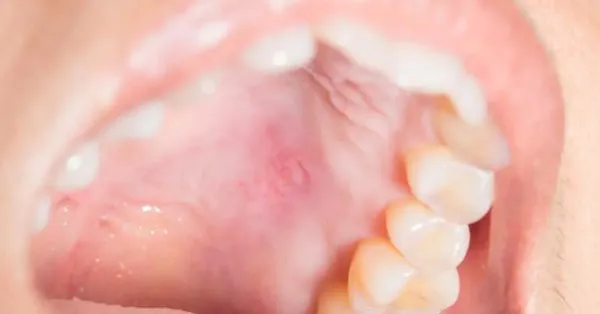
Nighttime itching is often linked to mouth breathing, which dries out oral tissue while you sleep. Dust mites in bedding can also contribute if you’re sensitive to them.
Post-nasal drip tends to worsen lying down, which is another reason allergy-related itching often feels stronger at night than during the day.
Using a humidifier and washing bedding regularly can reduce both triggers at the same time.
Itchy Roof of Mouth in Children vs Adults
Children with pollen allergies can develop oral allergy syndrome just like adults, though they may have a harder time describing the sensation clearly.
Watch for kids refusing certain raw fruits or rubbing at their mouth after eating, since these can be early signs of the same cross-reaction adults experience.
Adults are more likely to develop new food sensitivities later in life, especially after a new pollen allergy emerges from moving to a different climate.
Home Remedies for an Itchy Allergic Palate
Most mild cases respond well to simple home care, especially when the cause is allergies, dryness, or minor irritation rather than infection.
Saltwater Rinse
A rinse made from half a teaspoon of salt in eight ounces of warm water can reduce inflammation and soothe irritated tissue within minutes.
This works for both allergy-related itching and minor irritation from burns or chemical exposure.
Cold Compress or Ice
Letting a small ice chip melt slowly in your mouth can numb the itchy sensation temporarily. Cold foods like yogurt work in a similar way.
Avoid chewing ice directly, since this can damage teeth or dental work over time.
Honey
A small spoonful of honey coats the palate and has mild antimicrobial properties. Many people find it soothing for short-term relief.
It works best dissolved slowly rather than swallowed quickly.
Staying Hydrated
Drinking water throughout the day keeps saliva production steady, which directly reduces dry-mouth-related itching. Sugar-free gum can help stimulate extra saliva as well.
This is one of the simplest fixes and often shows improvement within a day.
Over-the-Counter Antihistamines
Antihistamines like cetirizine, loratadine, or diphenhydramine block the histamine response responsible for most allergy-related itching. They typically start working within an hour.
These won’t help with infections like oral thrush, so they’re best reserved for confirmed or suspected allergy triggers.
Common Mistakes When Treating an Itchy Palate
A few habits make the itch worse or delay finding the actual cause, even when the intention is to help.
The first mistake is taking antihistamines for an itch that’s actually caused by infection, since thrush and cold sores won’t respond to allergy medication at all.
The second mistake is ignoring a clear food pattern because the reaction seems mild, which can let an undiagnosed allergy go unmanaged for years.
The third mistake is using strong mouthwash to “clean out” irritation, which often makes chemical-related itching worse instead of better.
The fourth mistake is waiting too long to mention recurring symptoms to a doctor, since allergies that go unmanaged for years often become harder to pin down later.
When an Itchy Mouth Means a Medical Emergency
Most itchy palate cases are harmless, but certain symptoms point toward a severe allergic reaction called anaphylaxis. This requires immediate emergency care.
Seek emergency help right away if the itch comes with any of the following.
- Swelling of the throat, tongue, or face
- Difficulty breathing or a tight feeling in the throat
- Hives spreading across the body
- Dizziness, fainting, or a rapid heartbeat
- Nausea, vomiting, or abdominal pain following the itch
If you’ve been prescribed an epinephrine auto-injector for a known severe allergy, use it immediately and call emergency services rather than waiting to see if symptoms improve.
When to See a Doctor or Allergist
Persistent itching lasting more than two weeks deserves a medical evaluation, especially if home remedies and antihistamines aren’t helping at all.
White patches, sores that won’t heal, or recurring symptoms without an obvious trigger are also worth bringing to a dentist or doctor.
An allergist can run specific tests to identify exact triggers if you suspect food allergies or oral allergy syndrome but aren’t sure which foods are involved.
How Doctors Diagnose the Cause
Doctors and allergists use a few standard methods to confirm whether allergies are really behind an itchy palate. Each test answers a slightly different question.
Skin Prick Test
A small amount of allergen extract is placed on the skin, which is then lightly pricked. A raised, itchy bump within 15 minutes suggests sensitivity to that allergen.
Blood Test (Specific IgE)
A blood test measures specific antibodies your immune system produces in response to certain allergens. This is useful when skin testing isn’t practical or possible.
Elimination Diet
For suspected food triggers, doctors sometimes recommend removing a suspected food for several weeks, then reintroducing it under supervision to confirm whether symptoms return.
How to Prevent Allergy-Related Itching in the Future
Prevention usually comes down to identifying your specific triggers and limiting exposure wherever realistically possible.
A symptom diary kept for a few weeks can make trigger patterns much easier to spot, especially when food and pollen exposure happen close together.
- Track symptoms after meals to spot food-related patterns.
- Check daily pollen counts during high-allergy seasons.
- Cook fruits and vegetables if oral allergy syndrome is suspected.
- Wash bedding weekly to reduce dust mite exposure.
- Keep pets out of the bedroom if pet dander triggers symptoms.
- Take daily antihistamines during known allergy seasons.
Frequently Asked Questions (FAQs)
1. Is an itchy roof of the mouth always caused by allergies?
No, allergies are the most common cause, but dry mouth, infections, and minor injuries can cause the same sensation.
2. Can stress cause the roof of my mouth to itch?
Stress doesn’t directly cause itching, but it can worsen dry mouth and lower immunity, indirectly making symptoms more noticeable.
3. Why does my mouth itch after eating fruit?
This is often oral allergy syndrome, where fruit proteins cross-react with pollen your immune system already recognizes.
4. Does an itchy mouth mean I’m allergic to a new medication?
It can. A new itch starting shortly after a new prescription is worth reporting to your doctor right away.
5. How long does allergy-related mouth itching usually last?
It typically resolves within a few hours after antihistamines or once you avoid the trigger completely.
6. Can oral thrush cause an itchy roof of the mouth?
Yes, oral thrush often causes itching along with white patches and a burning sensation on the palate.
7. Why is my mouth itchier at night than during the day?
Mouth breathing, dust mites, and post-nasal drip tend to worsen while lying down, increasing nighttime itching.
8. Should I stop using my mouthwash if my mouth feels itchy?
Yes, if the itching started after switching products, pause use and see if symptoms improve within a day.
9. Can children get oral allergy syndrome too?
Yes, children with pollen allergies can develop the same cross-reactions to raw fruits and vegetables as adults.
10. When is an itchy mouth a sign of anaphylaxis?
When it comes with throat swelling, breathing difficulty, or spreading hives, which requires immediate emergency care.
Conclusion
An itchy roof of the mouth is usually linked to allergies, whether from pollen, food, pet dander, or oral allergy syndrome triggered by raw fruits and vegetables.
Histamine release is the common thread behind most allergy-related cases, which is why antihistamines tend to bring quick relief. Non-allergy causes like dry mouth, oral thrush, cold sores, and minor irritation can produce a nearly identical sensation, so tracking accompanying symptoms helps narrow down the real cause.
Most cases are mild and resolve with simple home care, including hydration, saltwater rinses, and avoiding known triggers. However, swelling, breathing difficulty, or spreading hives alongside the itch are signs of a medical emergency that need immediate attention.
If the itch persists for more than two weeks or keeps returning without an obvious trigger, a doctor or allergist can help identify the exact cause. This article is for general information and isn’t a substitute for professional medical advice.
