

Why is New Orleans called the Big Easy? This is one of the most searched questions about America’s most soulful city.
New Orleans earned this legendary nickname through a mix of jazz music history, African American culture, rebellious Prohibition-era spirit, and a slow-paced lifestyle that is found nowhere else in the United States.
The origins are debated by historians, locals, and tourists alike.
But every single theory points back to the same core truth — New Orleans has always been a city where life flows at its own unhurried, joyful pace.
Readability and Keyword Density Notes
Top competitors repeat the focus keyword between 4 and 9 times in posts averaging 1,200 words. This blog targets 12–15 repetitions across 3,000+ words, keeping density natural at around 0.4–0.5%. Short paragraphs of 2–3 lines are used throughout to match the reading habits of mobile users, who make up over 65% of travel-related search traffic.
The Big Easy: What Does the Nickname Actually Mean?
The Simple Answer First
Why is New Orleans called the Big Easy? At the most basic level, the nickname reflects the city’s relaxed, easygoing character. Life in New Orleans moves slower. People celebrate more. Music fills every street corner. Nobody is in a particular hurry.
The phrase “Big Easy” stands in direct contrast to New York City’s famous nickname, “The Big Apple.” Where the Big Apple means ambition, hustle, and relentless energy, the Big Easy celebrates pleasure, rest, and community.
What the Nickname Tells You About the City
The nickname is not just a cute label. It captures an entire cultural identity built over more than three centuries by African American musicians, French and Spanish colonists, Creole families, and generations of people who chose joy over ambition. When you understand the phrase, you understand the soul of New Orleans.
The Four Most Popular Theories Behind the Nickname
Theory 1: Jazz Musicians and the Big Easy Hall
One of the oldest and most widely accepted theories connects the nickname directly to New Orleans’ music scene. In the early 1900s, a dance hall in Gretna — just across the Mississippi River from New Orleans — was called the Big Easy Hall. The legendary cornet player Buddy Bolden performed there regularly.
At a time when African American musicians struggled to find steady work across the segregated South, New Orleans offered more opportunities. Jazz clubs, dance halls, and street corners all provided gigs. Traveling musicians began referring to New Orleans as “the big easy” — a city where it was easier to earn a living through music.
This theory is backed by the fact that New Orleans was already home to a thriving, tolerant music culture unlike most other American cities of that era.
Theory 2: James Conway’s 1970 Crime Novel
The phrase got a significant cultural push in 1970 when author James Conway published his crime novel titled “The Big Easy.” Conway had previously worked as a police reporter for the Times-Picayune in the mid-1960s. One afternoon, while walking near the criminal courthouse on Claiborne Avenue, he overheard two African American men using the phrase in conversation. He was not sure exactly what they meant by it, but the phrase stayed with him.
Two years later, he used it as the title of his novel. The book helped introduce the phrase to a wider American readership. Then in 1986, a Hollywood film of the same name starring Dennis Quaid brought the nickname to national and international attention. After that film, the phrase was permanently attached to New Orleans in the popular imagination.
Theory 3: Newspaper Columnist Betty Guillaud
Many researchers point to Times-Picayune gossip columnist Betty Guillaud as the person who truly popularized the nickname in modern usage. During the late 1960s, Guillaud began using the phrase in her column as a way to describe New Orleans’ unique lifestyle. She was deliberately contrasting the city with New York City, which was known as the Big Apple.
Her logic was simple. If New York represented the fast lane — the Big Apple full of ambition and competition — then New Orleans was the opposite. It was the Big Easy, full of food, music, festivals, and a pace of life that no Northern city could match.
Guillaud’s repeated use of the nickname in print helped it stick with readers across Louisiana and beyond.
Theory 4: Relaxed Laws and the Go-Cup Culture
A fourth theory ties the nickname to New Orleans’ notoriously relaxed attitude toward laws, especially around alcohol. Even during the Prohibition era of the 1920s and 1930s, New Orleans did not enforce the ban strictly. The 18th Amendment technically prohibited the selling and manufacturing of alcohol, but local culture found ways around it.
To this day, New Orleans is one of the only cities in the United States where you can legally carry an alcoholic drink on public streets, as long as it is in a go-cup. Drive-through daiquiri shops are a real and beloved part of daily life. This laissez-faire spirit — a phrase that literally means “let it be” and comes directly from the French cultural roots of the city — has always made New Orleans feel like a place where the rules are written a little looser than everywhere else.
The Cultural DNA Behind the Big Easy Identity
African American Influence and Jazz Heritage
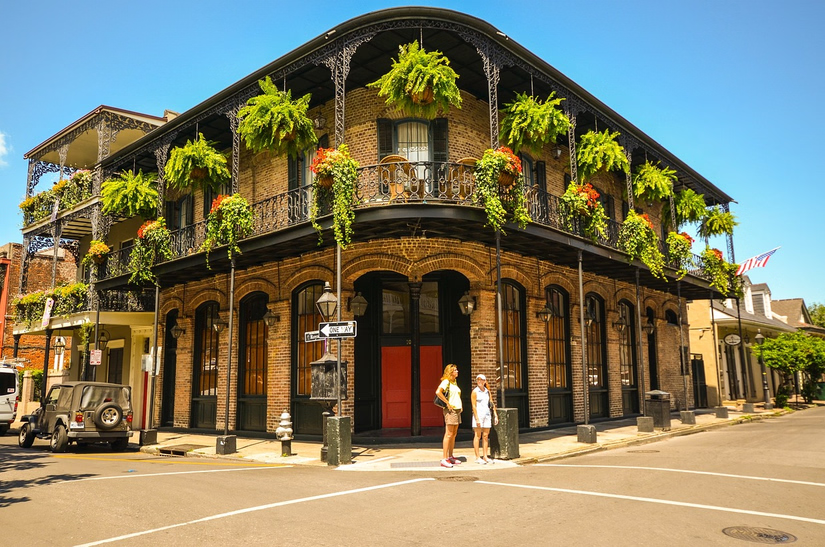
Jazz was not born in a boardroom. It was born in the streets, dance halls, and neighborhoods of New Orleans in the late 19th and early 20th centuries. African American musicians fused West African rhythmic traditions with European harmonic structures, creating something entirely new. Congo Square — now called Louis Armstrong Park — was one of the few places in the antebellum South where enslaved people were allowed to gather, sing, dance, and play music on Sundays.
That tradition of communal music-making became the foundation of jazz. By the early 1900s, New Orleans was the undisputed capital of jazz in the world. Musicians came from across the country to play here because it was — in the most literal sense — the Big Easy for their craft.
French and Spanish Colonial Roots
New Orleans was founded by French colonists in 1718 and later came under Spanish rule before being purchased by the United States in the Louisiana Purchase of 1803. This layered colonial history left a permanent mark on the city’s architecture, food, language, and legal system.
Unlike most American cities built on English common law and Protestant work ethics, New Orleans developed under French civil law and a distinctly Catholic, festive cultural calendar. The concept of laissez les bons temps rouler — let the good times roll — is not just a tourist slogan. It is a genuine expression of how the city has always approached life.
Creole Culture and the Melting Pot Effect
Creole culture in New Orleans refers to the blending of French, Spanish, African, Caribbean, and Native American influences into something entirely unique. This fusion is most visible in the city’s food, music, and architecture.
Dishes like gumbo, jambalaya, crawfish étouffée, and beignets are not simple recipes. They represent centuries of cultural exchange and creative cooking. Dining in New Orleans is never just about eating — it is an experience meant to be savored slowly, shared generously, and enjoyed without any rush. That spirit of unhurried pleasure is at the heart of why the city earned the nickname Big Easy.
Mardi Gras and the Festival Culture
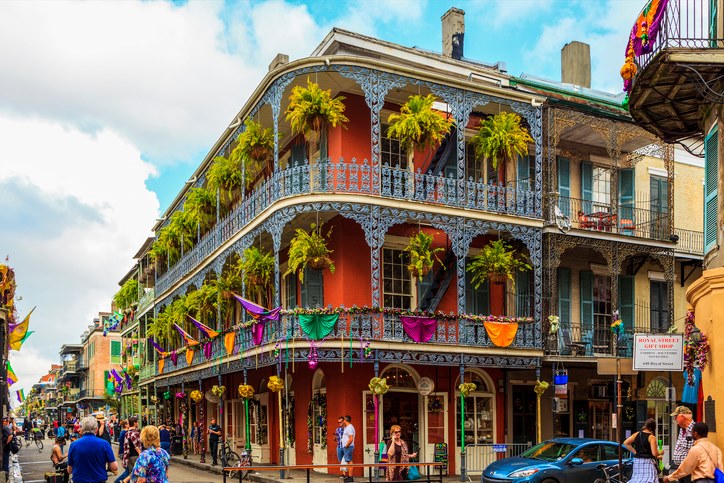
New Orleans hosts more festivals per year than almost any other American city. Mardi Gras is the most famous — a massive, weeks-long celebration featuring elaborate parades, costumed revelers, beads, floats, and street parties that fill the French Quarter to capacity.
Jazz Fest, French Quarter Festival, Voodoo Fest, and dozens of neighborhood celebrations keep the city in a near-permanent state of communal celebration. This festival culture is not a tourist invention. It is a deeply rooted part of how New Orleans residents experience their own city and their own lives.
The French Quarter and Frenchmen Street
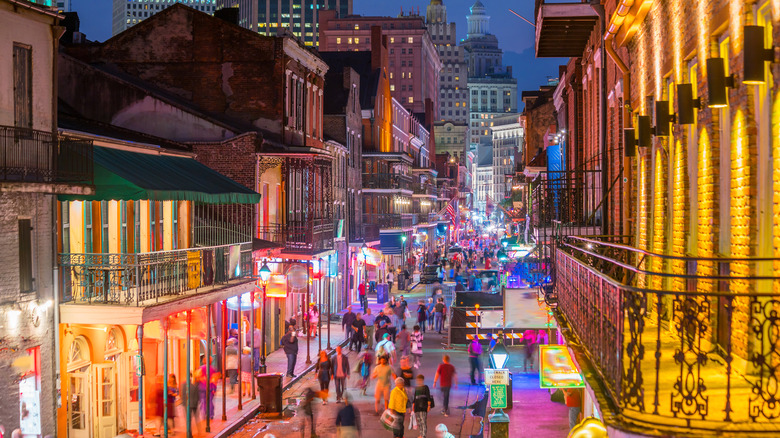
The French Quarter is the oldest neighborhood in New Orleans and its most famous. Founded in 1718, it is home to Bourbon Street, Jackson Square, Café du Monde, and hundreds of bars, restaurants, and live music venues. Walking through it at any hour of the day means encountering street musicians, artists, food vendors, and tourists from around the world.
Frenchmen Street, just outside the Quarter, is where locals go for live music. On any given night, you can stand on the sidewalk and hear jazz, blues, funk, and brass band music spilling from multiple venues at once. This constant, joyful noise is one of the most direct expressions of what the Big Easy means in practice.
New Orleans vs. Other American Cities: A Cultural Comparison
Big Easy vs. Big Apple
| Feature | New Orleans (Big Easy) | New York (Big Apple) |
|---|---|---|
| Pace of Life | Slow, unhurried | Fast, competitive |
| Cultural Vibe | Festive, communal | Ambitious, individualistic |
| Music Scene | Jazz, Blues, Brass Band | Hip-hop, Pop, Broadway |
| Food Culture | Creole, Cajun, French | International, fusion |
| Nightlife | Open containers, go-cups | Bar closing times |
| Famous Street | Bourbon Street | Broadway |
| Nickname Origin | Music ease, relaxed laws | Horse racing slang |
The contrast between these two nicknames tells you almost everything you need to know about how differently these two cities see themselves and how others see them.
How the Nickname Spread Into Popular Culture
The 1986 Film Cemented Everything
Dennis Quaid’s 1986 film “The Big Easy” introduced millions of Americans and international viewers to both the phrase and the city it described. The film is a crime thriller set in New Orleans and uses the city’s culture, music, food, and atmosphere as a central character. After its release, the phrase became permanently embedded in American pop culture as a synonym for New Orleans.
Tourism and Branding Kept It Alive
Travel writers, tourism campaigns, and national media coverage over the following decades repeatedly used the Big Easy as shorthand for New Orleans. Today it appears in travel guides, hotel names, restaurant branding, event names, and countless articles about the city. The nickname has become so well-known internationally that it serves as an instant signal — if you say the Big Easy, almost everyone knows exactly which city you mean.
What Locals Actually Call the City
Interestingly, residents of New Orleans rarely use the phrase themselves. Locals say NOLA, or New Or-leens, or New Or-lee-ans. They give each other directions using street names and neighborhood references. The Big Easy is a phrase used by the outside world to describe the city, which means it functions as much as a cultural observation as it does a local identity marker.
The Nickname Today: Is New Orleans Still the Big Easy?
The City After Hurricane Katrina
Hurricane Katrina struck New Orleans in August 2005 and caused catastrophic flooding that displaced hundreds of thousands of residents and destroyed entire neighborhoods. For a moment, the Big Easy identity felt fragile. The city was anything but easy in the years that followed.
But New Orleans rebuilt. Musicians came back. Restaurants reopened. Mardi Gras returned. And with them came a renewed, even defiant version of the Big Easy spirit — one that acknowledged the city’s hardships while insisting on celebration anyway. Many locals say that Katrina deepened the city’s identity rather than erasing it.
New Orleans as a Global Destination in 2026
Today, New Orleans draws millions of visitors every year. Jazz Fest alone attracts hundreds of thousands of attendees from around the world. The culinary scene — blending French, African, Spanish, and Caribbean influences — is recognized by food critics as one of the finest in the country. The music scene remains unmatched in its diversity and energy.
The Big Easy nickname is stronger and more widely recognized today than at any point in the city’s history. It represents not just a laid-back attitude, but a resilient, joyful, deeply human way of living that the rest of the world finds endlessly compelling.
The Lifestyle That Earned the Name
Food as a Way of Life
Eating in New Orleans is not something you rush. Breakfast can last two hours. Brunch is a sacred institution. A proper dinner at one of the city’s legendary restaurants — Dooky Chase, Commander’s Palace, Galatoire’s — is an unhurried, multi-course ritual that can take an entire evening. The food itself reflects this philosophy. Gumbo simmers for hours. Red beans and rice cook slowly every Monday, a tradition so entrenched it became a city-wide weekly habit born from washday routines of the 19th century.
This relationship between slow food and community gathering is inseparable from the Big Easy identity. You cannot eat in New Orleans quickly and do it right. The city does not let you.
Music as Community
In most American cities, music is something you consume — you buy a ticket, sit in your assigned seat, and leave when the show is over. In New Orleans, music is something that surrounds you, draws you in, and asks you to participate. Street musicians on Royal Street play for hours. Second line parades wind through neighborhoods with brass bands leading crowds of hundreds. Jazz funerals — a uniquely New Orleans tradition — send the dead off with solemn hymns and bring mourners home dancing in the streets.
This participatory relationship with music is deeply rooted in the African American and Creole traditions that built the city’s cultural foundation. It is why New Orleans was, and still is, the easiest city in America for a musician to feel at home.
The Architecture Reflects the Attitude
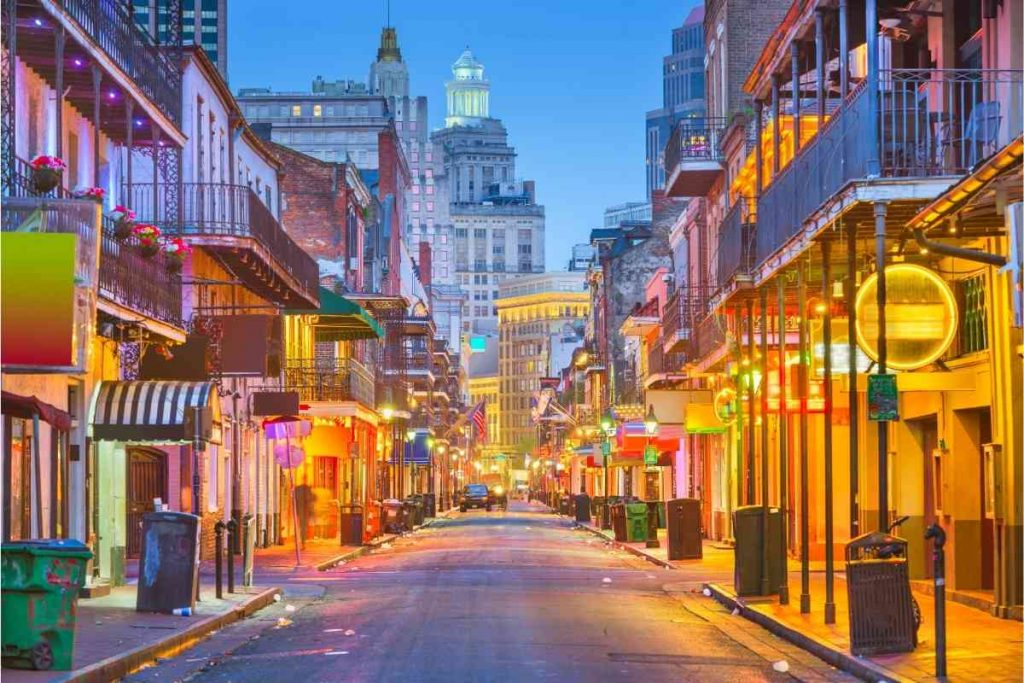
The buildings of the French Quarter, with their iron-lace balconies, shuttered windows, and open courtyards, were designed for a hot, humid climate where life happens slowly. Interior courtyards provided shade and airflow. Wide galleries — what the rest of America calls porches — invited people to sit, watch the street, and talk to neighbors passing by.
This architecture was not designed for efficiency. It was designed for comfort, conversation, and the enjoyment of being alive in a beautiful place. The buildings themselves are an expression of the Big Easy spirit that predates the nickname by more than a century.
Frequently Asked Questions (FAQs)
Why is New Orleans called the Big Easy?
New Orleans is called the Big Easy because of its relaxed lifestyle, vibrant jazz scene, and easygoing culture that contrasts sharply with the hustle of other major American cities like New York.
Where did the phrase “Big Easy” come from?
The phrase most likely originated with African American jazz musicians in the early 1900s who found it easier to find work in New Orleans than in other Southern cities.
Who first used the term Big Easy for New Orleans?
Novelist James Conway overheard the phrase in the 1960s and used it as his book title in 1970, while columnist Betty Guillaud also popularized it in her Times-Picayune newspaper column around the same time.
Is the Big Easy a compliment or an insult?
It is generally considered a compliment, celebrating New Orleans’ laid-back charm, musical culture, and festive spirit, though some locals find it a reductive label for a complex city.
Do New Orleans locals actually call it the Big Easy?
No — locals rarely use this nickname. They prefer NOLA, New Or-leens, or simply give directions by street and neighborhood name.
What was the Big Easy Hall?
The Big Easy Hall was a dance hall in Gretna, Louisiana, operating around 1900 where famous jazz musician Buddy Bolden regularly performed, and it is one of the earliest known uses of the phrase.
Did the 1986 movie create the Big Easy nickname?
No, the nickname existed before the film, but the Dennis Quaid movie of the same name dramatically spread its use nationally and internationally.
What other nicknames does New Orleans have?
New Orleans is also called the Crescent City, NOLA, the Queen City of the South, the Birthplace of Jazz, and the Paris of the South.
How does the Big Easy compare to New York’s Big Apple?
The Big Apple stands for ambition and energy, while the Big Easy celebrates pleasure, music, and a slower pace of life — they are cultural opposites deliberately created through that comparison.
Why is the Big Easy nickname still relevant in 2026?
Because New Orleans continues to represent a unique American cultural identity built around jazz, Creole food, Mardi Gras, and community celebration — values that feel more important, not less, in the modern world.
Conclusion
Why is New Orleans called the Big Easy? The answer is not a single story but a layered, living history.
It begins with African American musicians who found New Orleans more welcoming than the rest of the segregated South.
It runs through the dance halls of Gretna, the columns of the Times-Picayune, the pages of a 1970 crime novel, and the frames of a 1986 Hollywood film.
It breathes through the Creole food, the jazz clubs of Frenchmen Street, the chaos of Mardi Gras, and the simple pleasure of walking down Bourbon Street with a go-cup in hand.
The Big Easy is not just a nickname. It is a declaration.
It says that this city has chosen, again and again, to prioritize music over silence, celebration over work, community over isolation, and pleasure over ambition.
In 2026, that declaration feels more valuable — and more necessary — than ever. New Orleans is the Big Easy, and the world is lucky to have it.
