

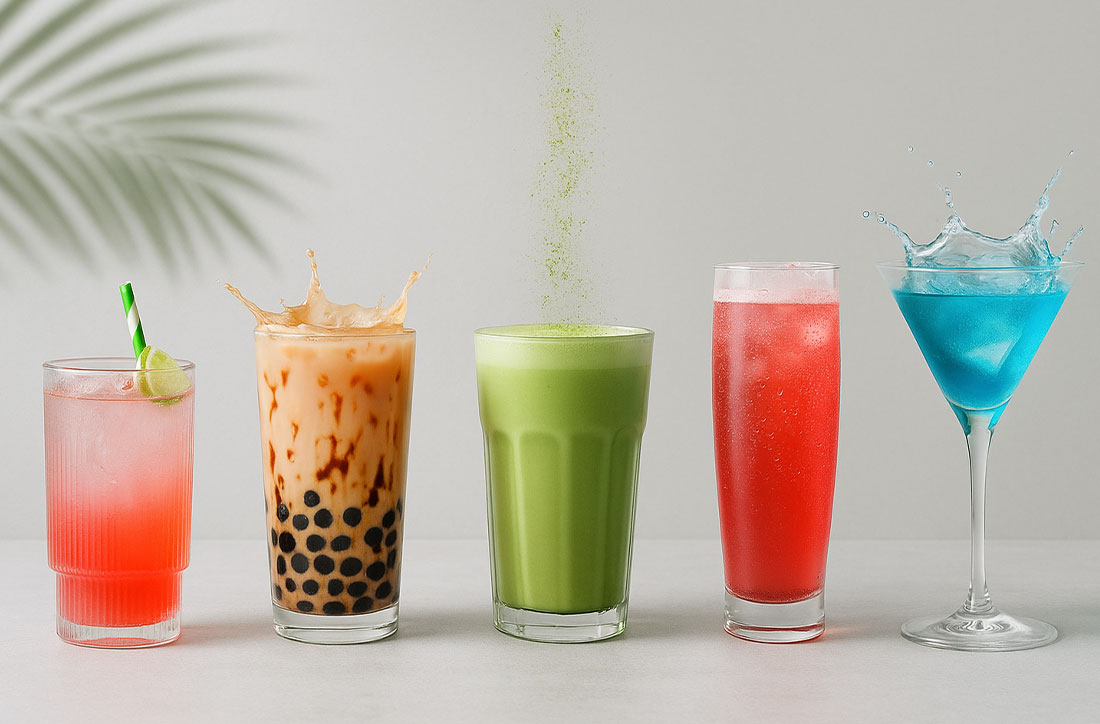
Generation Z has developed a unique relationship with beverages that reflects its values, lifestyle choices, and social habits. Unlike previous generations, Gen Z consumers are often drawn to drinks that offer more than simple refreshment. They look for products that align with their interests in health, sustainability, customization, and personal expression. As a result, beverage companies are constantly introducing new products to capture the attention of this influential generation. From specialty coffee to functional wellness drinks, Gen Z is shaping beverage trends around the world.
Health and Wellness Take Centre Stage
One of the biggest influences on Gen Z beverage choices is health consciousness. Many young consumers carefully read ingredient labels and actively seek products with fewer artificial additives and lower sugar content. Drinks that contain natural ingredients, vitamins, minerals, and electrolytes are often viewed more favourably than traditional sugary soft drinks.
Hydration has also become a major focus. Enhanced waters, flavoured sparkling waters, and beverages designed to support overall wellbeing continue to gain popularity. For many members of Gen Z, a drink is not just something to satisfy thirst but also a way to support a healthier lifestyle.
Coffee Has Become a Lifestyle Choice
Coffee remains one of the most popular beverages among Gen Z, but the way it is consumed has evolved significantly. Traditional black coffee is often replaced by iced lattes, cold brews, flavoured coffees, and creative café beverages. Coffee shops have become social spaces where young people meet friends, work remotely, or create content for social media.
Customisation is a key factor behind coffee’s popularity. Consumers can choose alternative milks, flavour syrups, and various brewing methods to create a drink that suits their personal tastes. This flexibility has helped coffee maintain its position as a favourite beverage category.
Energy Drinks Continue to Grow
Busy schedules, academic pressures, and active lifestyles have contributed to the continued success of energy drinks among Gen Z consumers. Many young adults rely on these beverages for a quick boost of energy during study sessions, workouts, or long workdays.
The category has expanded beyond traditional products to include sugar-free options, natural caffeine sources, and functional ingredients. New flavours and eye-catching branding have also helped energy drinks remain highly visible among younger consumers. Social media marketing campaigns and influencer partnerships further strengthen their appeal.
Functional Beverages Offer More Than Refreshment
Functional beverages have become one of the fastest-growing drink categories among Gen Z. These products often contain ingredients that claim to support specific wellness goals, such as improved focus, better digestion, relaxation, or enhanced physical performance.
Consumers are increasingly interested in products that combine convenience with potential health benefits. Probiotic drinks, vitamin-infused beverages, protein shakes, and adaptogenic drinks have all experienced growing demand. This trend reflects a broader interest in proactive wellness and self-care.
The Rise of Alcohol-Free Alternatives
Many members of Gen Z are changing traditional social drinking habits by exploring alternatives to alcoholic beverages. Premium mocktails, botanical drinks, and alcohol-free sparkling beverages have become increasingly common at parties, restaurants, and social gatherings.
At the same time, some consumers are exploring emerging beverage categories, including cannabis drinks. These options appeal to individuals who want alternative social experiences while moving away from traditional alcohol consumption. The growing variety of choices allows consumers to select beverages that better match their personal preferences and lifestyles.
Bubble Tea Maintains Its Popularity
Bubble tea continues to be one of the most recognisable drinks among Gen Z consumers. Its colourful appearance, wide range of flavours, and customisable ingredients make it especially appealing to younger audiences.
Customers can personalise sweetness levels, tea bases, toppings, and flavour combinations, creating a unique experience with every purchase. Bubble tea also performs exceptionally well on social media platforms, where visually attractive drinks often attract significant attention. This combination of taste, customisation, and visual appeal has helped sustain its popularity worldwide.
Sustainability Influences Purchasing Decisions
Environmental awareness plays an important role in how Gen Z chooses beverages. Many consumers prefer brands that demonstrate a commitment to sustainability through recyclable packaging, reduced plastic use, and responsible sourcing practices.
Companies that actively communicate their environmental initiatives often build stronger relationships with younger consumers. As sustainability becomes increasingly important, beverage manufacturers are investing in eco-friendly packaging and production methods to meet growing expectations.
Conclusion
The beverage preferences of Gen Z reflect a generation that values individuality, health, convenience, and meaningful experiences. Coffee, functional beverages, energy drinks, bubble tea, and alcohol-free alternatives all play significant roles in their daily routines. At the same time, sustainability and transparency continue to influence purchasing decisions. As Gen Z’s influence grows, beverage brands will continue to innovate and adapt, creating new products that reflect the priorities of this dynamic generation.
