

What is a main reason why entrepreneurs experience daily stress? The answer is considerable responsibility — and it hits from every direction, every single day.
Entrepreneurs carry the weight of decisions, finances, employees, and growth all at once.
Unlike a regular employee who clocks out, a business owner never truly stops working.
In 2026, with rising costs, AI disruption, and fierce competition, that stress has only grown heavier.
The Real Scale of Entrepreneur Stress in 2026

The numbers are hard to ignore. Research and surveys from recent years paint a clear picture of just how widespread stress is among business owners.
| Statistic | Data |
|---|---|
| Entrepreneurs experiencing daily stress | 46% |
| Founders reporting burnout at least once a year | 52% |
| Business owners impacted by a mental health condition | 72% |
| Entrepreneurs reporting sleep disturbances from stress | 40% |
| Founders who feel stressed more than half their week | 50% |
| Entrepreneurs who do not seek professional help | 77% |
These numbers show that stress is not an exception in entrepreneurship — it is the norm.
What Is a Main Reason Why Entrepreneurs Experience Daily Stress?
The single most recognized root cause is considerable responsibility.
Entrepreneurs are accountable for everything. If a product fails, they answer for it. If an employee quits, they must fix it. If cash runs low, they must solve it — fast.
This weight does not have an off switch. It follows them to dinner, to bed, and into the weekend. That nonstop accountability is what separates entrepreneurial stress from the stress of a regular 9-to-5 job.
Financial Pressure and Uncertainty
Why Money Is the Biggest Daily Stressor
Money is consistently ranked as the top daily stressor for entrepreneurs. Unlike salaried employees who receive a fixed paycheck, business owners face monthly income swings that can feel terrifying.
Paying salaries, covering rent, managing supplier invoices — all of this sits on their shoulders. A slow sales month can trigger a domino of anxiety that affects sleep, focus, and decision-making.
Cash Flow Volatility
Cash flow uncertainty is a major source of the everyday stress that entrepreneurs endure. A business can be profitable on paper but still struggle to pay its bills if money is not coming in at the right time.
Many founders use personal savings to keep the business alive. That blurs the line between business stress and personal financial fear.
The Cost of Growth
Scaling requires spending money before earning it. Hiring, marketing, inventory, and technology all demand upfront investment. This creates a gap where stress thrives — spending now, hoping to earn later.
Decision-Making Fatigue
The Hidden Drain on Mental Energy
Entrepreneurs make hundreds of decisions daily. From big strategic calls to small operational choices, this constant mental demand leads to decision fatigue.
Decision fatigue happens when the brain runs low on the mental energy needed to evaluate options clearly. After a long day of choices, even simple decisions feel overwhelming.
The Fear of Wrong Choices
Every decision carries consequence. A wrong hire, a mispriced product, or a poorly timed launch can cost real money and real time. That fear of being wrong adds a constant layer of pressure on top of normal thinking.
Research confirms that 88% of founders agree excessive stress leads to bad decision-making — creating a dangerous loop where stress causes poor choices, which create more stress.
Wearing Too Many Hats
One Person, Every Role
One of the main reasons why entrepreneurs experience daily stress is because they carry too many roles at once. In a single day, a founder may act as CEO, marketer, sales rep, customer service agent, and accountant.
This role overload pulls attention in multiple directions, making it nearly impossible to do any one thing well. The mental switching cost alone is exhausting.
No Clear “Off” Time
Employees have job descriptions. Entrepreneurs do not. There is always another email, another problem, another decision. Without clear role boundaries, the workday expands to fill all available hours — including evenings and weekends.
Work-Life Imbalance
When Business Bleeds Into Personal Life
Work-life imbalance is a major cause of daily stress for entrepreneurs. When the mind is always occupied with business concerns, personal relationships suffer.
Missed birthdays, skipped dinners, and distracted conversations become common. Over time, this creates guilt and emotional exhaustion that compounds the business stress already present.
Sleep Deprivation and Its Ripple Effect
40% of entrepreneurs report sleep disturbances directly linked to business stress. Poor sleep reduces focus, increases irritability, and lowers the ability to handle pressure — making every stressor feel bigger than it is.
Sleep loss and stress create a reinforcing cycle. Stress makes sleep hard; poor sleep makes stress worse.
Isolation and Loneliness

The Loneliness Nobody Talks About
Many entrepreneurs are solo founders or lead very small teams. This means few people around them truly understand the challenges they face.
This isolation compounds every other stressor. When there is nobody to share the burden with, stress accumulates silently. Over time, the buildup leads to burnout.
Lack of a Support Network
Most employees have managers, HR teams, and colleagues to lean on. Entrepreneurs often have none of that. When 77% of entrepreneurs do not seek professional help, much of their stress is carried alone — silently and dangerously.
Fear of Failure and Imposter Syndrome
The Inner Critic That Never Sleeps
Imposter syndrome is a widespread but rarely discussed stressor. Many entrepreneurs constantly question whether they are good enough, smart enough, or experienced enough to run their business.
This self-doubt is not rational, but it is very real. It creates anxiety before every pitch, every launch, and every major decision.
The Social Pressure to Succeed
Society glorifies entrepreneurial success. This creates a gap between how entrepreneurs feel inside and how they believe they must appear on the outside. Maintaining that performance is itself a source of daily exhaustion.
Talent and Team Management Stress
Hiring Is Harder Than It Looks
Finding, attracting, and keeping good employees is one of the most common sources of stress for business owners. A single bad hire can damage team culture, frustrate customers, and cost significant money.
The talent market in 2026 remains competitive. Entrepreneurs often cannot match the salaries or benefits of larger companies, making retention even harder.
Managing People Without HR Support
Most small businesses have no HR department. The founder handles performance issues, conflicts, and terminations themselves — adding emotional labor on top of everything else.
Market Competition and Innovation Pressure
Staying Relevant in a Fast-Moving World
Competition never pauses. Entrepreneurs must constantly monitor industry trends, competitor moves, and changing customer expectations. Falling behind can happen fast.
In 2025, over half of founders reported that AI-related disruption had significantly increased their stress levels in the past year. The pace of technological change creates existential pressure for business owners already stretched thin.
The Pressure to Innovate Constantly
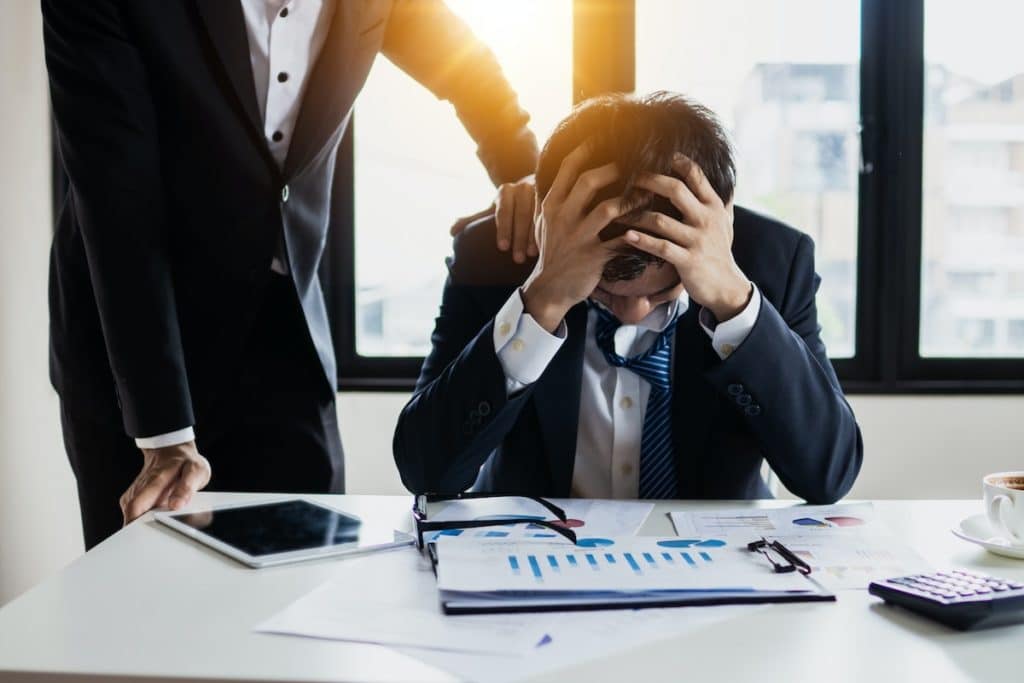
Customers expect improvement. Investors demand growth. The market rewards speed. This creates a relentless push to innovate — often without enough time, money, or energy to do it properly.
Time Scarcity
Not Enough Hours in the Day
Time pressure is one of the most consistent stressors for entrepreneurs. There is always more to do than there are hours to do it in.
Prioritization becomes its own challenge. When everything feels urgent, nothing gets the attention it truly needs. This creates a constant feeling of falling behind, even when working at full capacity.
The Productivity Trap
Many entrepreneurs measure their worth by how much they produce. This mindset leads to overworking, skipping recovery time, and ignoring warning signs of burnout. Being busy feels productive — but it often masks unsustainable habits.
The Compounding Effect: When Stressors Stack
No entrepreneur faces just one stressor. They face all of them — simultaneously.
| Stressor Category | Daily Impact |
|---|---|
| Financial pressure | High anxiety, sleep loss |
| Decision fatigue | Poor choices, mental exhaustion |
| Role overload | Reduced performance, burnout |
| Work-life imbalance | Relationship strain, guilt |
| Isolation | Emotional buildup, depression risk |
| Imposter syndrome | Self-doubt, loss of confidence |
| Talent issues | Team dysfunction, extra workload |
| Competition | Constant vigilance, fatigue |
When these stack together, they create a pressure system that is genuinely difficult to manage without intentional strategies.
How Entrepreneurs Can Manage Daily Stress
Build Boundaries Before You Burn Out
Setting clear working hours — and sticking to them — is one of the most practical steps any entrepreneur can take. Protecting time away from work protects mental health.
Even one hour per day that is truly screen-free and work-free can lower cortisol levels and improve decision-making quality the next day.
Delegate More Than You Are Comfortable With
The instinct to control everything is a direct driver of role overload stress. Learning to delegate — to employees, virtual assistants, or automation tools — frees mental bandwidth for the decisions that truly need the founder’s attention.
Build a Peer Network
Connecting with other entrepreneurs, whether through local groups, online communities, or mentorship programs, directly addresses isolation. Shared experience reduces the feeling that you are alone in your struggles.
Prioritize Sleep and Physical Health
Sleep is not a luxury for entrepreneurs — it is a performance tool. Protecting sleep means protecting judgment, creativity, and emotional resilience. Regular exercise has also been shown to reduce cortisol and improve stress tolerance significantly.
Seek Professional Support Early
Only 23% of founders currently seek professional psychological support. Yet therapy, coaching, or even structured peer accountability has measurable impact on stress levels and business performance.
Stress vs. Burnout: Know the Difference
| Condition | Signs | Recovery |
|---|---|---|
| Acute stress | Short-term pressure, manageable anxiety | Rest, solution-finding |
| Chronic stress | Persistent fatigue, reduced focus | Structural changes needed |
| Burnout | Emotional exhaustion, detachment, cynicism | Professional support, extended rest |
Catching stress early prevents it from becoming burnout. Burnout recovery takes far longer than stress management.
The Business Cost of Unmanaged Stress
Stress is not just a personal health issue — it directly damages business outcomes.
51% of entrepreneurs report that burnout has led to decreased productivity. 53% who experienced burnout saw a decline in creativity and innovation. 26% have faced legal or financial issues arising from burnout-related mistakes.
Unmanaged stress is a business risk, not just a personal one.
Frequently Asked Questions (FAQs)
What is a main reason why entrepreneurs experience daily stress?
The main reason is considerable responsibility. Entrepreneurs are accountable for finances, people, decisions, and outcomes all at once, with no one else to share that weight.
How common is stress among entrepreneurs?
Very common. About 46% of entrepreneurs report experiencing daily stress, and 72% are affected by a mental health condition related to their work.
Does financial pressure really cause the most stress for business owners?
Yes, financial uncertainty — including cash flow problems, payroll pressure, and fear of running out of money — is consistently ranked as the top stressor among entrepreneurs.
What is decision fatigue and why does it affect entrepreneurs?
Decision fatigue is the mental exhaustion from making too many choices. Entrepreneurs face hundreds of decisions daily, which depletes mental energy and leads to worse choices over time.
How does work-life imbalance contribute to daily stress?
When business thoughts dominate personal time, relationships suffer and emotional exhaustion builds. Missing personal events and neglecting self-care create guilt that adds to overall stress levels.
What role does isolation play in entrepreneurial stress?
Many founders work alone or in small teams with nobody who truly understands their challenges. This isolation means stress is carried silently, increasing the risk of burnout and depression.
Can imposter syndrome cause physical stress symptoms?
Yes. Persistent self-doubt activates the stress response in the body, leading to anxiety, sleep problems, and physical tension even when there is no external threat present.
How does team management add to an entrepreneur’s daily stress?
Hiring, retaining, and managing people without HR support adds significant emotional labor. Conflict, underperformance, and turnover all land directly on the founder’s plate.
What is the difference between stress and burnout for entrepreneurs?
Stress is typically short-term and recoverable. Burnout is a state of deep emotional and physical exhaustion that develops when stress is chronic and unaddressed over a long period.
How can entrepreneurs reduce daily stress without quitting their business?
Key strategies include delegating tasks, setting firm work boundaries, building peer networks, prioritizing sleep, and seeking professional coaching or therapy before stress reaches crisis level.
Conclusion
What is a main reason why entrepreneurs experience daily stress? At its core, it is the weight of considerable responsibility — compounded by financial uncertainty, decision fatigue, role overload, isolation, and relentless competitive pressure.
In 2026, these pressures have only intensified as markets move faster and expectations grow higher.
The data is clear: nearly half of all entrepreneurs deal with daily stress, and most carry it alone.
But stress left unmanaged becomes burnout, and burnout becomes a business risk.
The good news is that practical, proven strategies exist to reduce this burden — delegation, boundaries, peer support, sleep, and professional help all make a measurable difference.
Entrepreneurs do not have to choose between building a business and protecting their mental health.
With the right habits and support systems, both are possible.
