

Why does my dog snore — and is it something you should worry about? Dog snoring is more common than most pet owners realize, and in many cases it is completely harmless.
That low, rumbling sound coming from your sleeping pup can be caused by anything from a funny sleep position to a breed trait to a hidden health issue.
What Is Dog Snoring?
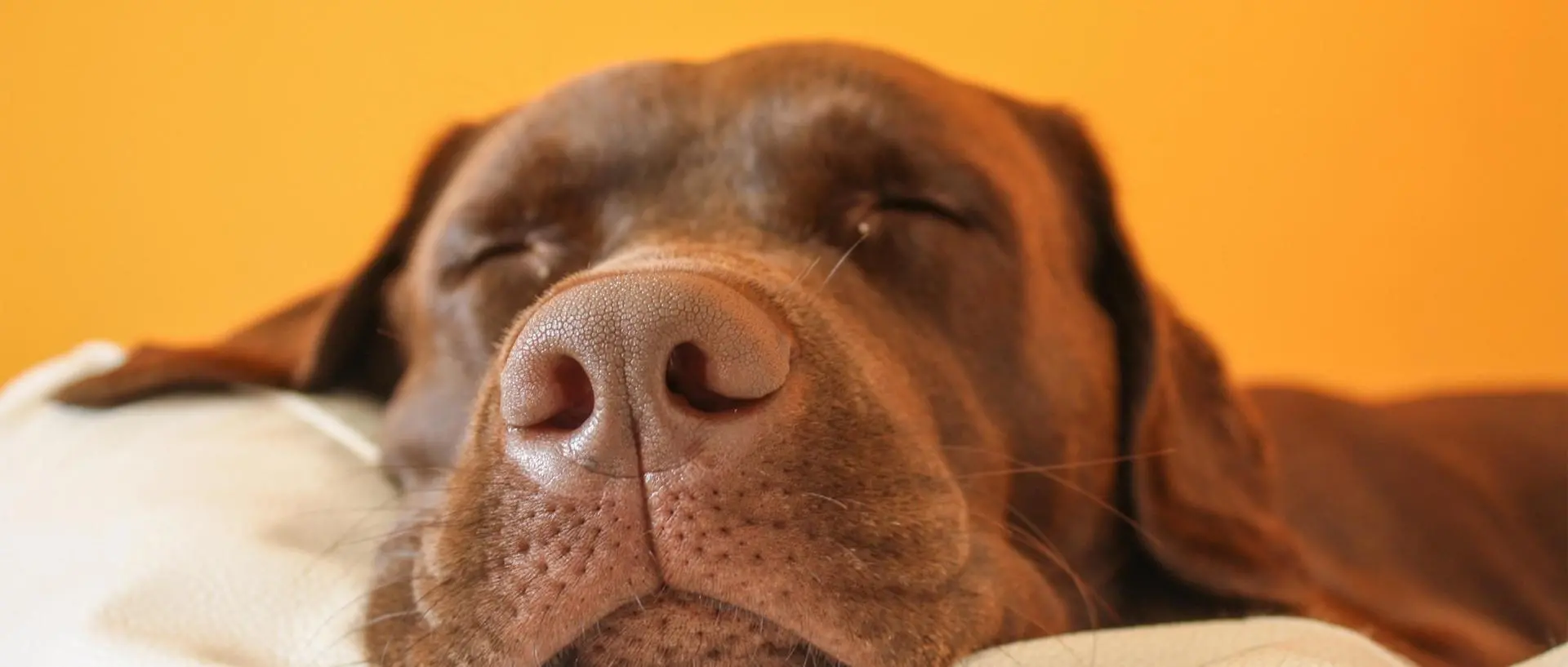
Dog snoring is the noisy sound made when air meets resistance while passing through the nose, throat, or mouth during sleep.
The medical term for this low-pitched rumbling sound is stertor. It happens when the soft tissues in the upper airway — the soft palate, throat lining, or nasal passages — partially block or narrow the path air travels through.
When those tissues vibrate from the restricted airflow, you hear the characteristic snore. The key is understanding why the airway is narrowed in the first place.
Is It Normal for Dogs to Snore?
Yes — dog snoring is very common and is often completely normal.
Some breeds snore by design due to their anatomy. Others snore only when sleeping in certain positions, and the snoring stops the moment they roll over. Occasional snoring in an otherwise healthy, energetic dog is almost never cause for alarm.
However, snoring that is new, getting louder, happening while awake, or paired with other symptoms is not normal. That kind of snoring signals something that needs attention.
Top Causes of Dog Snoring
1. Breed Anatomy (Brachycephalic Dogs)
The most common reason dogs snore is the shape of their skull and airways.
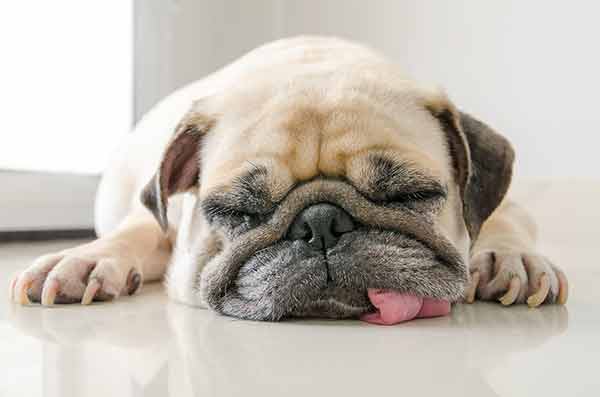
Brachycephalic breeds — dogs with flat faces and short noses — are physically built in a way that permanently restricts airflow. Their skulls are compressed, but they still have the same amount of soft tissue in the nose and throat as long-nosed dogs. That extra tissue folds and wrinkles inside a smaller space.
Most prone brachycephalic breeds:
| Breed | Snoring Risk |
|---|---|
| English Bulldog | Very High |
| French Bulldog | Very High |
| Pug | Very High |
| Shih Tzu | High |
| Boston Terrier | High |
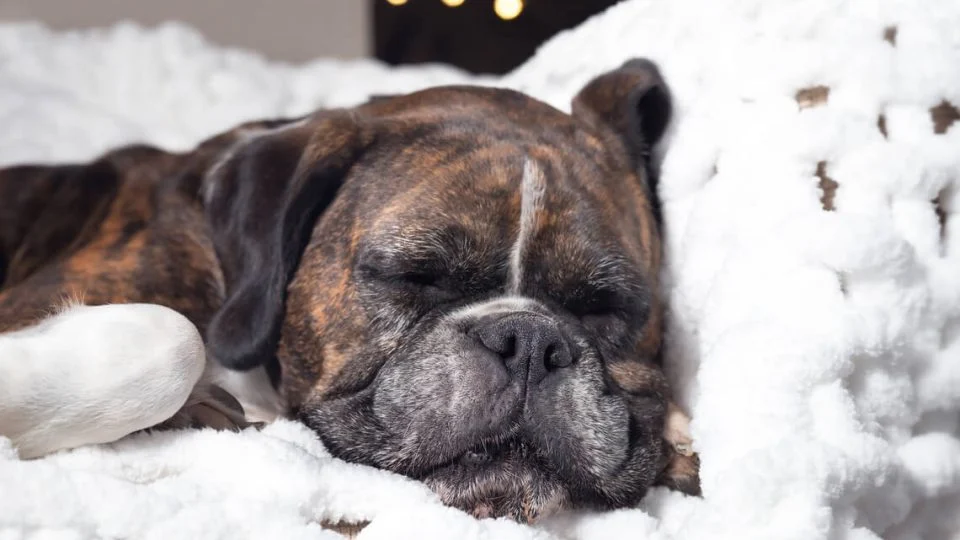
| Boxer | High |
| Pekingese | High |
| Cavalier King Charles Spaniel | Moderate–High |
These dogs commonly have an elongated soft palate that hangs down and partially covers the windpipe, stenotic nares (narrowed nostrils that restrict airflow at the very start), and a narrow trachea that collapses slightly with each breath.
For these breeds, snoring is a lifelong trait. It does not mean they are sick — but it does mean you need to keep their weight healthy and watch for breathing difficulties.
2. Sleep Position
One of the simplest causes of dog snoring is sleeping on their back.
When a dog lies flat on its back, the tongue relaxes and falls toward the back of the throat. This partially blocks the airway and causes a snoring sound. The same thing can happen if a dog rests its neck on a raised object at an awkward angle.
This type of snoring stops the moment the dog shifts position. It is not a health concern at all.
3. Obesity and Weight Gain
Overweight dogs snore significantly more than dogs at a healthy weight.
Extra body fat deposits around the neck and chest press inward on the airway, narrowing it from the outside. The heavier the dog, the more pressure on the throat tissues during sleep. Obese dogs often snore loudly at night and may also pant heavily or tire quickly on walks.
Even a modest weight loss — 5 to 10% of body weight — can dramatically reduce or completely eliminate snoring in overweight dogs.
4. Allergies
Environmental allergens cause the tissues lining the nasal passages and throat to swell and become inflamed.
That inflammation narrows the airway and produces snoring. Common dog allergens include:
- Pollen (seasonal)
- Dust mites
- Mold spores
- Pet dander
- Cleaning product residue
- Cigarette smoke
If your dog snores more during certain seasons, sneezes often, rubs their face frequently, or has itchy skin, allergies are a likely contributing factor.
5. Upper Respiratory Infection
Dogs get respiratory infections just like people.
A bacterial or viral upper respiratory infection causes nasal congestion, mucus buildup, and swollen airway tissues. All of that restricts airflow and can turn a normally quiet sleeper into a loud snorer overnight. Other signs include nasal discharge, sneezing, coughing, watery eyes, and mild lethargy.
This type of snoring typically resolves on its own once the infection clears, usually within one to two weeks.
6. Foreign Objects in the Airway
Dogs investigate the world by sniffing everything. Sometimes they accidentally inhale a small object — a blade of grass, a seed, a piece of debris — into the nasal passage.
That object can partially block the airway and cause snoring along with sneezing and nasal discharge. If you suspect a foreign object, see your vet — do not try to remove it yourself.
7. Growths, Polyps, or Tumors
Abnormal growths inside the nasal passage or throat can obstruct airflow and cause snoring.
Nasal polyps are soft, benign growths that form in the nasal cavity. They are not cancerous but still block airflow. More serious growths — such as nasal carcinoma — are malignant and require urgent veterinary attention.
These are more common in older dogs, but they can occur at any age. Sudden-onset snoring in an older dog warrants a vet check.
8. Abscessed Tooth
A bacterial tooth abscess can cause swelling and inflammation in the surrounding tissues, including the nasal cavity and throat.
Because the roots of the upper teeth sit very close to the nasal passages, an abscessed upper tooth can directly affect airflow. Watch for facial swelling, reluctance to eat, pawing at the mouth, or bad breath alongside the snoring.
9. Hypothyroidism
An underactive thyroid gland (hypothyroidism) can cause weight gain and tissue changes that lead to snoring.
Other signs of hypothyroidism include a dull or thinning coat, flaky skin, low energy, cold intolerance, reduced appetite, and recurring skin or ear infections. If your dog has several of these signs along with new snoring, ask your vet to run a thyroid panel.
10. Sleep Apnea
Sleep apnea in dogs is a condition where breathing repeatedly stops and starts during sleep.
It is more common in brachycephalic breeds and obese dogs. Signs include loud snoring, gasping or choking sounds during sleep, and excessive daytime sleepiness. Dogs with sleep apnea are not getting enough oxygen during rest, which affects their overall health and energy levels.
11. Medications
Certain medications, especially muscle relaxants and sedatives, can relax the throat muscles enough to cause snoring as a side effect.
If your dog started snoring after beginning a new medication, mention it to your vet. Never stop medication on your own — ask for guidance first.
12. Age
As dogs get older, their throat muscles naturally weaken.
Weaker throat muscles are less able to hold the airway open during sleep, which increases the chance of snoring. Senior dogs that develop snoring for the first time should still be checked by a vet to rule out other age-related causes like growths or hypothyroidism.
Quick-Reference Cause and Fix Table
| Cause | Key Sign | Easy Fix |
|---|---|---|
| Sleep position | Snores only on back | Reposition on side |
| Brachycephalic breed | Lifelong snorer, flat face | Maintain healthy weight, use humidifier |
| Obesity | Loud snoring, pants on walks | Diet + exercise plan |
| Allergies | Seasonal snoring, itchy skin | Air purifier, wipe paws, vet allergy meds |
| Respiratory infection | Nasal discharge, sneezing | Rest, vet care if not resolving |
| Foreign object | Sudden snoring + sneezing | Vet removal |
| Polyp/tumor | Gradual worsening, one-sided | Vet exam + imaging |
| Abscessed tooth | Facial swelling, bad breath | Dental vet care |
| Hypothyroidism | Weight gain, dull coat | Vet thyroid test |
| Sleep apnea | Gasping during sleep | Weight loss, vet eval |
| Medication | Snoring started with new Rx | Consult vet |
| Age | Gradual onset, senior dog | Vet check, soft bedding |
Easy Fixes for Dog Snoring at Home
Change the Sleep Position
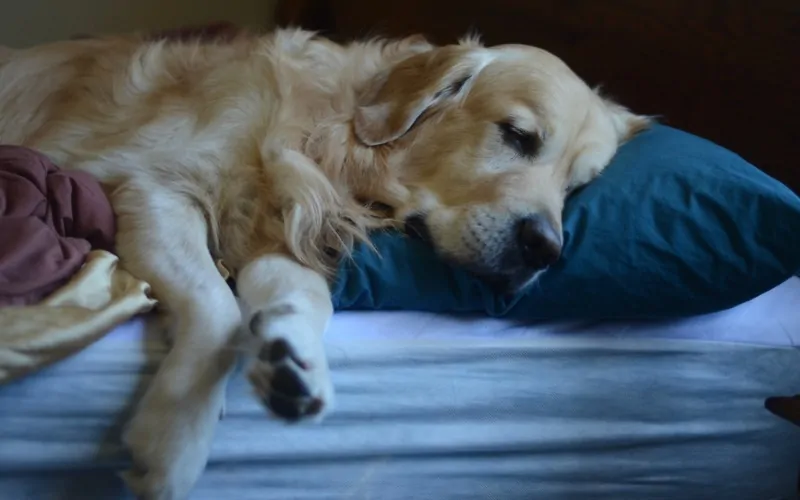
Gently roll your dog onto their side if you notice them snoring on their back. Over time, you can encourage side-sleeping by using an oval or donut-shaped dog bed that naturally cradles the body in a curled position.
Raised orthopedic beds also improve airflow around the head and neck. A small pillow placed under their head can keep the neck at a better angle.
Use an Air Purifier or Humidifier
Indoor air quality directly affects your dog’s nasal passages.
A HEPA air purifier removes allergens like dust mites, pollen, and pet dander from the room where your dog sleeps. A humidifier adds moisture to dry air, which prevents the nasal tissues from becoming irritated and swollen. Both are inexpensive and can make a real difference, especially in winter or allergy season.
Keep Up With Regular Vacuuming and Cleaning
Allergens settle into carpets, bedding, and furniture. Vacuum frequently, wash your dog’s bedding weekly in hot water, and wipe your dog’s face and paws when they come inside from outdoor areas where pollen is present.
Avoid using strong chemical cleaning products in areas where your dog sleeps — the fumes can irritate their nasal passages.
Help Your Dog Lose Weight
If your dog is overweight, weight loss is one of the most effective fixes for snoring.
Talk to your vet about a safe calorie target and feeding plan. Add daily walks and play sessions. Even losing 10% of body weight can dramatically reduce the pressure on the throat and airway. Do not put your dog on a crash diet — gradual, consistent weight loss is the goal.
Try an Elevated Dog Bed or Pillow
Keeping the head and neck slightly elevated while sleeping reduces the chance of the tongue or soft tissue falling backward and blocking the airway.
Orthopedic foam dog beds with bolster sides naturally keep dogs in a better sleeping posture. A rolled blanket or small firm pillow placed under the head can also help.
Reduce Secondhand Smoke Exposure
Cigarette smoke is a direct irritant to the canine respiratory system. Dogs living in homes where people smoke regularly are at higher risk of nasal inflammation, congestion, and snoring. If possible, keep your dog away from smoke entirely.
Keep Your Dog’s Teeth Clean
Regular dental care prevents tooth abscesses that can cause nasal passage inflammation.
Brush your dog’s teeth several times a week, offer dental chews, and schedule annual professional dental cleanings with your vet. Good oral hygiene is one of the most overlooked factors in snoring prevention.
When to See a Vet About Dog Snoring
Most snoring is harmless, but some situations require professional attention. Contact your veterinarian if you notice any of the following:
Your dog suddenly starts snoring for the first time and has no obvious reason like a new sleeping position.
The snoring is getting progressively louder or more frequent over days or weeks.
Your dog snores while awake or has noisy breathing at rest — this often signals a structural problem or active infection.
You notice nasal discharge, nosebleeds, sneezing, or coughing alongside the snoring.
Your dog gasps, chokes, or seems to stop breathing briefly during sleep — this is a sign of sleep apnea.
Your dog seems unusually tired, lethargic, or low energy despite sleeping a lot.
There is facial swelling, bad breath, or reluctance to eat — these point to a dental abscess.
Your dog has gained weight rapidly along with a dull coat and low energy — hypothyroidism needs to be ruled out.
What Will the Vet Do?
Your vet will take a full history of when the snoring started, how often it happens, and whether it is getting worse.
They will perform a physical exam of the nose, mouth, and throat. Depending on what they find, they may recommend:
- X-rays or CT scan to look at the nasal cavity and airway structure
- Rhinoscopy or endoscopy to view the inside of the nose and throat directly
- Blood tests to check for infection, thyroid function, or other internal issues
- Surgery to correct structural problems like an elongated soft palate or stenotic nares in brachycephalic dogs
Surgery for brachycephalic dogs can significantly improve their quality of life, reduce snoring, and lower the risk of a respiratory crisis.
Dog Snoring by Breed Type
Not all dogs are equal when it comes to snoring risk. Here is how different breed types compare:
| Breed Type | Snoring Likelihood | Primary Reason |
|---|---|---|
| Flat-faced (brachycephalic) | Very High | Structural airway narrowing |
| Large/giant breeds | Moderate | Soft tissue weight, age |
| Medium mixed breeds | Low–Moderate | Position, weight, allergies |
| Lean, long-nosed breeds | Low | Occasional position-related |
| Overweight any breed | High | Fat tissue pressing on airway |
| Senior dogs (any breed) | Moderate–High | Muscle weakening with age |
Dog Snoring vs. Other Breathing Sounds
Sometimes what sounds like snoring is actually a different type of breathing noise. Knowing the difference helps you describe it accurately to your vet.
Snoring (stertor): A low-pitched, rumbling sound during sleep. Caused by soft tissue vibration in the throat or nasal passages.
Stridor: A high-pitched, squeaky sound during breathing — can occur awake or asleep. Often signals a more serious upper airway problem and needs prompt vet attention.
Reverse sneezing: A rapid, forceful inhalation through the nose that sounds like a honking or snorting noise. Usually brief and harmless — it resolves on its own within seconds.
Wheezing: A high-pitched whistling sound during breathing, often more noticeable during or after exercise. Can indicate asthma, allergies, or a lower airway issue.
If your dog makes any of these sounds regularly, especially wheezing or stridor, do not wait — contact your vet.
Preventing Dog Snoring Long-Term
You cannot prevent snoring caused by breed anatomy, but you can take steps to reduce snoring from other causes.
Maintain a healthy weight through consistent diet and exercise. Schedule annual vet checkups so problems are caught early. Keep the sleeping environment clean and allergen-free. Provide regular dental care to prevent abscesses. Use a humidifier in dry climates or during winter. Replace old, flat dog beds with supportive orthopedic ones that encourage side-sleeping. Avoid smoke and strong chemical fumes in your home.
These habits are good for your dog’s overall health, not just their snoring.
Frequently Asked Questions (FAQs)
Why does my dog snore so loudly all of a sudden?
Sudden loud snoring is usually caused by congestion from a respiratory infection, a foreign object in the nasal passage, or a new growth. See your vet if it came on suddenly with no obvious reason.
Is dog snoring a sign of sleep apnea?
It can be. Dogs with sleep apnea snore loudly and may gasp or seem to stop breathing briefly during sleep. Obese and flat-faced breeds are most at risk — a vet evaluation is needed for diagnosis.
Should I be worried if my puppy snores?
Occasional puppy snoring is usually normal, especially in brachycephalic breeds. If it is loud, constant, or comes with other symptoms like nasal discharge, have your puppy checked.
Can allergies make my dog snore?
Yes. Allergens like pollen, dust, and mold cause nasal and throat tissue to swell, narrowing the airway. Seasonal snoring that worsens in spring or fall often points to allergies.
Do certain dog breeds snore more?
Absolutely. Flat-faced breeds — Pugs, Bulldogs, French Bulldogs, Shih Tzus, Boxers, Boston Terriers — snore far more than other dogs because of their compressed airway anatomy.
How can I stop my dog from snoring at night?
Reposition them onto their side, use an elevated or orthopedic dog bed, run a humidifier, keep the room allergen-free, and help them reach a healthy weight. These fixes work for most position-related or weight-related snoring.
Is it safe to let my dog sleep with me if they snore?
Yes, it is safe unless their snoring disturbs your own sleep. If it is bothering you, a comfortable dog bed in the same room is a good compromise — it keeps them close without disrupting your rest.
Can dog snoring be fixed with surgery?
Yes, in certain cases. Surgery to shorten an elongated soft palate or widen stenotic nares in brachycephalic dogs can significantly reduce snoring and improve breathing quality.
Does my dog snoring mean they are not sleeping well?
Not necessarily. Mild snoring usually does not disrupt dog sleep. However, if your dog seems excessively tired, restless at night, or is gasping during sleep, they may not be getting quality rest and need a vet check.
Can a dog snore because of a tooth problem?
Yes. An abscessed upper tooth can cause swelling that spreads into the nasal passages, leading to snoring. Watch for bad breath, facial swelling, or eating reluctance alongside the snoring.
Conclusion
Dog snoring is one of the most common things pet owners wonder about — and for good reason. It can be adorable, harmless, and just a quirk of your dog’s personality. But it can also be the first sign of something that needs attention.
The most important thing is knowing the difference between normal snoring and snoring that signals a problem. A healthy dog that occasionally snores in a funny sleeping position is not a cause for worry. A dog that suddenly starts snoring loudly, snores while awake, or has other symptoms alongside the noise absolutely deserves a vet visit.
Use the fixes in this guide — better sleep positions, healthier weight, cleaner air, and good dental care — and you will reduce most snoring causes naturally. When in doubt, your veterinarian is always your best resource. They can examine your dog, identify the exact cause, and recommend the most effective solution so both you and your dog can sleep peacefully.
