

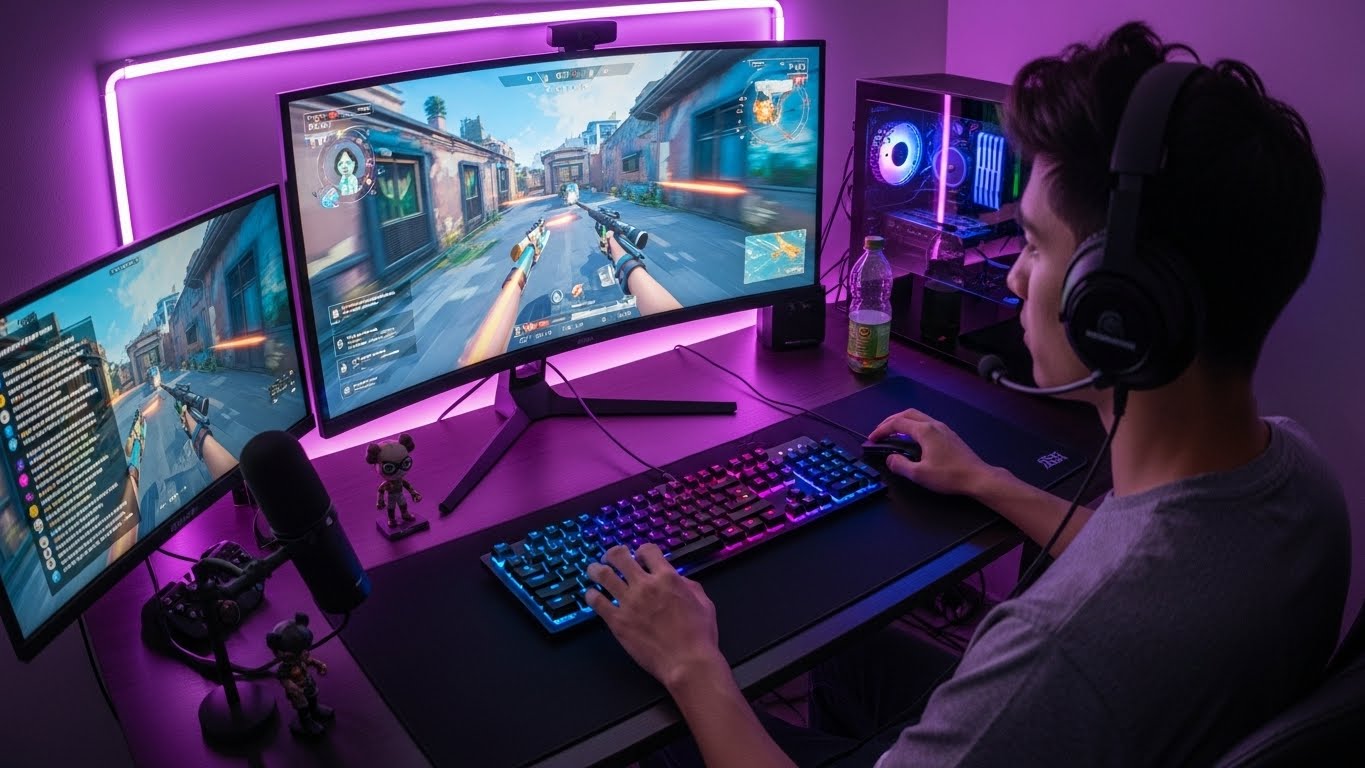
Online SBOBET has evolved far beyond simple gameplay—it has created an entirely new culture. Today, it influences how people communicate, how trends spread, and even how identities are formed in the digital space. With millions of active players worldwide, online gaming is no longer just an activity; it is a powerful cultural movement shaping modern entertainment.
The Birth of Gaming Culture
Gaming culture began with small communities of passionate players who shared tips, strategies, and experiences. As internet access expanded, these communities grew into global networks. Forums, chat rooms, and early multiplayer platforms became the foundation of what we now recognize as online gaming culture.
Over time, gaming developed its own language, symbols, and traditions. Terms like “noob,” “GG,” and “AFK” became universally understood among players. These elements helped create a shared identity that connects gamers across different regions and backgrounds.
Identity and Expression in Virtual Worlds
One of the most unique aspects of online gaming is the ability for players to express themselves through avatars, skins, and in-game customization. Players can create characters that reflect their personality—or even experiment with entirely different identities.
This level of expression goes beyond appearance. Playstyle, communication, and decision-making all contribute to how a player is perceived within a game. In many ways, online gaming allows individuals to explore aspects of themselves that may not be visible in real life.
For younger generations especially, gaming has become a key part of identity. It influences their interests, social circles, and even career aspirations.
Communities That Go Beyond the Game
Online gaming communities are among the most active and engaged digital communities today. Players don’t just interact during gameplay—they connect through social media, forums, and messaging platforms.
These communities often extend beyond the game itself. Fans create artwork, write stories, and share gameplay highlights. Some communities organize tournaments, meetups, and collaborative events, strengthening the bond between players.
The sense of belonging that comes from these communities is one of the main reasons people stay engaged in online gaming. It transforms a simple activity into a shared experience.
The Role of Streaming and Influencers
Streaming has become a central part of online gaming culture. Gamers now have the ability to broadcast their gameplay to live audiences, creating a new form of entertainment.
Gaming influencers have built massive followings by sharing their skills, personalities, and unique content. They influence trends, introduce new games, and shape public opinion within the gaming world.
Viewers don’t just watch—they interact. Live chats, donations, and community events allow audiences to become part of the experience. This interactive nature makes gaming content more engaging than traditional media.
Memes and Viral Trends
Online gaming has become a major source of internet memes and viral trends. Funny moments, unexpected glitches, and iconic in-game events often spread rapidly across social media.
These trends contribute to the cultural impact of gaming. They create shared experiences that extend beyond the game itself. Even people who don’t actively play games are often familiar with gaming-related memes.
This crossover between gaming and mainstream culture highlights how deeply gaming has integrated into everyday life.
Diversity and Inclusion in Gaming
The online gaming community is becoming increasingly diverse. Players from different countries, cultures, and backgrounds are coming together in shared virtual spaces.
Game developers are also making efforts to promote inclusion by creating diverse characters and storylines. This helps more players feel represented and connected to the games they play.
While challenges such as toxicity still exist, there is growing awareness and action to create safer and more welcoming environments for all players.
Economic Influence of Gaming Culture
Gaming culture is not just social—it is also اقتصادی. Merchandise, in-game purchases, and digital content have created a thriving market. Players invest in skins, collectibles, and exclusive items that enhance their experience.
Content creators and influencers earn income through sponsorships, ads, and fan support. Esports organizations generate revenue through tournaments, media rights, and partnerships.
This economic activity shows how gaming culture has evolved into a powerful industry that supports millions of livelihoods.
The Impact on Traditional Entertainment
Online gaming is reshaping traditional entertainment industries. Movies, music, and television are increasingly influenced by gaming trends.
Game adaptations into films and series are becoming more common. Musicians collaborate with games to host virtual concerts. Even storytelling techniques used in games are influencing how narratives are created in other media.
This blending of industries demonstrates the growing influence of gaming culture on global entertainment.
Challenges Within Gaming Culture
Despite its positive aspects, gaming culture also faces challenges. Toxic behavior, harassment, and unfair competition can negatively impact players.
There is also the issue of over-dependence on gaming, especially among younger audiences. Spending too much time in virtual worlds can affect real-life responsibilities and health.
Developers and communities are working together to address these issues through better moderation, awareness campaigns, and supportive environments.
The Future of Gaming Culture
The future of online gaming culture is closely tied to technological innovation. Virtual reality (VR) and augmented reality (AR) are expected to create even more immersive social experiences.
The concept of the metaverse is gaining attention, where gaming worlds become spaces for work, education, and social interaction. In such environments, gaming culture could expand into new areas of daily life.
As technology evolves, the boundaries between the real world and virtual worlds will continue to blur.
Conclusion
Online gaming culture has transformed the way people interact, express themselves, and experience entertainment. It has created communities, careers, and opportunities that did not exist before.
While challenges remain, the overall impact of online gaming culture is overwhelmingly positive. It brings people together, encourages creativity, and drives innovation.
As the digital world continues to grow, online gaming culture will remain at the forefront, shaping the future of entertainment and human connection.
