

Why do my ankles swell — this is one of the most common health questions people ask, and the answer is rarely just one thing.
Swollen ankles, medically known as edema, happen when excess fluid builds up in the tissues of your lower legs and feet. It can strike after a long day of standing, a salty meal, or even a long flight.
While most cases are harmless and linked to everyday habits, some causes need medical attention.
What Is Ankle Swelling (Edema)?
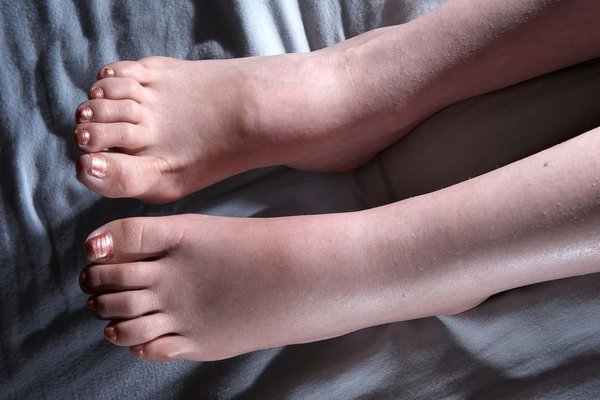
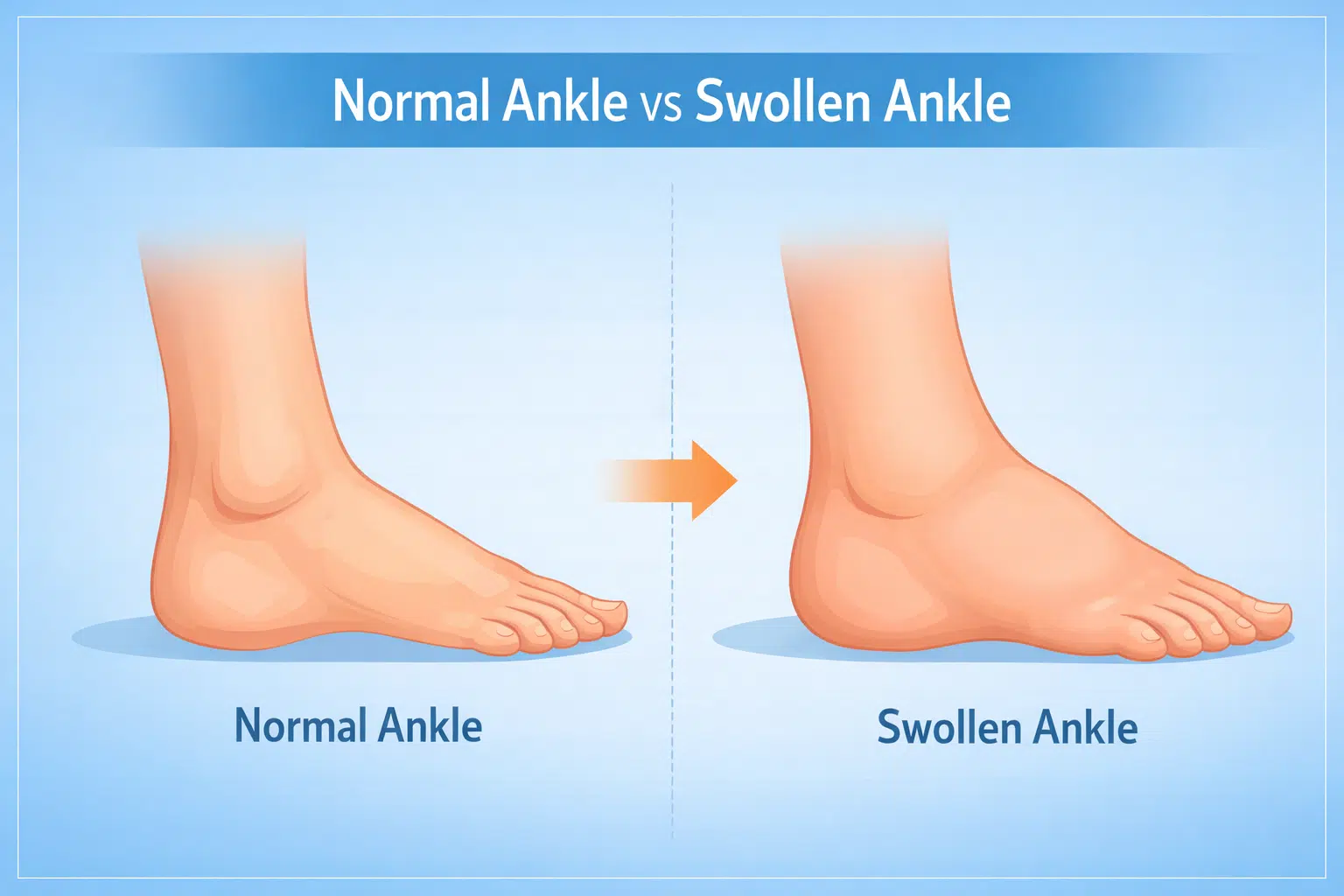
Ankle swelling is the visible puffiness that forms when fluid leaks from your blood vessels into surrounding tissue. Gravity pulls this extra fluid downward, making the feet and ankles the most affected area.
The medical term is edema. It can affect one or both ankles depending on the cause. Pitting edema is the most common type — when you press on the swollen area, it leaves a small dent that takes a few seconds to fill back in.
Swelling is not a disease on its own. It is a symptom of something else happening in your body, whether it is a dietary habit, a sedentary lifestyle, a medication, or an underlying health condition.
How Common Is It?
Ankle swelling is extremely common. Almost everyone experiences it at some point in life. It is especially frequent in older adults, pregnant women, people with desk jobs, and those who eat high-sodium diets.
The good news is that the majority of ankle swelling is benign and resolves with simple changes. The key is knowing which type you have.
Top Diet Causes of Swollen Ankles
1. Too Much Salt (Sodium)
Excess salt is the single biggest dietary driver of ankle swelling. When you consume too much sodium, your body holds onto water to maintain proper sodium concentration in the blood.
This extra retained fluid increases pressure in your blood vessels. The pressure forces fluid out into surrounding tissues — and it pools in your ankles and feet due to gravity.
A single high-sodium meal — like takeout, fast food, canned soup, or processed snacks — can cause noticeable puffiness within just a few hours. Health guidelines recommend staying below 6 grams of salt per day, but many people far exceed this without realizing it.
High-sodium foods to limit:
| Food Category | Common Examples |
|---|---|
| Processed snacks | Chips, crackers, pretzels |
| Fast food | Burgers, fried chicken, fries |
| Canned foods | Soups, beans, vegetables |
| Ready meals | Frozen dinners, meal kits |
| Condiments | Soy sauce, ketchup, salad dressings |
| Deli meats | Bacon, ham, salami |
2. Low Protein Diet
When your diet is consistently low in protein — especially albumin — fluid regulation breaks down. Albumin is a protein made in the liver that keeps fluid inside your blood vessels.
Without enough albumin, fluid leaks out into surrounding tissue. This causes swelling most often in the lower legs, ankles, and feet. People on very restrictive diets or with poor nutrition absorption are at risk.
Eat enough lean protein daily from sources like eggs, chicken, fish, legumes, and dairy to keep albumin levels healthy.
3. Processed and Refined Carbohydrates
White bread, pasta, pastries, and other refined carbs cause a rapid spike in blood sugar. This spike triggers insulin release, which prompts the kidneys to retain more sodium and water.
For people with gluten sensitivity or celiac disease, eating gluten-containing foods also causes gut inflammation. This inflammation can lead to fluid retention throughout the body, including the ankles.
Swapping refined carbs for whole grains, oats, and legumes can noticeably reduce ankle puffiness over time.
4. High Sugar Intake
Too much sugar contributes to poor circulation and swelling in a roundabout way. Excess sugar causes insulin resistance over time, which promotes water retention at the kidney level.
In people with diabetes or prediabetes, high blood glucose can damage the lining of small blood vessels. This impairs circulation and causes fluid to pool in the feet and ankles.
Cutting sugary drinks, sweets, and desserts is one of the simplest dietary steps to reduce ankle edema.
5. Alcohol Consumption
Alcohol causes the body to retain water. It is also a vasodilator, meaning it widens blood vessels and allows more fluid to leak into surrounding tissue.
Regular heavy drinking puts stress on the liver. A damaged liver produces less albumin, further reducing its ability to keep fluid inside blood vessels. This creates a double whammy of swelling from both alcohol’s direct effect and liver strain.
Even a single night of heavy drinking can cause noticeable ankle puffiness the next morning.
6. Vitamin and Mineral Deficiencies
A deficiency in vitamin B1 (thiamine) can cause circulation problems that lead to swelling. Magnesium deficiency is also linked to fluid retention and worsened premenstrual swelling.
Low potassium weakens the body’s ability to counteract sodium. Potassium helps flush excess sodium from the body through urine, so a diet low in potassium-rich foods like bananas, potatoes, and leafy greens can worsen edema.
Nutrients that help reduce ankle swelling:
| Nutrient | Role | Food Sources |
|---|---|---|
| Potassium | Counteracts sodium | Bananas, sweet potato, spinach |
| Magnesium | Reduces water retention | Nuts, seeds, dark chocolate |
| Vitamin B1 | Supports circulation | Whole grains, legumes, pork |
| Protein (Albumin) | Keeps fluid in vessels | Eggs, chicken, fish, dairy |
7. Dehydration
This one surprises most people. When your body is dehydrated, it actually holds onto water as a survival response — which can cause swelling.
Staying well-hydrated helps the kidneys flush out excess sodium and waste products. Women need about 2.7 liters (91 oz) and men need about 3.7 liters (125 oz) of total fluid per day from beverages and food combined.
Drinking enough water daily is one of the easiest and most overlooked ways to reduce ankle swelling.
Top Lifestyle Causes of Swollen Ankles
8. Prolonged Sitting or Standing
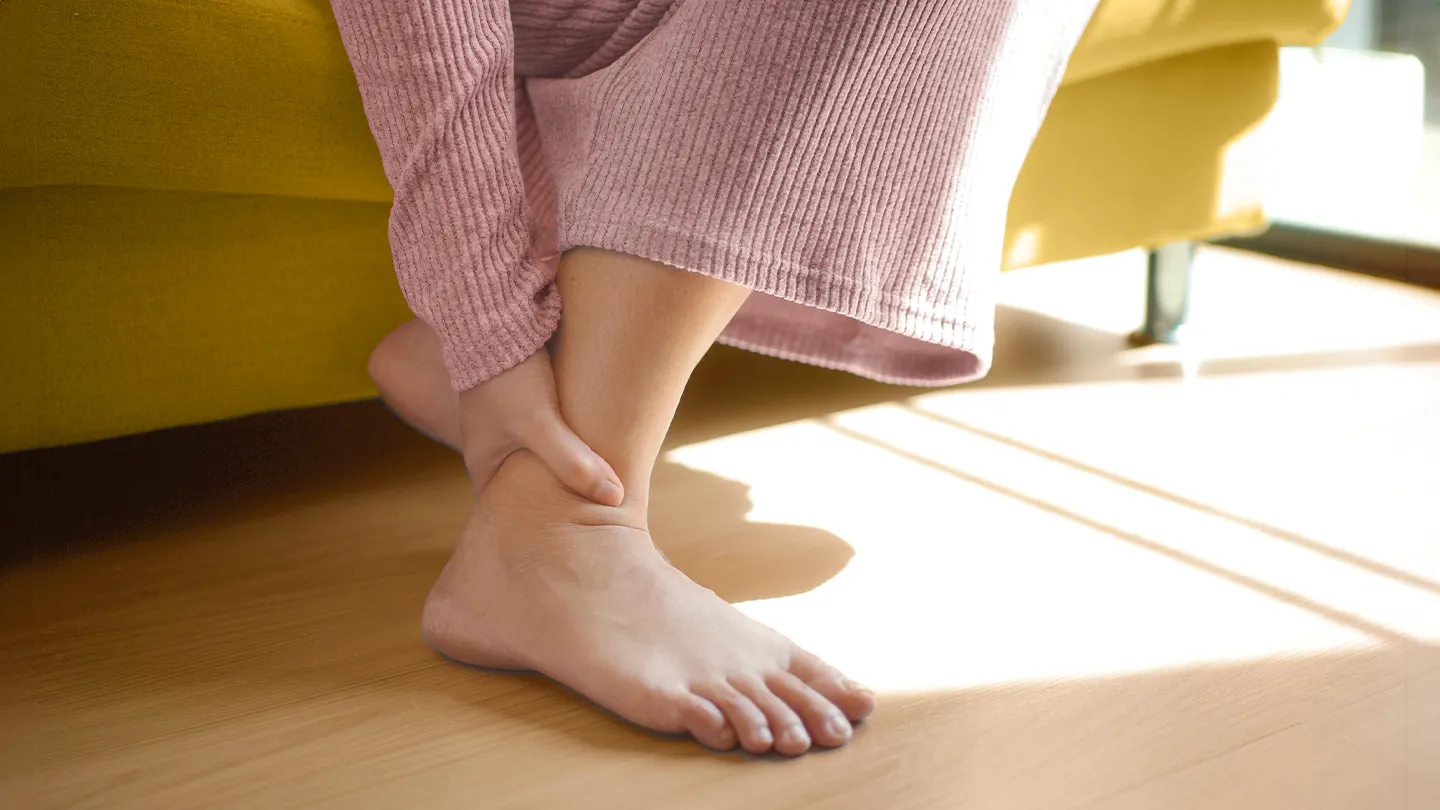
This is the most common lifestyle cause of swollen ankles. When you stay in the same position for a long time, your calf muscles stop pumping blood back up toward the heart.
Gravity then pulls fluid down into the lower extremities. Your veins must work against constant downward pressure without the help of muscle movement, so fluid pools in the ankles and feet.
Office workers, retail staff, teachers, drivers, and frequent flyers are all especially vulnerable to this type of swelling.
9. Physical Inactivity and Sedentary Habits
A sedentary lifestyle is closely tied to ankle swelling. Regular movement activates the calf muscle pump, which is responsible for pushing blood and lymph fluid back up from the legs.
Without regular exercise, fluid circulation slows. This makes it easier for edema to develop and harder for it to resolve. Even short walks throughout the day can make a significant difference.
Walking and swimming are two of the best low-impact exercises for reducing ankle swelling naturally.
10. Obesity and Excess Body Weight
Carrying excess weight puts additional pressure on the veins in the legs. This pressure impairs the return of blood to the heart and causes fluid to accumulate in the lower limbs.
Obesity also increases the risk of chronic venous insufficiency, a condition where leg veins cannot pump blood upward effectively. Weight loss — even modest amounts — can significantly reduce ankle swelling by relieving this pressure.
11. Long Flights and Travel
Long-haul flights are notorious for causing swollen ankles. The combination of sitting for hours in a cramped position, low cabin humidity, and reduced activity is a perfect storm for fluid pooling in the feet and ankles.
The same applies to long car rides and extended bus or train journeys. Getting up and walking every hour, doing ankle circles in your seat, and staying hydrated all help reduce travel-related swelling.
12. Hot Weather and Heat Exposure
Heat causes blood vessels to dilate as the body tries to cool itself down. This vasodilation allows more fluid to leak from the bloodstream into surrounding tissue, especially around the ankles.
Summer months, saunas, hot baths, and working in hot environments can all trigger or worsen ankle swelling. Staying cool, staying hydrated, and wearing compression socks in heat helps manage this.
13. Wearing Tight Shoes or Clothing
Shoes that are too tight restrict blood flow in the feet and lower legs. This creates a mechanical barrier that worsens fluid accumulation below the restriction point.
Tight socks, hosiery, or pants can have a similar effect. Wearing properly fitted shoes — ideally purchased in the afternoon when feet are naturally at their largest — reduces this risk considerably.
14. Hormonal Changes
Hormonal fluctuations naturally cause fluid retention in women. Many women notice ankle swelling in the days before their period due to changes in estrogen and progesterone levels.
Hormone replacement therapy (HRT) and birth control pills that contain estrogen are also associated with water retention and ankle swelling. This type of swelling is usually mild and cyclical.
15. Pregnancy
Pregnancy causes the body to hold significantly more fluid than normal. The growing uterus also puts pressure on the pelvic blood vessels, reducing blood flow from the legs back to the heart.
Mild ankle swelling is normal and expected during pregnancy, especially in the third trimester. However, sudden or severe swelling during pregnancy — especially with high blood pressure — can indicate preeclampsia, which requires immediate medical attention.
16. Medications That Cause Ankle Swelling
Many common medications list ankle or leg swelling as a side effect. The swelling is caused by fluid retention or blood vessel dilation.
Common medications linked to ankle swelling:
| Medication Type | Examples |
|---|---|
| Calcium channel blockers | Amlodipine (Norvasc) |
| Antidepressants | MAO inhibitors, tricyclics |
| Hormones | Estrogen, testosterone |
| NSAIDs | Ibuprofen, naproxen |
| Steroids | Prednisone |
| Diabetes drugs | Pioglitazone, rosiglitazone |
| Nerve pain drugs | Gabapentin, pregabalin |
Never stop a prescribed medication without speaking to your doctor. If you notice new ankle swelling after starting a medication, bring it up at your next appointment.
Medical Causes of Ankle Swelling
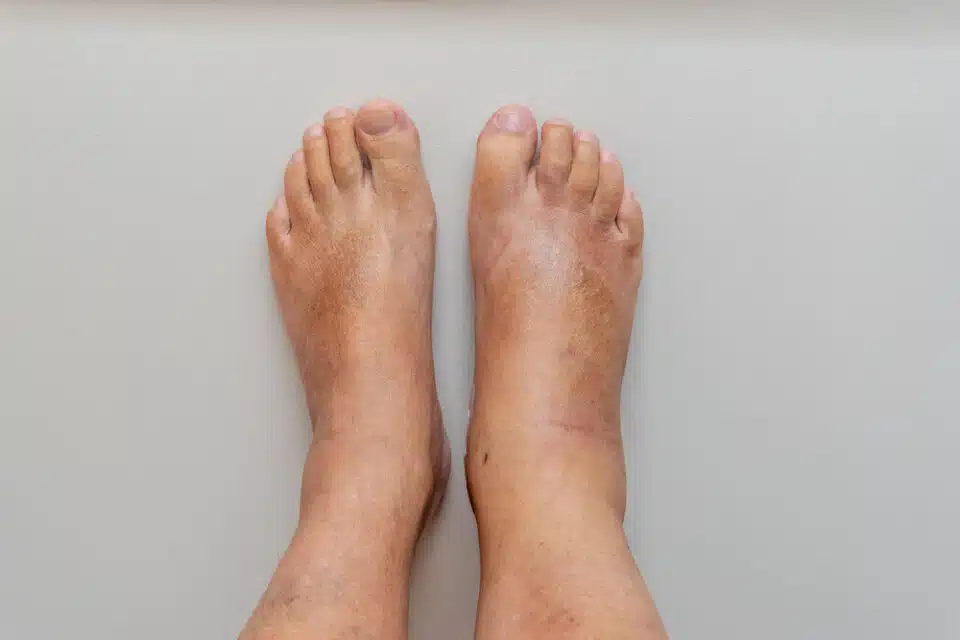
While diet and lifestyle are the most common culprits, ankle swelling can also signal a serious underlying medical condition. These should never be self-diagnosed or ignored.
Heart Failure
When the heart cannot pump blood effectively, blood backs up in the veins of the legs. This causes fluid to leak into the surrounding tissue, producing ankle swelling — especially in the evenings. Ankle swelling that worsens as the day goes on and improves overnight is a classic pattern with right-sided heart failure.
Kidney Disease
The kidneys regulate fluid balance in the body. When they are not functioning properly, they cannot remove enough excess fluid. This fluid accumulates in the tissues, most visibly in the ankles and around the eyes. Chronic kidney disease (CKD) and end-stage kidney failure are both associated with significant edema.
Liver Disease
The liver produces albumin, the protein that keeps fluid inside blood vessels. Liver damage reduces albumin production, causing fluid to leak into tissues. This results in swelling not only in the ankles but also sometimes in the abdomen (ascites).
Chronic Venous Insufficiency
This occurs when the valves in the leg veins become damaged or weakened, preventing blood from flowing back to the heart efficiently. Blood pools in the lower legs, increasing pressure and pushing fluid into surrounding tissue. Varicose veins are often an early visible sign.
Deep Vein Thrombosis (DVT)
A blood clot in a deep vein of the leg — known as DVT — causes sudden swelling, usually in one leg only. This is a medical emergency if accompanied by chest pain or shortness of breath (which could indicate a pulmonary embolism). Any sudden one-sided ankle swelling with pain should be evaluated immediately.
Lymphedema
Damage or blockage in the lymphatic system prevents lymph fluid from draining properly. This causes chronic swelling in the limbs. It can develop after cancer treatment, surgery, or infection. Unlike typical edema, lymphedema tends to be progressive and firm rather than soft.
Swollen Ankles Symptom Comparison Table
| Cause | Both Ankles? | Worsens by Evening? | Pain? | Improves with Elevation? |
|---|---|---|---|---|
| Salt/Diet | Yes | Yes | No | Yes |
| Prolonged sitting | Yes | Yes | No | Yes |
| Heart failure | Yes | Yes | No | Partially |
| DVT (blood clot) | No (one side) | Variable | Yes | No |
| Kidney disease | Yes | Yes | No | Partially |
| Pregnancy | Yes | Yes | No | Yes |
| Medication | Yes | Yes | No | Yes |
| Injury/sprain | No (one side) | Yes | Yes | Yes |
When to See a Doctor for Swollen Ankles
Most lifestyle-related ankle swelling is harmless. But certain warning signs mean you should seek medical attention promptly.
See a doctor if you notice:
Sudden swelling with no obvious cause. Swelling in only one leg, especially with pain, redness, or warmth. Swelling that does not improve after overnight rest and leg elevation. Swelling accompanied by shortness of breath or chest pain — call emergency services immediately. Swelling with yellow skin or dark urine, as this may suggest liver or kidney problems. Rapid unexplained weight gain over a few days. Tight, shiny, or discolored skin around the ankles.
If you have a pre-existing condition such as heart disease, kidney disease, or liver disease, even mild worsening of ankle swelling warrants a call to your healthcare provider.
How to Reduce Ankle Swelling at Home
Elevate Your Legs
Raise your feet above the level of your heart while resting. Use pillows to prop your legs up when lying down. Even 15–20 minutes of elevation helps gravity drain pooled fluid back toward the heart.
Move More Throughout the Day
Get up and walk for a few minutes every hour if you have a desk job. Ankle circles, calf raises, and leg stretches while seated all activate the calf muscle pump and keep fluid moving.
Reduce Sodium Intake
Switch from processed and packaged foods to fresh whole foods. Use herbs, lemon, and spices instead of salt for flavoring. Read nutrition labels — many “healthy” foods contain surprisingly high sodium.
Wear Compression Socks
Graduated compression stockings gently squeeze the legs, helping veins push blood upward and preventing fluid from pooling in the ankles. Start with lightweight compression (15–20 mmHg) and wear them from morning until bedtime.
Drink More Water
Counterintuitively, drinking more water helps reduce swelling by flushing excess sodium out of the body. Aim for the daily recommended fluid intake for your sex and activity level.
Follow an Anti-Inflammatory Diet
Foods like leafy greens, berries, fatty fish, nuts, and olive oil reduce inflammation throughout the body. This also supports better fluid regulation and circulation.
Best foods to reduce ankle swelling:
| Food | Benefit |
|---|---|
| Cucumber, celery, asparagus | Natural diuretics |
| Bananas, sweet potatoes | High potassium |
| Fatty fish (salmon, mackerel) | Anti-inflammatory omega-3s |
| Leafy greens (spinach, kale) | Magnesium and antioxidants |
| Berries | Anti-inflammatory flavonoids |
| Watermelon | High water content, natural diuretic |
Lose Weight if Needed
Even modest weight loss reduces pressure on the leg veins and improves circulation. This can make a noticeable difference in chronic ankle swelling for those who are overweight.
Manage Underlying Conditions
If your swelling is related to heart failure, kidney disease, or diabetes, working closely with your doctor to manage those conditions is the most effective long-term strategy. Diuretics (water pills) may be prescribed to help the body eliminate excess fluid.
Diet Plan to Reduce Ankle Swelling
What to eat more of:
A low-sodium, high-potassium diet is the foundation. Focus on fresh fruits and vegetables, whole grains, lean proteins, and plenty of water. Natural diuretic vegetables like asparagus, leeks, onions, cucumbers, and celery help the body eliminate excess fluid gently.
What to cut back on:
Reduce or eliminate ultra-processed foods, fast food, canned goods with added salt, alcohol, refined sugars, and sugary beverages. Even small reductions in daily sodium intake can produce visible results within 24 to 48 hours.
Sample daily anti-edema eating plan:
| Meal | Example |
|---|---|
| Breakfast | Oats with banana and berries, herbal tea |
| Snack | Cucumber slices, unsalted almonds |
| Lunch | Grilled chicken salad with leafy greens, olive oil, lemon |
| Snack | Watermelon slices, a small handful of walnuts |
| Dinner | Baked salmon, steamed asparagus, brown rice |
| Hydration | 8–10 glasses of water throughout the day |
Pitting vs Non-Pitting Edema: What Is the Difference?
Pitting edema is the most common type. When you press on the swollen area and hold for 5 seconds, a dent or “pit” remains. This is typically caused by fluid from dietary, lifestyle, heart, kidney, or liver causes.
Non-pitting edema does not leave a dent when pressed. It tends to be firmer. This type is more commonly associated with lymphedema or thyroid problems. It requires different treatment and investigation.
Knowing which type you have can give your doctor important diagnostic clues.
Ankle Swelling in Special Populations
Older adults are more prone to ankle swelling because veins weaken with age, physical activity tends to decrease, and medications become more common. Regular light exercise and compression stockings are especially beneficial.
Athletes and active people can experience ankle swelling from muscle micro-tears after intense exercise, known as exercise-induced edema. This is usually short-lived and resolves with rest and elevation.
People who travel frequently benefit most from compression socks, regular movement breaks, and good hydration practices before and during travel.
Frequently Asked Questions (FAQs)
Why do my ankles swell at the end of the day?
Gravity pulls fluid downward throughout the day. Standing or sitting for hours without movement causes fluid to pool in the ankles by evening.
Can drinking more water reduce ankle swelling?
Yes, in most cases. Staying hydrated helps flush excess sodium from the body through urine, which reduces fluid retention and swelling.
Is ankle swelling a sign of heart problems?
It can be. Swelling in both ankles that worsens toward evening and comes with breathlessness or fatigue should be evaluated by a doctor for heart failure.
What foods cause ankles to swell?
High-sodium foods like processed snacks, fast food, canned soups, and ready meals are the biggest dietary culprits. Alcohol and high-sugar foods also contribute.
How long does ankle swelling from diet last?
Diet-related ankle swelling often resolves within 24 to 48 hours of reducing sodium intake and increasing fluid intake. Persistent swelling beyond a few days warrants a doctor’s visit.
Can lack of sleep cause swollen ankles?
Indirectly, yes. Poor sleep disrupts hormonal balance and can worsen fluid retention. It also leads to less physical activity, which contributes to pooling.
Do compression socks actually help swollen ankles?
Yes. Compression socks improve venous circulation by gently squeezing the legs, preventing fluid from accumulating in the ankles. Lightweight compression (15–20 mmHg) is a good starting point.
Is ankle swelling during pregnancy normal?
Mild swelling is normal, especially in the third trimester. Sudden or severe swelling with high blood pressure is not normal and requires immediate medical attention.
Can a low-protein diet cause ankle swelling?
Yes. Low albumin (a blood protein) allows fluid to leak from blood vessels into tissues, causing edema most visibly in the lower legs and ankles.
When should I go to the ER for swollen ankles?
Go to the emergency room immediately if swelling is sudden and severe, occurs only in one leg with pain or redness, or is accompanied by chest pain, difficulty breathing, or rapid heartbeat.
Conclusion
Why do my ankles swell? The answer most often comes down to what you eat and how you live. A diet high in sodium, low in protein, and full of processed foods is one of the leading contributors to fluid buildup in the lower extremities.
A sedentary lifestyle, long periods of sitting or standing, obesity, hormonal changes, and certain medications are the other major players.
The encouraging truth is that most cases of ankle swelling are manageable with straightforward changes — reducing salt, drinking more water, moving regularly, elevating your legs, and wearing compression socks.
However, persistent, painful, or one-sided swelling, or swelling combined with breathlessness and chest pain, always warrants prompt medical evaluation.
Your ankles are often one of the first visible signs your body uses to tell you something needs attention. Listen to them.
