

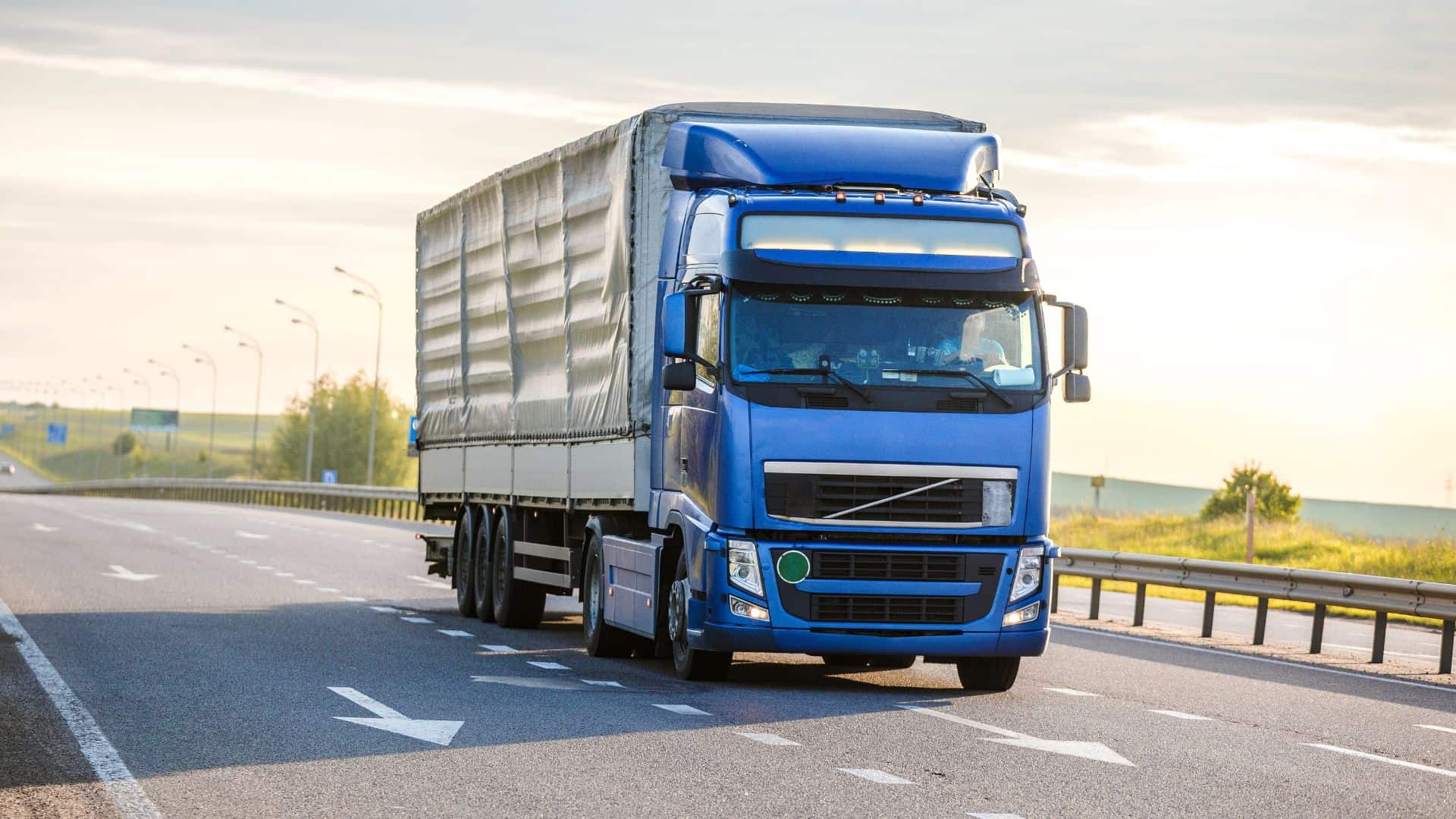
Truck crashes shatter lives in one instant. You may face broken bones, lost wages, and fear about what comes next. You also may feel confused about who is responsible. A careless driver. A pressure driven trucking company. A rushed mechanic. Or even a parts maker that put profit over safety. This blog explains the common causes of truck accidents and who can be held liable. You will see how speeding, fatigue, poor training, and weak maintenance often sit at the root of these wrecks. You will also learn how federal rules and company choices shape your case. That knowledge helps you protect your health, your income, and your family. Timbs Law uses these same fault rules when guiding crash victims through claims and lawsuits. You deserve clear answers. You also deserve accountability from every person and company that caused your pain.
Why truck crashes are so different from car crashes
A loaded tractor trailer can weigh up to 80,000 pounds. Your car weighs much less. That size gap turns a simple mistake into a deadly event. Trucks need more time to stop. Trucks need more space to turn. Trucks cause more damage in every impact.
Federal data shows this harsh truth. In recent years, large trucks were part of about one in ten deadly crashes nationwide. You can see these numbers in the Fatality Analysis Reporting System from NHTSA. When a truck hits you, the odds of life changing harm rise fast.
Common causes of truck accidents
Most truck wrecks come down to a few repeating causes. You can use this list to understand what may have happened in your crash.
- Speeding and tailgating. A truck needs more distance to stop. When a driver speeds or follows too close, rear end crashes become common. Wet roads make this worse.
- Driver fatigue. Long hours on the road weaken focus. Tired eyes miss brake lights or curves. Some drivers push past legal limits to meet delivery times.
- Distracted driving. Phones, dispatch screens, food, or maps pull eyes off the road. Even a short glance away can hide a stopped car or a child crossing.
- Impaired driving. Alcohol, drugs, or some medicines slow thinking. They also slow reaction time. A slow reaction in a truck often leads to a highway pileup.
- Poor training. Some drivers never learn how to handle steep grades, bad weather, or heavy traffic. Weak training shows in wide turns, lane drift, and rollovers.
- Unsafe cargo loading. Cargo that is too heavy or not balanced can tip a trailer. Loose cargo can fall onto the road and strike your car.
- Lack of maintenance. Worn brakes, bald tires, broken lights, and steering problems all raise crash risk. A single tire blowout can cause loss of control.
- Bad weather and poor planning. Rain, fog, and ice demand slow speeds and longer gaps. A driver who keeps normal speed in storms puts you at risk.
Who can be held liable after a truck crash
Truck crashes often involve more than one careless act. They also involve more than one possible source of payment. You need to know who may share fault.
1. Truck driver
- Speeds, tailgates, or weaves through traffic
- Drives while tired, drunk, or using drugs
- Texts, eats, or reaches for items while driving
- Ignores weather or road work warnings
The driver is the most obvious source of blame. Yet the story rarely ends there.
2. Trucking company or carrier
- Hires drivers with poor records
- Fails to train new drivers
- Pushes drivers to break hours of service rules
- Skips regular truck inspections
The Federal Motor Carrier Safety Administration explains these rules in its hours of service summary. When a company breaks these rules or looks the other way, it can share legal blame.
3. Truck owner or trailer owner
Sometimes a different person or company owns the tractor or trailer. That owner may be responsible if it failed to repair known problems or allowed unsafe use of the truck.
4. Cargo shipper or loading company
- Overloads the trailer
- Stacks freight in a way that shifts during turns
- Fails to secure logs, pipes, or other large items
Improper loading can cause rollovers or lost cargo. In those cases the shipper or loader may share fault.
5. Maintenance shop or mechanic
If a shop performs poor repairs, misses clear defects, or installs wrong parts, it can be held liable. This is common with brake work and steering parts.
6. Truck or parts manufacturer
Some crashes trace back to a hidden defect. Common examples include brake failures, steering failures, or tire failures. When a defect causes the wreck, the maker of the truck or part may owe you money for your losses.
Common causes and possible liability table
| Crash cause | Examples of conduct | Who may be liable
|
|---|---|---|
| Speeding or tailgating | Driving above limit. Following too close in traffic. | Driver. Trucking company. |
| Driver fatigue | Driving past legal hours. Faking logbooks. | Driver. Trucking company. |
| Distracted driving | Texting. Using dispatch device. Eating. | Driver. Trucking company. |
| Lack of maintenance | Worn brakes. Bad tires. Broken lights. | Truck owner. Trucking company. Maintenance shop. |
| Unsafe cargo loading | Overloading. Loose straps. Unbalanced load. | Cargo shipper. Loading company. Trucking company. |
| Defective parts | Brake failure. Tire blowout without road cause. | Parts maker. Truck maker. Sometimes maintenance shop. |
What you need to prove
To hold someone liable you must usually show three things.
- The person or company had a duty to act with care
- They failed in that duty through action or inaction
- The crash and your injuries came from that failure
Evidence often includes police reports, electronic logging data, dash cameras, photos, medical records, and witness statements. You may also need trucking experts to read black box data and company records.
Steps you can take after a truck crash
After a crash your first focus is survival. Once you are safe, these steps can help protect your claim.
- Call 911 and report the crash
- Get medical care and follow all treatment plans
- Take photos of the scene, vehicles, and your injuries if you can
- Gather names and contact details for witnesses
- Do not speak about fault with the trucking company or insurer
- Keep all bills, pay stubs, and repair estimates
Finding accountability and support
A truck crash can leave you with pain, fear, and anger. You may also feel pressure from insurers who move fast to protect their side. You do not need to face that pressure alone. When you know the common causes of truck accidents and who can be held liable, you gain power. You can ask harder questions. You can demand full answers. You can seek full payment for your medical costs, lost income, and future needs.
Seek Legal Help
Timbs Injury Law
5 Lakeland Circle
Jackson, MS 39216
