

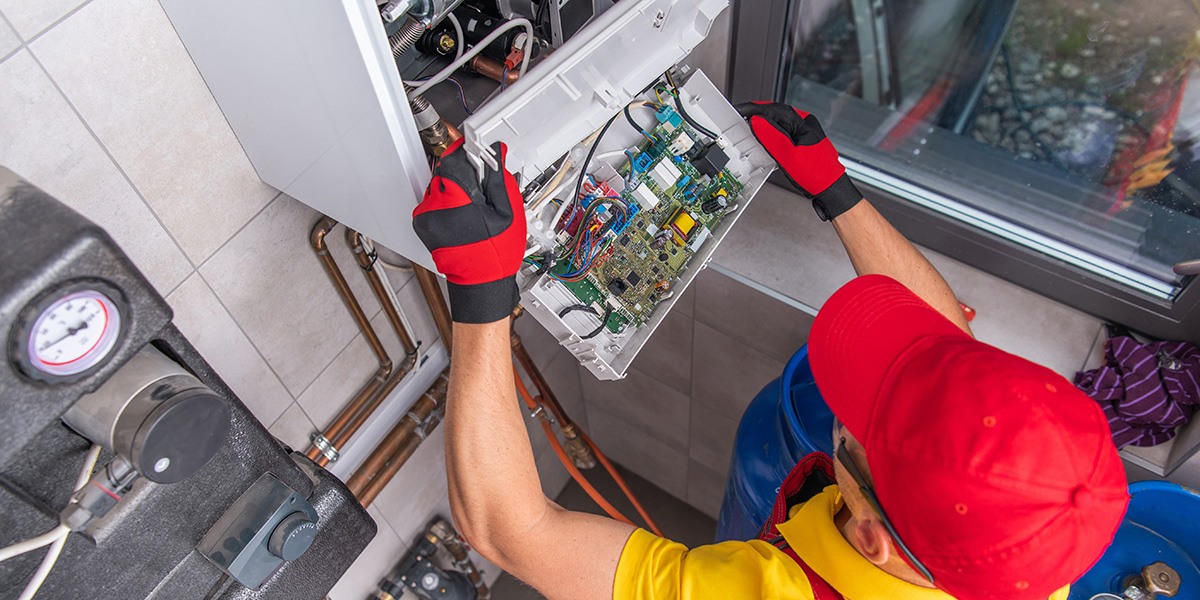
A furnace that turns on, runs briefly, and shuts off before the space is properly heated often creates the wrong impression. Owners may assume the unit is responding efficiently because it keeps starting, but short cycling usually indicates the system is struggling rather than performing well. For property managers, facility managers, and building owners, this pattern matters because it accelerates wear, disrupts comfort, and can indicate safety or airflow problems that warrant immediate attention. Repair technicians do not treat short cycling as a vague heating complaint. They treat it as a diagnostic pattern that reveals where the heating process is being interrupted and why the furnace cannot complete a normal heating cycle.
When a furnace begins to cycle rapidly, the underlying cause often involves a protective safety feature responding to internal stress. This behavior is frequently triggered by a high-limit switch that detects excessive heat buildup within the cabinet, often resulting from restricted airflow or a failing blower component. Many homeowners find that professional diagnostic support from Andersen Air Inc is necessary to identify whether the issue stems from a faulty sensor or a more complex mechanical failure. Addressing these interruptions promptly is essential for preventing long-term damage to the heat exchanger. By ensuring each component functions in harmony, you can restore the system’s efficiency and maintain a consistent, comfortable temperature throughout the winter months.
Beyond immediate filter maintenance, homeowners often overlook the impact of broader environmental factors on furnace performance. Ensuring that your home’s thermal envelope is secure can prevent the system from overworking, as even minor drafts can lead to erratic temperature readings. For those navigating complex HVAC challenges, consulting with professionals like Sensigreen Heating, Cooling & Insulation can provide clarity on whether the issue stems from a faulty sensor or a more significant system design flaw. Addressing these efficiency gaps not only extends the lifespan of your equipment but also helps maintain a more consistent indoor climate. Regular inspections of ductwork integrity and seasonal adjustments are essential steps in fostering a reliable and high-performing home heating environment.
The Heating Sequence Matters First
-
The Pattern Usually Narrows Causes
A furnace does not short-cycle for no reason. It is either shutting itself down because a control or safety condition is not being met, or it is receiving a signal that ends the call for heat too early. That distinction is what technicians look for first. They want to know whether the furnace is overheating, losing flame, tripping a limit, responding to a thermostat issue, or shutting down because airflow has fallen outside acceptable conditions. Effective temperature management often begins with the hardware responsible for communicating with your heating system. If a device is improperly calibrated or reached the end of its functional lifespan, it can send erratic signals that interrupt a normal heating cycle. Modern upgrades can resolve these communication gaps by providing more precise sensing and programmable schedules that align with your daily routine. For residents in Southern California, seeking a professional thermostat installation in Palm Desert ensures that the new equipment is compatible with your specific HVAC model. This step helps maintain a balanced indoor climate and supports the overall longevity of your furnace by ensuring it only runs when truly necessary.
That is why a technician handling a Furnace repair service call pays close attention to the exact sequence of operation. Does the inducer start? Do the burners light normally? Does the blower come on? Does the unit shut down after only a minute or two? Those details are more useful than a general complaint that the furnace is “acting up,” because short cycling is usually tied to a very specific interruption inside an otherwise predictable startup and heating sequence.
Persistent short cycling often acts as a critical protective measure, signaling that internal temperatures have reached a threshold that could compromise the heat exchanger’s integrity. While a homeowner can address basic airflow restrictions, underlying mechanical issues like a failing inducer motor or a compromised control board require a more technical evaluation. You can Click here to gain a better perspective on how diagnostic tools identify these intermittent electrical faults before they lead to a total system lockout. Addressing these symptoms early not only prevents the accelerated wear of the blower motor but also ensures that the furnace maintains the necessary steady-state operation required for efficient home heating.
2. Airflow Problems Get Checked Early
One of the first things repair technicians investigate is airflow. Furnaces depend on stable airflow to move heat away from the heat exchanger and into the building. If airflow is restricted, the furnace can overheat quickly, and the high-limit switch may shut the burners down before the space reaches temperature. The blower may continue running, the furnace may cool off, and then the cycle starts again. To the occupant, it looks like the furnace cannot stay on. To the technician, it often looks like a system protecting itself from excess heat.
This is why dirty filters, blocked return grilles, closed supply registers, failing blower motors, dirty evaporator coils in shared systems, and duct restrictions are checked early in the service call. These issues are common, practical, and directly tied to short cycling. A furnace that cannot move enough air will often behave as if it has a much larger mechanical failure, even when the actual cause is a restriction somewhere in the airflow path.
3. Dirty Filters Cause More Than Dust
A clogged filter is one of the simplest causes of short cycling, but it should never be treated as trivial. When the filter is heavily loaded, it reduces return airflow and raises system resistance. That makes it harder for the blower to move air across the heat exchanger, which can quickly increase internal temperature. Once the furnace reaches its limit threshold, the safety controls interrupt burner operation. The unit then restarts, repeating the same cycle without addressing the heating need.
Technicians check the filter early, not because every short-cycling call ends there, but because the filter’s condition tells them a great deal about the system’s operating environment. A severely dirty filter may immediately explain the shutdown pattern. It may also suggest a broader neglect of maintenance, prompting technicians to inspect the blower compartment, secondary components, and the condition of the ducts more closely. The filter is simple, but its effect on furnace behavior can be significant.
Good Diagnosis Prevents Repeat Failures
A short cycling furnace is not just a nuisance. It is a system that alerts the operator when something is disrupting normal heating. The cause may be as straightforward as a clogged filter or as involved as improper sizing, flame-sensing trouble, blower weakness, or venting failure. What matters is that technicians follow the sequence carefully rather than jumping to conclusions based on one symptom.
For property managers and building owners, that approach protects both comfort and operating cost. Short cycling increases wear on ignition components, wastes energy, and often leaves rooms unevenly heated even while the furnace appears active. Repair technicians check the basics first because they often reveal the real cause. Once the source is accurately identified, the furnace can return to longer, steadier cycles that heat the building as the system was designed to.
