

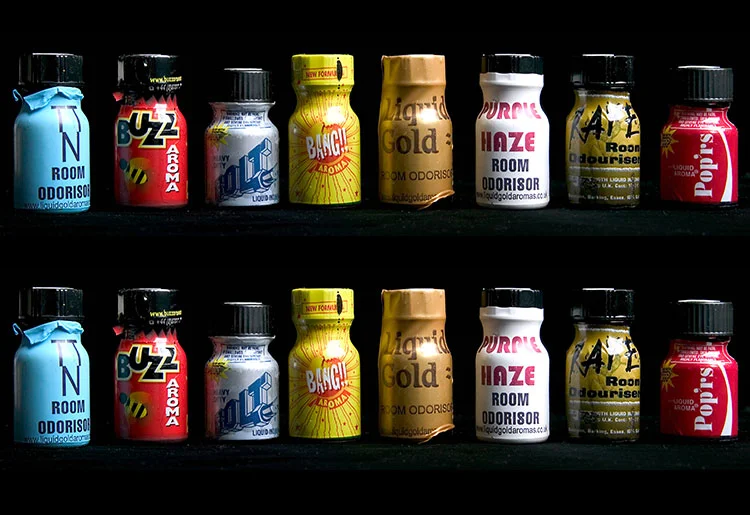
Long before poppers became associated with nightlife and club culture, they began their journey in a much quieter place: the medical world. What started as a legitimate pharmaceutical treatment in the 19th century eventually transformed into a cultural phenomenon embraced across music scenes, dance floors, and communities around the world. The story of poppers is not just about a chemical compound; it’s about how something originally designed for health and science found a surprising second life in social culture.
The origins of poppers can be traced back to 1844 when French chemist Antoine Jérôme Balard first synthesized amyl nitrite. At the time, the compound was simply an interesting scientific discovery with no clear purpose. It wasn’t until several decades later that doctors began to explore its medical potential. By the 1860s, amyl nitrite was being used to treat angina, a condition caused by restricted blood flow to the heart that results in chest pain.
Doctors discovered that inhaling the vapor of amyl nitrite caused blood vessels to relax and widen, quickly relieving the painful pressure associated with angina attacks. Because the medicine was stored in small glass capsules that needed to be crushed open before inhalation, patients would literally “pop” the capsule to release the vapor. This simple action is where the nickname “poppers” originated.
For many years, poppers remained strictly within the realm of medicine. Doctors prescribed them, pharmacies stocked them, and patients used them exactly as intended: to relieve sudden heart pain. But as with many medical substances, people eventually began noticing effects beyond the original purpose. The warm, lightheaded feeling caused by the rapid dilation of blood vessels made the compound stand out from many other treatments of the era.
By the mid-20th century, poppers began slowly moving beyond clinical settings. As pharmaceutical regulations changed and new treatments for heart conditions were developed, amyl nitrite prescriptions became less common. At the same time, related compounds such as butyl nitrite began appearing in commercial products.
During the 1960s and 1970s, poppers found a new audience within underground nightlife scenes, particularly in large cities known for vibrant music and club cultures. Their fast-acting and short-lived effects made them appealing in environments centered around dancing, socializing, and sensory experiences. What had once been a medical inhalant began to take on a different identity.
The rise of disco and club culture in the 1970s played a major role in bringing poppers into the spotlight. Dance floors were becoming spaces of freedom, expression, and experimentation, and poppers quickly became associated with the high-energy atmosphere of the era. Music, flashing lights, and packed dance floors created an environment where the quick rush produced by poppers fit naturally into the rhythm of nightlife.
As poppers moved from their medical origins into the wider world of nightlife and social culture, the way people accessed them also evolved. In the early days they were obtained through pharmacies, but today they are often found through specialist retailers and online stores. The internet has made it easier for enthusiasts and curious newcomers alike to explore products that are tied to this long and fascinating history. For example, many people now discover poppers online from AromaromaUK, a retailer that reflects how the market has shifted into the digital age. In many ways, this modern accessibility is simply the latest chapter in the story of poppers—continuing their journey from 19th-century laboratories and doctor’s offices to the global, connected world of today.
At the same time, poppers became particularly popular within LGBTQ+ communities, especially in urban centers like New York and San Francisco. In spaces where people were building new forms of social connection and cultural identity, poppers became part of a broader atmosphere of liberation and openness. Many historians note that their popularity during this period reflects the wider social changes taking place, including the growing visibility and confidence of LGBTQ+ communities.
By the 1980s, poppers had firmly embedded themselves in popular culture. They were referenced in music, discussed in nightlife magazines, and sold in specialty shops under a variety of brand names. Interestingly, many were marketed as room deodorizers or leather cleaners due to changing regulations surrounding inhalants. Despite these creative labels, their cultural reputation was already well established.
What makes the history of poppers particularly fascinating is how they traveled across so many different worlds. They began in laboratories and hospitals, moved into underground dance scenes, and eventually became symbols of nightlife culture. Few substances have experienced such a diverse cultural journey.
Today, poppers remain closely associated with clubbing, festivals, and party environments. While regulations and attitudes toward them vary from country to country, their presence in nightlife culture has remained surprisingly resilient for decades. For many people, they represent a small but recognizable piece of the broader story of modern club culture.
Beyond the nightlife context, poppers also hold a unique place in cultural history. They are often mentioned in discussions about the evolution of dance music scenes, LGBTQ+ social spaces, and the creative energy of underground movements. In that sense, their story isn’t just about chemistry—it’s about communities, music, and the ever-changing ways people seek enjoyment and connection.
From a chemist’s laboratory in the 1840s to packed dance floors around the world, poppers have had an unusual and fascinating journey. What began as a medical treatment evolved into something far more culturally significant than anyone could have predicted. Their history reflects a broader pattern seen throughout society: sometimes the most unexpected inventions end up leaving the most memorable mark on culture.
And in the case of poppers, that journey—from medicine cabinet to cultural icon—continues to be part of the ever-evolving story of nightlife and social expression.
