

Example for fiction stories can range from magical adventures to thrilling mysteries. Ever wondered how to kickstart a story that grabs readers?
You’re not alone.
Starting a fiction story feels like staring at a blank page with no map.
But here’s the deal: an example for fiction you can use to start your own story can spark your creativity.
This article gives you practical examples, tips, and story starters.
It’s designed to help you write fiction that hooks readers fast.
Ready to dive in?
Let’s make storytelling simple and fun.

Why Fiction Story Starters Matter
Writing fiction is hard if you don’t know where to begin.
A good story starter sets the scene, introduces characters, or drops a problem.
It’s like a match lighting a fire.
Without it, you’re stuck in the dark.
Story starters give you a foundation to build your world.
They help you skip the overwhelm and jump into writing.
Think of them as a cheat code for creativity.
How Story Starters Boost Creativity
Story starters aren’t just random sentences.
They’re prompts that nudge your brain to think differently.
They push you to imagine characters, settings, or conflicts.
For example, a starter like “She found a key in the attic that didn’t fit any lock” makes you ask: Who is she? What’s the key for?
This sparks ideas for plots you didn’t see coming.
It’s like a warm-up for your imagination.
Who Can Use Fiction Story Starters?
Anyone can use them.
Beginner writers struggling with ideas.
Experienced authors stuck in a rut.
Even kids in 5th, 6th, or 7th grade can use them for school projects.
Story starters are universal.
They work for novels, short stories, or even fan fiction.
No matter your skill level, they get you moving.
What Is an Example for Fiction You Can Use to Start Your Own Story?
An example for fiction is a prompt or opening line.
It’s a sentence or short paragraph that sets up a narrative.
It might describe a character, a strange event, or a vivid setting.
The goal is to inspire you to keep writing.
For instance: “The clock struck midnight, but the town was silent—except for one scream.”
That’s a starter.
It begs you to ask: What happens next?
Why Do Writers Struggle to Start Stories?
Starting a story feels like climbing a mountain.
You want it to be perfect.
You worry it won’t hook readers.
Or maybe you just don’t know what to write.
This is called writer’s block.
It’s normal, but it sucks.
The good news?
An example for fiction can break that block.
It gives you a starting point so you can focus on the fun stuff—building your world.
Common Reasons for Writer’s Block
-
Fear of Failure: You think your story won’t be good enough.
-
No Clear Idea: You don’t know what your story is about.
-
Overthinking: You’re trying to plan every detail before writing.
-
Lack of Inspiration: Your brain feels empty.
Story starters fix these by giving you a clear path to follow.
5 Examples for Fiction You Can Use to Start Your Own Story
Ready to write?
Here are five story starters to get you going.
Each one is simple, clear, and packed with potential.
They’re designed to work for kids, teens, or adults.
Pick one and start writing.
Or tweak it to make it your own.
1. The Mysterious Letter
A dusty letter arrived in the mail, addressed to you—but it was written 100 years ago.
Who sent it?
What does it say?
This starter sets up a mystery.
It’s perfect for historical fiction or time-travel stories.
2. The Hidden Door
Behind the bookshelf, you found a door no one else could see.
Where does it lead?
Is it magic or a secret passage?
This works for fantasy, adventure, or even horror.
3. The Last Train
The train stopped in a town that wasn’t on any map.
Everyone on board was gone—except you.
What’s going on?
This is great for sci-fi or thriller stories.
4. The Talking Animal
Your dog started talking, but only to you.
What does it want?
Why now?
This fits kids’ stories, fantasy, or even funny tales.
5. The Forgotten Song
Every night, you heard a song no one else could hear.
It was coming from the woods.
What’s calling you?
This sets up a creepy or magical story.
How to Use These Fiction Story Starters
Using a story starter is easy.
Pick one that feels exciting.
Write it down.
Then keep going.
Don’t overthink it—just let the story flow.
Here’s a step-by-step guide to make it even simpler.
Step 1: Choose Your Starter
Read the examples above.
Which one makes you curious?
Pick that one.
If none feel right, tweak one to fit your style.
Step 2: Ask Questions
Every starter raises questions.
For example: “The train stopped in a town that wasn’t on any map.”
Who’s on the train?
Why is the town hidden?
Write down your answers.
They’ll guide your story.
Step 3: Build the World
Add details.
Where is the story set?
Is it a dark forest, a futuristic city, or a small town?
Describe what characters see, hear, or feel.
This makes your story real.
Step 4: Introduce Characters
Who’s in your story?
A brave kid?
A curious detective?
A scared teenager?
Give them a name and a goal.
For example, maybe Mia wants to find out why her dog is talking.
Step 5: Keep Writing
Don’t stop to edit.
Just write.
Let the story take you where it wants to go.
You can fix mistakes later.
Interesting Facts About Fiction Story Starters
Want some fun facts to spark your creativity?
Here’s why examples for fiction are so powerful.
-
J.K. Rowling Used Prompts: She started Harry Potter with a simple idea: What if a boy found out he was a wizard?
-
Stephen King Loves Openings: He says a good first line is the key to a bestseller.
-
Kids Write More with Starters: Teachers use prompts to make writing fun for 5th graders.
-
Classic Stories Began with Prompts: Mary Shelley wrote Frankenstein from a ghost story challenge.
-
Story Starters Are Ancient: Even ancient Greeks used prompts for epic tales like The Odyssey.
These facts show that story starters have been helping writers for centuries.
How to Create Your Own Fiction Story Starters
Don’t want to use someone else’s ideas?
Make your own.
It’s easier than you think.
Here’s how to craft a starter that inspires you.
Step 1: Pick a Genre
What kind of story do you want?
Fantasy?
Mystery?
Sci-fi?
Your genre shapes your starter.
For example, sci-fi might start with a broken spaceship.
Step 2: Choose a Character
Think of someone interesting.
A lonely astronaut.
A curious kid.
A grumpy old man.
Your character drives the story.
Step 3: Add a Twist
Make something unexpected happen.
A phone rings, but it’s been unplugged for years.
A bird delivers a message.
The twist creates questions for your story.
Step 4: Keep It Short
One or two sentences.
That’s it.
For example: “The astronaut woke up alone on a ship that wasn’t hers.”
Short and punchy works best.
Tips to Make Your Story Starter Shine
A great starter grabs attention.
Here’s how to make yours stand out.
-
Use Vivid Details: “The forest smelled of rain and secrets” beats “The forest was dark.”
-
Create Mystery: Hint at something strange without explaining it.
-
Show Emotion: A scared or excited character pulls readers in.
-
Keep It Simple: Don’t overload with too many ideas.
-
Make It Relatable: Readers connect to familiar feelings like fear or curiosity.
Common Mistakes to Avoid When Using Story Starters
Story starters are awesome, but you can mess them up.
Here’s what to watch out for.
-
Overcomplicating the Start: Don’t cram too much into the first line.
-
Ignoring the Prompt: Stick to the starter’s idea, or it loses its power.
-
Being Too Vague: “Something happened” doesn’t spark ideas.
-
Forgetting the Reader: Make sure the starter hooks someone reading it.
-
Stopping Too Soon: A starter is just the beginning—keep writing.
How Story Starters Help Young Writers
Kids in 5th, 6th, or 7th grade love stories.
But writing them can feel scary.
Story starters make it easier.
They give kids a clear place to begin.
Teachers use them in class because they work.
For example, a starter like “The cat wore a tiny crown” gets kids excited to write.
It’s fun, and it builds confidence.
Why Kids Love Story Starters
-
They’re Fun: Starters feel like a game.
-
They’re Easy: No need to think up everything from scratch.
-
They Build Skills: Kids learn to describe settings and characters.
-
They Encourage Creativity: A simple prompt can lead to wild ideas.
Examples of Famous Stories That Started with a Simple Idea
Big stories often start small.
Here are some famous books and their simple starting ideas.
-
Harry Potter: A boy discovers he’s a wizard.
-
The Hunger Games: A girl volunteers for a deadly game.
-
The Hobbit: A hobbit goes on an adventure.
-
Charlotte’s Web: A pig meets a clever spider.
-
The Lion, the Witch, and the Wardrobe: Kids find a magical world behind a wardrobe.
These show how a single idea can grow into something huge.
How to Turn a Story Starter into a Full Story
A starter is just the first step.
Here’s how to turn it into a complete story.
Step 1: Outline the Plot
What’s the main problem?
Who’s trying to solve it?
Sketch a beginning, middle, and end.
For example, if your starter is “The clock struck midnight, but the town was silent—except for one scream,” decide who screamed and why.
Step 2: Develop Characters
Give your characters names, goals, and flaws.
A hero who’s brave but clumsy feels real.
Readers care about characters they understand.
Step 3: Add Conflict
Every story needs a problem.
Is it a monster?
A secret?
A lost treasure?
Conflict keeps readers hooked.
Step 4: Write the Ending
How does the story wrap up?
Does the hero win?
Or is there a twist?
Plan the ending so you know where you’re going.
Step 5: Edit Later
Don’t fix every sentence as you write.
Get the story down first.
Then go back to make it better.
Where to Find More Fiction Story Starters
Need more ideas?
Here are places to look.
-
Writing Websites: Sites like Reedsy and Writer’s Digest share free prompts.
-
Books: Check out writing prompt books at the library.
-
Online Communities: Reddit’s r/WritingPrompts has thousands of ideas.
-
Your Life: Turn a weird moment from your day into a starter.
-
Classrooms: Teachers often share prompts for kids.
Why You Should Start Writing Today
An example for fiction is your ticket to creativity.
It’s not about being perfect.
It’s about starting.
Every great story began with a single idea.
Yours could be next.
Pick a starter.
Write one sentence.
Then another.
Before you know it, you’ve got a story.
So grab a pen or open your laptop.
What’s stopping you?
Start writing now.
FAQs
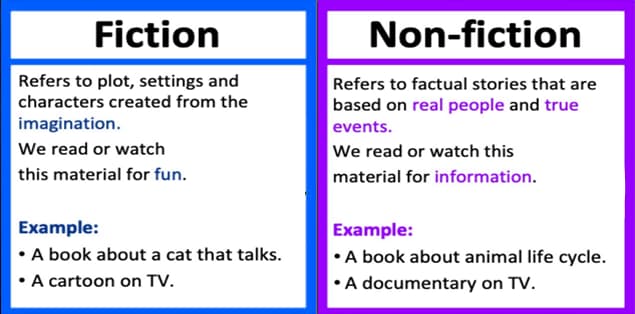
What is an example of fiction?
An example of fiction is Harry Potter by J.K. Rowling—a made-up story set in a magical world.
What are examples of fiction and non-fiction?
Fiction: The Great Gatsby by F. Scott Fitzgerald.
Non-fiction: Becoming by Michelle Obama.
What is an example of real life fiction?
Forrest Gump is a real-life fiction story blending fictional characters with historical events and figures.
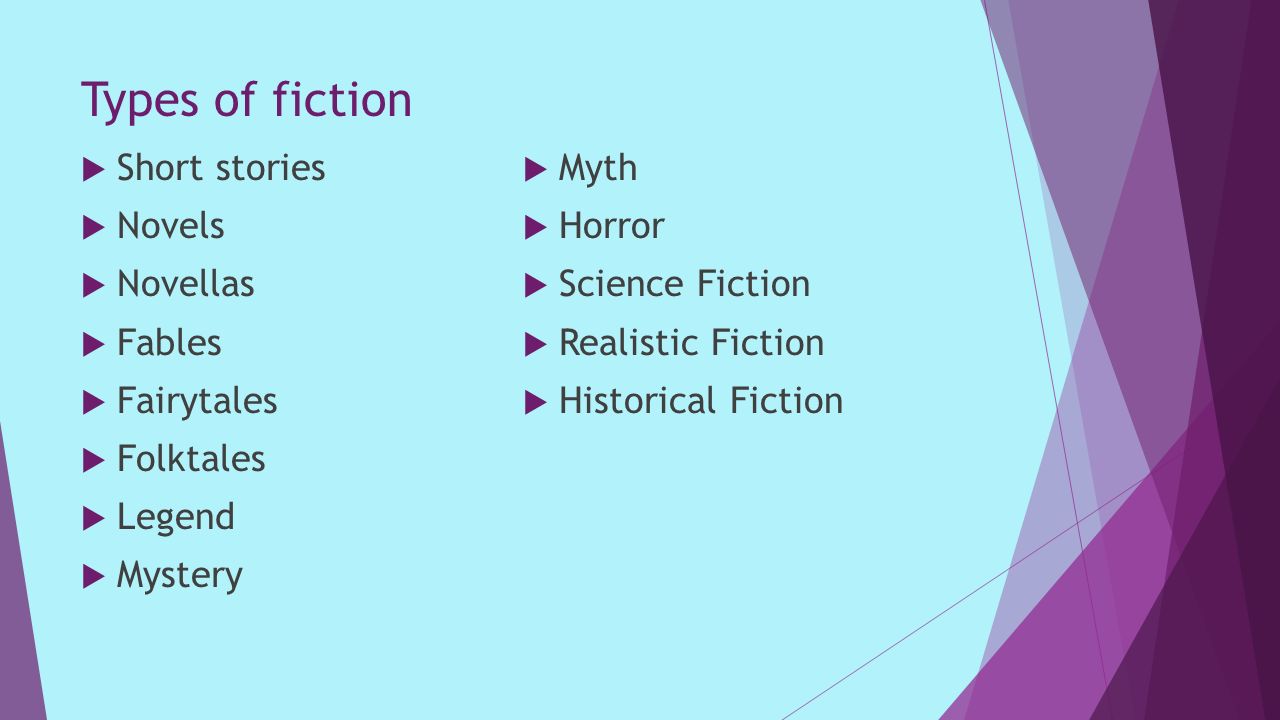
What is an example of a fiction genre?
Science fiction is a fiction genre—like Dune by Frank Herbert—that explores futuristic concepts and technology.
What is an example of a fiction author?
Stephen King is a well-known fiction author, famous for horror novels like The Shining.
Which story is fiction?
A story like The Hobbit by J.R.R. Tolkien is fiction, as it involves imaginary worlds and characters.
Conclusion about Example for Fiction
An example for fiction serves as a valuable tool for understanding how storytelling elements come together—plot, characters, setting, and dialogue.
Whether you’re a student, aspiring writer, or reader, fiction examples help illustrate how narratives are built and emotions are conveyed.
They offer guidance on tone, structure, and creativity, making it easier to craft your own compelling story. Studying a well-written fiction example can inspire new ideas and improve writing skills.
Ultimately, fiction examples are more than just stories—they’re learning models that help transform imagination into effective narrative expression. Use them as a springboard for your own writing journey.
