

Why Is My Neck So Stiff is a question most people end up asking at some point, usually right after waking up or finishing a long day at a desk. Neck stiffness is incredibly common and is almost always linked to posture, sleep position, or simple muscle overuse.
In most cases, it improves on its own within a few days with rest, gentle movement, and a few smart adjustments. However, in rare cases, stiffness paired with other symptoms can point to something that needs medical attention.
This is one of the most universally relatable aches out there, since almost everyone has dealt with a tight, hard-to-move neck at some point. It can strike after a single bad night’s sleep or build up gradually from months of slouching at a desk.
The encouraging part is that the vast majority of cases are completely benign and respond well to simple, low-cost remedies you can try the same day symptoms appear.
Why Is My Neck So Stiff? Quick Answer: Most Common Causes of a Stiff Neck
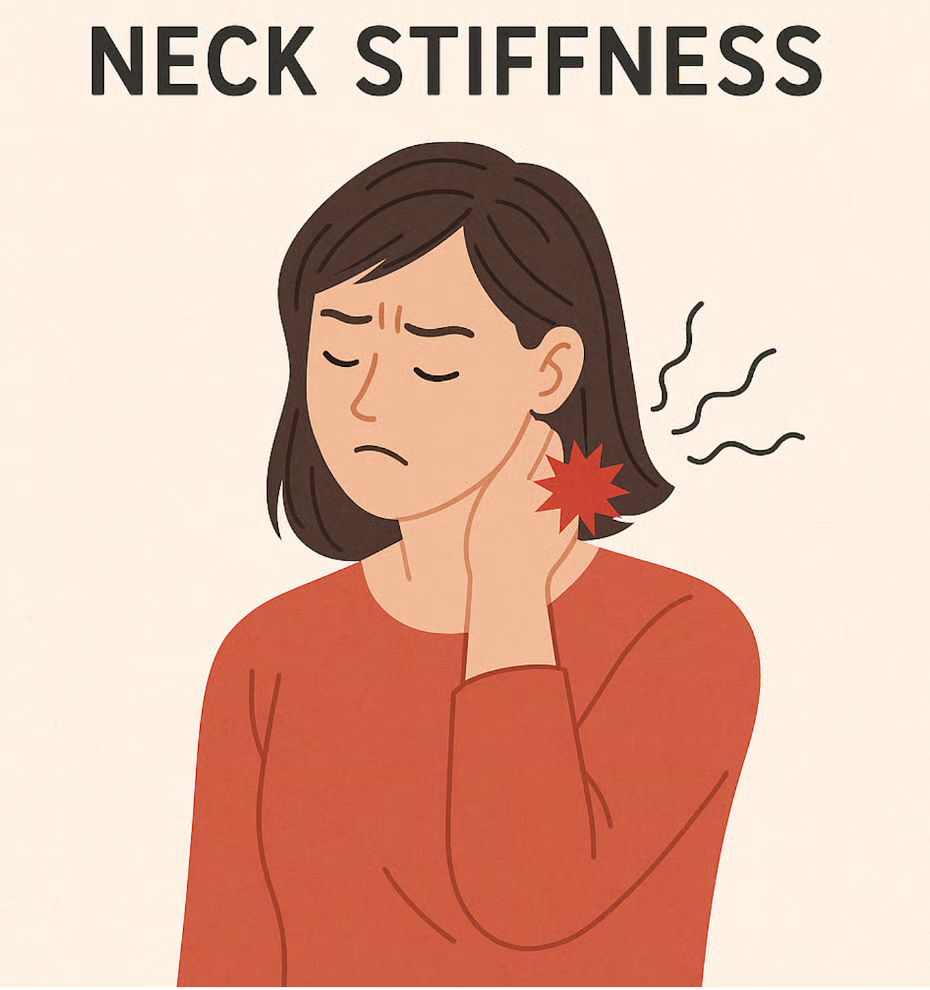
Before going in depth, here is a fast overview of what typically causes this issue.
Poor Posture
Hunching over a phone or laptop for long stretches puts constant strain on the muscles that support your head and neck.
Sleeping in an Awkward Position
An unsupportive pillow or an odd sleep position can twist the neck out of alignment overnight, leading to stiffness the next morning.
Muscle Strain or Overuse
Sudden movements, intense workouts, or repetitive motions can strain the small muscles and ligaments that stabilize the cervical spine.
Stress and Tension
Emotional stress often shows up physically as tightness in the neck and shoulders, even without any obvious injury.
Underlying Medical Conditions
Conditions like osteoarthritis, herniated discs, or pinched nerves can cause chronic or recurring neck stiffness that needs a closer look.
Understanding the Anatomy of the Neck
A basic understanding of how the neck works makes it easier to see why stiffness happens so often. Once you know the moving parts involved, the connection between daily habits and discomfort becomes much clearer.
The Cervical Spine
Your neck is supported by seven small vertebrae known as C1 through C7, which allow for a wide range of head movement.
Cushioning discs sit between each vertebra, absorbing shock from everyday movement and helping the spine flex without grinding bone against bone.
Muscles and Ligaments
Layers of muscles, including the trapezius, work together to hold your head upright and support nearly every direction of movement.
The trapezius alone stretches from the base of the skull down across the shoulders, which is why tension here often radiates outward.
Nerves Running Through the Neck
Several major nerves pass through the cervical spine, which is why compression or irritation here can sometimes affect the arms and shoulders too.
This shared pathway explains why a neck problem can occasionally show up as tingling or weakness somewhere else in the upper body.
Symptom-Based Cause Table
Use this table to match what you’re feeling with a likely underlying cause.
| Symptom | Likely Cause | Usually Resolves On Its Own? |
|---|---|---|
| Stiffness only in the morning | Poor sleep position or pillow | Yes |
| Stiffness after long screen time | Poor posture | Yes |
| Sudden stiffness after a workout | Muscle strain | Usually |
| Stiffness with tension headaches | Stress related tightness | Usually |
| Stiffness with tingling in arms | Possible nerve involvement | No, see a doctor |
| Stiffness with fever and headache | Possible infection | No, seek care immediately |
Cause 1: Poor Posture and Screen Time

This is one of the most frequent reasons people develop ongoing neck stiffness. With more people working from laptops and scrolling on phones throughout the day, this cause has only become more common in recent years.
Forward Head Posture
Leaning your head forward to look at a screen shifts extra weight onto the neck muscles, forcing them to work much harder than normal.
Even a small forward tilt can multiply the effective weight your neck muscles need to support, which adds up significantly across an entire workday.
Desk Setup Problems
A monitor positioned too low or too high encourages constant tilting, which adds up to significant strain over an eight-hour workday.
A laptop used on a low table or your lap is one of the worst offenders, since it almost always forces the neck into a downward angle.
Phone Use and Text Neck
Looking down at a phone for extended periods, often called text neck, places several times more pressure on the cervical spine than a neutral position.
This added pressure compounds quickly, especially for anyone who spends an hour or more a day scrolling with their head tilted downward.
Simple Posture Fixes
Raising your screen to eye level and taking short breaks every hour can meaningfully reduce the daily strain on your neck muscles.
Setting a recurring reminder to check your posture throughout the day is a small habit that can prevent a lot of cumulative strain.
Cause 2: Sleeping Position and Pillow Support
Many people wake up with a stiff neck without realizing their sleep setup is the root cause. Since you spend roughly a third of your life asleep, even small misalignments can have an outsized effect over time.
Stomach Sleeping Issues
Sleeping on your stomach forces your neck to twist to one side for hours, which can easily lead to morning stiffness.
This position also tends to flatten the natural curve of the spine, putting additional strain on the muscles trying to compensate.
Pillow Height Problems
A pillow that is too high, too flat, or too soft can misalign your neck with the rest of your spine throughout the night.
The goal is to keep your head roughly level with your spine, neither propped up too far nor sinking down too low.
Better Sleep Positions
Sleeping on your back or side with a supportive pillow helps keep the neck in a more neutral, natural position.
Side sleepers in particular benefit from a slightly firmer pillow that fills the gap between the shoulder and head.
Choosing the Right Pillow
Look for a pillow that supports the natural curve of your neck rather than pushing your head too far forward or backward.
Memory foam and contoured cervical pillows are popular choices because they adapt to the shape of the neck rather than forcing it into one fixed position.
Cause 3: Muscle Strain and Overuse
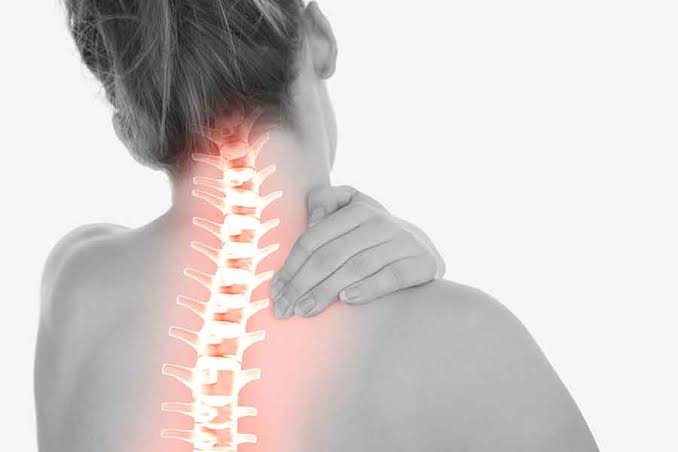
Physical activity is a common but often overlooked trigger for sudden neck stiffness. Even people who consider themselves generally fit can strain these muscles without realizing it.
Sudden or Jerky Movements
Quick, unexpected movements during sports or daily activities can strain the small muscles supporting the neck.
A sudden turn to check a blind spot or an awkward fall can be enough to trigger noticeable stiffness within hours.
Workout-Related Strain
Exercises like cycling or weightlifting can encourage poor neck posture if your form isn’t quite right.
Activities that involve looking up for extended periods, such as certain yoga poses, can also place unexpected strain on the neck.
Repetitive Motion Strain
Repeated movements, such as constantly looking over one shoulder at work, can gradually overwork specific neck muscles.
Jobs that require frequently cradling a phone between the ear and shoulder are a particularly common source of this type of strain.
Recovery From Muscle Strain
Most muscle-related stiffness improves within a few days with rest, gentle stretching, and avoiding the activity that caused it.
Pushing through the pain by continuing the same activity often delays recovery rather than speeding it up.
Cause 4: Stress and Emotional Tension
The mind-body connection plays a bigger role in neck stiffness than many people realize. Even without a clear physical trigger, ongoing emotional pressure can manifest as very real, very physical tightness.
How Stress Creates Physical Tension
Chronic stress often causes the neck and shoulder muscles to tighten involuntarily, even without any physical injury.
This response is rooted in the body’s natural fight-or-flight reaction, which tenses muscles in preparation for a threat that never actually arrives.
The Stress-Pain Cycle
Tense muscles can lead to discomfort, which in turn creates more stress, forming a cycle that’s hard to break without intervention.
Breaking this cycle often requires addressing both the physical tightness and the underlying source of stress at the same time.
Relaxation Techniques That Help
Deep breathing, mindfulness, and short breaks throughout the day can help reduce the physical tension that builds up from stress.
Even five minutes of slow, deliberate breathing can measurably lower the muscle tension that accumulates during a stressful day.
Cause 5: Whiplash and Trauma
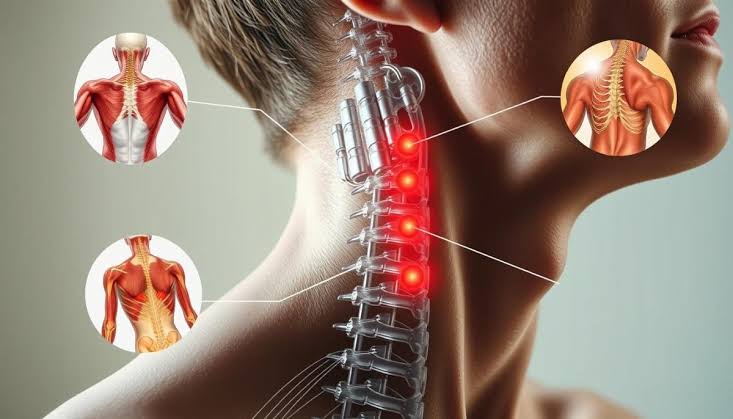
Sudden trauma is a less common but more serious cause of neck stiffness.
What Whiplash Involves
A rapid back-and-forth motion of the neck, often from a car accident, can strain muscles, ligaments, and joints all at once.
Delayed Symptoms
Whiplash symptoms sometimes don’t appear until a day or two after the incident, which can catch people off guard.
When to Seek Care After an Injury
Any neck stiffness following a car accident, fall, or sports collision should be evaluated by a medical professional.
Cause 6: Underlying Medical Conditions
Recurring or chronic stiffness sometimes points to something beyond simple muscle strain. These causes tend to develop gradually and often need a proper diagnosis rather than just rest.
Osteoarthritis
This degenerative condition wears down the joints in the neck over time, often causing stiffness that’s worse after periods of inactivity like sleep.
It tends to develop slowly over years, which means stiffness may worsen gradually rather than appearing suddenly.
Herniated Discs
A disc that slips out of place can press on nearby nerves, leading to stiffness along with pain that may radiate outward.
This pain sometimes travels down into the shoulder or arm, depending on exactly which nerve is being affected.
Pinched Nerves
Compressed nerves in the cervical spine can cause stiffness combined with tingling, numbness, or weakness in the arms.
This combination of symptoms is one of the clearer signs that something beyond ordinary muscle strain may be involved.
Autoimmune Conditions
Conditions like rheumatoid arthritis involve chronic inflammation that can affect the joints in the neck over time.
These conditions often cause stiffness in multiple joints throughout the body, not just the neck, which can help with diagnosis.
Cause 7: Meningitis and Serious Red Flags
While rare, this is the cause that requires the fastest response.
What Meningitis Is
This is inflammation of the membranes surrounding the brain and spinal cord, usually caused by a bacterial or viral infection.
Why It’s Dangerous
Meningitis can cause permanent damage or become life-threatening if it isn’t treated quickly.
Symptoms That Go Beyond Stiffness
Watch for a severe headache, high fever, nausea, confusion, or sensitivity to light alongside neck stiffness.
Warning Signs That Mean You Should See a Doctor
This table summarizes the situations where professional care should not be delayed.
| Warning Sign | Possible Concern |
|---|---|
| Fever and chills with stiffness | Possible meningitis |
| Severe, unusual headache | Possible meningitis or vascular issue |
| Tingling or numbness in arms | Possible nerve compression |
| Stiffness after a car accident or fall | Possible whiplash or structural injury |
| Stiffness lasting more than a week | Possible underlying condition |
| Difficulty walking or coordination issues | Possible spinal cord involvement |
At-Home Relief: Heat and Cold Therapy
Temperature therapy is one of the simplest and most effective first steps for ordinary stiffness, and most people already have what they need at home.
How Heat Helps
Warmth increases blood flow to tight muscles, which can speed up healing and ease tension in the area.
A warm shower, heating pad, or warm towel applied for fifteen to twenty minutes is usually enough to notice a difference.
How Cold Helps
Cold therapy numbs sharp pain and reduces inflammation, making it useful in the first day or two after a strain.
Wrapping ice in a cloth before applying it helps protect the skin while still delivering the cooling benefit.
Alternating Heat and Cold
Switching between the two every fifteen to twenty minutes can provide combined benefits for many people.
This approach works particularly well when stiffness includes both noticeable swelling and a deep, achy tightness.
At-Home Relief: Gentle Stretching
Movement, done carefully, is one of the best ways to restore range of motion without aggravating the area further.
Chin to Chest Stretch
Slowly tilt your head forward until your chin gently touches your chest, holding for several seconds before releasing.
This simple stretch targets the muscles along the back of the neck, which often carry the most tension.
Ear to Shoulder Stretch
Tilt your head toward one shoulder until you feel a light stretch, then repeat on the other side.
Keeping your shoulders relaxed and down during this stretch helps maximize the benefit on each side.
Gentle Neck Rolls
Slowly roll your head from side to side rather than in a full circular motion to avoid unnecessary strain.
A full backward roll can compress the cervical spine unnecessarily, so a side-to-side motion is generally the safer choice.
What to Avoid While Stretching
Skip any sudden, jerky, or forceful movements, and stop immediately if you feel sharp or shooting pain.
If a particular stretch consistently increases discomfort rather than relieving it, that’s a sign to stop and consult a professional instead.
At-Home Relief: Massage and Self-Care
Hands-on techniques can also help loosen tight muscles around the neck and shoulders.
Self-Massage Techniques
Use your fingers to apply gentle, circular pressure along the tightest areas of your neck and upper shoulders.
Using a Massage Tool
A massage ball or foam roller can help release tension in spots that are difficult to reach with your hands alone.
Professional Massage Therapy
If self-massage doesn’t bring enough relief, a licensed massage therapist can target deeper layers of muscle tension.
At-Home Relief: Over-the-Counter Options
Many people find short-term relief through common, widely available remedies.
Pain Relief Medication
Over-the-counter options like ibuprofen or acetaminophen can help reduce inflammation and ease discomfort for many people.
Following Label Instructions
Always follow the dosage instructions on the label and check with a pharmacist or doctor if you’re unsure about interactions.
Topical Treatments
Topical creams or patches designed for muscle aches can provide localized relief for some people.
Posture and Ergonomic Adjustments
Long-term prevention often comes down to small daily adjustments rather than one big fix.
Adjusting Your Workstation
Position your screen at eye level and use a chair that offers proper neck and back support.
Taking Movement Breaks
Standing up, stretching, or walking for a few minutes every hour helps prevent the muscle fatigue that builds from sitting still.
Phone and Device Habits
Holding your phone at eye level instead of looking down can significantly reduce strain on the neck over time.
Carrying Bags and Backpacks
Distribute weight evenly across both shoulders rather than carrying a heavy bag on just one side.
Professional Treatment Options
When at-home care isn’t enough, several professional options are available.
| Treatment | Best For | Typically Requires |
|---|---|---|
| Physical therapy | Chronic stiffness or weakness | Multiple sessions |
| Chiropractic adjustment | Misalignment-related stiffness | Ongoing visits |
| Corticosteroid injections | Inflammation-driven pain | Medical evaluation |
| Acupuncture | Muscle tension and stress relief | Several sessions |
| Surgery | Severe disc or nerve issues | Rare, specialist referral |
How Long Does a Stiff Neck Usually Last
Most people want to know what kind of timeline to expect once stiffness sets in.
Typical Recovery Time
Stiffness from posture or sleep position often improves within two to three days with basic at-home care.
When It Becomes Chronic
If stiffness persists for several weeks or keeps returning, an underlying condition may be contributing to the problem.
Tracking Your Symptoms
Keeping a simple note of when stiffness occurs, how long it lasts, and what seems to trigger it can help a doctor diagnose the cause faster.
Preventing Future Neck Stiffness
A few consistent habits can dramatically reduce how often this problem comes back.
Strengthening Neck and Shoulder Muscles
Light strengthening exercises can help the muscles around your cervical spine better support your head over time.
Improving Sleep Setup
Investing in a supportive pillow and a medium-firm mattress can prevent a large share of morning stiffness.
Managing Stress Levels
Regular relaxation practices, even just a few minutes a day, can reduce the physical tension that builds from chronic stress.
Staying Active
Regular movement throughout the day keeps the muscles around your neck flexible rather than tight and overworked.
Frequently Asked Questions (FAQs)
What is the fastest way to relieve a stiff neck at home?
Alternating heat and cold therapy along with gentle stretching is usually the fastest way to ease everyday neck stiffness.
Can stress alone cause a stiff neck?
Yes, chronic stress often causes the neck and shoulder muscles to tighten involuntarily, even without any physical injury.
Why is my neck stiffer in the morning than during the day?
Morning stiffness is usually caused by an unsupportive pillow or an awkward sleep position that misaligns the neck overnight.
When should I worry about a stiff neck?
You should seek care if stiffness comes with fever, severe headache, confusion, or tingling and numbness in your arms.
Can poor posture really cause long-term neck problems?
Yes, sustained poor posture places ongoing strain on neck muscles and can contribute to chronic stiffness over time.
Is it safe to exercise with a stiff neck?
Gentle stretching is usually safe, but high-impact or jerky movements should be avoided until the stiffness improves.
How long should a normal stiff neck last before I see a doctor?
If stiffness doesn’t improve within about a week of at-home care, it’s a good idea to consult a healthcare provider.
Can a stiff neck be linked to a pinched nerve?
Yes, a pinched nerve in the cervical spine can cause stiffness along with tingling, numbness, or weakness in the arms.
Does sleeping position really make that much of a difference?
Yes, sleeping on your stomach or using an unsupportive pillow are among the most common causes of morning neck stiffness.
Are over-the-counter pain relievers enough for a stiff neck?
For most everyday cases, over-the-counter pain relievers combined with stretching and rest provide sufficient relief.
Conclusion
A stiff neck is usually nothing more than a temporary result of poor posture, an awkward sleep position, or simple muscle overuse, and it typically improves within a few days with rest, gentle stretching, and heat or cold therapy.
Paying attention to your workstation setup, pillow support, and stress levels can go a long way toward preventing it from coming back.
That said, stiffness paired with fever, severe headache, tingling in the arms, or recent trauma should never be ignored, since these can point to more serious underlying conditions.
When in doubt, especially if symptoms persist beyond a week or worsen suddenly, reaching out to a healthcare provider is always the safer choice. Small daily habits, practiced consistently, remain the best long-term defense against ongoing neck stiffness.
