

Why Interior Design Is Interesting: MintPalDecor is a question that every homeowner, student, and creative soul asks at some point. Interior design is not just about making a room look pretty — it is a rich blend of psychology, art, architecture, and human behavior.
At MintPalDecor, we believe that understanding why spaces feel the way they do is the first step to transforming them. From color theory to furniture placement, every decision shapes how people live, feel, and perform inside a space.
Why Interior Design Is Interesting: MintPalDecor? What Makes Interior Design So Fascinating in 2026
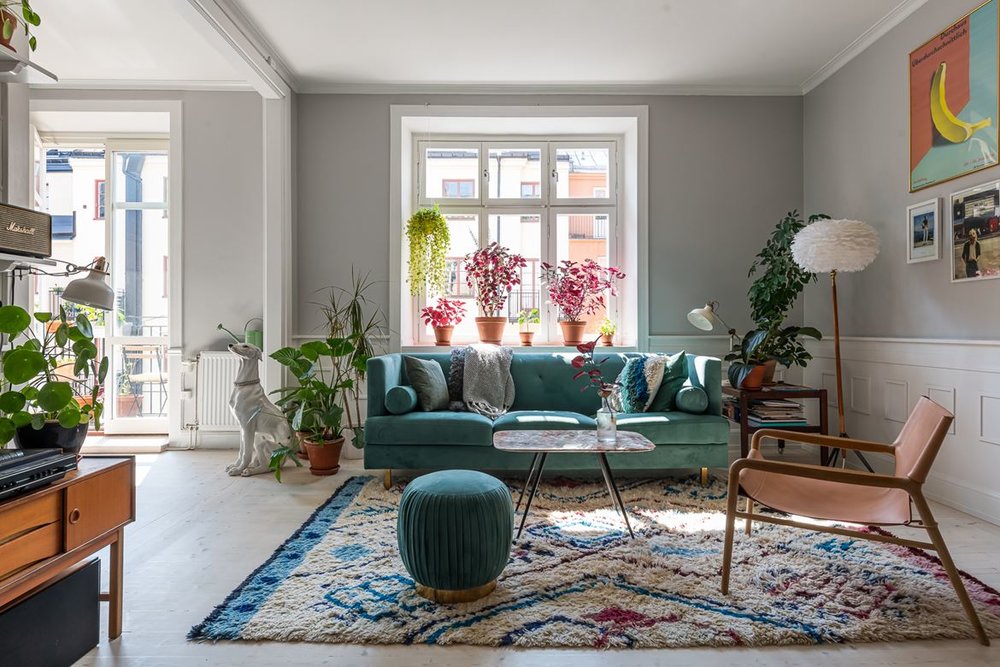
Interior design sits at the crossroads of art and science. It is one of the few fields where creativity meets measurable impact — a well-designed room can reduce stress, boost productivity, and even improve sleep quality.
The global interior design market continues to grow rapidly. More people are investing in their living spaces than ever before. This surge in interest is driven by remote work culture, social media inspiration, and a deeper awareness of how environments affect mental health.
MintPalDecor sees this shift every day. Clients no longer just want a stylish room — they want a room that works for them emotionally and functionally.
Interior Design Is a Marriage of Art and Function
One of the core reasons why interior design is interesting is that it demands both sides of the brain. You need creative vision AND practical problem-solving.
A designer must answer: How can this space be beautiful AND usable? That tension — between aesthetics and function — is where the magic happens.
Every project is a unique puzzle. No two rooms, clients, or budgets are the same, which means the solutions are never the same either.
The Psychology of Space: Why Rooms Make You Feel Things
Spaces trigger emotions — and that is not an accident. Interior designers use psychological principles to engineer how a room makes you feel.
Open floor plans with large windows create feelings of freedom and openness. Low ceilings and warm lighting create intimacy and coziness. This is the psychology of space at work.
Research confirms that the layout of a room can directly influence stress levels, focus, and even social behavior. Interior design is one of the few professions where you literally shape human experience.
How Color Psychology Shapes Interior Design
Color is one of the most powerful tools in a designer’s toolkit. Different hues trigger different emotional responses, and understanding this is key to great design.
| Color | Psychological Effect | Best Used In |
|---|---|---|
| Blue | Calm, focused, trustworthy | Bedrooms, offices |
| Yellow | Energetic, optimistic, cheerful | Kitchens, playrooms |
| Green | Balanced, refreshing, natural | Living rooms, studies |
| Red | Bold, passionate, stimulating | Dining rooms, accent walls |
| White | Clean, open, minimalist | Bathrooms, small spaces |
| Gray | Sophisticated, neutral, modern | Hallways, modern interiors |
| Beige/Cream | Warm, timeless, relaxed | Any room as a base palette |
MintPalDecor recommends always starting with the room’s purpose before choosing a color palette. A bedroom needs calm; a home office needs focus; a kitchen needs energy.
Interior Design Reflects Personal Identity
Your home is your autobiography. The colors, textures, furniture styles, and decorative objects you choose all tell a story about who you are.
This is why interior design is so deeply personal. A minimalist home reflects a preference for calm and clarity. A maximalist space bursting with art and pattern signals a love of expression and richness.
Interior designers at MintPalDecor see their role as translators — turning a client’s personality, lifestyle, and aspirations into a physical space. That translation process is endlessly fascinating.
The Role of Lighting in Interior Design
Lighting is arguably the most underrated element of any interior. It can completely transform the mood of a room without changing a single piece of furniture.
Natural light makes spaces feel alive and connected to the outdoors. Warm artificial lighting creates ambiance and relaxation. Bright task lighting improves focus and productivity.
Good designers think about light at every stage of a project — morning light versus evening light, seasonal changes, and how light bounces off different materials and colors.
Texture and Material: The Tactile Side of Design
Why do some rooms feel luxurious while others feel flat? Texture is usually the answer.
Mixing textures — smooth marble countertops with rough wooden beams, soft velvet upholstery with sleek metal legs — creates visual and tactile richness. It gives a room depth and makes it feel considered rather than assembled.
| Material | Mood It Creates | Common Application |
|---|---|---|
| Natural wood | Warm, organic, grounded | Flooring, furniture |
| Marble | Luxurious, timeless | Countertops, bathrooms |
| Velvet | Opulent, soft, rich | Sofas, curtains, cushions |
| Rattan/Cane | Relaxed, coastal, natural | Chairs, light fixtures |
| Concrete | Industrial, raw, modern | Floors, feature walls |
| Linen | Airy, casual, relaxed | Bedding, curtains |
Biophilic Design: Bringing Nature Indoors
One of the most exciting developments in modern interior design is biophilic design — the practice of incorporating natural elements into interior spaces.
Plants, natural light, water features, and organic materials are used to strengthen the human-nature connection indoors. Studies show that biophilic environments reduce cortisol levels, improve mood, and even speed up recovery from illness.
MintPalDecor incorporates biophilic principles into many of our projects. Something as simple as a living wall of plants or a bamboo pendant light can shift the entire feel of a room.
Sustainable Interior Design Is the Future
Sustainability is no longer a trend — it is a responsibility. In 2026, more designers and homeowners are choosing eco-friendly materials, recycled furniture, and energy-efficient lighting solutions.
Sustainable design is interesting because it adds a layer of intention and ethics to every decision. Choosing reclaimed wood over new lumber, or VOC-free paints over synthetic options, is a design decision that also benefits the planet.
MintPalDecor champions sustainable choices without sacrificing style. Beautiful design and responsible sourcing can absolutely coexist.
Smart Home Technology and Interior Design
Technology has become part of the interior design conversation. Smart lighting systems, automated blinds, app-controlled thermostats, and hidden charging stations are now standard features in modern interiors.
The challenge for designers is to integrate these technologies seamlessly — so that a home feels high-tech but not clinical. The best smart homes feel effortless and human.
This intersection of technology and design is one of the most rapidly evolving areas in the field, making interior design endlessly exciting for those who love innovation.
Space Planning: The Hidden Foundation of Great Design
Before colors, furniture, or decor — space planning comes first. It is the process of organizing a room so that it functions efficiently for the people using it.
Poor space planning is why so many rooms feel awkward. Furniture that is too large, pathways that are blocked, or areas that have no clear purpose all stem from inadequate planning.
MintPalDecor always begins every project with a detailed space plan. We measure, we map traffic flow, we consider how the room will be used at different times of day. Only then does the creative process begin.
Interior Design as a Career: Why People Love It
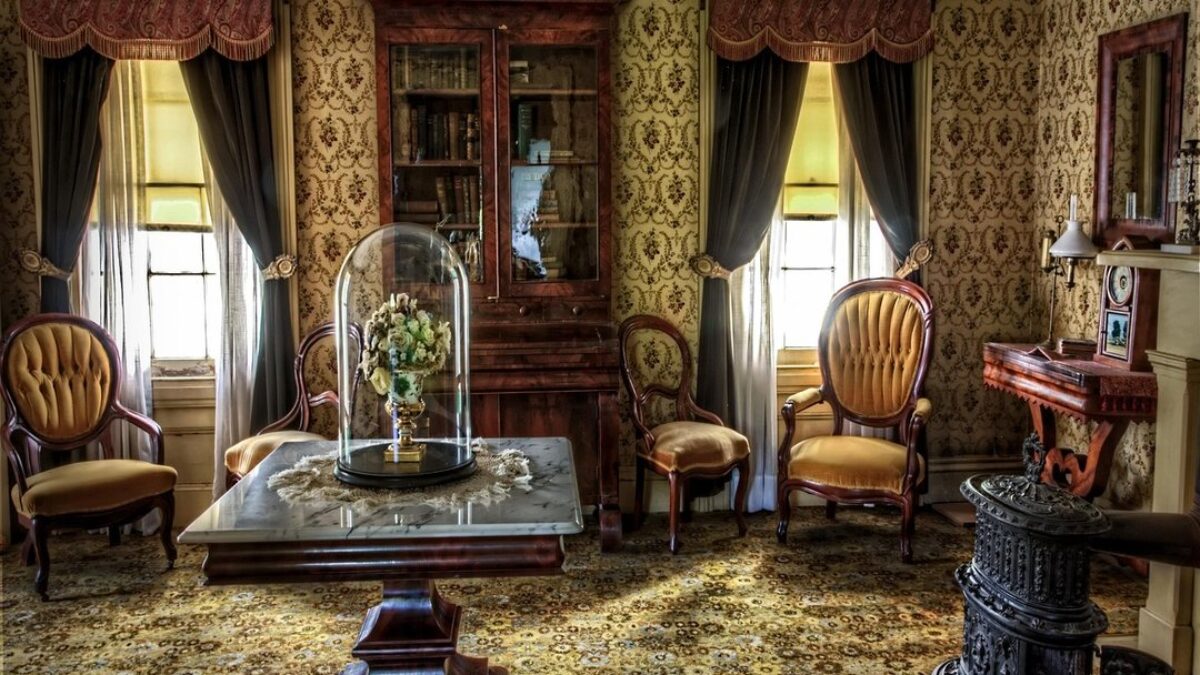
Many people are drawn to interior design not just as a hobby but as a profession. And it is easy to see why.
The career offers creative freedom, variety, client interaction, and the deeply satisfying experience of transforming spaces. No two projects are ever the same.
Interior designers work across residential homes, commercial offices, hotels, restaurants, retail spaces, and healthcare environments. The range of opportunities is vast.
The field also rewards continuous learning. New materials, new technologies, new trends, and new research into human psychology all keep the profession fresh and stimulating.
Why Interior Design Is Interesting: The Emotional Payoff
Perhaps the most compelling reason why interior design is interesting is the emotional payoff — for both designer and client.
When a project is complete and a client walks into their transformed space for the first time, the reaction is visceral. Eyes widen. Shoulders relax. Smiles appear. That moment of joy is what drives interior designers at MintPalDecor to keep doing what they do.
Spaces shape lives. And the people who shape spaces — designers — carry real responsibility and real reward.
Key Interior Design Principles Every Homeowner Should Know
Understanding a few core principles can help anyone make better design decisions, even without professional training.
Balance refers to the equal distribution of visual weight in a room. Symmetrical balance (matching items on either side) feels formal and calm. Asymmetrical balance feels dynamic and modern.
Scale and Proportion mean that the size of your furniture should relate to the size of your room. Oversized sofas in small rooms, or tiny artwork on large walls, immediately feel wrong.
Rhythm in design means repeating elements — colors, patterns, shapes — to create visual flow and movement through a space.
Focal Point every great room has one. It could be a fireplace, a piece of art, a statement wall, or a stunning view. The rest of the room is arranged to support and frame that focal point.
Contrast is what gives a room energy. Pairing dark with light, rough with smooth, old with new — contrast prevents a space from feeling flat or monotonous.
MintPalDecor’s Top Interior Design Tips for 2026
MintPalDecor has worked across hundreds of projects and distilled the most impactful advice into a simple set of principles.
Start with function, not aesthetics. Decide how you want to live in the space before deciding how you want it to look. Form follows function — always.
Invest in lighting. It is the fastest and most affordable way to dramatically transform a room. Layer your lighting: ambient, task, and accent.
Do not rush color decisions. Live with paint samples on your wall for at least a week. See how the color looks in morning light, afternoon light, and at night.
Mix old and new. Vintage furniture pieces mixed with modern elements create character and depth. Rooms furnished entirely from one era can feel staged rather than lived-in.
Less is more. Clutter is the enemy of good design. Edit ruthlessly. Every object in a room should earn its place through beauty, meaning, or function — ideally all three.
Think vertically. Most people design rooms horizontally — furniture along the walls, art at eye level. Think about using height: tall shelving, statement pendant lights, floor-to-ceiling curtains.
Use rugs to define zones. In open-plan spaces, rugs are one of the most effective ways to create distinct areas for living, dining, and working.
Common Interior Design Mistakes and How to Avoid Them
Even experienced decorators make predictable mistakes. Knowing them in advance saves time, money, and frustration.
| Mistake | Why It Happens | How to Fix It |
|---|---|---|
| Furniture too small | Trying to save money or space | Always measure before buying |
| Hanging art too high | Instinct says “higher = more important” | Eye level is the rule — roughly 57–60 inches from floor |
| Ignoring the ceiling | It’s the “fifth wall” | Use paint, wallpaper, or molding to add interest |
| Buying everything at once | Wanting a finished look quickly | Layer pieces over time for authenticity |
| Neglecting storage | Focusing only on looks | Build storage into the design from day one |
| Too many throw pillows | They look great in photos | Edit down to what is actually comfortable |
| Matching everything | Wanting a cohesive look | Coordination, not matching, is the goal |
Interior Design Trends Shaping 2026
Understanding current trends helps homeowners make decisions that feel fresh rather than dated.
Romantic Minimalism is one of the defining aesthetics of 2026 — restrained color and pattern, but with softness introduced through dreamy fabrics, delicate details, and poetic contrasts.
Raw Materials continue to dominate. Exposed concrete, unfinished wood, raw stone — there is a growing appreciation for honesty in materials and a rejection of overly polished surfaces.
Sour Green Accents are the unexpected color trend of 2026. A punchy citrus-inflected green that cuts through softer palettes with dynamism and freshness.
Tactile Stainless Steel is evolving from its 2025 chrome moment into something more textured and diverse. Designers are exploring the material in new finishes and forms.
Biophilic Elements remain strong. Plants, natural light, organic shapes, and nature-inspired color palettes continue to be central to how people want to live.
How MintPalDecor Approaches Every Project
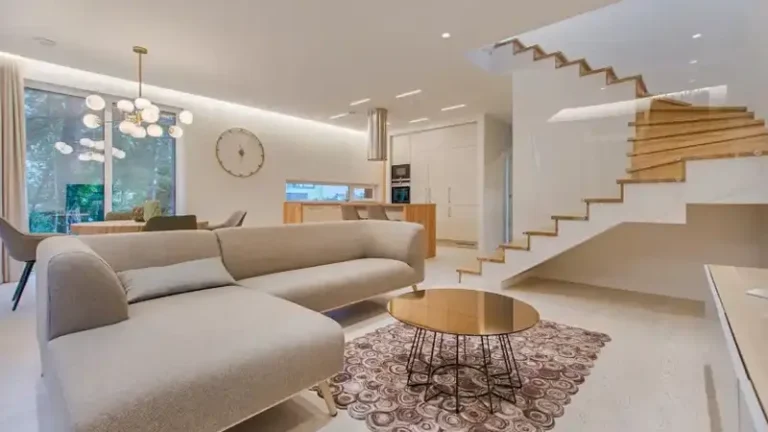
At MintPalDecor, every project begins with listening. We ask our clients not just what they want their home to look like — but how they want it to feel. What is their morning routine? How do they entertain? What makes them feel calm? What excites them?
From that deep understanding, we build a design brief that guides every decision — from space planning through material selection to final styling.
We believe that the most interesting interior design is not the most expensive or the most fashionable. It is the most honest — reflecting the people who live there, supporting the life they actually lead.
Interior Design for Small Spaces: Making Less Feel Like More
Small spaces present some of the most interesting design challenges. The constraints demand creativity.
Light colors expand perceived space. Mirrors multiply light and create the illusion of depth. Multi-functional furniture — beds with storage, dining tables that fold — makes every square foot work harder.
Vertical storage draws the eye upward, making ceilings feel higher. Consistent flooring throughout connected spaces creates flow and removes visual interruptions.
MintPalDecor loves small space projects. The limitations force innovation, and the results — a compact apartment that feels spacious, warm, and intelligent — are deeply satisfying.
The Business Side of Interior Design
Interior design is not only creative — it is also a business discipline. Understanding budgets, project timelines, contractor management, client communication, and vendor sourcing are all essential skills.
Successful designers at MintPalDecor balance the creative and the commercial every day. Staying on budget while achieving a high-quality result requires constant prioritization and smart sourcing.
This business dimension is what elevates interior design from a hobby to a profession. It is what separates a beautifully styled room from a beautifully delivered project.
Frequently Asked Questions (FAQs)
What makes interior design interesting as a career?
Interior design combines creativity, psychology, and problem-solving in a way that very few careers do. Every project is unique, and the results directly improve people’s quality of life.
Why does interior design affect mood?
Colors, lighting, layout, and materials all have psychological effects on the human brain. A well-designed space can reduce stress, boost energy, and improve focus.
What is the most important element of interior design?
Space planning is the foundation. Without a functional layout, even the most beautiful decor will feel wrong. Always plan the space before choosing furnishings.
How does color impact a room?
Color directly influences how large, warm, calm, or energetic a room feels. Blue promotes calm, yellow brings energy, and green connects a space to nature.
What is biophilic design?
Biophilic design incorporates natural elements — plants, natural light, organic materials, water features — into interior spaces to improve well-being and reduce stress.
Is sustainable interior design more expensive?
Not necessarily. Sustainable choices like buying vintage furniture, using low-VOC paints, or choosing reclaimed wood can often be cost-neutral or even cheaper than new alternatives.
What is the difference between interior design and interior decorating?
Interior design involves structural planning, space layout, and technical specifications. Interior decorating focuses on aesthetics — color, furniture, accessories — without altering the structure.
How do I make a small room feel bigger?
Use light colors, mirrors, multi-functional furniture, consistent flooring, and vertical storage. Avoid heavy furniture and visual clutter that make a space feel compressed.
What interior design trends are popular in 2026?
Romantic minimalism, raw materials, biophilic elements, sour green accents, and tactile stainless steel are among the defining trends shaping interiors in 2026.
How does MintPalDecor approach a new design project?
MintPalDecor begins every project by understanding how the client wants to feel in the space — not just how they want it to look. Function, lifestyle, and personality guide every design decision.
Conclusion
Why interior design is interesting comes down to one simple truth: spaces shape lives. The rooms we inhabit affect how we sleep, how we work, how we connect with others, and how we feel about ourselves.
Interior design sits at the intersection of science, psychology, art, and human experience — and that intersection is endlessly fascinating.
At MintPalDecor, we believe that great design is not a luxury reserved for large budgets or famous architects. It is available to anyone willing to understand the principles, observe their space honestly, and make thoughtful decisions.
Whether you are redesigning a single room or planning a complete home transformation in 2026, the fundamentals remain the same: start with function, honor the light, respect the scale, and always design for the life you actually live.
Great interiors are not just beautiful — they are truthful. And that is what makes interior design one of the most rewarding and interesting fields in the world.
