

Why do my burps smell like rotten eggs? If you are asking this question, you are not alone. Millions of people deal with this embarrassing problem every day.
The answer lies in a gas called hydrogen sulfide produced deep inside your digestive tract. This rotten egg smell is called a sulfur burp. It is usually harmless but can be a sign of something more serious.
What Are Sulfur Burps?

Sulfur burps are burps that release hydrogen sulfide gas (H2S) from your stomach through your mouth. Unlike normal burps that are mostly odorless, sulfur burps carry a strong rotten egg smell.
Normal burping happens up to 30 times a day. It is simply your body releasing swallowed air. But when bacteria in your gut break down sulfur-containing foods and proteins, hydrogen sulfide gas is produced, giving burps that unmistakable foul odor.
Occasional sulfur burps are not a cause for concern. However, if you experience them more than three times a week or they come with other symptoms, it is time to pay attention.
Why Do My Burps Smell Like Rotten Eggs? The Science Behind It
The rotten egg smell in your burps comes from hydrogen sulfide (H2S) gas. Here is a simple breakdown of how it forms:
| Step | What Happens |
|---|---|
| You eat sulfur-rich food | Eggs, meat, garlic, broccoli enter your stomach |
| Gut bacteria get to work | Bacteria break down sulfur-containing proteins and amino acids |
| H2S gas is produced | Hydrogen sulfide forms as a byproduct of digestion |
| Gas travels upward | The gas rises from the stomach and exits through your mouth |
| You get a sulfur burp | The result is a foul, rotten egg smelling burp |
The main bacteria responsible include sulfate-reducing bacteria that live naturally in your gut. They metabolize compounds like cysteine, methionine, and taurine found in protein-rich foods.
Common Causes of Rotten Egg Smelling Burps
1. High-Sulfur Foods
The most common reason your burps smell like rotten eggs is your diet. Certain foods are naturally high in sulfur. When your gut bacteria break them down, large amounts of hydrogen sulfide are released.
Foods that most commonly trigger sulfur burps include eggs, red meat, poultry, dairy products, garlic, onions, broccoli, cauliflower, Brussels sprouts, and cabbage. Even beans and lentils can trigger this reaction in some people.
Common sulfur-rich food triggers:
| Food Category | Examples |
|---|---|
| Proteins | Eggs, beef, chicken, fish, dairy |
| Vegetables | Broccoli, cabbage, cauliflower, onions, garlic |
| Legumes | Black beans, kidney beans, lentils |
| Drinks | Beer, carbonated beverages, alcohol |
| Other | Artificial sweeteners like aspartame |
2. H. pylori Bacterial Infection
Helicobacter pylori (H. pylori) is a very common stomach bacteria. It is estimated to be present in more than half of the world’s population.
H. pylori infects the stomach lining and disrupts normal digestion. This leads to increased gas production, frequent burping, bloating, nausea, and abdominal pain. The infection increases hydrogen sulfide production significantly, causing burps to smell like rotten eggs.
If your sulfur burps come with stomach pain or nausea, H. pylori infection may be the cause. A doctor can test for it and prescribe antibiotics to clear the infection.
3. Gastroesophageal Reflux Disease (GERD)
GERD is a condition where stomach acid and stomach contents flow back up into the esophagus. This acid can smell strongly of sulfur.
When this happens, the sulfuric gas from your stomach travels upward and exits through your mouth during a burp. You may also notice heartburn, a sour taste in your mouth, and chest discomfort alongside your smelly burps.
Managing GERD through diet changes, medications, and lifestyle changes can significantly reduce sulfur burps caused by acid reflux.
4. Irritable Bowel Syndrome (IBS)
IBS is a very common digestive disorder that affects the large intestine. People with IBS experience excessive gas, bloating, cramping, and altered bowel habits.
The disruption in normal gut function increases the production of hydrogen sulfide gas. This is why many IBS sufferers commonly report rotten egg smelling burps and flatulence.
Stress is a known trigger for IBS flare-ups, which means stress can indirectly cause your burps to smell like rotten eggs.
5. Small Intestinal Bacterial Overgrowth (SIBO)
SIBO happens when there is an abnormal increase in the number of bacteria in the small intestine. These extra bacteria ferment food, especially carbohydrates and proteins, producing large amounts of hydrogen sulfide gas.
People with SIBO often experience bloating, diarrhea, abdominal pain, and persistent sulfur burps. SIBO requires proper medical diagnosis and is typically treated with antibiotics and dietary adjustments.
6. Giardia Infection (Waterborne Parasite)
Giardia is a microscopic parasite found in contaminated water and food. It infects the small intestine and causes a range of digestive symptoms including diarrhea, nausea, poor appetite, and foul-smelling sulfur burps.
If you have recently traveled to an area with poor sanitation or consumed untreated water and now have rotten egg burps along with diarrhea, Giardia could be the culprit. This needs medical treatment with antiparasitic medications.
7. Food Intolerances
Lactose intolerance and fructose intolerance are two common food intolerances that can lead to excessive gas and sulfur burps. When your body cannot properly digest these substances, they ferment in the gut, producing hydrogen sulfide as a byproduct.
Identifying and eliminating trigger foods is the most effective way to manage burps caused by food intolerance.
8. Medications and GLP-1 Drugs
Certain medications are known to cause sulfur burps as a side effect. GLP-1 medications like Ozempic, Mounjaro, and Wegovy slow down how quickly your stomach empties. This means food stays in your stomach longer, allowing more time for bacterial fermentation and H2S gas production.
Antibiotics can also disrupt the natural balance of gut bacteria, leading to increased sulfur gas production and smelly burps.
9. Behavioral Causes
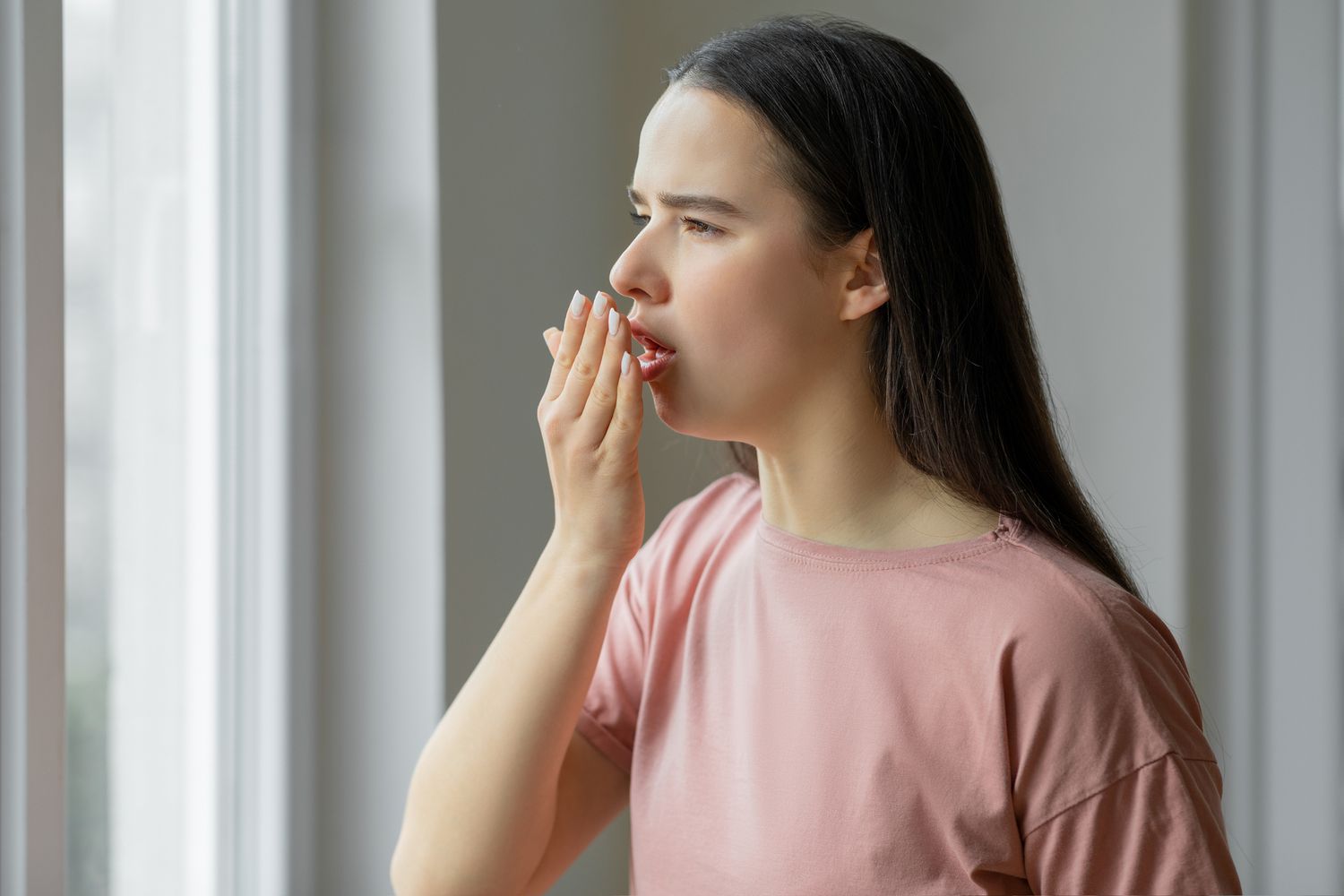
Sometimes the cause of your burps smelling like rotten eggs is simply how you eat. Eating too fast causes you to swallow excess air along with food. This air mixes with digestive gases in your stomach.
Other behavioral triggers include talking while eating, drinking carbonated beverages, chewing gum, sucking on hard candies, and eating large heavy meals. These habits increase the amount of gas your stomach accumulates, making burps more frequent and more foul-smelling.
10. Gastroparesis (Delayed Gastric Emptying)
Gastroparesis is a condition where the stomach empties too slowly. When food sits in your stomach for too long, bacteria have more time to ferment sulfur-containing compounds, producing excess hydrogen sulfide gas.
This leads to a worsening of sulfur burps. People with diabetes are at higher risk for gastroparesis. Symptoms also include nausea, vomiting, and feeling full quickly after eating.
Sulfur Burps With Diarrhea: What Does It Mean?
Sulfur burps combined with diarrhea is a sign that something is not right in your gastrointestinal tract. This combination often points to a gastrointestinal infection, food poisoning, or a more serious digestive condition.
When you eat high-sulfur foods like meat, garlic, or dairy, your gut works overtime to digest them. This produces excess gas that can make your poop smell sulfuric too. If your sulfur burps and diarrhea last more than a couple of days, it is important to see a doctor.
Dehydration is a real risk when diarrhea accompanies your sulfur burps. Drink plenty of fluids and seek medical attention if symptoms worsen.
How to Get Rid of Sulfur Burps: Proven Relief Tips
Tip 1: Use Bismuth Subsalicylate (Pepto-Bismol)
Bismuth subsalicylate is the most effective over-the-counter remedy for sulfur burps. It works by directly neutralizing hydrogen sulfide gas, forming bismuth sulfide, which eliminates the rotten egg odor.
Take the recommended dose and expect relief within 30 to 60 minutes. This is the go-to fast fix recommended by many gastroenterologists for immediate sulfur burp relief.
Tip 2: Drink Ginger Tea
Ginger has powerful anti-inflammatory and digestive properties. A cup of freshly brewed ginger tea can help calm your digestive system, reduce excess gas, and significantly cut down on sulfur burps.
Sip ginger tea slowly after meals for best results. You can also add a small amount of honey to soothe your stomach lining at the same time.
Tip 3: Try Baking Soda Water
Mix half a teaspoon of baking soda into a cup of water. This simple solution helps neutralize excess stomach acid, which is one of the drivers of sulfur burp production.
Drink it slowly. It will cause you to burp initially as the baking soda reacts with stomach acid, but after that, relief should follow. Do not use this remedy daily as too much baking soda can affect your body’s pH balance.
Tip 4: Drink More Water
Staying well hydrated is one of the simplest and most effective ways to reduce sulfur burps. Water helps flush out the digestive tract, dilutes stomach contents, and supports the breakdown of sulfur-rich foods.
Aim to drink at least 8 glasses of water per day. Adding lemon or ginger to your water can give an extra digestive boost.
Tip 5: Try Apple Cider Vinegar
Mix one to two tablespoons of apple cider vinegar with a glass of warm water. Apple cider vinegar can help restore the natural acidity balance of your stomach, which supports healthier digestion and reduces foul-smelling burps.
Use this remedy once daily. Too much apple cider vinegar can irritate your esophagus, so stick to the recommended amount diluted in water.
Tip 6: Peppermint or Chamomile Tea
Peppermint tea is a classic digestive remedy. It helps relax the muscles of the gastrointestinal tract, reducing gas and bloating. Chamomile tea has similar soothing properties and helps calm an irritated gut.
Both teas are safe to drink daily and are a gentle, natural approach to managing rotten egg smelling burps.
Tip 7: Manuka Honey
Manuka honey has natural antibacterial properties. It can help protect the digestive lining, reduce harmful bacteria in the gut, and relieve digestive distress.
Take one teaspoon of Manuka honey daily, either on its own or mixed into warm water or herbal tea. It is particularly helpful if your sulfur burps are linked to an H. pylori infection.
Tip 8: Activated Charcoal
Activated charcoal tablets can help absorb excess gas in your digestive tract and reduce unpleasant odors. They are available at most pharmacies without a prescription.
Take activated charcoal at least two hours apart from any other medications, as it can interfere with drug absorption. Do not use it as a daily long-term solution without consulting a doctor.
Tip 9: Probiotics
Probiotics introduce beneficial bacteria into your gut microbiome. A healthy balance of good bacteria can crowd out the sulfate-reducing bacteria responsible for producing hydrogen sulfide gas.
You can get probiotics through supplements or through probiotic-rich foods like yogurt, kefir, kimchi, and sauerkraut. Regular probiotic use supports long-term digestive health and reduces the frequency of sulfur burps.
Tip 10: Simethicone (Gas-X)
Simethicone works by breaking down large gas bubbles in your digestive tract into smaller ones that are easier to expel. While it does not eliminate the sulfur odor directly, it significantly reduces bloating and pressure within 30 minutes.
It is available over the counter as Gas-X or Mylanta and is safe for most adults to use.
Foods to Avoid to Stop Rotten Egg Burps

Making smart dietary changes is the most effective long-term strategy for reducing sulfur burps. The goal is to reduce the amount of sulfur reaching your gut bacteria.
| Foods to Limit | Why They Cause Sulfur Burps |
|---|---|
| Eggs | Very high in sulfur amino acids |
| Red meat and poultry | Rich in cysteine and methionine |
| Cruciferous vegetables | Contain sulfur compounds that ferment easily |
| Garlic and onions | High sulfur content that bacteria love to break down |
| Dairy products | Can trigger reactions in lactose-intolerant people |
| Carbonated drinks | Add gas directly to the stomach |
| Alcohol, especially beer | Causes indigestion and increases gas production |
| Artificial sweeteners | Aspartame can trigger gut fermentation |
You do not have to eliminate all these foods forever. Try removing one food at a time for two to three days to identify your personal trigger foods.
Lifestyle Changes That Help Prevent Sulfur Burps
Eat Slowly and Chew Thoroughly
Eating too fast causes you to swallow large amounts of air along with your food. This extra air mixes with digestive gases in your stomach. Slow down, chew each bite thoroughly, and avoid talking with your mouth full.
Eat Smaller, More Frequent Meals
Large, heavy meals put enormous pressure on your digestive system. Eating several smaller meals throughout the day reduces this burden and gives your gut time to process food more efficiently, producing less gas in the process.
Avoid Lying Down After Meals
Lying down immediately after eating allows stomach contents, including acid and gases, to reflux back up into the esophagus. This worsens sulfur burps and can cause GERD symptoms. Stay upright for at least two hours after meals.
Manage Stress
High stress levels directly impact your digestive system. Stress can slow digestion, alter gut bacteria balance, and trigger IBS flare-ups. Practice stress-reduction techniques like yoga, deep breathing exercises, meditation, or regular walking to support better gut health.
Exercise Regularly
Regular physical activity keeps your digestive system moving efficiently. Exercise helps food pass through your intestines faster, reducing the time bacteria have to ferment sulfur compounds and produce gas. Even a 20-minute walk after meals can make a noticeable difference.
Keep a Food and Symptom Journal
The best way to identify your personal sulfur burp triggers is to track what you eat and when your burps are worst. Keep a simple diary for two to three weeks noting your meals, symptoms, and times. Patterns will emerge that reveal your specific triggers.
When to See a Doctor About Sulfur Burps
Most cases of sulfur burps are harmless and respond well to dietary and lifestyle changes. However, there are situations where you should see a doctor promptly.
See a doctor if your sulfur burps are accompanied by:
- Persistent abdominal pain or cramping
- Diarrhea lasting more than two days
- Blood in your stool
- Fever above 38°C (100.4°F)
- Unexplained weight loss
- Nausea or vomiting that does not resolve
- Sulfur burps occurring more than three times per week consistently
These symptoms could point to an H. pylori infection, SIBO, GERD, IBD, Giardia, or another condition that needs proper medical diagnosis and treatment. Do not delay if your symptoms are severe or persistent.
Medical Treatments for Chronic Sulfur Burps
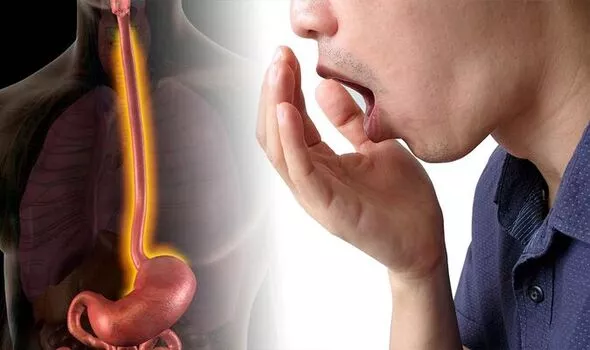
When home remedies are not enough, a doctor may recommend the following treatments depending on the underlying cause:
| Underlying Cause | Medical Treatment |
|---|---|
| H. pylori infection | Triple antibiotic therapy |
| GERD | Proton pump inhibitors (PPIs), H2 blockers |
| SIBO | Targeted antibiotics (rifaximin), dietary changes |
| Giardia | Antiparasitic medications (metronidazole) |
| IBS | Dietary therapy, antispasmodics, low-FODMAP diet |
| Gastroparesis | Prokinetic medications, dietary management |
| Lactose intolerance | Lactase enzyme supplements, dairy elimination |
Your doctor will run tests including breath tests, stool tests, blood tests, or endoscopy to identify the exact cause before recommending a treatment plan.
Quick Reference: Sulfur Burp Relief Summary
| Remedy | How It Works | Speed of Relief |
|---|---|---|
| Pepto-Bismol | Neutralizes H2S gas directly | 30 to 60 minutes |
| Ginger tea | Reduces inflammation and gas | 30 to 45 minutes |
| Baking soda water | Neutralizes stomach acid | 15 to 30 minutes |
| Activated charcoal | Absorbs excess gas | 30 to 60 minutes |
| Probiotics | Restores gut bacteria balance | Days to weeks |
| Simethicone (Gas-X) | Breaks up gas bubbles | 30 minutes |
| Apple cider vinegar | Balances stomach acidity | 30 to 60 minutes |
| Dietary changes | Removes sulfur triggers | Days to weeks |
Frequently Asked Questions (FAQs)
Why do my burps smell like rotten eggs all of a sudden?
A sudden change in diet, a new infection like H. pylori or Giardia, or a new medication like Ozempic or Mounjaro can trigger sulfur burps quickly. Track what changed recently in your diet or routine.
Are sulfur burps a sign of something serious?
Occasional sulfur burps are usually harmless. Frequent burps with pain, diarrhea, fever, or weight loss can signal a medical condition that needs attention from a doctor.
Can stress cause rotten egg burps?
Yes. Stress disrupts normal gut function, slows digestion, and can trigger IBS flare-ups, all of which increase hydrogen sulfide gas production and worsen sulfur burps.
How do I get rid of sulfur burps fast?
The fastest relief comes from bismuth subsalicylate (Pepto-Bismol), which neutralizes hydrogen sulfide gas and can reduce the smell within 30 to 60 minutes.
Can sulfur burps be caused by drinking too much water?
No. In fact, drinking more water helps reduce sulfur burps by flushing your digestive tract. Dehydration can actually worsen digestion and increase gas production.
Do sulfur burps mean I have an infection?
Not always. They can be caused by food alone. However, if you also have diarrhea, fever, and stomach pain, an infection like H. pylori or Giardia should be ruled out by a doctor.
Can probiotics help with rotten egg burps?
Yes. Probiotics help restore a healthy balance of gut bacteria, which reduces the activity of sulfate-reducing bacteria responsible for producing hydrogen sulfide gas.
Why do my burps smell like eggs after eating meat?
Red meat, poultry, and fish are rich in sulfur amino acids. When gut bacteria break these down, they release hydrogen sulfide, causing your burps to smell like rotten eggs after a protein-heavy meal.
How long do sulfur burps last?
If caused by something you ate, sulfur burps typically resolve within a few hours to a day. If caused by an infection or medical condition, they may last until the underlying issue is treated.
Can children get sulfur burps?
Yes. Children can develop sulfur burps for the same reasons as adults including diet, infections, and digestive conditions. See a pediatrician if a child has frequent or severe sulfur burps with other symptoms.
Conclusion
Why do my burps smell like rotten eggs? The simple answer is hydrogen sulfide gas produced by gut bacteria breaking down sulfur-rich foods and proteins in your digestive tract.
In most cases, sulfur burps are harmless and easy to manage with the right dietary changes and home remedies. Reducing high-sulfur foods, drinking ginger tea, staying well hydrated, and using Pepto-Bismol when needed are all proven strategies for fast relief.
That said, persistent or frequent sulfur burps that come with pain, diarrhea, or fever should never be ignored. These could point to underlying conditions like H. pylori, GERD, SIBO, or Giardia that need proper medical care.
The good news is that once the root cause is identified, effective treatments are available. Take control of your digestive health today by starting with the simple relief tips shared in this guide, and do not hesitate to consult a doctor if your symptoms persist beyond a few days.
