

Why does water give me heartburn is a question more people are asking than you might think.
Water is supposed to be the safest, most neutral thing you can drink — yet for millions of people, even a simple glass of water triggers that familiar burning sensation in the chest or throat.
If this sounds like you, you are not alone, and there are real, science-backed reasons behind it.
What Is Heartburn and Why Does It Happen?
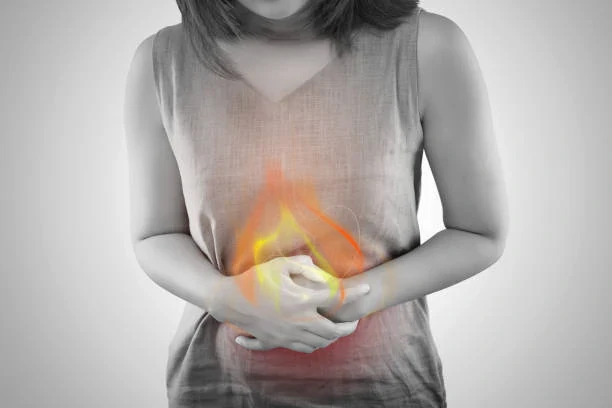
Heartburn is a burning sensation in the chest or throat caused by stomach acid flowing back into the esophagus. It has nothing to do with the heart — the name comes from where you feel the pain.
The key player is the lower esophageal sphincter (LES) — a ring of muscle at the bottom of your esophagus. Its job is to open when you swallow and snap shut right after. When the LES is weak or relaxes at the wrong time, stomach acid escapes upward. That backflow is acid reflux, and the burning it creates is heartburn.
When this happens more than twice a week, doctors classify it as GERD (gastroesophageal reflux disease) — a chronic condition that needs proper management.
Why Does Water Give Me Heartburn? The Core Science
Water itself is pH neutral (around 7.0). It does not produce acid. So how can it cause heartburn?
The problem is not the water — it is what water does to your stomach when consumed in the wrong way or at the wrong time.
Gastric distension is the main culprit. When you drink a large amount of water quickly, your stomach expands to hold the extra volume. That expansion pushes against the LES, forces it open, and allows acid-laden stomach contents to rise into the esophagus.
Research confirms that gastric distension directly increases the exposure of the LES to acidic stomach contents. In people who already have a weakened LES or GERD, even a moderate amount of water can tip things over the edge.
8 Surprising Reasons Water Gives You Heartburn
Reason 1: Drinking Too Much Water Too Fast
Gulping large amounts of water in one go is one of the most common triggers. Your stomach volume increases rapidly, raising internal pressure. That pressure pushes the LES open before it is ready.
Sipping slowly throughout the day is far gentler on the valve. If you chug a full glass in seconds, you are essentially forcing your stomach to expand faster than the LES can compensate.
Reason 2: A Weak or Dysfunctional LES
If your lower esophageal sphincter is already weakened, water does not need to do much to cause reflux. Even a small amount of liquid can nudge the valve open enough for acid to escape.
Age is a major factor. As people get older, digestive muscles — including the LES — naturally weaken. This is why heartburn becomes more common in adults over 40 and in older populations.
Reason 3: Drinking Very Cold Water
Cold water causes the esophageal sphincter to tighten and spasm, which paradoxically can allow acid to slip past. It also makes the stomach work harder to warm the liquid to body temperature, sometimes increasing acid production in the process.
Room temperature water is the safest option for people with reflux. Very hot water has the opposite issue — it can directly irritate the sensitive lining of the esophagus.
Reason 4: Drinking Water During or Right After a Meal
When you drink large amounts of water alongside a meal, two problems arise at once. First, the combined volume of food and water distends the stomach more than food alone would. Second, water can dilute digestive enzymes temporarily, slowing digestion and keeping food in the stomach longer — raising the odds of reflux.
It is better to hydrate between meals rather than during them. Give your stomach space to work.
Reason 5: Drinking Water While Lying Down
Gravity is your friend when it comes to keeping acid in your stomach. When you drink water horizontally — in bed or on the couch — that protective gravitational pull disappears.
Stomach acid can flow sideways or even upward with minimal effort. Always stay upright for at least 30 minutes after drinking a significant amount of water to let your digestive system work with gravity, not against it.
Reason 6: Hard Water or High-Mineral Content
Hard water contains elevated levels of calcium and magnesium. For some people, these minerals interfere with normal stomach function and can stimulate excess acid production.
Tap water in many cities also contains chlorine, chloramines, and fluoride — chemical additives that at certain levels can irritate the digestive lining and contribute to indigestion. Switching to filtered water resolves this for some people entirely.
Reason 7: Carbonated Water or Sparkling Water
Sparkling water and seltzer are among the most overlooked heartburn triggers. The carbon dioxide in carbonated water forms carbonic acid in your stomach. This increases gastric distension and triggers transient LES relaxation — meaning the valve pops open briefly but frequently, letting acid escape repeatedly.
If you love sparkling water, switching to still water may be one of the simplest changes you can make to reduce heartburn immediately.
Reason 8: Underlying GERD or Hiatal Hernia
People with GERD are inherently more sensitive to any change in fluid intake. Their LES is already compromised, and any added pressure — even from a benign source like water — can trigger symptoms.
A hiatal hernia occurs when part of the stomach pushes upward through the diaphragm into the chest cavity. This structural problem weakens the LES and makes acid reflux far more likely regardless of what you eat or drink — including water.
How Water Type Affects Heartburn Risk
Not all water is created equal when it comes to reflux. Here is a quick breakdown:
| Water Type | Heartburn Risk | Why |
|---|---|---|
| Room Temperature Still Water | Low | Neutral, gentle on LES |
| Cold Water | Moderate | Triggers sphincter spasm, increases acid work |
| Very Hot Water | Moderate | Irritates esophageal lining |
| Carbonated / Sparkling Water | High | Forms carbonic acid, causes gas and distension |
| Hard Tap Water | Moderate | High minerals can stimulate acid production |
| Unfiltered Tap Water | Moderate–High | Contaminants may irritate digestive lining |
| Alkaline Water (pH 8–9) | Low–Moderate | May neutralize acid slightly, limited research |
| Filtered Still Water | Low | Removes contaminants, gentler on digestion |
Who Is Most at Risk of Water-Induced Heartburn?

Some people are significantly more likely to experience heartburn from water than others. Understanding your risk profile helps you take the right precautions.
People with GERD are the highest-risk group. Their LES is already compromised and any additional pressure can trigger reflux, including from something as simple as water.
People with a hiatal hernia face structural challenges that make it easier for acid to travel upward regardless of what they consume.
Older adults experience natural weakening of the LES and other digestive muscles, increasing susceptibility to acid reflux from all sources including water.
Overweight and obese individuals carry extra abdominal pressure that constantly pushes on the stomach. Even drinking water can push that pressure over the threshold needed to trigger reflux.
Pregnant women experience similar abdominal pressure from the growing uterus, and hormonal changes further relax the LES during pregnancy.
People on certain medications — including antihistamines, calcium channel blockers, blood pressure drugs, and some pain relievers — may have a pharmacologically relaxed LES that makes water-induced reflux more likely.
The Role of Stomach Acid and pH Balance
This is where things get interesting. You might assume that drinking water dilutes stomach acid and therefore reduces heartburn. The reality is more nuanced.
Water does briefly raise the pH of stomach contents — making the stomach temporarily less acidic. But this effect is very short-lived, lasting only a few minutes before acid levels return to normal. There is no scientific evidence that drinking water consistently improves GERD or reduces chronic acid production.
What water CAN do is temporarily soothe the burning sensation in the esophagus by washing some acid back down. This is why many people instinctively reach for water when heartburn hits — it provides short-term comfort even if it does not fix the underlying issue.
Interestingly, some people with heartburn actually have LOW stomach acid (hypochlorhydria) rather than high acid. When acid levels are too low, the LES may not close properly because the sphincter relies on adequate acidity to stay tight. In this case, drinking water dilutes what little acid there is, causing the LES to relax and open — resulting in reflux paradoxically caused by too little acid, not too much.
Drinking Habits That Make Heartburn Worse
Your drinking behavior matters just as much as what you drink. These common habits silently worsen reflux:
Drinking water on a completely empty stomach can trigger discomfort in sensitive individuals. An empty stomach still contains digestive acids, and adding a large volume of liquid can agitate that environment.
Spacing all your water intake into two sittings — morning and evening — is a common habit that overloads the stomach twice a day. Distributing water intake evenly throughout the day is gentler and more effective.
Mixing water with exercise can also contribute. Intense physical activity increases abdominal pressure and can temporarily weaken LES function. Drinking large amounts immediately before or during vigorous exercise raises the risk of reflux.
Drinking water and then lying down immediately is perhaps the highest-risk behavior. This combines the gravitational problem with the volume problem — a double trigger for people already prone to reflux.
What Happens Inside Your Body During Water-Induced Heartburn
When you swallow water, it moves down the esophagus and through the LES into the stomach. The LES opens briefly, water enters, and the valve should close tightly behind it.
If the LES is weak or the stomach is already full, the valve may not close fully. The increased liquid volume expands the stomach walls. That expansion — gastric distension — sends signals that push the LES further open.
Stomach acid, which is always present in the stomach, now has an open pathway into the esophagus. The esophageal lining has no protective mucus layer the way the stomach does. When acid contacts it, the result is immediate burning — heartburn.
The whole process can happen within minutes of drinking water, especially if you consumed it quickly or while lying down.
How to Stop Water From Causing Heartburn: 10 Practical Fixes
Managing water-induced heartburn does not require giving up hydration. These targeted adjustments can make a significant difference.
Sip slowly, do not gulp. Small, consistent sips throughout the day keep gastric volume stable and avoid sudden pressure spikes on the LES.
Switch to room temperature water. Eliminate the cold-water spasm trigger and the hot-water irritation risk simultaneously by keeping your drinking water at room temperature.
Hydrate between meals, not during them. Give your stomach space to process food without the added volume of water competing for the same digestive real estate.
Stay upright after drinking. Gravity is protective. Remain seated or standing for at least 30 minutes after consuming a large amount of water.
Ditch sparkling water. The carbonation alone can trigger LES relaxation and increase reflux frequency. Switch to still water and notice the difference within days.
Invest in a good water filter. Removing chlorine, heavy metals, and other tap water contaminants can reduce the irritant load on your digestive system significantly.
Do not drink right before bed. Your stomach needs time to empty before you lie down. Drinking water 1–2 hours before sleep reduces the risk of nighttime reflux.
Elevate the head of your bed. A 6–8 inch incline uses gravity to keep acid in your stomach throughout the night — especially useful if you drink water before bed.
Track your triggers in a journal. Note when heartburn occurs, how much water you drank, its temperature, and your body position. Patterns often emerge within a week.
Consult a doctor if it persists. Frequent heartburn — more than twice weekly — may point to GERD, a hiatal hernia, or another condition that needs proper diagnosis and treatment.
When to See a Doctor
Occasional water-induced heartburn is manageable with lifestyle tweaks. But certain warning signs mean you should not wait.
See a doctor promptly if you experience heartburn more than twice per week, difficulty swallowing, unexplained weight loss, persistent nausea or vomiting, chest pain that does not go away, or if your heartburn symptoms are not responding to over-the-counter antacids.
These could indicate GERD, a hiatal hernia, or more serious conditions like Barrett’s esophagus — a complication of long-term acid reflux where the esophageal lining changes in ways that increase cancer risk.
Early diagnosis and treatment dramatically improve outcomes. Do not dismiss chronic heartburn as something you simply have to live with.
Alkaline Water: Does It Actually Help?
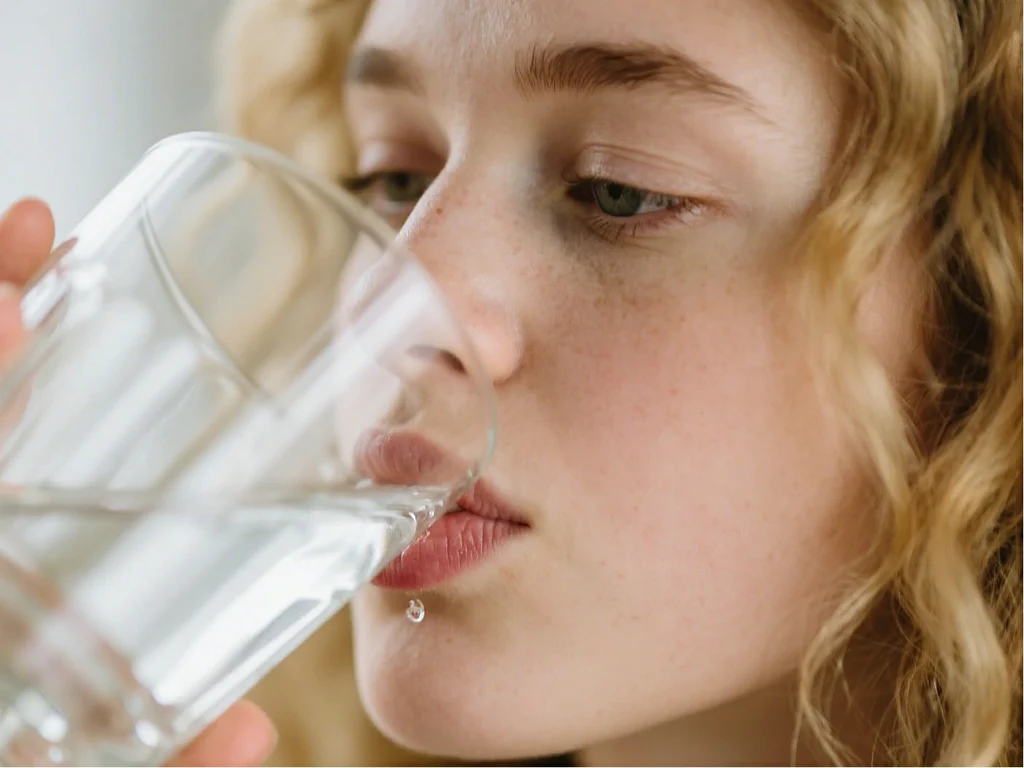
Alkaline water — typically with a pH of 8 to 9 — has gained attention as a possible remedy for acid reflux. The idea is that higher pH water could neutralize stomach acid and reduce heartburn symptoms.
Some preliminary research suggests alkaline water may reduce the activity of pepsin, the enzyme linked to acid reflux damage, and could temporarily raise gastric pH. However, the evidence is not strong enough for mainstream medical recommendations, and large-scale clinical trials are still needed.
That said, alkaline water is unlikely to cause harm and some people report feeling better with it. If you want to try it, treat it as a complementary measure alongside proven lifestyle changes — not a standalone cure.
Heartburn vs. Water Brash: Know the Difference
Water brash is a specific GERD symptom that gets confused with heartburn. It occurs when stomach acid travels up into the throat and triggers the salivary glands to overproduce saliva — leaving a sudden rush of watery, acidic liquid in the mouth.
The sensation can feel like you have been flooded with water in your throat, often accompanied by a sour or bitter taste. It is not the same as heartburn, though both are GERD symptoms.
If you experience water brash alongside heartburn, it is a sign that your GERD needs medical attention. Over-the-counter antacids may not be sufficient — you may need prescription proton pump inhibitors or H2 blockers.
Foods and Lifestyle Factors That Compound the Problem
Even if water is your trigger, what you eat and how you live significantly amplifies the issue. These factors weaken the LES or increase acid production:
High-fat and fried foods delay gastric emptying, keeping food in the stomach longer and increasing the chance of reflux from any liquid — including water.
Caffeine and alcohol both relax the LES directly. If you drink coffee or alcohol alongside water, the combined effect on your sphincter is worse than either would cause alone.
Smoking weakens the LES over time and reduces saliva production — saliva normally helps neutralize acid in the esophagus.
Stress increases cortisol levels which can slow digestion and heighten sensitivity to pain, making reflux feel more intense even when acid levels are not elevated.
Tight clothing around the abdomen increases pressure on the stomach and can squeeze acid upward, especially when combined with drinking water.
A Simple Daily Hydration Plan for Heartburn Sufferers
| Time of Day | Recommendation |
|---|---|
| Morning (wake up) | 1 small glass of room temp water, sip slowly |
| Before breakfast | Wait 30 min after waking, then eat |
| Mid-morning | Sip 1–2 glasses of still, filtered water |
| Lunch | Minimal water during meal; hydrate 30 min before |
| Afternoon | Steady sipping of 2–3 glasses between meals |
| Evening meal | Minimal water during eating |
| After dinner | 1 glass of water, then stay upright for 30 min |
| Before bed | Stop drinking water 1–2 hours before sleep |
Following this pattern spreads your hydration evenly, avoids overloading the stomach, and respects the LES at its most vulnerable moments.
Summary: Key Reasons Water Gives You Heartburn
The answer to “why does water give me heartburn” almost always comes down to one or more of these factors:
The LES is weakened by age, obesity, medications, or a structural problem like a hiatal hernia. The water is consumed too fast, in too large a volume, or at an extreme temperature. The water contains carbonation, high mineral content, or chemical contaminants. The timing is wrong — during a meal, immediately after eating, or right before lying down. An underlying condition like GERD makes the digestive system hypersensitive to any added liquid volume.
Identifying your specific trigger within this list is the fastest path to relief.
Frequently Asked Questions (FAQs)
Can water actually cause heartburn?
Yes, it can — particularly in people with a weak LES, GERD, or a hiatal hernia. The main mechanism is gastric distension from drinking too much water too fast.
Why does cold water give me heartburn specifically?
Cold water can cause the esophageal sphincter to spasm and forces the stomach to work harder to warm the liquid, sometimes increasing acid production in the process.
Is sparkling water worse than still water for reflux?
Yes. Carbonation forms carbonic acid and causes gas that distends the stomach, triggering frequent transient LES relaxation and increasing reflux episodes significantly.
Does alkaline water help with heartburn?
Some preliminary research suggests it may reduce pepsin activity and temporarily neutralize acid, but evidence is not strong enough for a firm medical recommendation yet.
Why does water give me heartburn but soda does not?
Soda often masks symptoms short-term with sugar or caffeine, but it usually worsens GERD long term. Your perception of symptoms may differ based on how fast you drink each one.
Can drinking water on an empty stomach cause heartburn?
Yes. An empty stomach still contains digestive acids and adding water rapidly can agitate that environment, especially if you have a sensitive or weakened LES.
Is water-induced heartburn a sign of GERD?
It can be. If water consistently triggers heartburn, it may indicate your LES is already compromised, which is a hallmark of GERD — worth discussing with a doctor.
Should I stop drinking water if it causes heartburn?
No. Reducing hydration is not the solution. Focus on changing how, when, and what type of water you drink rather than reducing overall intake.
How long does water-induced heartburn last?
Usually 30 minutes to 2 hours. Antacids can shorten this. If symptoms persist beyond 2 hours or happen daily, consult a healthcare provider.
Does the pH of tap water affect heartburn?
It can. Some tap water leans acidic or contains contaminants that irritate the digestive lining. Filtered or slightly alkaline water may be gentler for reflux-prone individuals.
Conclusion
Why does water give me heartburn is a question with a surprisingly detailed answer. Water itself is not the villain — it is how you drink it, what type it is, when you drink it, and what your underlying digestive health looks like that determines whether a simple glass becomes a burning problem.
A weak lower esophageal sphincter, gastric distension from drinking too fast, cold or carbonated water, drinking during meals, and conditions like GERD or hiatal hernia are all contributing factors.
The good news is that most of these are manageable with practical, straightforward lifestyle changes. Sip slowly, choose room temperature still water, hydrate between meals, stay upright after drinking, and consult a doctor if symptoms persist. Your digestive system can handle proper hydration — it just needs the right conditions to do so comfortably.
