

Why does the top of my mouth hurt is a question more people ask than you might think. The roof of your mouth, known as the palate, is covered in delicate tissue that reacts quickly to heat, injury, infection, and disease.
Pain in this area can range from a mild annoyance to a sharp, lingering discomfort that makes eating or speaking difficult. Understanding the exact cause helps you choose the right treatment fast.
What Is the Roof of the Mouth Called?
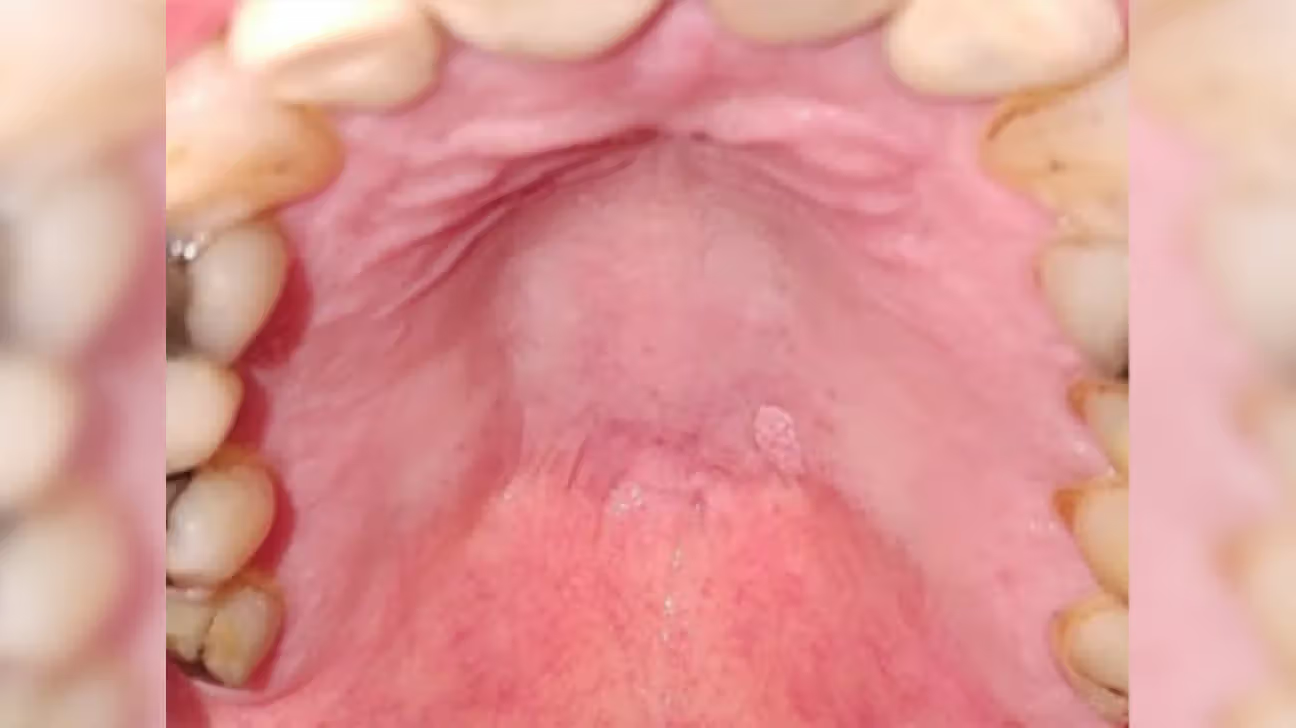
The roof of the mouth is medically called the palate. It has two distinct sections that serve different functions.
The Hard Palate is the bony front portion. It is rigid, covered by a thin layer of mucous membrane, and forms the main roof of your mouth. Most pain from burns, sores, or bony growths occurs here.
The Soft Palate is the flexible, muscular back portion. It helps with swallowing and speaking. Infections, strep throat, and viral conditions often affect this region.
| Part | Location | Tissue Type | Common Issues |
|---|---|---|---|
| Hard Palate | Front 2/3 of roof | Bone + mucous membrane | Burns, canker sores, torus palatinus |
| Soft Palate | Back 1/3 of roof | Muscle + soft tissue | Infections, strep, cold sores |
Why Does the Top of My Mouth Hurt? 12 Expert-Identified Causes
1. Burns from Hot Food or Drinks
Eating hot pizza, soup, or sipping boiling coffee is the single most common reason the top of your mouth hurts. The tissue on the palate is extremely thin and sensitive to sudden heat exposure.
A thermal burn can cause immediate pain, swelling, and even blistering. The discomfort often lingers for two to five days even after the heat source is gone.
Relief tip: Suck on ice chips, rinse with cool water, and avoid spicy or acidic foods while the tissue heals.
2. Canker Sores (Aphthous Ulcers)
Canker sores are small, shallow ulcers that develop on the soft tissues inside the mouth, including the roof. They appear as round white or yellow lesions with a red border and can be quite painful.
They are triggered by stress, minor mouth injuries, hormonal changes, certain foods, or immune responses. Unlike cold sores, canker sores are not contagious.
Most canker sores heal on their own within 7 to 10 days. If a sore lasts longer than two weeks, see your dentist.
3. Cold Sores (Fever Blisters)
Cold sores are caused by the herpes simplex virus (HSV-1). While they typically appear on the lips, they can develop on the roof of the mouth, causing sharp pain and tingling.
They are contagious and often triggered by stress, illness, fatigue, or sun exposure. Early antiviral treatment helps reduce their severity and duration.
Symptoms: Tingling or burning sensation, small fluid-filled blisters, soreness when eating or drinking.
4. Oral Thrush (Fungal Infection)
Oral thrush is an overgrowth of the Candida fungus inside the mouth. It produces raised, creamy-white or pale-yellow patches on the palate, tongue, and cheeks.
It is more common in people who take antibiotics, use corticosteroid inhalers, or have a weakened immune system. Prescription antifungal medications treat it effectively.
Warning signs: White patches that bleed when scraped, altered taste, pain when swallowing.
5. Sinus Infection (Sinusitis)
The maxillary sinuses sit directly above the upper back teeth, separated from the roof of the mouth by a thin layer of bone. When these sinuses become inflamed, the pressure radiates downward into the palate.
This is why many people feel roof-of-mouth pain during or after a cold. The pain usually resolves once the sinus infection clears.
Accompanying symptoms: Nasal congestion, postnasal drip, cheekbone pressure, reduced sense of smell.
6. Dental Issues (Abscess, Gum Disease, Ill-Fitting Appliances)
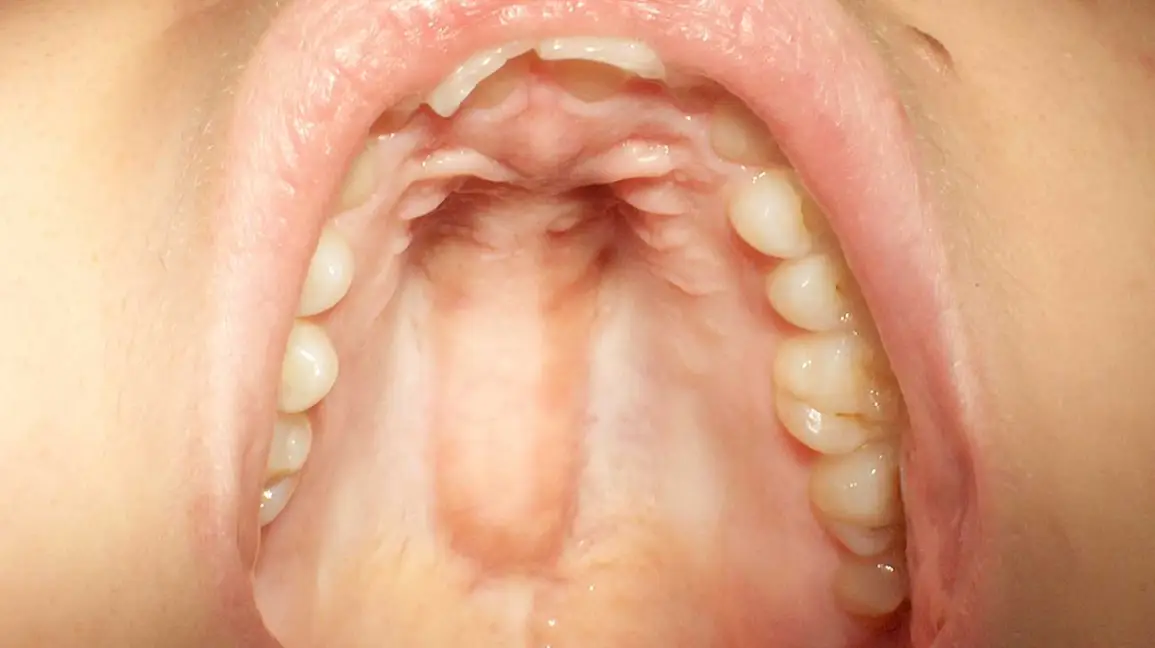
A dental abscess is a pocket of infection near the root of a tooth. The pain from an abscess can radiate upward and make the entire roof of the mouth feel tender.
Advanced gum disease causes inflammation that can spread beyond the gumline to the upper palate. Ill-fitting dentures, braces, or retainers can also create friction and sores on the hard palate.
| Dental Cause | Key Symptom | Urgency Level |
|---|---|---|
| Dental abscess | Throbbing pain, fever, swelling | High – see dentist immediately |
| Gum disease | Bleeding gums, bad breath | Moderate – schedule appointment |
| Ill-fitting dentures | Friction sores, rubbing | Moderate – adjust appliance |
| Braces/retainers | Pressure sores on palate | Low – use orthodontic wax |
7. Torus Palatinus (Bony Growth)
Torus palatinus is a benign bony growth that forms along the midline of the hard palate. It affects roughly 20 to 30 percent of the adult population.
Most people never feel any pain from it. However, if the overlying thin tissue is scraped by sharp food or irritated by a dental appliance, the area can become sore and slow to heal.
It is not cancerous and does not require treatment unless it interferes with eating, speaking, or denture fitting.
8. Burning Mouth Syndrome
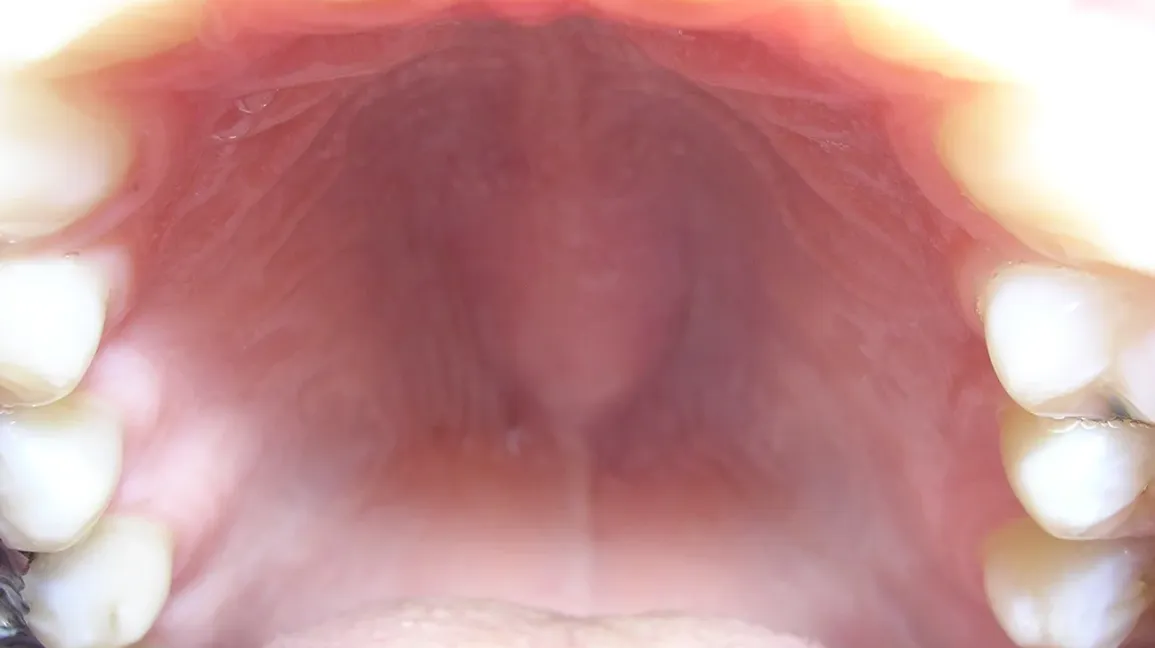
Burning mouth syndrome (BMS) is a chronic condition characterized by a burning, scalding, or tingling sensation in the mouth, including the roof. It often has no visible cause.
Primary BMS is linked to nerve damage. Secondary BMS can result from hormonal changes, dry mouth, nutritional deficiencies, or allergic reactions to dental products.
Key fact: Pain from BMS often worsens throughout the day and may be temporarily relieved by eating or drinking.
9. Dry Mouth (Xerostomia)
Saliva plays a vital protective role in the mouth. When saliva production drops due to medications, dehydration, or conditions like Sjögren’s syndrome, the palate tissue becomes dry, irritated, and painful.
Dry mouth also increases your risk of oral infections because saliva naturally controls bacterial and fungal growth. Staying well hydrated and using saliva-stimulating products can help.
10. Food Allergies and Sensitivities
Some people experience palate irritation after eating certain foods. This is known as oral allergy syndrome, where the immune system reacts to proteins in specific raw fruits, vegetables, or nuts.
Symptoms include tingling, itching, or swelling of the mouth and throat shortly after eating the trigger food. Cooked versions of the same foods often cause no reaction.
11. Nutritional Deficiencies
Low levels of iron, vitamin B12, folate, or zinc are strongly linked to recurring mouth sores and inflammation. These nutrients are essential for maintaining healthy oral tissue and immune function.
If you frequently get unexplained canker sores or a sore palate, a blood test to check your nutrient levels is a smart first step.
12. Oral Cancer (Rare but Important)
In rare cases, persistent, unexplained pain in the roof of the mouth can be a sign of oral cancer. This should not cause panic, but it should not be ignored.
Warning signs to take seriously:
- A sore or lump that does not heal within two weeks
- White or red patches (leukoplakia or erythroplakia) on the palate
- Unexplained bleeding or numbness in the mouth
- Difficulty swallowing or persistent hoarseness
These symptoms require immediate evaluation by a dentist or oral surgeon.
Symptoms That Accompany Roof-of-Mouth Pain
The additional symptoms you experience alongside palate pain often point directly to the cause.
| Symptom Combination | Likely Cause |
|---|---|
| Pain + white patches | Oral thrush or leukoplakia |
| Pain + tingling/blisters | Cold sores (HSV) |
| Pain + nasal congestion | Sinus infection |
| Pain + fever + tooth pain | Dental abscess |
| Pain + burning all day | Burning mouth syndrome |
| Pain + dry sensation | Dry mouth (xerostomia) |
| Pain + swollen gums | Gum disease or abscess |
| Pain after hot food | Thermal burn |
| Pain + round ulcer | Canker sore |
How to Treat Pain at the Top of the Mouth at Home
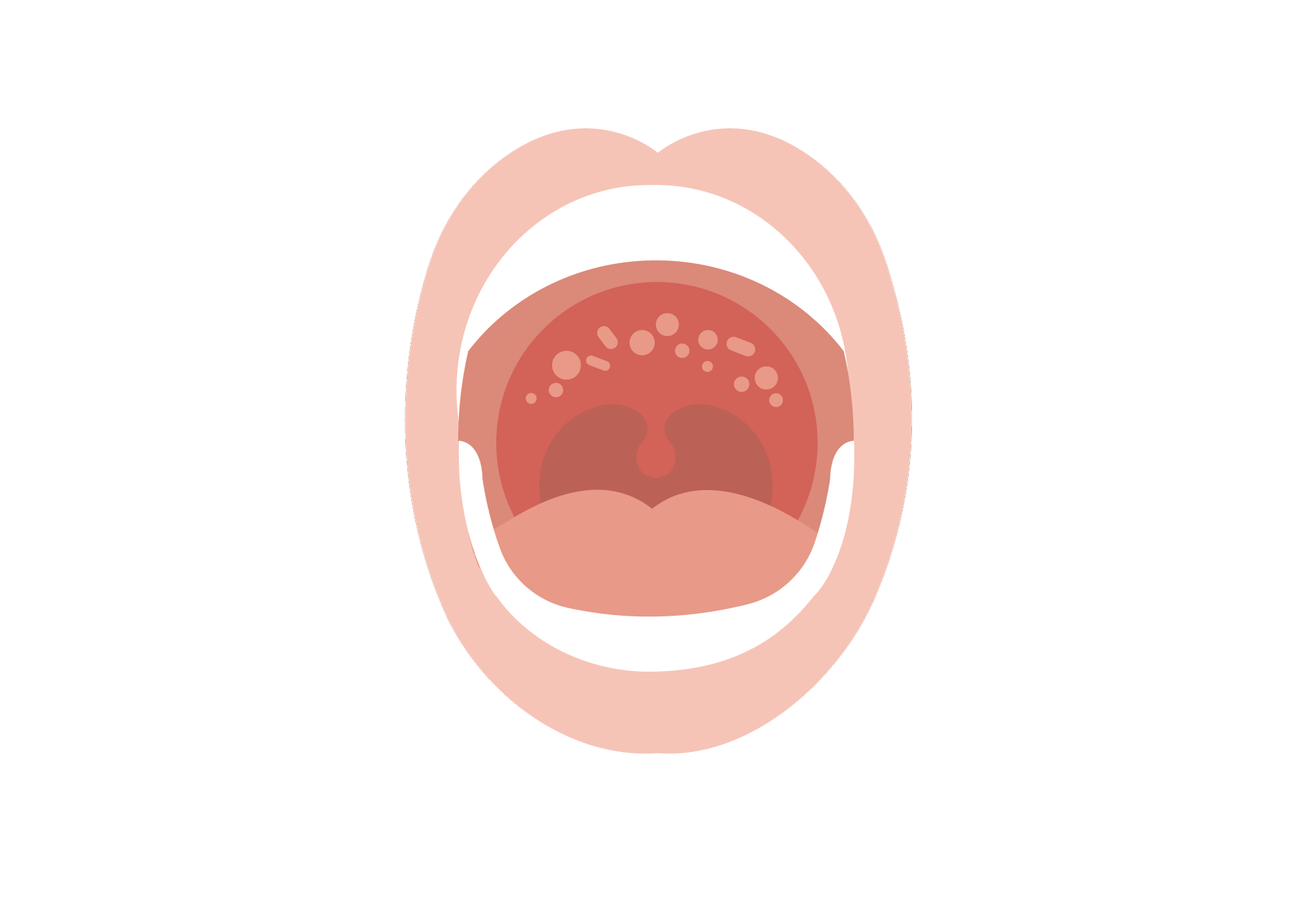
Saltwater Rinse
Mix half a teaspoon of salt in a cup of warm water. Rinse for 30 seconds and spit it out. This reduces inflammation, kills bacteria, and supports tissue healing. Repeat two to three times daily.
Ice and Cool Fluids
Sucking on ice chips or sipping cool water helps numb the area and reduce swelling. This is especially effective right after a burn or during a canker sore flare-up.
Over-the-Counter Oral Gels
Topical gels containing benzocaine (such as Orajel) provide temporary numbing relief. Protective pastes like Orabase can also create a barrier over sores to reduce irritation while eating.
Pain Relievers
Ibuprofen or acetaminophen can reduce both pain and inflammation. Always follow the recommended dosage on the label.
Dietary Adjustments
Avoid spicy, acidic, salty, crunchy, or very hot foods while your palate heals. Opt for soft, bland foods like yogurt, mashed potatoes, smoothies, and oatmeal.
Foods to Eat and Avoid When Your Palate Hurts
| Eat These | Avoid These |
|---|---|
| Yogurt | Hot coffee or tea |
| Mashed potatoes | Spicy curries or sauces |
| Smoothies | Citrus fruits (lemons, oranges) |
| Oatmeal | Crunchy chips or crackers |
| Cool water | Alcohol-based mouthwash |
| Soft-cooked vegetables | Salty snacks |
| Pudding or custard | Pizza (hot cheese burns) |
When to See a Dentist or Doctor
Most causes of roof-of-mouth pain are minor and resolve within a few days. However, certain signs indicate you need professional help.
See a dentist or doctor if:
- Pain lasts more than two weeks without improvement
- You notice white or red patches that do not go away
- You have fever, swelling, or difficulty swallowing
- Pain is severe enough to interfere with eating or speaking
- You find a new lump or growth on the roof of your mouth
- Home remedies are not providing any relief
Do not ignore persistent symptoms. Early evaluation is always the safest approach.
How Long Does Roof-of-Mouth Pain Usually Last?
The healing timeline depends entirely on the cause.
| Cause | Average Healing Time |
|---|---|
| Thermal burn | 3 to 7 days |
| Canker sore | 7 to 14 days |
| Cold sore | 7 to 10 days |
| Oral thrush (with medication) | 7 to 14 days |
| Dental abscess (treated) | Days to weeks |
| Sinus infection | Clears with sinus treatment |
| Torus palatinus (irritated) | Slow to heal due to thin tissue |
Expert Tips for Preventing Roof-of-Mouth Pain
Cool Your Food and Drinks
Always test the temperature of food and drinks before taking a full bite or sip. Hot pizza cheese and soup are the top culprits for thermal burns on the palate.
Maintain Good Oral Hygiene
Brush gently twice daily with a soft-bristled toothbrush. Floss daily and use an alcohol-free mouthwash. Good hygiene prevents infections that can travel to the palate.
Stay Hydrated
Drink at least 8 glasses of water per day. Proper hydration keeps saliva flowing, which naturally protects your oral tissue from bacteria, fungi, and irritation.
Eat a Nutrient-Rich Diet
Include iron, B12, zinc, and folate in your daily diet. These nutrients are critical for oral tissue health and immune defence against recurring mouth sores.
Manage Stress
Stress is a proven trigger for canker sores and cold sore outbreaks. Regular exercise, quality sleep, and relaxation techniques reduce the frequency of stress-triggered flare-ups.
Attend Regular Dental Check-Ups
Visit your dentist at least twice a year. Routine check-ups catch early signs of gum disease, infections, and abnormal growths before they cause significant pain.
Why Does the Top of My Mouth Hurt After Eating?
Pain that starts specifically during or after meals usually points to one of these causes: a thermal burn from hot food, mechanical irritation from sharp or crunchy foods, canker sore aggravation from acidic or spicy food, or a food allergy triggering oral allergy syndrome.
Pay attention to which foods trigger or worsen the pain. Keeping a short food diary for a week can help your dentist identify patterns and pinpoint the cause quickly.
Why Does the Top of My Mouth Hurt When I Swallow?
Swallowing pain in the palate area is often linked to infections. Strep throat, oral thrush, or cold sores on the soft palate can all make swallowing uncomfortable. A dental abscess radiating upward can also cause this sensation. If the pain is severe or accompanied by a fever, seek medical attention promptly.
Why Does the Top of My Mouth Hurt in the Morning?
Morning-specific palate pain is commonly linked to dry mouth overnight, mouth breathing during sleep, or grinding your teeth (bruxism). Saliva production drops during sleep, leaving the tissue more vulnerable to dryness and irritation. Using a humidifier, staying hydrated before bed, and wearing a night guard for bruxism can all reduce morning palate soreness.
Frequently Asked Questions (FAQs)
Q1. Why does the top of my mouth hurt suddenly?
Sudden palate pain most often comes from a thermal burn caused by hot food or drink. It can also be triggered by accidentally biting the roof of your mouth or the sudden onset of a canker sore or cold sore.
Q2. Can a sinus infection cause roof-of-mouth pain?
Yes. The maxillary sinuses sit directly above the upper palate, and sinus pressure or infection can radiate downward as palate pain. The pain typically resolves when the sinus infection is treated.
Q3. How long does a burn on the roof of the mouth take to heal?
A minor thermal burn on the palate usually heals within 3 to 7 days. Keeping the area clean, avoiding irritating foods, and rinsing with saltwater helps speed up recovery.
Q4. Is a sore roof of mouth a sign of oral cancer?
Rarely. Most palate pain is caused by minor, treatable conditions. However, a sore or lesion that does not heal within two weeks, or white and red patches that persist, should be evaluated by a dentist to rule out oral cancer.
Q5. Can stress cause the top of my mouth to hurt?
Yes. Stress is a well-known trigger for canker sores and cold sores, both of which can cause significant palate pain. Stress also weakens the immune system, making fungal and viral infections more likely.
Q6. What does oral thrush look like on the roof of the mouth?
Oral thrush appears as raised, creamy-white or pale-yellow patches on the palate, tongue, and cheeks. The patches may bleed slightly when scraped and are often accompanied by a change in taste.
Q7. Can dry mouth cause pain on the roof of the mouth?
Yes. When saliva production is low, the delicate palate tissue becomes dry and irritated. This leads to soreness, increased sensitivity, and a higher risk of oral infections.
Q8. Why does the top of my mouth hurt when I wake up?
Overnight dry mouth, mouth breathing, or nighttime teeth grinding (bruxism) are the most common causes of morning palate pain. Using a humidifier and staying hydrated before bed can help.
Q9. When should I see a doctor for roof-of-mouth pain?
See a doctor or dentist if pain lasts more than two weeks, if you have a fever or swelling, if swallowing is difficult, or if you notice persistent white or red patches or an unexplained lump on your palate.
Q10. Can nutritional deficiencies cause roof-of-mouth pain?
Yes. Deficiencies in iron, vitamin B12, folate, and zinc are directly linked to recurring mouth sores, inflammation, and poor tissue healing. A simple blood test can identify these deficiencies.
Conclusion
Why does the top of my mouth hurt is not a question with a single answer. As this guide shows, the causes range from everyday thermal burns and canker sores to infections, dental issues, sinus pressure, nutritional gaps, and in rare cases, more serious conditions.
The good news is that most causes of palate pain are temporary and respond well to simple home remedies like saltwater rinses, cool fluids, and soft foods.
Prevention is equally important: cooling your food before eating, staying hydrated, maintaining solid oral hygiene, and managing stress all reduce the frequency of palate discomfort.
However, if your pain lasts longer than two weeks, comes with fever or swelling, or shows signs like unexplained white patches or a persistent lump, do not delay. See a dentist or doctor promptly.
Early evaluation is the most effective way to protect your oral health, relieve your discomfort, and rule out anything more serious.
