

Why does the side of my tongue hurt This is one of the most searched oral health questions in 2026.
The sides of the tongue are extremely sensitive because they sit right against your teeth and are in constant motion every time you eat, drink, or speak.
Side tongue pain can range from a minor bite injury that heals in days to a persistent ache that signals something deeper.
Knowing the exact cause helps you find fast relief and decide when to see a dentist.
What Makes the Sides of the Tongue So Vulnerable?
The tongue is one of the hardest-working muscles in the human body. It helps you chew, swallow, taste, and talk all day without a break.
The lateral edges — the sides — sit directly against your upper and lower molars. They rub against tooth surfaces constantly during eating and speaking.
This constant contact makes the sides of the tongue the most likely spot for cuts, ulcers, soreness, and irritation compared to any other part of the tongue.
Common Causes of Side Tongue Pain
Understanding the root cause of your pain is the first step toward lasting relief. The causes range from everyday accidents to underlying health conditions.
Accidental Biting
Accidentally biting the side of your tongue is one of the most frequent causes of sudden pain. It often happens while eating quickly, chewing gum, or talking during a meal.
The bite creates a small wound or bruise on the tongue’s lateral edge. The area swells, stings when touched by food or drinks, and can feel tender for several days.
Minor bites heal on their own within 3 to 7 days without any treatment needed.
Canker Sores (Aphthous Ulcers)
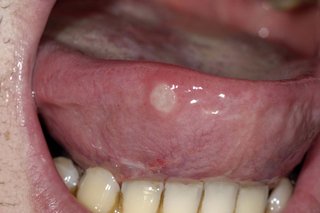
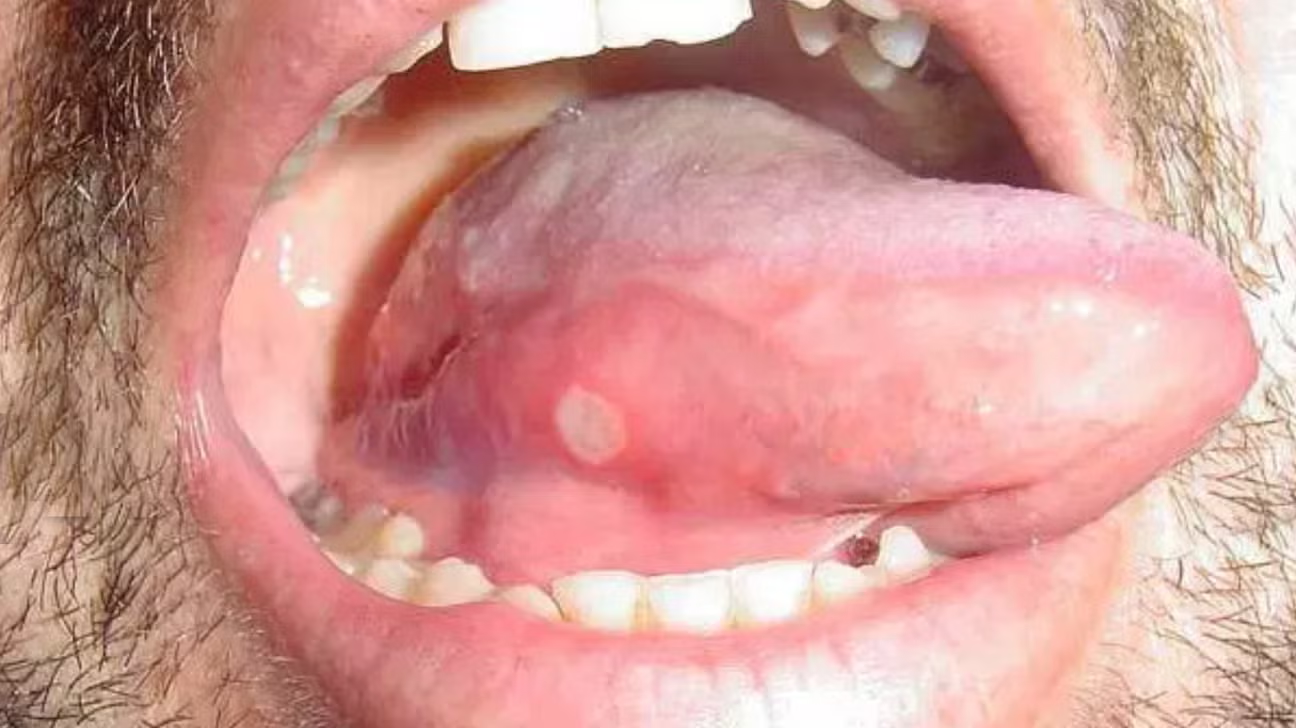
Canker sores are small, round ulcers that appear inside the mouth, including along the sides of the tongue. They look white or yellow with a red border and feel intensely painful.
The exact cause is not always known, but stress, hormonal changes, acidic foods, and vitamin deficiencies are common triggers.
Most canker sores heal within 7 to 14 days without treatment. Recurring sores may signal a nutrient deficiency or immune issue worth investigating.
Sharp Teeth, Fillings, or Dental Appliances
A chipped tooth, rough filling, broken crown, or ill-fitting dental appliance can scrape the side of your tongue repeatedly. Even a small rough edge can cause chronic irritation that never fully heals.
Braces, retainers, and dentures are especially common culprits. The tongue tissue stays inflamed as long as the source of friction remains.
A dentist can smooth sharp edges or adjust appliances to stop the ongoing damage immediately.
Oral Thrush (Fungal Infection)
Oral thrush is a yeast infection caused by an overgrowth of Candida albicans. It causes white patches, redness, and soreness on the tongue, including along its sides.
It is more common in people with weakened immune systems, diabetes, or those who use corticosteroid inhalers or antibiotics frequently.
Treatment involves antifungal medications like nystatin oral suspension or fluconazole tablets prescribed by a doctor.
Canker Sore vs. Oral Thrush at a Glance
| Feature | Canker Sore | Oral Thrush |
|---|---|---|
| Appearance | White/yellow with red border | White patches, can be wiped off |
| Cause | Stress, diet, deficiency | Candida fungal overgrowth |
| Location | Sides, tip, base of tongue | Tongue surface, cheeks, palate |
| Treatment | Heals on its own | Antifungal medication |
| Contagious | No | Can spread to others |
Herpes Simplex Virus (Cold Sores on Tongue)
The herpes simplex virus can occasionally cause painful blisters or ulcers on the side of the tongue. These tend to appear in clusters and feel more intense than a regular canker sore.
Cold sore outbreaks on the tongue may be triggered by stress, illness, or sun exposure. They usually resolve within 1 to 2 weeks on their own.
Antiviral medications like acyclovir or valacyclovir reduce the severity and duration of outbreaks significantly when started early.
Vitamin and Mineral Deficiencies
Low levels of vitamin B12, iron, folate, or zinc can cause the tongue to become inflamed, sore, and tender. This condition is called glossitis.
The sides of the tongue are especially affected because they make the most contact with teeth and absorb the most friction daily.
A blood test can confirm a deficiency, and supplements or dietary changes bring noticeable improvement within weeks.
Key Nutrients and Their Role in Tongue Health
| Nutrient | Effect When Low | Food Sources |
|---|---|---|
| Vitamin B12 | Soreness, burning, glossitis | Meat, eggs, dairy, fortified cereals |
| Iron | Smooth, pale, sore tongue | Red meat, spinach, lentils |
| Folate (B9) | Inflammation, redness | Leafy greens, beans, avocado |
| Zinc | Taste changes, soreness | Nuts, seeds, shellfish, whole grains |
Geographic Tongue
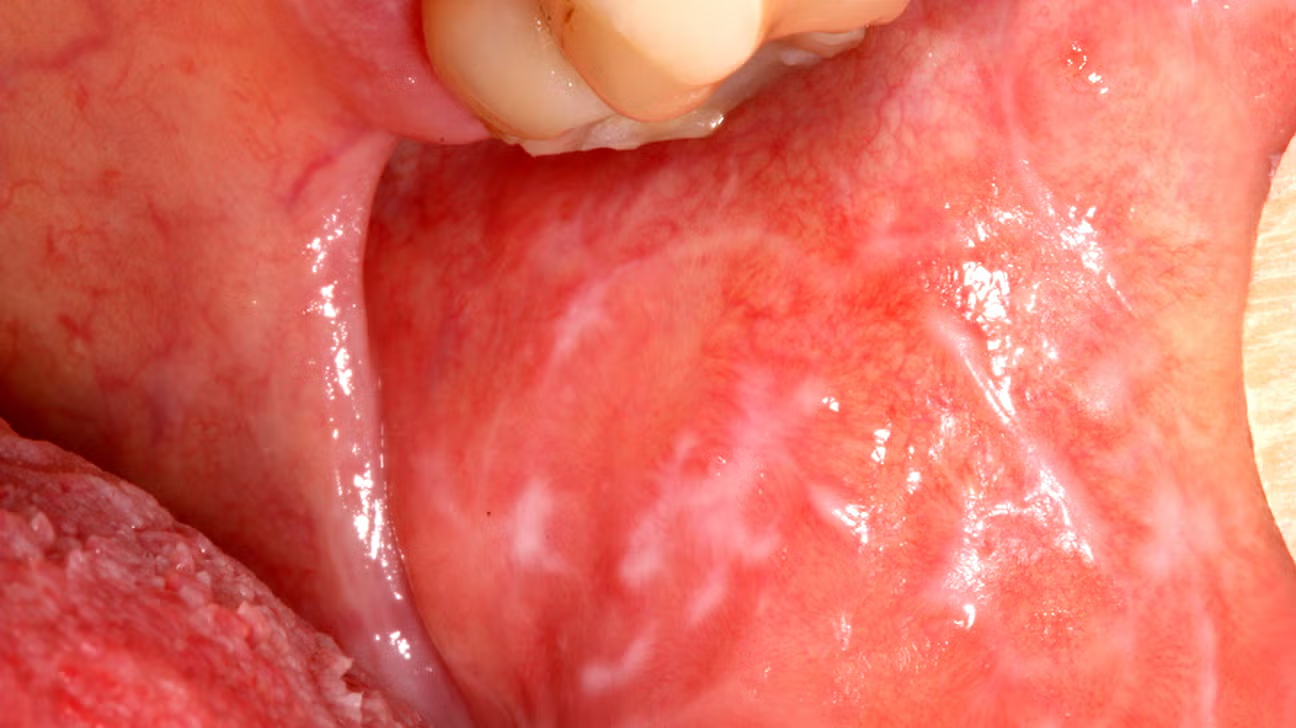
Geographic tongue is a harmless condition where smooth, red patches appear on the tongue’s surface, replacing the normal tiny bumps called papillae. The patches can shift in location from day to day.
While not dangerous or cancerous, geographic tongue can cause sensitivity and soreness along the sides, especially when eating spicy, acidic, or salty foods.
There is no cure, but avoiding trigger foods and using over-the-counter pain relief helps manage the discomfort effectively.
Burning Mouth Syndrome
Burning mouth syndrome (BMS) causes a continuous burning or stinging sensation in the tongue, lips, gums, or the entire mouth without any visible injury. It is more common in middle-aged and older adults, especially women after menopause.
Possible causes include hormonal changes, nutritional deficiencies, dry mouth, nerve damage, or anxiety. The exact trigger is often difficult to pinpoint.
Capsaicin rinses, clonazepam, and alpha-lipoic acid supplements have shown some effectiveness in managing burning mouth syndrome symptoms over time.
Acid Reflux and GERD
Stomach acid that travels up into the mouth from gastroesophageal reflux disease (GERD) can burn and irritate the delicate mucosa along the tongue edges. The soreness is often worse in the mornings and after lying down.
Many people do not connect their tongue pain to acid reflux because the link is not obvious. If side tongue pain is worse after meals or at night, GERD may be a key cause to explore.
Managing reflux through diet changes, elevating the head during sleep, and antacid medication usually reduces tongue irritation noticeably within days.
Teeth Grinding (Bruxism)
Grinding your teeth at night puts excessive pressure on your jaw and tongue muscles. The sides of the tongue get pressed and scraped against the teeth repeatedly during sleep without you realizing it.
Many people do not know they grind their teeth until symptoms like jaw pain, headaches, or tongue soreness become noticeable. Stress is one of the most common triggers for bruxism.
A custom night guard fitted by your dentist protects the tongue and teeth during sleep from any further damage.
Oral Allergy Syndrome
Some people experience tongue irritation and pain as part of oral allergy syndrome, a reaction to raw fruits, vegetables, or tree nuts. The reaction usually occurs within minutes of eating the trigger food.
Common triggers include apples, peaches, celery, carrots, and almonds. The pain is temporary and usually fades quickly after swallowing or rinsing the mouth.
If reactions are severe or include any swelling of the throat, carrying an epinephrine auto-injector is strongly recommended by doctors.
Food and Chemical Irritants
Spicy foods, citrus fruits, very hot beverages, and acidic sauces can burn or inflame the tongue’s delicate tissue. The pain is usually temporary but can linger for days if the tissue was already irritated.
Certain toothpastes containing sodium lauryl sulfate (SLS), alcohol-based mouthwashes, or dental materials can also cause allergic reactions or sensitivity on the tongue’s surface.
Switching to SLS-free toothpaste and alcohol-free mouthwash often resolves this type of chemical irritation quickly.
Oral Cancer (Rare but Important to Know)
In rare cases, a persistent sore on the side of the tongue that does not heal within two weeks could indicate oral cancer. This is more common in people who smoke, use tobacco, or drink heavily over time.
Early-stage oral cancer may not cause pain, making visual changes like a lump, thickened patch, or unusual sore the main warning sign. Never ignore a sore that refuses to heal.
See a dentist or doctor immediately if a tongue sore lasts longer than two weeks, especially if it comes with a lump, difficulty swallowing, or unexplained weight loss.
Warning Signs That Require Immediate Attention
Most tongue pain is harmless, but certain symptoms should never be ignored. Seek professional care right away if you notice any of the following.
A sore on the side of your tongue that has not healed after two full weeks is a strong reason to see a dentist. A visible lump, thickened patch, or raised area on the tongue is another important warning sign.
Tongue pain accompanied by fever, swollen lymph nodes in the neck, or difficulty swallowing requires prompt medical evaluation. White or red patches that cannot be wiped off with a cloth also need professional assessment.
Any unexplained bleeding from the tongue, pain that keeps getting progressively worse, or difficulty moving the tongue normally should be evaluated without delay.
Home Remedies for Side Tongue Pain
Most minor tongue pain responds well to simple home care. These remedies are safe, effective, and easy to do at home without any prescription needed.
Saltwater Rinse
Mix half a teaspoon of salt into a cup of warm water. Swish gently in the mouth for 30 seconds and spit out. Repeat 2 to 3 times daily.
Salt draws out fluid from inflamed tissue, reduces swelling, and kills surface bacteria. It is one of the fastest and most reliable remedies for tongue sores and post-bite pain.
Raw Honey Application
Raw honey has natural antibacterial and anti-inflammatory properties. Apply a small amount directly to the sore spot on the tongue and leave it for a few minutes before rinsing gently.
Honey forms a protective barrier over the wound, reduces pain, and speeds up tissue healing. Manuka honey is especially effective for stubborn oral sores.
Turmeric Paste
Mix a small pinch of turmeric powder with a little honey to create a thick paste. Apply directly to the sore area and leave for a few minutes before rinsing.
Turmeric contains curcumin, a powerful natural anti-inflammatory compound that reduces pain and accelerates recovery from oral ulcers naturally.
Cold Water or Ice Chips
Sipping cold water or gently pressing a small ice chip against the sore tongue provides fast, temporary numbing relief. Cold reduces inflammation and slows nerve signals that carry pain sensations.
This is especially helpful immediately after accidentally biting the tongue or after eating something too spicy or too hot.
Aloe Vera Gel
Food-grade aloe vera gel applied to the tongue soothes inflammation and promotes faster healing of oral tissue. It also carries mild antibacterial properties that reduce infection risk.
Use pure aloe vera gel without added colors, fragrance, or alcohol for the best results. Apply 2 to 3 times daily until the soreness fully fades.
Over-the-Counter Numbing Gels
Benzocaine-based gels such as Orajel or Anbesol numb the painful area on contact. They are available at any pharmacy without a prescription and work within seconds.
Apply a small amount directly to the sore using a clean fingertip. The numbing effect lasts 20 to 30 minutes and is especially helpful before eating a meal.
Professional Treatment Options
When home remedies do not resolve tongue pain within 7 to 10 days, professional treatment is the right and necessary next step.
Topical Corticosteroids
Triamcinolone in Orabase or prescription-strength dexamethasone rinse reduces severe canker sores, oral lichen planus, and geographic tongue inflammation effectively.
These are prescription-only medications and should be used exactly as directed by a dentist or doctor for a limited and appropriate time period.
Antifungal Medications
Nystatin oral suspension or fluconazole tablets treat oral thrush and eliminate Candida overgrowth on the tongue. Treatment usually lasts 7 to 14 days depending on severity.
Without treatment, oral thrush can spread and become more difficult to manage, especially in people with weakened immune systems or uncontrolled diabetes.
Antiviral Medications
Acyclovir or valacyclovir reduce the severity and duration of herpes simplex virus outbreaks on the tongue. They work best when started at the very first sign of an outbreak.
Your doctor can prescribe daily suppressive antiviral therapy if cold sore outbreaks on the tongue occur frequently throughout the year.
Dental Procedures
If sharp teeth, rough fillings, or dental appliances are causing the tongue irritation, a dentist can smooth rough edges, replace damaged restorations, or adjust the appliance during a single visit.
In cases of teeth grinding (bruxism), a custom-fitted night guard protects the tongue and teeth during sleep from further wear and painful friction.
Vitamin Supplementation
If blood tests confirm a vitamin B12, iron, or folate deficiency, supplements or dietary adjustments correct the deficiency and reduce tongue soreness over the following weeks.
Vitamin B12 injections are sometimes recommended for people who cannot properly absorb B12 through the digestive system due to an underlying condition like pernicious anemia.
How Long Does Side Tongue Pain Last?
| Cause | Typical Healing Time |
|---|---|
| Accidental bite | 3 to 7 days |
| Canker sore | 7 to 14 days |
| Minor food irritation | 1 to 3 days |
| Oral thrush (with treatment) | 7 to 14 days |
| Cold sore (herpes) | 7 to 14 days |
| Dental appliance irritation | Until source is removed or adjusted |
| Vitamin deficiency | Several weeks with supplements |
| Geographic tongue | Recurring, managed with ongoing care |
| Burning mouth syndrome | Ongoing, managed with treatment |
| GERD-related irritation | Improves with acid control measures |
Prevention Tips for a Healthy Tongue
Preventing side tongue pain is far easier than treating it once it develops. Small daily habits make a significant difference over time.
Brush your teeth twice daily and floss once a day to reduce bacterial buildup in the mouth. Use a soft-bristled toothbrush that does not scratch the tongue tissue during brushing.
Scrape your tongue gently every morning to remove bacteria and dead cells that accumulate overnight. A clean tongue is less likely to develop infections or painful ulcers.
Eat a balanced diet rich in vitamin B12, iron, folate, and zinc to keep oral tissues strong and resistant to soreness. Include leafy greens, lean meats, beans, eggs, and nuts regularly in your meals.
Visit your dentist every six months for professional cleanings and oral cancer screenings. Early detection of any concerning lesion dramatically improves treatment outcomes and overall prognosis.
Avoid all tobacco products. Smoking and chewing tobacco damage oral tissue, increase the risk of oral cancer significantly, and slow healing of any existing tongue sores or ulcers.
Limit alcohol consumption and avoid alcohol-based mouthwashes, which dry out oral tissue and increase irritation on sensitive tongue edges. Choose alcohol-free alternatives instead.
Drink plenty of water throughout the day to stay properly hydrated. A dry mouth creates an environment where bacteria and fungi thrive on the tongue’s surface and sides.
Manage stress actively through regular exercise, adequate sleep, and relaxation techniques like deep breathing or meditation. Stress is a major trigger for canker sores, teeth grinding, and burning mouth syndrome.
Frequently Asked Questions (FAQs)
Why does the side of my tongue hurt for no obvious reason?
Pain with no visible cause could be from grinding your teeth at night, a nutritional deficiency, burning mouth syndrome, or early-stage geographic tongue. A dentist can identify the exact cause with a quick examination.
How long does it take for a sore on the side of the tongue to heal?
Minor sores from biting or food irritation heal in 3 to 7 days. Canker sores take 7 to 14 days. Any pain lasting longer than two weeks needs professional evaluation right away.
Can a vitamin deficiency cause the side of my tongue to hurt?
Yes. Low levels of vitamin B12, iron, folate, or zinc cause glossitis, which makes the tongue swollen, sore, and tender, especially along the sides where it contacts teeth most.
Is it normal for braces to make the side of my tongue hurt?
Yes. Braces, wires, and brackets can rub against the tongue and cause sores. Your orthodontist can apply orthodontic wax to rough areas to protect tongue tissue while it toughens up over time.
Can stress cause the side of my tongue to hurt?
Yes. Stress triggers canker sores, worsens teeth grinding (bruxism), and contributes to burning mouth syndrome — all of which cause or worsen lateral tongue pain noticeably.
Should I be worried if only one side of my tongue hurts?
Pain on one side is usually caused by a local irritant like a sharp tooth, canker sore, or bite injury. However, if the pain is persistent, one-sided, and accompanied by any lump, see a dentist promptly.
Can acid reflux cause the side of my tongue to hurt?
Yes. Stomach acid from GERD can reach the mouth and burn the tongue’s lateral edges. The soreness is often worse in the morning or after lying down shortly after eating a meal.
What foods should I avoid when the side of my tongue hurts?
Avoid spicy foods, citrus fruits, very hot beverages, salty snacks, and acidic sauces. These irritate already inflamed tongue tissue and significantly slow down the natural healing process.
Can I use mouthwash when my tongue hurts?
Avoid alcohol-based mouthwashes, which sting and dry out oral tissue further. Use a warm saline rinse or a gentle, alcohol-free mouthwash instead until the soreness has fully resolved.
When should I see a doctor for tongue pain?
See a doctor or dentist if pain lasts more than two weeks, comes with a visible lump or white/red patch, is accompanied by fever, or is getting progressively worse rather than gradually improving.
Conclusion
Why does the side of my tongue hurt — the answer depends on your specific situation, but most causes are treatable and manageable once properly identified.
The most common culprits include accidental bites, canker sores, dental appliance friction, infections like oral thrush, and nutritional deficiencies.
Simple home remedies like saltwater rinses, honey application, and topical numbing gels bring fast relief for most minor cases of tongue pain.
More persistent or severe tongue pain needs professional attention from a dentist or doctor.
Treatments like antifungal medication, topical corticosteroids, dental smoothing procedures, and vitamin supplementation address the root cause effectively and prevent recurrence.
Never ignore a sore that lasts longer than two weeks, comes with a visible lump, or continues to get progressively worse over time.
Prevention remains your most powerful tool against side tongue pain.
Good oral hygiene, a nutrient-rich diet, regular dental visits, effective stress management, and well-fitted dental appliances keep the sides of your tongue healthy and pain-free.
Take the pain seriously, act early, and consult your dentist whenever you are in doubt about a persistent or unusual tongue sore.
