

Why do my gums bleed when I brush my teeth? It is one of the most common dental concerns people search for every day.
Seeing blood in the sink after brushing can feel alarming, but in most cases it is your body sending a clear signal about your oral health.
Sometimes the cause is as simple as brushing too hard. Other times it points to gum disease, a vitamin deficiency, or a systemic health condition. Understanding the exact reason is the first step toward fixing it.
Why Do My Gums Bleed When I Brush My Teeth? Is It Normal for Gums to Bleed When Brushing?
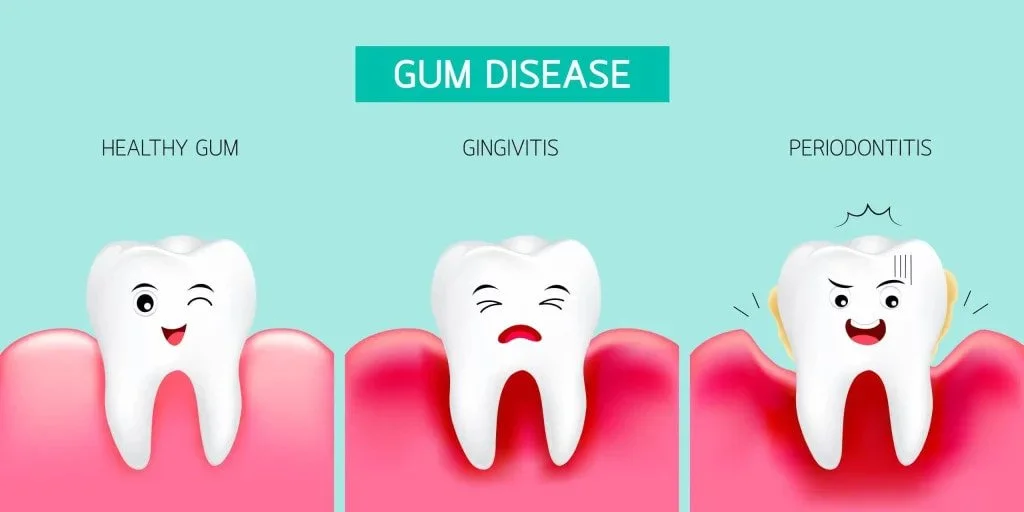
Healthy gums should not bleed during regular brushing. If you notice blood consistently, that is a warning sign worth paying attention to.
Occasional light bleeding from a new flossing routine or a hard food particle is generally harmless. But if your gums bleed when brushing every time or multiple times a week, there is likely an underlying issue driving it.
The good news is that most causes of bleeding gums are treatable, and many are completely reversible with the right care.
The Most Common Reason: Gingivitis
The number one cause of gums that bleed when brushing is gingivitis. Gingivitis is the earliest stage of gum disease and it affects millions of people worldwide.
It happens when plaque, a sticky film of bacteria, builds up along the gum line and is not properly removed. The bacteria in plaque release toxins that irritate the surrounding gum tissue.
Over time the gums become red, swollen, tender, and they bleed easily during brushing or flossing. The good news is that gingivitis is fully reversible when caught early.
Signs You May Have Gingivitis
- Gums that bleed when you brush or floss
- Red or purple-toned gum tissue instead of healthy pink
- Swollen or puffy gums
- Bad breath that does not go away
- Gums that feel tender or sore when touched
If you recognize these signs, contact your dentist. Gingivitis can be resolved with a professional cleaning and improved home care before it progresses into something more serious.
Gingivitis vs Periodontitis: Understanding the Difference
Many people confuse gingivitis with periodontitis. They are related but not the same thing.
| Condition | Stage | Reversible | Main Risk |
|---|---|---|---|
| Gingivitis | Early gum disease | Yes | Progresses to periodontitis |
| Mild Periodontitis | Moderate gum disease | Partially | Bone and tissue damage |
| Advanced Periodontitis | Severe gum disease | No | Tooth loss, jawbone loss |
Gingivitis is the entry point. If left untreated, it advances to periodontitis, which is a serious infection that damages the gums, supporting tissue, and jawbone.
Advanced periodontitis can lead to loose teeth, receding gums, and eventually tooth loss. This is why treating bleeding gums early is so important.
Cause 2: Brushing Too Hard or Using the Wrong Toothbrush
One of the most overlooked reasons for bleeding gums when brushing is aggressive brushing technique. Many people believe that brushing harder means cleaner teeth. That is a myth.
Pressing too hard when brushing can damage delicate gum tissue and cause it to bleed. Using a hard-bristled toothbrush makes this worse by scraping and irritating the gum line.
Switch to a soft-bristled toothbrush and use gentle circular motions at a 45-degree angle to the gum line. Let the bristles do the work, not the pressure.
Replace your toothbrush every three to four months or sooner if the bristles are visibly frayed. Frayed bristles are less effective and can further irritate the gums.
Cause 3: Irregular or New Flossing Habits
If you have not flossed in a while and suddenly start, it is very common for your gums to bleed for the first few days. This does not mean flossing is harming you.
The gums are inflamed from plaque buildup between teeth where your brush cannot reach. Flossing disrupts that buildup and causes temporary bleeding.
With consistent daily flossing, the bleeding should stop within one to two weeks. If it does not stop after two weeks of regular flossing, see your dentist.
Use the proper C-shape technique when flossing. Guide the floss gently between teeth and curve it around each tooth rather than snapping it down hard against the gum line.
Cause 4: Medications That Affect Bleeding
Certain prescription medications can make your gums bleed more easily. This is a side effect that many patients are not warned about.
Blood thinners such as warfarin, aspirin, heparin, and newer anticoagulants reduce the blood’s ability to clot properly. Even minor gum irritation from brushing can result in noticeable bleeding.
Other medications including some seizure drugs, calcium channel blockers for blood pressure, and certain immunosuppressants can cause a condition called gingival hyperplasia. This is where the gum tissue overgrows and becomes more vulnerable to bleeding.
Always tell your dentist about every medication you take. Never stop or change a medication without speaking to your prescribing doctor first.
Cause 5: Vitamin Deficiencies
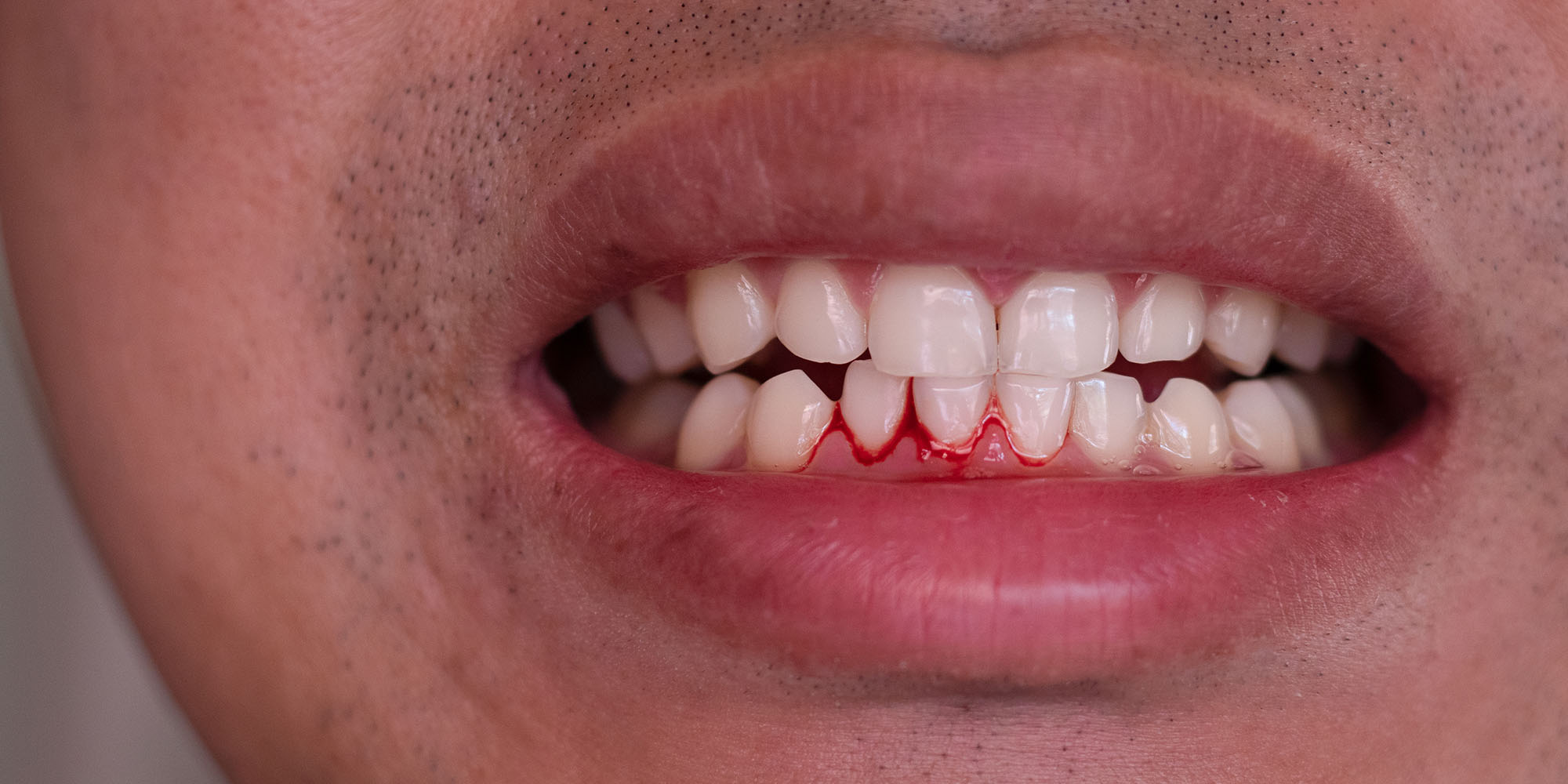
Your body needs specific vitamins to keep your gums healthy and your blood clotting properly. A deficiency in any of these can directly cause bleeding gums when brushing.
Vitamin C Deficiency
Vitamin C is essential for tissue growth, wound healing, and maintaining the integrity of gum tissue. When your vitamin C intake is too low, gum tissue becomes fragile and bleeds easily.
Severe vitamin C deficiency leads to scurvy, a condition historically associated with bleeding and swollen gums. Even a mild deficiency can make your gums more vulnerable.
Vitamin K Deficiency
Vitamin K plays a critical role in blood clotting. Without enough of it, even small bleeds from normal brushing can be harder to stop.
If your gums bleed despite good oral hygiene, ask your doctor to check your vitamin C and vitamin K levels. A simple dietary adjustment or supplement can sometimes solve the problem entirely.
Vitamin D Deficiency
Vitamin D supports healthy immune function and helps the body manage inflammation. Low vitamin D has been linked to increased gum inflammation and higher susceptibility to gum disease.
| Vitamin | Role in Gum Health | Food Sources |
|---|---|---|
| Vitamin C | Tissue repair, gum strength | Citrus, bell peppers, strawberries |
| Vitamin K | Blood clotting | Leafy greens, broccoli, fermented foods |
| Vitamin D | Immune function, inflammation | Fatty fish, eggs, sunlight |
| Calcium | Bone and jaw support | Dairy, almonds, leafy greens |
| Magnesium | Bone density support | Nuts, seeds, whole grains |
Cause 6: Pregnancy and Hormonal Changes
Hormonal changes are a significant and often underappreciated cause of bleeding gums. This affects women at multiple life stages.
Pregnancy Gingivitis
About 60 to 75 percent of pregnant women in the United States experience pregnancy gingivitis. The surge in estrogen and progesterone during pregnancy changes how the body responds to oral bacteria.
The gums become more sensitive, swell more easily, and bleed during brushing or flossing. This typically peaks during the second trimester and affects the months between the second and eighth month of pregnancy.
Pregnancy gingivitis usually resolves after birth but should not be ignored. Untreated periodontal disease during pregnancy has been linked to premature delivery and low birth weight in some studies.
Menstrual Cycle
Hormonal fluctuations during the menstrual cycle can cause what is known as menstrual gingivitis. Gums may become inflamed and bleed more easily in the days leading up to menstruation and then improve after it ends.
Menopause
The decline in estrogen levels during menopause reduces bone density and can lead to dry mouth, gum recession, and increased gum sensitivity. Post-menopausal women face a higher risk of periodontal disease as a result.
Puberty
Surging hormones during puberty can leave gums red, swollen, and prone to bleeding. Good oral hygiene habits established during this period can prevent it from becoming a long-term problem.
Cause 7: Diabetes and Blood Sugar
Diabetes has a two-way relationship with gum disease. People with uncontrolled diabetes are more prone to gum infections including gingivitis and periodontitis, and gum disease can in turn make blood sugar harder to manage.
High blood sugar levels impair the immune system’s ability to fight off oral bacteria. This makes the gums more vulnerable to infection and inflammation, leading to increased bleeding when brushing.
If you have diabetes and notice your gums bleeding when brushing regularly, mention it to both your dentist and your physician. Managing your blood sugar is an essential part of managing your gum health.
Cause 8: Smoking and Vaping
Tobacco use is one of the most damaging habits for gum health. Both smoking and vaping significantly increase your risk of gum disease, gum bleeding, and oral cancer.
Smoking reduces blood flow to the gums and impairs the immune response, making it harder for your body to fight off bacterial infections in the mouth. It also slows healing after any dental treatment.
A particularly dangerous aspect of smoking is that it can actually mask the symptoms of gum disease. Smokers may bleed less from their gums than non-smokers because the reduced blood circulation hides the inflammation.
This means gum disease in smokers can advance significantly before it becomes obvious. Quitting smoking is one of the most impactful things you can do for your gum health.
Cause 9: Stress and Its Impact on Oral Health
Chronic stress is not commonly thought of as a dental health issue, but research shows it absolutely affects your gums.
Stress weakens the immune system, making it harder for your body to fight off the bacteria responsible for gum disease. It also triggers inflammation throughout the body, which can worsen existing gum problems.
Stress-related behaviors like neglecting oral hygiene, eating more sugar, teeth grinding, and smoking all compound the damage. Finding effective ways to manage stress can indirectly protect your gum health.
Cause 10: Ill-Fitting Dentures or Dental Appliances
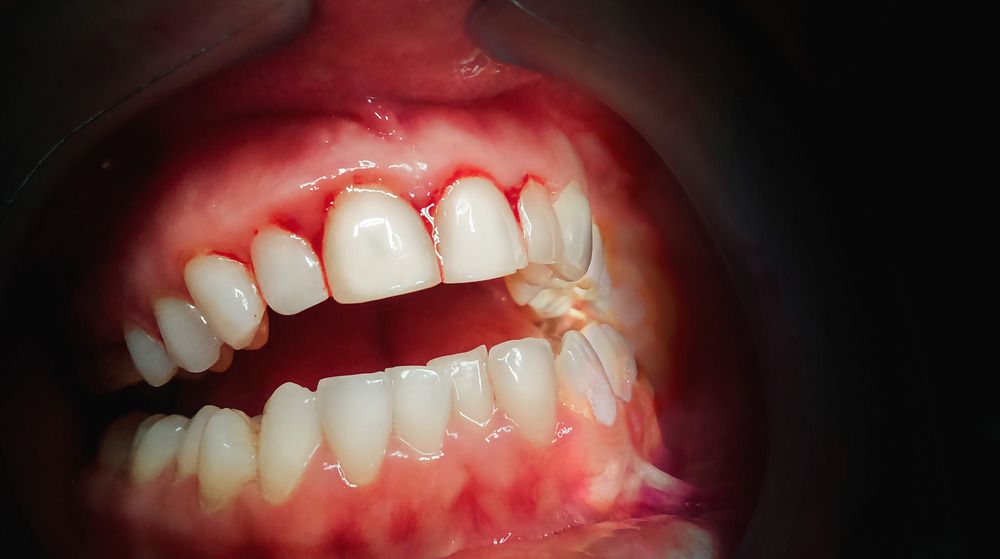
If you wear dentures that do not fit properly, they can create friction against the gum tissue and cause sores. These sores can bleed during brushing or even without any stimulus.
People who do not remove their dentures at night are especially prone to this issue. Constant contact between poorly fitted dentures and gum tissue leads to chronic irritation and bleeding.
If you suspect this is the cause, visit your dentist to have your dentures adjusted or replaced. Never try to adjust dental appliances yourself.
Cause 11: Misaligned Bite and Teeth Grinding
A misaligned bite applies uneven pressure to different areas of the teeth and gums. Over time this concentrated pressure can cause gums to recede in specific spots and create pockets where bacteria accumulate.
Bruxism, or teeth grinding, often happens during sleep and wears down both the teeth and supporting gum tissue. This makes the gums more vulnerable to bleeding when brushing in the affected areas.
Your dentist can detect signs of a bite problem or bruxism during a routine checkup and may recommend a night guard or orthodontic treatment to correct the issue.
Cause 12: Processed Foods and Poor Diet
What you eat directly affects your gum health. Starchy and sugary processed foods stick to the teeth and feed the bacteria responsible for plaque buildup.
As bacteria metabolize these carbohydrates, they produce acids that irritate and inflame the gum tissue. Diets consistently high in processed foods can keep the gums in a state of low-grade inflammation.
Foods that promote gum health include leafy vegetables, fruits high in vitamin C, calcium-rich dairy products, and foods containing omega-3 fatty acids. A well-balanced diet genuinely supports healthier gums from the inside out.
Cause 13: Serious Underlying Health Conditions
In rare but important cases, gums that bleed when brushing can be a sign of a more serious systemic health condition.
Leukemia can cause bleeding gums because the abnormal white blood cells crowd out platelets, which are needed for clotting. Gum bleeding is sometimes one of the earliest signs of the disease.
Blood clotting disorders such as hemophilia, von Willebrand disease, and thrombocytopenia can all lead to excessive bleeding in the gums and elsewhere.
Pernicious anemia and other blood disorders can also manifest with oral symptoms including bleeding gums.
If your gums bleed heavily and you also have unexplained bruising, fatigue, pale skin, or fever, seek medical attention promptly rather than just visiting a dentist.
How to Stop Bleeding Gums at Home
There are several effective steps you can take at home to reduce and stop gum bleeding, particularly if the cause is gingivitis or poor oral hygiene habits.
Brush Correctly Twice Daily
Use a soft-bristled toothbrush and brush gently for two full minutes, twice a day. Angle the bristles at 45 degrees to the gum line and use small circular strokes. Do not saw back and forth aggressively.
Floss Every Single Day
Daily flossing removes plaque from between teeth where your toothbrush cannot reach. Use the C-shape technique to guide floss gently around each tooth below the gum line without snapping or cutting into the gum.
Use an Antibacterial Mouthwash
An antibacterial or antiseptic mouthwash helps kill the bacteria responsible for plaque and gum inflammation. Rinse with it after brushing and flossing for added protection.
Rinse With Warm Salt Water
A warm salt water rinse can help reduce inflammation and kill some oral bacteria. Dissolve half a teaspoon of salt in a glass of warm water and swish for 30 seconds after brushing.
Switch to a Soft-Bristled Toothbrush
If you have been using a medium or hard-bristled brush, switch to soft immediately. The American Dental Association recommends soft-bristled toothbrushes for everyone.
Stop Smoking
If you smoke or vape, quitting will be one of the most significant improvements you can make to your gum health and overall oral hygiene.
Eat a Vitamin-Rich Diet
Increase your intake of vitamin C through citrus fruits, strawberries, and bell peppers. Incorporate leafy greens for vitamin K. Consider asking your doctor about supplementation if dietary sources are insufficient.
Apply Cold Compress or Gauze
If your gums are actively bleeding, applying a clean piece of gauze to the area for a few minutes can help slow the bleeding. A cold compress on the outside of your cheek can also reduce inflammation.
When to See a Dentist
You should not wait indefinitely to see a dentist about bleeding gums. There are clear signals that indicate professional care is needed now.
| Warning Sign | Action |
|---|---|
| Bleeding lasting more than 2 weeks | See your dentist immediately |
| Heavy or uncontrolled bleeding | Emergency dental visit |
| Gum recession or loose teeth | Urgent periodontal evaluation |
| Persistent bad breath alongside bleeding | Dental examination needed |
| Swelling, pain, or fever | Possible infection, see dentist or doctor |
| Bleeding without brushing | Rule out systemic conditions |
Your dentist will examine your gums, measure pocket depths around your teeth, and may take X-rays to check for bone loss. Based on findings, they may recommend a professional cleaning, a deep cleaning called scaling and root planing, antibiotics, or a referral to a periodontist.
Professional Treatments for Bleeding Gums
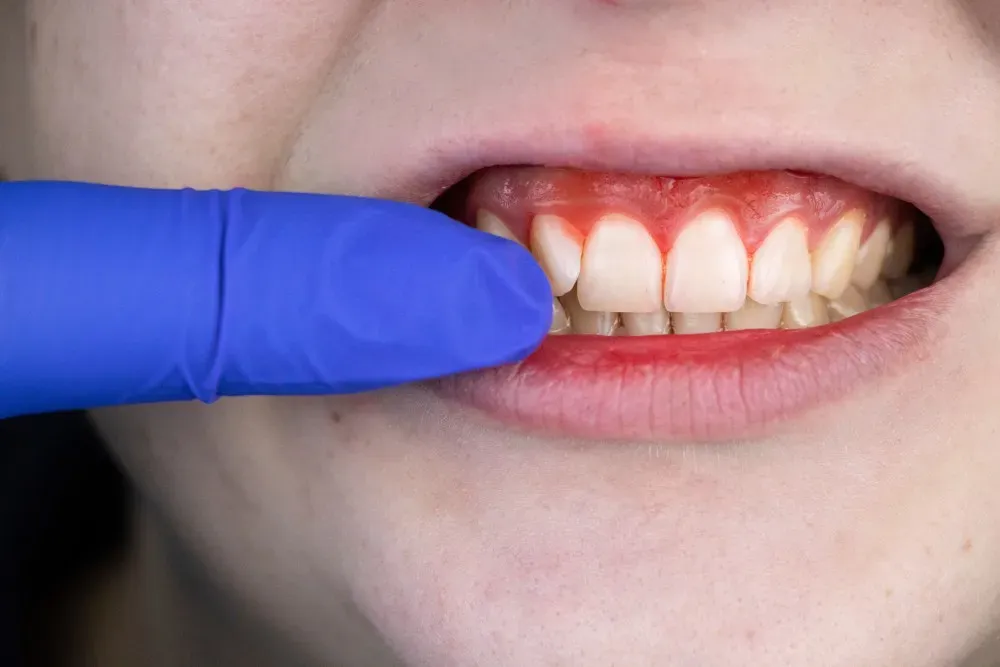
When home care is not enough, dental professionals have several effective treatment options available.
Professional Dental Cleaning
A standard dental cleaning by a hygienist removes tartar, which is hardened plaque that cannot be removed by brushing at home. Most cases of gingivitis resolve with improved home care plus a professional cleaning.
Scaling and Root Planing
For more advanced gum disease, a deep cleaning called scaling and root planing is performed. The hygienist or dentist cleans below the gum line, removing bacteria and smoothing the root surfaces so gums can reattach properly.
Antibiotics
In some cases, topical or oral antibiotics are prescribed to eliminate bacterial infections in the gum tissue. These are used alongside other treatments, not on their own.
Osseous Surgery
For advanced periodontitis where pockets are too deep to clean non-surgically, osseous surgery reduces the size of those pockets and removes infected tissue.
Laser Periodontal Therapy
Laser therapy is a minimally invasive modern option for treating gum disease. It targets infected tissue with precision while preserving healthy tissue and often involves faster healing.
How Often Should You Visit the Dentist?
Most dental organizations including the American Dental Association recommend visiting your dentist at least every six months for a professional cleaning and examination.
For patients with active gum disease or a history of periodontitis, more frequent visits of every three to four months may be recommended. Your dentist will advise the best schedule based on your individual situation.
Regular dental visits allow problems like gingivitis to be caught and treated before they escalate into irreversible periodontitis.
Bleeding Gums in Children
Children can also experience bleeding gums when brushing. The most common causes in children are poor brushing technique, inadequate flossing, and early gingivitis.
During puberty, hormonal changes can trigger puberty gingivitis, which causes red, swollen, and bleeding gums even with decent oral hygiene.
Teaching children proper brushing technique from a young age, using soft toothbrushes sized for their mouths, and establishing regular dental visits from age one are the best protective measures.
Bleeding Gums During Pregnancy: What to Do
If you are pregnant and experiencing bleeding gums when brushing, you are not alone. Pregnancy gingivitis affects the majority of pregnant women.
Do not stop brushing or flossing. Continue brushing twice a day with a soft toothbrush and floss daily. The bleeding from pregnancy gingivitis will not improve if you avoid cleaning your teeth.
Schedule a dental visit during your second trimester. This is the safest and most recommended window for dental treatment during pregnancy. Your dentist can perform a professional cleaning that significantly reduces gum inflammation.
Never skip dental care during pregnancy out of fear. Dental treatment is safe during pregnancy, and leaving gum disease untreated poses more risk than treating it.
Foods That Help Heal Bleeding Gums
In addition to avoiding processed and sugary foods, adding specific nutrients through diet can actively support gum recovery.
Vitamin C Foods: Oranges, kiwi, strawberries, bell peppers, and broccoli help repair and strengthen gum tissue.
Vitamin K Foods: Kale, spinach, Brussels sprouts, and fermented foods support proper blood clotting.
Calcium Foods: Milk, yogurt, cheese, and almonds support the jawbone and teeth structure.
Omega-3 Foods: Salmon, flaxseed, and walnuts have anti-inflammatory properties that can reduce gum inflammation.
Crunchy Vegetables: Carrots, celery, and cucumbers naturally clean teeth surfaces as you chew.
Drinking plenty of water throughout the day also helps rinse food particles and bacteria away from the gum line between brushings.
Quick Summary: All Causes of Gums Bleeding When Brushing
| Cause | How Common | Reversible |
|---|---|---|
| Gingivitis | Very common | Yes |
| Brushing too hard | Very common | Yes |
| New flossing routine | Common | Yes (within 2 weeks) |
| Medications (blood thinners) | Common | Managed, not cured |
| Vitamin C or K deficiency | Moderate | Yes |
| Pregnancy gingivitis | Common in pregnancy | Yes (after birth) |
| Diabetes | Moderate | Managed |
| Smoking / vaping | Common | Yes (if you quit) |
| Stress | Moderate | Yes |
| Ill-fitting dentures | Less common | Yes |
| Misaligned bite / bruxism | Moderate | Managed |
| Periodontitis | Moderate | Partially |
| Leukemia / blood disorders | Rare | Requires medical care |
Preventing Bleeding Gums: The Daily Routine That Works
Preventing gums that bleed when brushing comes down to consistent, correct oral hygiene habits. Here is the daily routine dental professionals recommend.
Morning: Brush for two minutes with a soft toothbrush and fluoride toothpaste. Use antibacterial mouthwash.
After meals: Rinse with water to flush away food particles and acids.
Evening: Brush again for two minutes. Floss all teeth using the C-shape technique. Use mouthwash again if needed.
Weekly: Replace or check your toothbrush for fraying. Reassess your technique in the mirror.
Every 6 months: Visit your dentist for a professional cleaning and oral examination.
This routine, practiced consistently, will prevent gingivitis from developing and stop existing gum disease from progressing. Most people who follow this routine see a significant reduction in gum bleeding within two to four weeks.
Frequently Asked Questions (FAQs)
Why do my gums bleed every time I brush my teeth?
Consistent bleeding when brushing is most often caused by gingivitis, the early stage of gum disease triggered by plaque buildup along the gum line. It can also be caused by brushing too hard, vitamin deficiencies, or certain medications.
Is it normal for gums to bleed a little when brushing?
Occasional light bleeding from a new flossing routine or accidental hard food contact is usually harmless. However, gums that bleed regularly during brushing are not normal and should be evaluated by a dentist.
How do I stop my gums from bleeding when I brush?
Switch to a soft-bristled toothbrush, use gentle circular brushing technique, floss daily, rinse with antibacterial mouthwash, and see your dentist if the bleeding does not stop within two weeks.
Can bleeding gums heal on their own?
Bleeding gums caused by gingivitis can reverse with improved oral hygiene, sometimes without professional treatment. However, if gum disease has progressed to periodontitis, professional dental treatment is required.
Do bleeding gums mean I have gum disease?
Bleeding gums are the most common early symptom of gum disease, but they can also be caused by brushing too hard, vitamin deficiencies, medications, pregnancy, diabetes, or stress. A dentist can determine the exact cause.
What vitamin deficiency causes bleeding gums?
Deficiencies in vitamin C and vitamin K are most directly linked to bleeding gums. Vitamin C deficiency weakens gum tissue, and vitamin K deficiency impairs blood clotting, making even minor irritation bleed more easily.
Why do my gums bleed when I floss but not when I brush?
Flossing reaches spaces between teeth and below the gum line where plaque accumulates. If those areas are inflamed from plaque buildup, flossing disrupts that tissue and causes bleeding that brushing alone may not trigger.
Can stress cause my gums to bleed?
Yes. Chronic stress weakens the immune system and increases inflammation throughout the body, making the gums more vulnerable to infection and bleeding. Stress-related neglect of oral hygiene also contributes.
Should I brush my teeth if my gums are bleeding?
Yes, you should continue brushing even if your gums bleed. Stopping will allow more plaque to build up and make the problem worse. Use a soft-bristled brush and gentle technique instead of avoiding brushing altogether.
When should I see a dentist for bleeding gums?
See a dentist if your gums bleed regularly for more than two weeks, if the bleeding is heavy, if you have additional symptoms like gum recession or loose teeth, or if home care improvements do not reduce the bleeding.
Conclusion
Why do my gums bleed when I brush my teeth? As this guide makes clear, the answer is rarely one-size-fits-all.
For most people it begins with gingivitis driven by plaque buildup, and the solution is straightforward: better brushing technique, daily flossing, a soft toothbrush, and a visit to the dentist.
For others, the cause may be a vitamin deficiency, a medication side effect, pregnancy hormones, uncontrolled diabetes, or a systemic health condition that needs medical attention.
The critical takeaway is that bleeding gums are never something to ignore. They are your body’s way of telling you that something needs attention.
Whether the fix is as simple as switching toothbrushes or as involved as a deep cleaning treatment, acting now protects you from irreversible gum damage and tooth loss down the line. If your gums have been bleeding for more than two weeks, schedule a dental appointment today.
