

Why do Catholics eat fish on Friday is one of the most common questions about Catholic practice, and the answer goes much deeper than most people realize.
It is not simply a food preference or a cultural habit. It is rooted in centuries of theology, canon law, Christian symbolism, and the commemoration of Jesus Christ’s death on the cross.
The practice touches on penance, sacrifice, the meaning of Lent, and what it means to fast as a believer.
Whether you are Catholic, curious, or just wondering why the school cafeteria always served fish sticks on Fridays.
The Short Answer: Why Fish on Friday?
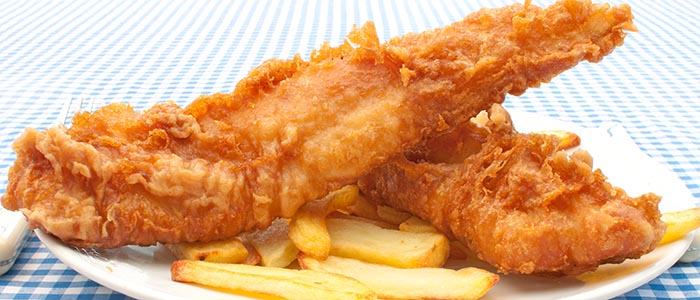
Lent is the 40-day liturgical season of penance, prayer, fasting, and almsgiving that precedes Easter Sunday. It begins on Ash Wednesday and ends before the Easter Vigil on Holy Saturday.
The 40 days mirror Jesus Christ’s 40 days of fasting in the wilderness before he began his public ministry. Sundays are excluded from the count because every Sunday is considered a mini-celebration of the Resurrection.
During Lent, Catholics are called to intensify their spiritual lives through three core practices: prayer, fasting, and almsgiving. Abstaining from meat on Fridays is one of the most visible expressions of the fasting and abstinence pillar.
Why Friday Specifically?
Friday is the day of the week on which Jesus was crucified and died. In Christian tradition, that sacrifice is the central act of redemption in human history.
Abstaining from meat on Friday is a way for Catholics to honor that sacrifice by making a small sacrifice of their own. By denying themselves something they enjoy, they participate symbolically in Christ’s suffering and death.
This is why Friday holds a special place in the Catholic week. It is not just the end of the workweek. It is a day of penitential remembrance observed across the global Catholic Church.
The Rule of Abstinence: What Catholic Canon Law Actually Says
The Catholic Church’s rules about fasting and abstinence are set out in the Code of Canon Law, specifically in canons 1249 through 1253.
Canon 1250 states that penitential days and times in the universal Church are every Friday of the whole year and the season of Lent.
Canon 1251 states that abstinence from eating meat, or from some other food as determined by the Episcopal Conference, is to be observed on all Fridays of the year, unless a solemnity falls on that Friday. Abstinence and fasting are both to be observed on Ash Wednesday and Good Friday.
Canon 1252 states that the law of abstinence binds those who have completed their fourteenth year of age. The law of fasting binds those who have attained their majority until the beginning of their sixtieth year.
These canons establish that Friday abstinence is a year-round obligation under Church law, not only during Lent.
Who Is Required to Abstain from Meat?
The rules apply differently depending on age and health. Here is a clear summary of who is bound by the rules in 2026.
| Rule | Who It Applies To | Exceptions |
|---|---|---|
| Abstinence from meat (Fridays during Lent) | Catholics age 14 and older | Illness, pregnancy, nursing, serious physical labor |
| Fasting (Ash Wednesday and Good Friday) | Catholics age 18 to 59 | Illness, pregnancy, nursing, serious physical labor |
| Abstinence on all Fridays of the year | Catholics age 14 and older | US bishops allow substitution with another act of penance |
| Children under 14 | Not obligated but encouraged | Parents should teach the meaning of penance |
| Elderly over 59 | Exempt from fasting | Still encouraged to observe abstinence |
In the United States, the bishops have exercised their authority under canon law to allow Catholics to substitute another act of penance on non-Lenten Fridays instead of abstaining from meat. However, this substitution must actually be performed. Simply eating meat without replacing the abstinence with another sacrifice does not fulfill the obligation.
What Exactly Counts as Meat?
This is where the fish-on-Friday tradition gets its theological foundation. Catholic canon law and tradition define meat as the flesh of warm-blooded animals.
Meat includes beef, pork, lamb, venison, chicken, turkey, duck, and any other bird or mammal. It also includes the organs of mammals and birds, as well as soups or gravies made from them.
Fish, shellfish, and other cold-blooded aquatic creatures do not fall under this definition. The original Latin of the canon law uses the term carnis, which scholars have consistently interpreted as the flesh of warm-blooded land animals.
This is why Catholics are permitted to eat shrimp, lobster, crab, clams, mussels, and all varieties of fish on days of abstinence. Eggs, dairy products, butter, and condiments made from animal fat are also permitted.
Alligator, beaver tail, capybara, and other animals that live primarily in water have historically been granted special permissions in various regions. These are rare exceptions granted by local bishops and not universal rules.
Why Fish and Not Just Vegetables?
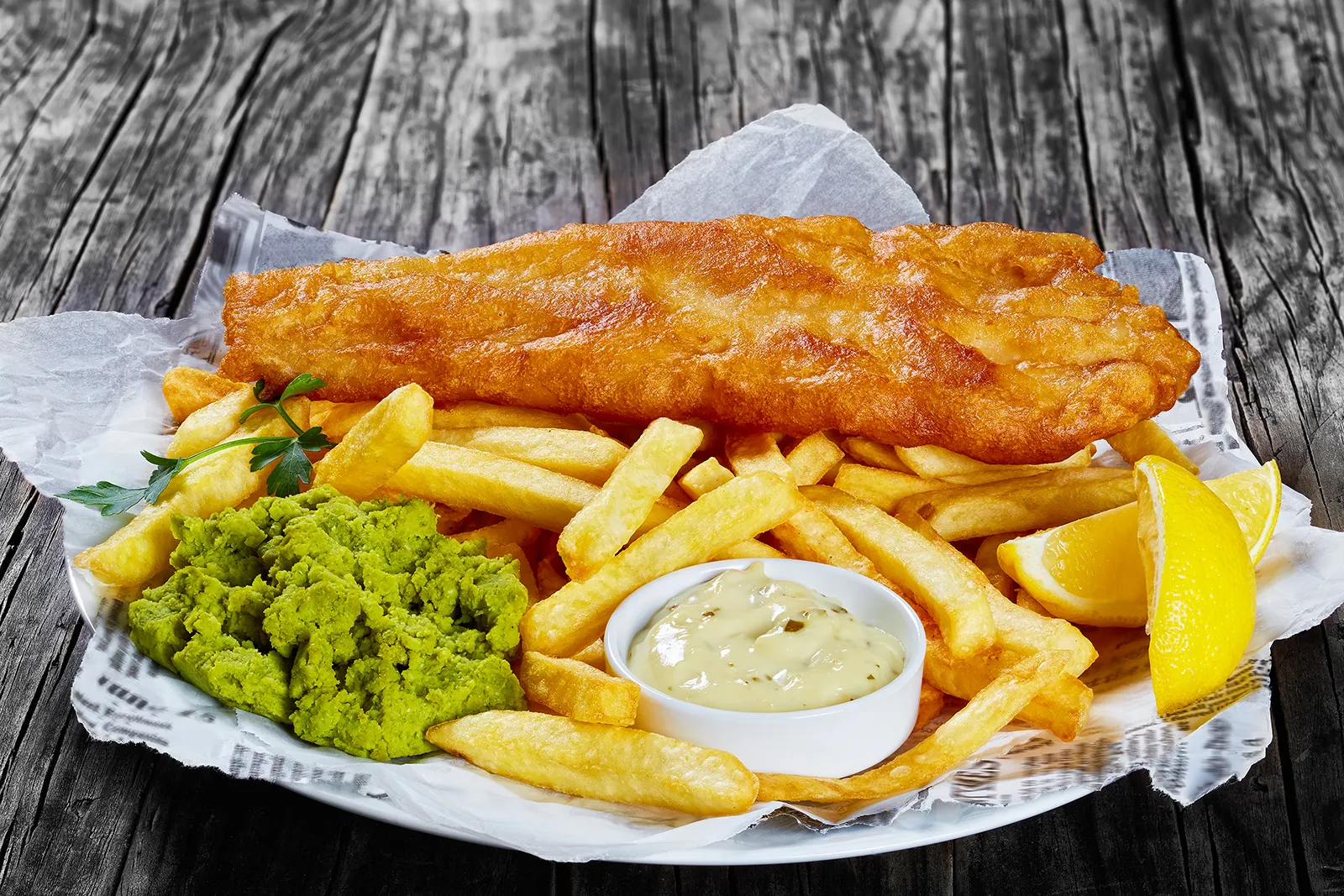
The Church does not require Catholics to eat fish. The requirement is simply to avoid meat. A Catholic could fulfill the Friday abstinence obligation by eating a plate of pasta, a vegetable stew, a cheese pizza, an egg dish, or bean soup.
Fish became the dominant substitute for two interconnected reasons: availability and theology.
In the ancient Mediterranean world and throughout medieval Europe, fish was widely available, especially in coastal regions and during late winter when Lent falls. It was practical, affordable, and accessible to ordinary people in a way that other protein sources were not always.
Theologically, fish carries profound symbolic meaning in Christian tradition. The fish symbol, known in Greek as ichthys, was one of the earliest symbols used by Christians to identify themselves and their faith.
The Christian Symbolism of Fish
Fish hold a remarkably deep symbolic place in both the Old and New Testaments of the Bible and in early Christian tradition.
Jesus multiplied fish: In one of his most famous miracles, Jesus fed five thousand people with only five loaves of bread and two fish. This miracle appears in all four Gospels and is a direct symbol of Christ’s provision and abundance.
The apostles were fishermen: Several of Jesus’ closest disciples, including Peter, Andrew, James, and John, were fishermen by trade. Jesus called them to leave their nets and become fishers of men, extending the image of fishing directly into the mission of the Church.
The ichthys symbol: Early Christians used the fish symbol as a secret sign of their faith during periods of persecution. The Greek word for fish, ichthys, was also an acronym for Iesous Christos Theou Yios Soter, meaning Jesus Christ, Son of God, Savior.
The defeat of Leviathan: In the Hebrew scriptures, Leviathan is a great primordial sea creature representing chaos, death, and evil. Some theologians have reflected that eating fish on Friday, the day Christ defeated death through his crucifixion, symbolizes the victory over that ancient monster.
God’s blessing of water: A 15th-century reflection from John Myre noted that when God cursed the earth after Adam’s sin, he did not curse the water. Therefore, things that come from the water were seen as permissible food on days of penance.
A Brief History of the Tradition
The practice of fasting on Fridays is not a medieval invention. Written references to Friday fasting appear as early as the first century after Christ.
Early Christianity: Christians fasted on Wednesdays and Fridays from the earliest centuries, following Jewish traditions of fasting on Mondays and Thursdays. The Didache, an early Christian document from around 100 AD, explicitly mentions Wednesday and Friday as fasting days.
Medieval period: As the Church grew and its calendar expanded, the number of obligatory meatless days increased dramatically. By the height of the medieval period, Christians were expected to abstain from meat on Fridays, Wednesdays, and Saturdays, during all of Advent, and through all of Lent. Some estimates place the total number of meatless days at over 150 per year.
The economic effect: This level of fish consumption had a sweeping effect on European economies. The fishing industries of England, Iceland, Norway, and the Atlantic coast grew substantially because of the Church’s abstinence rules. Historian Brian Fagan documented this in his book Fish on Friday, noting that the Catholic calendar drove the expansion of North Atlantic fishing long before modern industrial fishing existed.
The English Reformation: When Henry VIII broke with Rome in the 16th century, eating fish on Friday became associated with Catholicism and was politically problematic. Queen Elizabeth I later reinstated Wednesday fasting by royal decree in 1563, but this time to support the English fishing industry rather than for religious reasons.
The Second Vatican Council (1960s): In 1966, Pope Paul VI issued the apostolic constitution Paenitemini, which gave local bishops’ conferences the authority to adapt Friday abstinence rules to their cultural contexts. In the United States, the USCCB permitted substitution of another act of penance for non-Lenten Fridays. This change led to a widespread but incorrect belief that Friday abstinence had been abolished entirely. It had not been.
The McDonald’s Filet-O-Fish: When Louis Groen, a McDonald’s franchise owner in Cincinnati in the early 1960s, noticed that hamburger sales dropped sharply on Fridays, he developed a fish sandwich to keep Catholic customers coming. The Filet-O-Fish was introduced to the full McDonald’s menu in 1965. When the Vatican scaled back Friday fish rules in 1966, cod prices reportedly dropped as demand fell.
Fish Fry Fridays: A Cultural Tradition
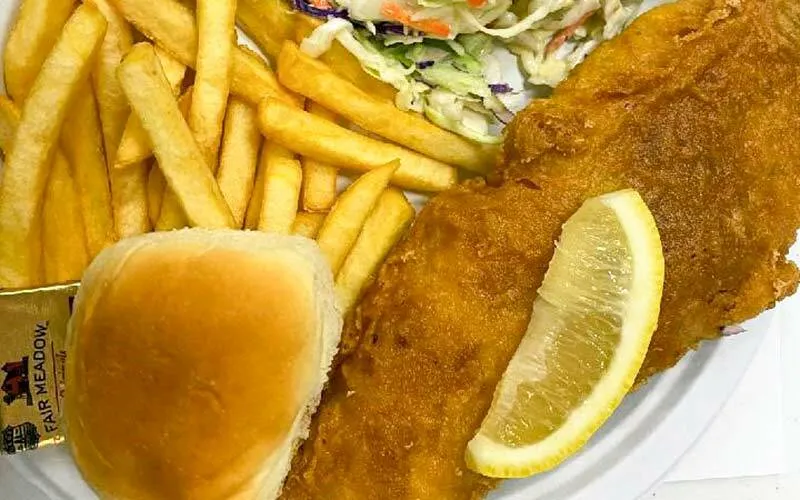
Beyond the theological and canonical requirements, fish on Friday developed into a beloved community tradition, particularly in the United States.
The Friday night fish fry became a fixture in Catholic communities in the Midwest and along the East Coast as waves of Catholic immigrants from Ireland, Germany, Poland, and Southern Europe settled in American cities.
Churches, American Legion halls, VFW posts, and community organizations began hosting Friday fish fries as a way to gather the faithful, socialize, raise money, and honor the abstinence tradition in a festive rather than somber way.
Many of these fish fries still operate today and remain central to the identity of Catholic parishes, particularly during Lent. Deep-fried fish fillets, tartar sauce, coleslaw, french fries, and macaroni and cheese are standard offerings at these community events.
The Fish Rules in 2026: Current Obligations
As of 2026, here is exactly what the Catholic Church requires regarding Friday abstinence and Lenten fasting.
| Day | Requirement | Age Group |
|---|---|---|
| All Fridays during Lent | Abstain from meat | Age 14 and older |
| Ash Wednesday | Fast and abstain from meat | Fasting: age 18–59; Abstinence: age 14+ |
| Good Friday | Fast and abstain from meat | Fasting: age 18–59; Abstinence: age 14+ |
| All other Fridays of the year | Abstain from meat OR perform another act of penance (in the US) | Age 14 and older |
| Sundays during Lent | No meat restriction | All ages |
Pope Leo XIV, who became pope in 2025, has already demonstrated a personal commitment to fasting, calling for a day of prayer and fasting in August 2025 for those suffering from war. The 2026 Lenten season is the first full Lenten season of his pontificate.
The Myth That a Pope Promoted Fish for Business Reasons
One of the most persistent myths about Catholic Friday fish eating is that a medieval pope secretly struck a deal to boost the Italian fishing industry by making fish eating mandatory.
This story has been thoroughly debunked by historians and theologians. Vatican archive researchers including archaeologist Brian Fagan have confirmed that no documentary evidence of such a papal decree exists. Tellingly, no specific pope has ever been named in this story, which is a strong sign it was never grounded in fact.
The real driver of fish consumption was theology, not economics. The economic effects on fishing industries were a byproduct of the religious practice, not its cause.
The one kernel of truth in this myth is that Queen Elizabeth I of England did mandate fish-eating on Wednesdays by law in 1563, but this was done explicitly to support the English fishing trade and had nothing to do with the Catholic Church.
What Can Catholics Eat on Fridays During Lent?
Understanding what is permitted can help Catholics plan meals that are both compliant and satisfying. Here are common options.
Always permitted on Lenten Fridays:
Fish of all kinds including cod, salmon, tuna, tilapia, halibut, and catfish are permitted. Shellfish including shrimp, crab, lobster, clams, oysters, mussels, and scallops are also permitted. Eggs, cheese, milk, butter, and yogurt are fully permitted. Bread, pasta, rice, grains, beans, lentils, and all vegetables and fruits are permitted. Soups made from vegetables or seafood are fine, but soups made from chicken or beef broth are not.
Not permitted on Lenten Fridays:
Beef, pork, lamb, venison, bison, and any other mammal are not permitted. Chicken, turkey, duck, goose, and any other bird are not permitted. Soups, gravies, and sauces made from the stock or drippings of meat are not permitted.
Does This Apply to All Catholics?
The rules of Friday abstinence apply to members of the Latin Catholic Church. Members of Eastern Catholic Churches, such as the Byzantine, Maronite, Melkite, and Coptic Catholic Churches, follow their own liturgical traditions and canon law, which may differ in specific details.
Orthodox Christians who are not in communion with Rome have their own fasting rules, which are often more extensive than Latin Catholic requirements. Many Orthodox traditions require fasting on Wednesdays and Fridays throughout the year, not only during Lent.
Non-Catholic Christians are not bound by Catholic canon law, though many Protestant denominations observe their own Lenten practices voluntarily.
Why the Tradition Still Matters Today
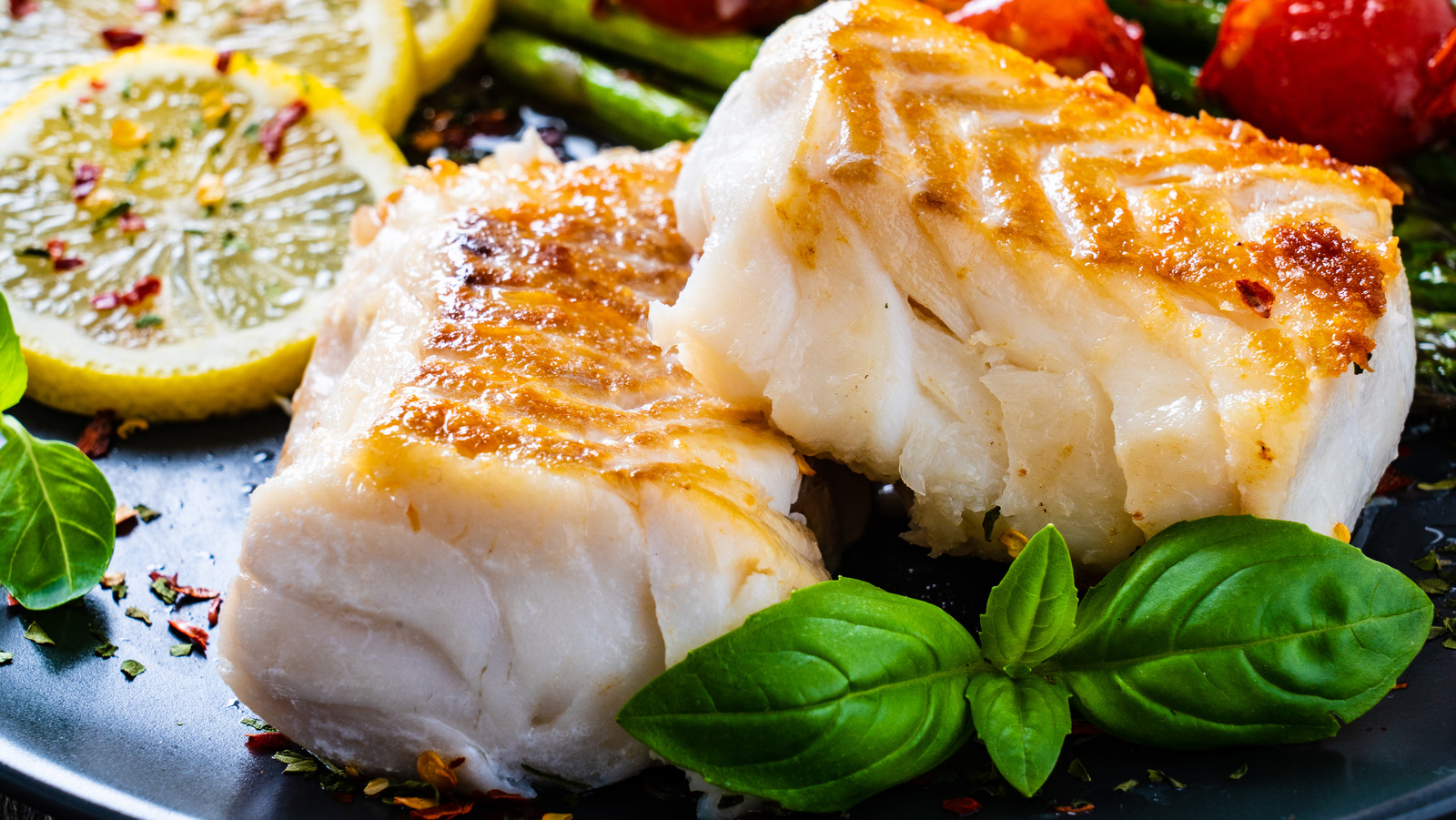
In a culture where fish is often more expensive than chicken or beef, the original logic of meat as a luxury no longer applies in the same way. Giving up a hamburger on Friday does not necessarily represent a significant sacrifice for most people today.
The Church is aware of this. The deeper purpose of Friday abstinence was never really about food. It was about cultivating a habit of self-denial, about bringing the body into alignment with the spirit, and about remembering in a concrete, physical way that Jesus died on a Friday.
Fasting and abstinence remind the believer that human beings do not live by bread alone. They orient the appetite toward gratitude and spiritual attentiveness. They create solidarity with the poor. And they connect every individual act of Friday self-denial with the global, centuries-old practice of billions of Catholics across history.
Friday Abstinence Outside the United States
While the USCCB in the United States allows substitution on non-Lenten Fridays, not all bishops’ conferences around the world have taken the same approach.
In England and Wales, the Catholic Bishops’ Conference re-emphasized in 2011 that all Catholics should abstain from meat on every Friday of the year, not just during Lent. This was framed as a way to restore a clear, shared Catholic identity through a common practice.
In many parts of Africa, Asia, and Latin America, traditional Friday abstinence remains widely observed year-round. The diversity in how the rule is applied across cultures reflects the flexibility that canon law allows while preserving the underlying penitential purpose.
Frequently Asked Questions (FAQs)
Why do Catholics eat fish on Friday instead of meat?
Catholics abstain from meat on Friday as an act of penance marking the day of Christ’s crucifixion. Fish is permitted because it is not classified as meat under Catholic canon law.
Is eating fish on Friday required by the Catholic Church?
No. The requirement is to abstain from meat, not to eat fish. Catholics can fulfill the obligation by eating vegetables, eggs, pasta, cheese, or any other non-meat food.
Does the no-meat rule apply to chicken on Fridays?
Yes. Chicken, turkey, and all poultry count as meat under Catholic abstinence rules and are not permitted on Fridays during Lent or other days of abstinence.
Are shrimp and shellfish allowed during Lent?
Yes. Shellfish including shrimp, lobster, crab, clams, and oysters are all cold-blooded aquatic creatures and are fully permitted during Lent and on Fridays.
Did a pope invent fish Fridays to help the fishing industry?
No. This is a debunked myth. Historians and Vatican archive researchers have found no evidence of such a papal decree. The practice comes from early Christian theology, not economics.
What is the rule for non-Lenten Fridays in the US?
In the United States, the bishops permit Catholics to substitute another act of penance on non-Lenten Fridays. Simply eating meat without a replacement act of penance does not fulfill the obligation.
At what age must Catholics follow the Friday abstinence rule?
The law of abstinence from meat binds Catholics from age 14 onwards. Those under 14 are not obligated but are encouraged to observe the spirit of penance.
Why is fish a Christian symbol?
Fish carry deep Christian symbolism including Christ’s miracle of multiplying loaves and fish, the apostles as fishermen, and the ichthys symbol used by early Christians as a secret sign of faith.
Can Catholics eat eggs and dairy on Fridays during Lent?
Yes. Eggs, cheese, milk, butter, and other dairy products are fully permitted on Lenten Fridays. The restriction applies only to the flesh of warm-blooded animals.
What happened to Friday fish rules after Vatican II?
Pope Paul VI issued Paenitemini in 1966, giving bishops’ conferences authority to adapt the rules. The US bishops permitted substitution on non-Lenten Fridays, which many misinterpreted as an abolishment of the rule. The obligation remains in place.
Conclusion
Why do Catholics eat fish on Friday is ultimately a question about faith, sacrifice, memory, and community.
The practice traces back to the earliest decades of Christianity, when believers began setting Friday apart as a day of penance in honor of Christ’s death on the cross.
Over centuries, that act of abstaining from the flesh of warm-blooded animals gave rise to a global tradition of fish eating that shaped economies, created community traditions like the Friday fish fry, and even inspired the creation of the McDonald’s Filet-O-Fish.
The rules in 2026 remain consistent with centuries of Catholic practice.
All Catholics age 14 and older are required to abstain from meat on Fridays during Lent and on Ash Wednesday and Good Friday.
In the United States, other Fridays permit substitution of a different act of penance.
Fish, shellfish, eggs, dairy, and all plant foods remain fully permitted.
More than a dietary rule, fish on Friday is a small but meaningful act of solidarity with Christ’s sacrifice, a weekly reminder that faith calls believers to something beyond physical comfort, and one of the most enduring symbols of Catholic identity across the world.
