

Foil literary term describes a powerful storytelling technique where a foil character highlights another character’s traits through contrast, enriching narratives in novels, plays, and films.
A foil in literature underscores differences in personality, values, or behavior, making the protagonist’s qualities stand out sharply.
From Shakespeare’s Hamlet to modern works like Harry Potter, foil characters deepen character development and enhance thematic depth.
Definition of Foil in Literature
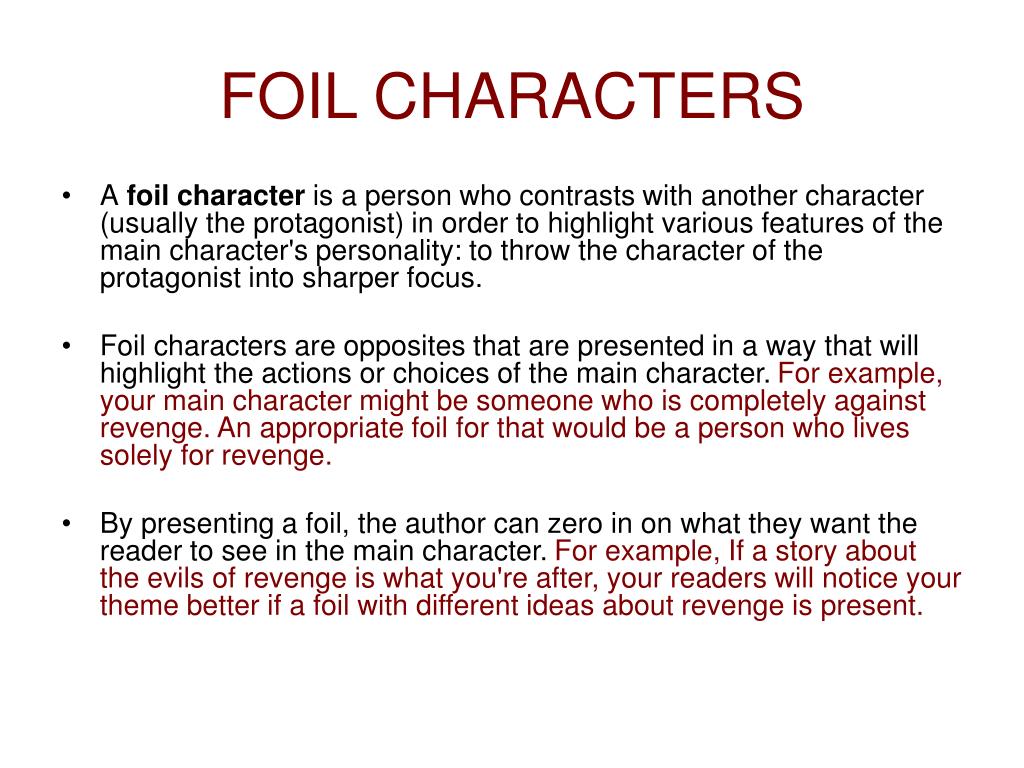
The foil literary term refers to a character who contrasts with another, typically the protagonist, to emphasize specific traits.

Unlike an antagonist, who actively opposes the main character, a foil may be an ally, rival, or neutral figure whose differences illuminate key qualities. This literary device enhances storytelling by creating dynamic character interactions.
- Key Traits:
- Contrast: A foil differs in personality, morality, or actions (e.g., a cautious foil to a reckless hero).
- Supportive Role: Often secondary characters, like sidekicks or friends.
- Thematic Impact: Highlights themes like good vs. evil or duty vs. desire.
- Example: In Pride and Prejudice, Mr. Darcy’s reserved nature contrasts with Mr. Bingley’s warmth, accentuating Darcy’s complexity.
Purpose of a Foil Character
The purpose of a foil character is to amplify the protagonist’s traits, making them more vivid and relatable. By placing contrasting characters side by side, authors reveal motivations, flaws, or strengths, enriching the narrative.
- Highlight Strengths: A timid foil makes a hero’s bravery stand out.
- Expose Flaws: A virtuous foil reveals a protagonist’s moral struggles.
- Enhance Themes: Foils underscore conflicts like loyalty vs. ambition.
- Deepen Development: Contrasts show character growth over time.
- Example: In The Great Gatsby, Tom Buchanan’s arrogance foils Gatsby’s idealism, emphasizing Gatsby’s romantic pursuit.
Foil vs Antagonist in Literature
Understanding the foil vs antagonist in literature distinction is crucial. While both contrast with the protagonist, their roles differ significantly.
- Foil Character:
- Purpose: Highlights traits through contrast, not necessarily opposition.
- Role: Can be a friend, ally, or minor character.
- Example: Mercutio’s wit foils Romeo’s romanticism in Romeo and Juliet.
- Antagonist:
- Purpose: Actively opposes the protagonist, driving conflict.
- Role: Often the main adversary, creating obstacles.
- Example: Iago in Othello opposes Othello, unlike a foil who contrasts without direct conflict.
- Key Difference: A foil enhances understanding; an antagonist creates tension.
Famous Literary Foils
Famous literary foils appear across classic and modern works, showcasing the foil literary device in action. Below are notable examples of foil characters from various genres.
1. Hamlet and Laertes in Hamlet (William Shakespeare)
- Foil Dynamic: Hamlet’s indecision contrasts with Laertes’ impulsive action.
- Example: When Claudius manipulates Laertes to avenge Polonius, Laertes acts swiftly, unlike Hamlet’s hesitation to kill Claudius.
- Effect: Laertes’ decisiveness highlights Hamlet’s philosophical nature, deepening the tragedy’s exploration of revenge.
- Text Example: “I’ll be revenged / Most thoroughly for my father” (Laertes, Act 4, Scene 5).
2. Dr. Watson and Sherlock Holmes in Sherlock Holmes (Arthur Conan Doyle)
- Foil Dynamic: Watson’s practical, emotional nature contrasts with Holmes’ analytical brilliance.
- Example: In A Study in Scarlet, Watson’s awe at Holmes’ deductions underscores Holmes’ genius.
- Effect: Watson’s relatability makes Holmes’ eccentricity more striking, grounding the detective’s adventures.
3. Ron Weasley and Harry Potter in Harry Potter (J.K. Rowling)

- Foil Dynamic: Ron’s lighthearted, family-oriented personality contrasts with Harry’s burdened heroism.
- Example: Ron’s loyalty and humor in Harry Potter and the Sorcerer’s Stone highlight Harry’s isolation and destiny.
- Effect: Ron’s normalcy emphasizes Harry’s unique role as the “Chosen One.”
4. Elizabeth Bennet and Charlotte Lucas in Pride and Prejudice (Jane Austen)
- Foil Dynamic: Elizabeth’s independence contrasts with Charlotte’s pragmatism in marriage.
- Example: Charlotte accepts Mr. Collins’ proposal for security, while Elizabeth rejects him for love.
- Effect: Charlotte’s choice underscores Elizabeth’s defiance of societal norms.
5. Lennie and George in Of Mice and Men (John Steinbeck)
- Foil Dynamic: Lennie’s physical strength and mental simplicity contrast with George’s cunning and responsibility.
- Example: Lennie’s reliance on George highlights George’s protective role.
- Effect: The contrast deepens the tragedy of their friendship and dreams.
Examples of Foil Characters in Modern Literature
Examples of foil characters extend into contemporary works, showing the foil literary device remains relevant in modern storytelling.
1. Katniss Everdeen and Peeta Mellark in The Hunger Games (Suzanne Collins)
- Foil Dynamic: Katniss’ survival-driven pragmatism contrasts with Peeta’s emotional openness.
- Example: Peeta’s public declaration of love contrasts with Katniss’ guarded nature in the arena.
- Effect: Peeta’s sincerity highlights Katniss’ struggle with trust, enriching her character arc.
2. Atticus Finch and Bob Ewell in To Kill a Mockingbird (Harper Lee)
- Foil Dynamic: Atticus’ integrity contrasts with Ewell’s prejudice and cruelty.
- Example: Atticus defends Tom Robinson justly, while Ewell falsely accuses him.
- Effect: Ewell’s villainy underscores Atticus’ moral strength, amplifying themes of justice.
3. Augustus Waters and Isaac in The Fault in Our Stars (John Green)
- Foil Dynamic: Augustus’ romantic optimism contrasts with Isaac’s cynicism after losing his sight.
- Example: Augustus’ grand gestures for Hazel contrast with Isaac’s bitterness.
- Effect: Isaac’s struggles highlight Augustus’ resilience, deepening the novel’s emotional impact.
How is a Foil Used in Literature?
How is a foil used in literature involves strategic placement of contrasting characters to enhance storytelling. Authors use foils to achieve specific narrative goals.
- Character Development: Foils reveal hidden traits, like courage or doubt, through comparison.
- Thematic Depth: Contrasts highlight themes, such as loyalty vs. betrayal.
- Plot Advancement: Foils create tension or support the protagonist’s journey.
- Emotional Impact: Contrasting personalities evoke stronger reader reactions.
- Example: In Frankenstein, Victor’s ambition foils the Creature’s desire for acceptance, emphasizing themes of creation and isolation.
Foil Character Synonym and Related Terms
A foil character synonym might include terms like “contrast character,” “counterpart,” or “complement.” These reflect the foil’s role in highlighting differences. Related literary devices include:
- Foreshadowing Literary Definition: Hints at future events, unlike foils, which focus on character contrast.
- Example: In Romeo and Juliet, Mercutio’s death foreshadows tragedy, while his wit foils Romeo’s romanticism.
- Juxtaposition: Placing elements side by side for contrast, broader than foils.
- Example: The wealth of East Egg vs. West Egg in The Great Gatsby.
- Opposite of Foil in Literature: A character who mirrors the protagonist, reinforcing similarities (e.g., a “double” or “parallel character”).
Foil Literary Example Across Genres
Foil literary examples span plays, novels, and films, showcasing versatility. Below are additional examples across genres to illustrate the foil meaning in literary context.
1. Drama: Othello (William Shakespeare)
- Foil Pair: Othello and Iago.
- Contrast: Othello’s trust contrasts with Iago’s deceit.
- Effect: Iago’s manipulation highlights Othello’s tragic naivety, intensifying the drama.
2. Novel: Jane Eyre (Charlotte Brontë)
- Foil Pair: Jane Eyre and Blanche Ingram.
- Contrast: Jane’s humility vs. Blanche’s arrogance.
- Effect: Blanche’s superficiality underscores Jane’s depth, reinforcing themes of love and integrity.
3. Film: The Lion King (Disney)
- Foil Pair: Simba and Scar.
- Contrast: Simba’s innocence vs. Scar’s ambition.
- Effect: Scar’s villainy highlights Simba’s growth into a responsible leader.
4. Young Adult: Divergent (Veronica Roth)
- Foil Pair: Tris Prior and Peter.
- Contrast: Tris’ selflessness vs. Peter’s cruelty.
- Effect: Peter’s aggression emphasizes Tris’ moral courage, driving the story’s conflict.
5. Epic Poetry: The Odyssey (Homer)
- Foil Pair: Odysseus and Telemachus.
- Contrast: Odysseus’ cunning vs. Telemachus’ inexperience.
- Effect: Telemachus’ youth highlights Odysseus’ seasoned heroism, enriching the epic.
How to Identify a Foil Character in Literature
Identifying a foil character requires analyzing character relationships and their impact on the narrative. Follow these steps:
- Examine Relationships: Look for characters who interact closely with the protagonist.
- Note Contrasts: Identify differences in personality, values, or actions (e.g., bold vs. cautious).
- Assess Impact: Determine how the foil highlights the protagonist’s traits.
- Check Thematic Role: See if the foil reinforces the story’s themes.
- Example Analysis:
- In Wuthering Heights, Heathcliff’s passion foils Edgar Linton’s restraint, emphasizing Heathcliff’s wild nature and Edgar’s civility.
Foil Examples in Lesser-Known Works
To broaden the scope, here are foil examples from less frequently cited works, showcasing the foil literary device in diverse contexts.
- The Catcher in the Rye (J.D. Salinger):
- Foil Pair: Holden Caulfield and Ackley.
- Contrast: Holden’s introspection vs. Ackley’s obliviousness.
- Effect: Ackley’s annoying traits highlight Holden’s sensitivity and isolation.
- A Tale of Two Cities (Charles Dickens):
- Foil Pair: Sydney Carton and Charles Darnay.
- Contrast: Carton’s self-doubt vs. Darnay’s confidence.
- Effect: Carton’s sacrifice gains poignancy against Darnay’s nobility.
- The Color Purple (Alice Walker):
- Foil Pair: Celie and Sofia.
- Contrast: Celie’s submissiveness vs. Sofia’s defiance.
- Effect: Sofia’s strength inspires Celie’s growth, highlighting empowerment.
Table: Famous Literary Foils and Their Contrasts
| Work | Foil Pair | Contrast | Effect on Narrative |
|---|---|---|---|
| Hamlet | Hamlet vs. Laertes | Indecision vs. Impulsiveness | Highlights Hamlet’s philosophical struggle |
| Sherlock Holmes | Holmes vs. Watson | Analytical vs. Emotional | Grounds Holmes’ brilliance |
| Harry Potter | Harry vs. Ron | Heroism vs. Normalcy | Emphasizes Harry’s destiny |
| Pride and Prejudice | Elizabeth vs. Charlotte | Independence vs. Pragmatism | Showcases Elizabeth’s defiance |
| The Great Gatsby | Gatsby vs. Tom | Idealism vs. Arrogance | Amplifies Gatsby’s romantic pursuit |
| The Hunger Games | Katniss vs. Peeta | Pragmatism vs. Openness | Deepens Katniss’ emotional arc |
| To Kill a Mockingbird | Atticus vs. Bob Ewell | Integrity vs. Prejudice | Reinforces themes of justice |
FAQs About Foil Literary Term
What is a foil in writing?
A foil is a character who contrasts with another, typically the protagonist, to highlight specific traits, enhancing character development.
What is the definition of foil in literature?
The foil literary term refers to a character whose differences emphasize the protagonist’s qualities, like personality or values.
What are examples of foil characters?
Notable foil examples include Hamlet and Laertes (Hamlet), Harry and Ron (Harry Potter), and Elizabeth and Charlotte (Pride and Prejudice).
What is the purpose of a foil character?
The purpose of a foil character is to highlight the protagonist’s traits, deepen themes, and enhance character development through contrast.
What is the difference between a foil and an antagonist in literature?
A foil contrasts to highlight traits, while an antagonist actively opposes the protagonist, driving conflict.
Who are some famous literary foils?
Famous literary foils include Dr. Watson to Sherlock Holmes, Tom to Gatsby, and Katniss to Peeta, each amplifying the protagonist’s qualities.
What is the opposite of a foil in literature?
The opposite of a foil is a “double” or parallel character who mirrors the protagonist’s traits, reinforcing similarities.
Conclusion of Foil Literary Term
The foil literary term breathes life into stories by using foil characters to highlight contrasts, deepen character arcs, and enrich themes.
From Shakespeare’s Hamlet to Rowling’s Harry Potter, foils like Laertes, Watson, and Ron illuminate protagonists’ strengths and flaws. By understanding the foil meaning in literary context, readers can appreciate how these characters shape narratives across genres.
Whether in classic plays or modern novels, the foil literary device remains a vibrant tool, crafting compelling stories that resonate with depth and emotion.
