

Why Are There Dispensaries in Tennessee? The stores commonly called “dispensaries” in Tennessee aren’t marijuana dispensaries at all — they’re licensed hemp and CBD retailers selling federally legal, hemp-derived products.
Tennessee follows the federal legal definition of hemp (cannabis containing 0.3% or less THC by dry weight), which is treated completely differently under the law than marijuana.
Marijuana itself remains fully illegal in Tennessee for both recreational and medical use. Below, we’ll break down exactly how that distinction works and what changed in Tennessee’s 2026 hemp law overhaul.
Is Marijuana Actually Legal in Tennessee?
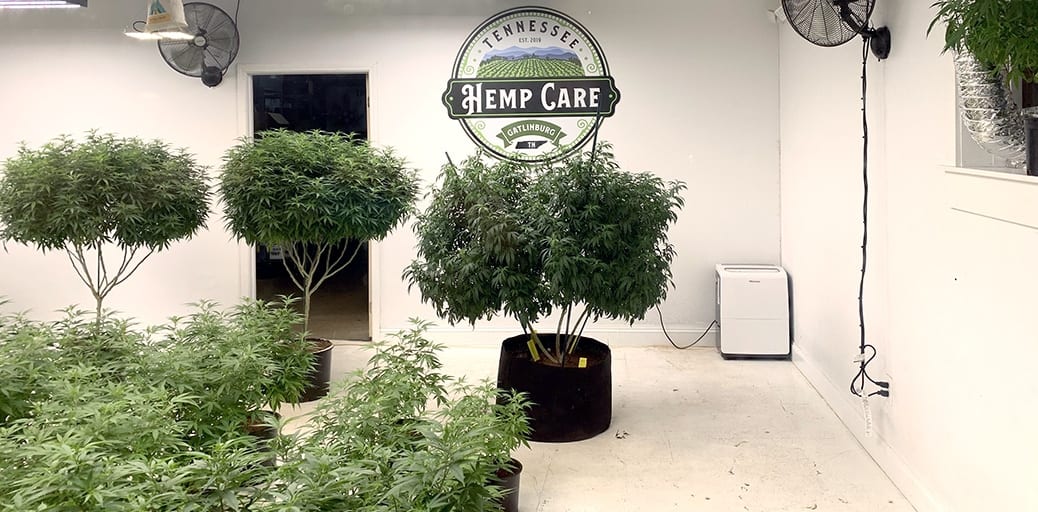
No. Marijuana is fully illegal in Tennessee for both recreational and medical use, with no general exceptions. There is no licensed marijuana dispensary system, no medical marijuana card program, and no legal pathway for the general public to purchase traditional marijuana products. Possessing even a small amount is treated as a criminal offense under Tennessee law.
So What Are Those “Dispensary” Stores, Really?
The confusion makes sense — these stores are deliberately designed to resemble marijuana dispensaries found in legal states, and many of their products can produce similar effects. But legally, they operate in an entirely different category: hemp retail, not marijuana retail.
Hemp vs. Marijuana: What’s the Legal Difference?
The entire distinction comes down to one number. Under both federal law (the 2018 Farm Bill) and Tennessee law, hemp is legally defined as Cannabis sativa containing 0.3% or less THC by dry weight.
Marijuana is the same plant species containing more than that threshold. Because Tennessee follows this federal definition, hemp-based stores have been able to legally operate even under the state’s strict marijuana prohibition.
Hemp vs. Marijuana Comparison
| Factor | Hemp (What “Dispensaries” Actually Sell) | Marijuana |
|---|---|---|
| Legal THC threshold | 0.3% or less (by dry weight, total THC) | Above 0.3% |
| Legal status in Tennessee | Legal when compliant and sold through licensed retailers | Fully illegal, no exceptions for general adult use |
| Regulating agency | Tennessee Alcoholic Beverage Commission (TABC) | Not applicable — no legal retail system exists |
| Where it’s sold | Licensed hemp/CBD retailers, some bars and restaurants | Nowhere legally in Tennessee |
| Age requirement | 21+ | Not applicable |
| Products | Delta-8, hemp-derived Delta-9, CBD, low-THC edibles/drinks | N/A |
| Penalty for violation | Regulatory/licensing penalties for retailers | Criminal offense (misdemeanor) for possession |
How Tennessee’s Hemp Market Got Here: A Timeline
The 2018 Farm Bill
The federal 2018 Farm Bill legalized hemp nationwide by formally defining it as cannabis with 0.3% or less THC, separating it legally from marijuana for the first time at the federal level.
The Delta-8 and THCA Boom
Following the Farm Bill, hemp-derived products like Delta-8 THC gained popularity because they occupied a legal gray area in many states, including Tennessee.
Retailers began opening stores that closely resembled traditional marijuana dispensaries, selling THCA flower, vapes, and edibles.
For several years, relatively weak enforcement allowed many of these products to carry meaningful psychoactive potency, fueling both the market’s growth and public confusion about legality.
2025–2026 Regulatory Overhaul
In May 2025, Tennessee passed sweeping hemp legislation (Public Chapter 526) that transferred oversight from the Tennessee Department of Agriculture to the Tennessee Alcoholic Beverage Commission, created a three-tier licensing system modeled on alcohol regulation, and set a THCA ban in motion.
The law’s core provisions took effect January 1, 2026, with full enforcement — including the THCA ban — arriving July 1, 2026, after a transition period for existing “legacy” license holders.
What Changed in 2026 (TABC Takeover, THCA Ban, Age Limits)
Several major changes reshaped Tennessee’s hemp market in 2026:
- Regulatory transfer: Hemp-derived cannabinoid products (HDCPs) are now regulated by the TABC, the same agency that oversees alcohol — not the Department of Agriculture.
- THCA ban: As of July 1, 2026, most THCA products became illegal to sell, since regulators now measure “total THC” in a way that includes THCA’s conversion into Delta-9 THC when heated. THCA had reportedly made up roughly three-quarters of Tennessee’s hemp sales before the ban, according to industry estimates.
- Age verification: Purchasing, possessing, or being sold an HDCP is now restricted to adults 21 and older, with mandatory age verification at the point of sale.
- Retail restrictions: Hemp products can now only be sold at businesses that are age-restricted to 21+ or that hold a TABC liquor-by-the-drink license — meaning most convenience stores and grocery stores were locked out of the category once Department of Agriculture licenses expired.
- Online sales ban: Direct-to-consumer shipping or delivery of hemp THC products into Tennessee is no longer permitted, regardless of where the seller is located.
- Product verification: Compliant products must carry a scannable QR code linking to a certificate of analysis (COA) confirming lab-tested THC content, along with a required warning label.
Is There Any Legal Medical Marijuana in Tennessee?
There is a narrow exception, but it isn’t a functioning medical marijuana program in the way most people picture one. Tennessee law allows patients with certain qualifying conditions to possess low-THC cannabis oil containing no more than 0.9% THC alongside significant CBD content.
There are no licensed dispensaries, no patient registration cards, and no physicians formally authorized to “recommend” marijuana under this provision — it’s a limited legal carve-out, not a medical cannabis system comparable to states like Kentucky or Georgia.
How to Tell If a Hemp Product Is Actually Legal
Because enforcement has tightened significantly, it’s worth knowing what a compliant product looks like before buying:
- Check for a TABC-licensed retailer. As of July 1, 2026, only licensed businesses can legally sell HDCPs.
- Look for a scannable QR code. Compliant products link to a certificate of analysis (COA) verifying lab-tested THC content.
- Confirm the total THC content is 0.3% or below. This figure should account for THCA conversion, not just Delta-9 THC alone.
- Verify age requirements are enforced. Legitimate retailers require ID and restrict entry or sales to customers 21 and older.
- Avoid online or delivery purchases. Direct-to-consumer shipping into Tennessee is not a legal sales channel as of mid-2026.
If a QR code doesn’t pull up a valid certificate of analysis, or a retailer isn’t enforcing age verification, treat that as a red flag.
How Tennessee Compares to Neighboring States
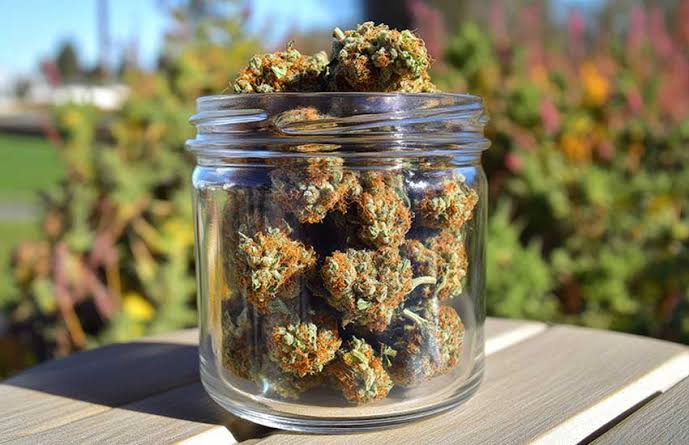
Tennessee’s strict marijuana stance stands out sharply against its neighbors, several of which now offer some form of legal dispensary access.
| State | Cannabis Legal Status (as of 2026) |
|---|---|
| Tennessee | No recreational or medical marijuana; hemp products only, heavily regulated |
| Kentucky | Medical marijuana program launched in 2025, with dispensaries operating |
| Missouri | Full recreational legalization, including retail dispensaries and home grow |
| Virginia | Adult possession and home grow legal; retail sales not yet operational |
| Georgia | Medical marijuana program, expanded further in 2026 |
| North Carolina | No statewide program, but a legal adult-use dispensary operates on Eastern Band of Cherokee Indians tribal land near the Tennessee border |
This regional contrast is part of why the “dispensary” confusion is so persistent — Tennessee residents are often just a short drive from an actual, legally operating dispensary in a bordering state, even though none exist within Tennessee itself.
Legal Risks and Things to Know
- Marijuana possession remains a criminal offense in Tennessee, regardless of what’s legal in neighboring states — and bringing marijuana purchased legally elsewhere into Tennessee does not make it legal.
- Federal land is treated differently. Places like the Great Smoky Mountains National Park, national forests, and military installations fall under federal law, where any THC product — hemp or otherwise — can be treated as illegal regardless of state rules.
- Legal hemp products can still affect drug tests. Standard workplace drug panels typically can’t distinguish hemp-derived Delta-9 THC from marijuana-derived Delta-9 THC, so legally purchased hemp products can still result in a positive test.
- Products exceeding Tennessee’s THC limits are treated as marijuana, meaning possession of a non-compliant “hemp” product can carry the same criminal penalties as marijuana possession.
Frequently Asked Questions (FAQs)
Why are there dispensaries in Tennessee if weed is illegal?
The stores called “dispensaries” are licensed hemp and CBD retailers selling federally legal, low-THC hemp products — not marijuana, which remains fully illegal in Tennessee.
Is marijuana legal in Tennessee?
No. Marijuana is fully illegal for both recreational and medical use, with no licensed dispensary system or medical marijuana card program.
What are the “dispensary” stores in Tennessee actually selling?
They sell hemp-derived cannabinoid products such as Delta-8, hemp-derived Delta-9, CBD, and low-THC edibles and drinks that comply with the 0.3% total THC legal limit.
What’s the legal difference between hemp and marijuana?
Hemp is Cannabis sativa containing 0.3% or less THC by dry weight; marijuana is the same plant species above that threshold, and only hemp is legal under current Tennessee and federal law.
Is Delta-8 THC legal in Tennessee?
Delta-8 remains available under Tennessee’s hemp framework, but it’s now subject to stricter licensing, age verification, and total-THC testing requirements introduced in 2026.
Is THCA legal in Tennessee in 2026?
No. As of July 1, 2026, most THCA products became illegal to sell in Tennessee because regulators now measure total THC in a way that accounts for THCA’s conversion into Delta-9 THC.
What happened to THCA products in Tennessee?
Tennessee’s 2025–2026 hemp law overhaul closed the “THCA loophole” by requiring total-THC testing that includes THCA, effectively banning most THCA flower, pre-rolls, and vapes from legal sale.
Does Tennessee have a medical marijuana program?
Not a traditional one. Tennessee only allows a narrow exception for low-THC cannabis oil (0.9% THC or less) for patients with certain qualifying conditions — there are no licensed dispensaries or patient ID cards.
What is Tennessee’s low-THC cannabis oil exception?
It’s a limited legal carve-out allowing possession of cannabis oil with no more than 0.9% THC and significant CBD content for qualifying patients, distinct from a full medical marijuana program.
What agency regulates hemp products in Tennessee now?
The Tennessee Alcoholic Beverage Commission (TABC) took over hemp regulation from the Department of Agriculture as part of the 2025–2026 law changes.
How old do you have to be to buy hemp products in Tennessee?
You must be 21 or older; it’s an offense for anyone under 21 to purchase, possess, or be sold a hemp-derived cannabinoid product.
Can you order hemp THC products online to Tennessee?
No. Direct-to-consumer shipping or delivery of hemp THC products into Tennessee is not permitted under current rules.
What is a certificate of analysis (COA) for hemp products?
It’s a lab report verifying a hemp product’s THC content and confirming it meets the legal 0.3% total THC threshold; compliant products link to their COA via a scannable QR code.
How can I check if a hemp product is legal in Tennessee?
Look for a valid QR code linking to a certificate of analysis, confirm the retailer is TABC-licensed, and verify the product’s total THC (including THCA conversion) is 0.3% or below.
Can you buy hemp seltzers or THC drinks at bars in Tennessee?
Yes, at establishments that hold the appropriate TABC hemp license alongside their existing alcohol permits, following the 2026 regulatory changes.
What happens if you possess marijuana in Tennessee?
Possession of marijuana is a criminal offense in Tennessee, typically charged as a misdemeanor, and can carry more serious penalties depending on amount and circumstances.
Can hemp products cause you to fail a drug test?
Yes, because standard workplace drug tests generally can’t distinguish hemp-derived Delta-9 THC from marijuana-derived THC.
Is marijuana legal on federal land in Tennessee?
No. Federal land such as national parks, national forests, and military bases follows federal law, where cannabis products are treated as illegal regardless of Tennessee’s hemp framework.
Which states bordering Tennessee have legal marijuana?
Kentucky has a medical marijuana program, Missouri has full recreational legalization, Virginia allows adult possession, Georgia has an expanded medical program, and a tribal dispensary operates near the North Carolina border.
Could Tennessee legalize marijuana in the future?
There’s no current legal marijuana program, and while state lawmakers have periodically proposed reform measures, none have passed as of mid-2026.
Key Takeaways
- The stores people call “dispensaries” in Tennessee are licensed hemp retailers, not marijuana shops — marijuana itself remains fully illegal in the state.
- The entire legal distinction rests on THC content: 0.3% or less by dry weight is hemp; anything above that is marijuana.
- Tennessee’s 2025–2026 law overhaul moved hemp regulation to the TABC, banned most THCA products as of July 1, 2026, and added strict age verification and licensing requirements.
- Tennessee’s only cannabis-related medical exception is a narrow low-THC oil provision — not a real dispensary-based medical marijuana program.
- Buyers can verify legality by checking for a TABC-licensed retailer, a valid QR-code certificate of analysis, and confirmed total THC under 0.3%.
