

Why does my car smell like burning oil is one of the most common questions drivers search for right after they catch that sharp, acrid odor drifting from under the hood.
This smell usually means oil has leaked onto a hot engine part, like the exhaust manifold, and is burning off on contact.
It can also point to an overfilled crankcase, a worn gasket, or a bigger internal engine problem.
What Does a Burning Oil Smell in a Car Actually Mean
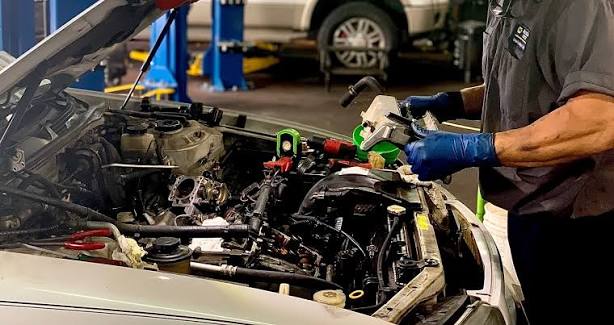
A burning oil smell means engine oil has escaped its normal sealed path and landed on a hot surface. The exhaust manifold, engine block, or turbocharger housing can all reach temperatures high enough to burn oil instantly.
This smell is different from burning rubber, burning plastic, or an overheating coolant smell. It usually has a thick, bitter, almost smoky character that gets stronger after highway driving or long idling.
Common Causes of a Car Smelling Like Burning Oil
There are several reasons your engine bay might produce this odor. Some are minor and cheap to fix, while others signal deeper mechanical wear.
| Cause | How It Happens | Repair Urgency |
|---|---|---|
| Oil leaking onto exhaust manifold | Leaking seal drips oil onto hot metal | Moderate to High |
| Valve cover gasket leak | Aged rubber gasket cracks and seeps oil | Moderate |
| Overfilled engine oil | Excess oil splashes onto hot parts | Low to Moderate |
| Oil filter or drain plug not tightened | Leftover oil from a recent oil change burns off | Low |
| Worn piston rings | Oil seeps into the combustion chamber | High |
| Blown head gasket | Oil and coolant mix or leak externally | High |
| Turbocharger seal failure | Oil leaks into hot turbo housing | High |
Oil Leaking Onto the Exhaust Manifold
This is the single most common reason a car smells like burning oil. A small drip from a hose, seal, or gasket lands on the exhaust manifold and burns instantly.
You will often notice this smell more strongly after the car has been running for a while, since the manifold needs time to heat up fully.
Valve Cover Gasket Leak
The valve cover gasket seals the top of the engine and is one of the first gaskets to dry out and crack with age. Once it fails, oil seeps down onto the engine block or exhaust components below.
This type of leak often shows up as a faint burning smell that gradually gets stronger over a few weeks, along with visible oil residue on the engine.
Oil Filter or Drain Plug Issue After an Oil Change
If your car smells like burning oil right after an oil change, a technician may not have tightened the drain plug or filter completely. Spilled oil on the exhaust or engine cover burns off during the next drive.
This smell typically fades within a day or two once the residue burns away, but it is worth a quick inspection to rule out an active leak.
Overfilled Engine Oil
Adding too much oil during a service raises pressure inside the crankcase and can force oil past seals or onto the dipstick tube. Excess oil eventually splashes onto hot components.
Checking your dipstick against the manufacturer’s fill line is a fast way to confirm whether overfilling is the cause of the burning oil smell in your car.
Worn Piston Rings and Valve Seals
When piston rings or valve seals wear out, oil can slip past them and enter the combustion chamber alongside fuel and air. This burns internally rather than externally on hot metal.
This cause usually comes with extra symptoms like blue-tinted exhaust smoke, rising oil consumption, and a rough idle, and it requires a mechanic’s diagnosis.
Blown Head Gasket
A blown head gasket lets oil, coolant, or combustion gases cross paths where they should stay separate. This can trigger both a burning oil smell and a sweet coolant smell at the same time.
Left unaddressed, a blown head gasket can lead to engine overheating and serious internal damage, so this cause needs prompt professional attention.
Warning Signs You Should Never Ignore in 2026
Not every burning oil smell means an emergency, but certain signs mean you should stop driving and get the car inspected immediately.
| Warning Sign | What It Suggests |
|---|---|
| Visible smoke from under the hood | Active oil leak on a hot surface |
| Burning smell plus rising temperature gauge | Possible head gasket or cooling issue |
| Blue exhaust smoke | Oil burning inside the combustion chamber |
| Oil warning light on dashboard | Low oil pressure or level |
| Burning smell with a burning rubber odor | Belt or hose contacting hot metal |
| Smell strongest at idle | Leak near a stationary hot component |
Is It Safe to Drive When Your Car Smells Like Burning Oil
Short, careful trips may be fine if there is no visible smoke, no warning lights, and the oil level looks normal. But this is only a temporary allowance, not a long-term plan.
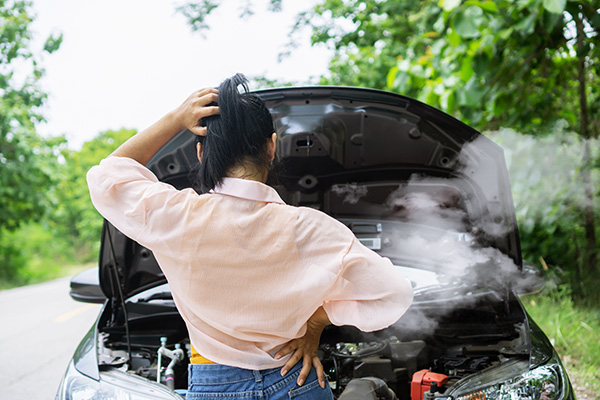
If the smell is strong, paired with smoke, or the temperature gauge climbs, pull over safely and let the engine cool before continuing or calling for help.
How to Diagnose the Source of the Smell Yourself
A few simple checks at home can narrow down the cause before you head to a mechanic. Start with the basics before assuming the worst.
Pop the hood once the engine has cooled and look for oil residue around the valve cover, oil filter, and drain plug area.
Check the dipstick to confirm the oil level sits between the minimum and maximum marks, since overfilling is an easy fix.
Look underneath the car for fresh oil spots on the ground, which usually point to a leak rather than internal burning.
How to Fix a Burning Oil Smell in Your Car
| Fix | Difficulty | Typical Cost (2026) |
|---|---|---|
| Tighten drain plug or oil filter | Easy (DIY) | $0–$20 |
| Drain excess oil to correct level | Easy (DIY) | $0–$30 |
| Replace valve cover gasket | Moderate | $120–$400 |
| Repair oil leak near exhaust manifold | Moderate to Hard | $150–$500 |
| Replace head gasket | Hard (Professional) | $1,000–$2,500 |
| Repair worn piston rings | Hard (Professional) | $1,500–$3,500 |
Cost to Fix Common Causes of Burning Oil Smell
Repair costs vary widely depending on the root cause, your vehicle make, and local labor rates. Minor leaks are inexpensive, while internal engine repairs are the costliest.
Getting an early diagnosis usually saves money, since a small gasket leak is far cheaper to fix than the engine damage it can eventually cause if ignored.
Burning Oil Smell vs Other Common Car Smells
| Smell Type | Likely Source | Danger Level |
|---|---|---|
| Burning oil | Oil leak on hot engine part | Moderate |
| Burning rubber | Slipping belt or dragging tire | Moderate |
| Sweet coolant smell | Coolant leak or head gasket issue | High |
| Burning plastic | Electrical wiring issue | High |
| Rotten egg smell | Failing catalytic converter | Moderate |
Preventive Maintenance Tips to Avoid This Smell

Stick to your manufacturer’s recommended oil change interval, and always confirm the shop uses the correct oil quantity for your engine size.
Inspect gaskets and seals during routine maintenance visits, since catching a small crack early prevents it from becoming a larger leak.
Keep an eye on your oil level monthly, especially before long road trips, so you can catch a slow leak before it becomes a burning smell.
Burning Oil Smell in the Cabin vs Under the Hood
Sometimes the burning oil smell stays under the hood and never reaches the cabin, which usually points to a leak near the exhaust manifold or engine block. Other times, the smell drifts inside through the vents.
If the odor is noticeable inside the cabin, especially when the heater or AC fan is running, oil may have leaked onto a component near the firewall or HVAC intake area.
A smell that only appears under the hood with the hood open is generally less urgent than one that fills the cabin, since cabin odors often mean the leak is closer to critical components.
How Engine Type Affects the Burning Oil Smell
Turbocharged engines are more prone to this smell because the turbo housing runs extremely hot and sits close to oil lines. A small turbo seal leak can create a strong burning smell very quickly.
Naturally aspirated engines tend to produce a milder smell since they lack the extreme heat of a turbocharger, but valve cover and gasket leaks are still common across all engine types.
Diesel engines can also produce a burning oil smell, often paired with a slightly different, heavier odor due to the higher compression and different oil formulations used.
Burning Oil Smell After Highway Driving vs City Driving
A burning oil smell that appears mainly after highway driving often means the engine reached higher temperatures long enough to fully burn off a small leak. Sustained speed and heat make minor leaks more noticeable.
If the smell shows up during stop-and-go city driving or at idle, the leak source is likely closer to a component that stays hot even without airflow, such as the exhaust manifold near the firewall.
Tracking when the smell appears, whether after long drives, short trips, or right after startup, helps a mechanic pinpoint the cause faster and reduces diagnostic time.
DIY Checks vs When to Call a Professional
Basic checks like inspecting the dipstick, looking for visible oil spots, and tightening an accessible drain plug are safe for most drivers to handle at home. These take only a few minutes.
Once the cause involves gaskets, seals, or anything requiring engine disassembly, it is best to hand the job to a certified mechanic who has the right tools and lift access.
Attempting a complex repair without proper training can lead to stripped bolts, incorrect torque specs, or a new leak, which ends up costing more than the original problem.
Seasonal Factors That Can Trigger the Smell
Cold winter mornings can make old, thickened oil seep past worn seals more easily once the engine warms up, producing a burning smell that fades as temperatures rise.
Hot summer driving pushes engine temperatures higher for longer periods, which can make even a tiny oil leak far more noticeable than it would be in cooler weather.
If you only notice the burning oil smell during extreme weather, it may still indicate an existing minor leak that is simply more obvious under those conditions.
Quick Reference Checklist Before You Call a Mechanic
Use this short checklist to gather useful information that will help your mechanic diagnose the burning oil smell faster and more accurately.
| Check | What to Note |
|---|---|
| Oil level on dipstick | Above, below, or at the correct mark |
| Visible smoke | Yes or no, and its color |
| Smell timing | At startup, idle, or after driving |
| Dashboard warning lights | Any oil, temperature, or check engine light |
| Ground stains | Fresh oil spots under the parked car |
| Recent service | Date of last oil change or repair |
Common Mistakes Drivers Make With This Smell
Many drivers assume the smell will simply go away on its own, especially if it seems mild. This assumption can allow a small leak to grow into a larger, costlier repair.
Another common mistake is topping off oil repeatedly without ever locating the source of the loss, which only delays the real fix and wastes money on extra oil.
Some drivers also ignore the smell because there is no visible smoke, not realizing that many leaks burn off cleanly without producing noticeable smoke at all.
How Mechanics Diagnose a Burning Oil Smell
A professional inspection usually starts with a visual check of the engine bay under bright light, looking for wet oil residue around gaskets, hoses, and the oil filter housing.
Mechanics often use a UV dye added to the oil, which glows under a black light and makes even tiny leaks easy to trace back to their exact source.
A pressure test may also be used on the cooling system to rule out a head gasket issue if the burning oil smell appears alongside overheating or coolant loss.
Once the leak source is confirmed, the mechanic can recommend the correct fix, whether that is a simple gasket replacement or a deeper internal engine repair.
Why Ignoring the Smell Can Lead to Bigger Problems
Continuing to drive with an active oil leak slowly reduces the amount of lubrication available to critical engine parts. Over time, this increases friction and accelerates wear.
Low oil levels can also cause the engine to run hotter than normal, which raises the risk of warping components like the cylinder head or damaging the head gasket itself.
In the worst cases, prolonged low oil pressure can cause the engine to seize completely, turning what started as a simple gasket leak into a full engine replacement.
Catching the burning oil smell early and addressing it promptly is almost always far cheaper than waiting until the underlying damage becomes severe.
Long-Term Prevention Habits for a Healthy Engine
Building a habit of checking your oil level every few weeks helps you catch a slow leak long before it ever produces a burning smell. This takes less than two minutes.
Choosing a trusted shop for oil changes reduces the risk of overfilling, spilled oil on the exhaust, or a loosely fitted drain plug causing a smell afterward.
Replacing aging gaskets proactively, especially on vehicles over eight years old, can prevent the gradual seepage that eventually leads to a persistent burning oil odor.
Keeping a simple maintenance log with dates and mileage for oil changes, gasket replacements, and inspections makes it easier to spot patterns if the smell ever returns.
Frequently Asked Questions (FAQs)
What does it mean if my car smells like burning oil?
It usually means oil is leaking or dripping onto a hot part like the exhaust manifold or engine block. It can also mean the oil level is too high.
Why does my car smell like burning oil after an oil change?
Leftover spilled oil from the service often drips onto hot components and burns off. It usually clears up within a day or two if there is no active leak.
Is it safe to drive my car if it smells like burning oil?
Short distances may be okay if there is no smoke or major leak. It is best to get the car inspected as soon as possible to avoid bigger issues.
Can a burning oil smell damage my engine?
Yes, if the underlying leak is left untreated, low oil levels can starve the engine of lubrication. This can lead to accelerated wear or engine failure over time.
Why does the smell only appear when the car is running?
Oil only burns off once it contacts a hot surface, which happens as the engine warms up. That is why the smell is often strongest after driving or during idling.
How do I stop my car from smelling like burning oil?
Locate and repair the source of the leak, then clean off any oil residue in the engine bay. Keeping oil levels correct also helps prevent the smell from returning.
Does a burning oil smell mean I need an oil change?
Not always, since the smell often points to a leak rather than old oil. However, checking your oil level and condition is a good first step regardless.
Can overfilled oil cause a burning smell?
Yes, too much oil in the crankcase can splash onto hot engine parts and burn off. Checking the dipstick against the fill line quickly confirms this cause.
What is the difference between burning oil smell and burning rubber smell?
Burning oil smells thick and bitter, while burning rubber has a sharper, more chemical odor. Rubber smells often come from a slipping belt rather than a fluid leak.
When should I take my car to a mechanic for a burning oil smell?
If the smell persists for more than a day, comes with visible smoke, or appears alongside warning lights, schedule a professional inspection right away. Waiting can turn a small leak into a costly repair.
Conclusion
A car that smells like burning oil is almost always telling you something specific, whether that is a small leak on the exhaust manifold, an overfilled crankcase, or a more serious issue like a worn valve seal or blown head gasket.
The good news is that most causes are diagnosable with a simple visual check and a look at your dipstick, and many repairs are affordable when caught early.
Ignoring the smell, however, risks turning a minor gasket leak into a major engine repair costing thousands of dollars. If you notice smoke, a rising temperature gauge, or warning lights along with the burning oil smell, treat it as urgent and get the vehicle inspected right away.
For everything else, a prompt visit to a trusted mechanic will keep your engine running safely and help you avoid costly damage down the road.
