

Why is my engine shaking is one of the most common questions drivers type into Google the moment they feel an odd tremor under the hood.
A shaking engine can happen at idle, while driving, right after startup, or even when the car is parked. Some vibration is normal, but a sudden or growing shake usually points to a real mechanical issue.
Is Some Engine Vibration Normal?
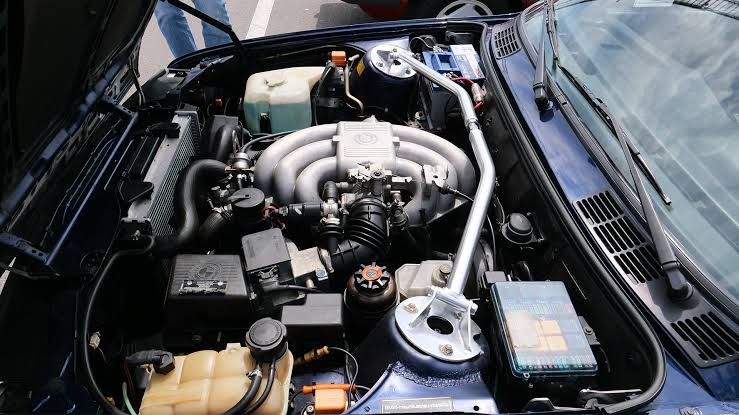
Yes, a small amount of engine vibration is completely normal. Internal combustion engines fire pistons in rapid, controlled explosions, and this naturally creates a faint hum you can feel through the pedals or seat.
The problem starts when that faint hum turns into a noticeable shake, rattle, or jerk. If you can see the hood moving, feel the steering wheel buzz, or notice the whole cabin trembling, something is wrong.
Quick Overview Table: Engine Shaking By Situation
| Situation | Most Likely Cause | Urgency |
|---|---|---|
| Shaking at idle | Spark plugs, vacuum leak, dirty injectors | Moderate |
| Shaking while driving | Misfire, CV joint, fuel delivery | High |
| Shaking on startup | Cold misfire, worn mounts | Moderate |
| Shaking when accelerating | Misfire, unbalanced tires | High |
| Shaking when braking | Warped rotors, worn pads | High |
| Shaking when parked | Weak motor mounts, accessory load | Moderate |
Why Is My Engine Shaking When Idling
Idle shaking is one of the most reported complaints, and it usually traces back to the engine’s air, fuel, or spark systems.
Worn or Fouled Spark Plugs
Spark plugs ignite the air-fuel mixture in each cylinder. When they wear out or get fouled with carbon, combustion becomes uneven.
This uneven firing causes the engine to shake, especially at idle when RPMs are low. Replacing spark plugs is usually an affordable fix.
Vacuum Leaks
A vacuum leak lets extra unmetered air into the engine, throwing off the air-fuel ratio. This makes the engine run lean and idle roughly.
Cracked hoses, a bad intake gasket, or a loose vacuum line are common culprits. A smoke test at a shop can usually locate the leak quickly.
Dirty Fuel Injectors or Air Filter
Fuel injectors spray a fine, precise mist into each cylinder. Over time, they can accumulate deposits that distort the spray pattern.
A clogged air filter restricts airflow the same way, starving the engine of oxygen it needs. Both issues lead to rough, shaky idling.
Weak or Broken Engine Mounts
Engine mounts hold the motor in place and absorb its natural vibration. When rubber mounts crack or separate, that vibration transfers straight into the cabin.
You will often feel this most at idle or when the AC and other accessories are running. A visual inspection can usually confirm mount damage.
Why Is My Engine Shaking While Driving
Shaking that appears or worsens once the car is moving points toward a different set of suspects than idle shaking.
Engine Misfire
A misfire happens when one or more cylinders fail to fire correctly. This can come from spark plugs, ignition coils, or a fuel delivery fault.
You will usually feel a jerking or stumbling sensation, and the check engine light may flash. Flashing lights mean you should stop driving soon.
Worn CV Joints or Driveshaft
Constant velocity joints transfer power from the transmission to the wheels. A worn CV joint often causes shuddering during acceleration, along with a clicking sound.
A bent driveshaft produces similar symptoms but tends to get worse the faster you go. Both require prompt mechanical inspection.
Unbalanced or Damaged Tires
Tires that lose balance weights or develop flat spots create vibration that feels like it is coming from the engine. This is especially common at highway speeds.
The shake typically peaks in a certain speed range, often between 55 and 65 mph. Rebalancing the wheels usually resolves it.
Fuel Delivery Problems
A clogged fuel filter, weak fuel pump, or contaminated fuel can all starve the engine under load. This causes stumbling or shaking during acceleration.
Modern direct injection engines can also build up carbon on intake valves over time. This buildup affects how smoothly the engine runs.
Timing Belt Issues
The timing belt keeps engine components synchronized. A worn, stretched, or cracked belt throws off that timing and causes shaking.
This problem is more common in higher mileage vehicles. Regular belt inspections can catch wear before it becomes a bigger failure.
Why Is My Engine Shaking on Startup
Shaking right when you turn the key is unsettling, but it often has a fairly narrow set of causes.
Cold Start Misfire
In cold weather, fuel does not vaporize as easily, which can cause a rough, shaky startup. This is sometimes normal in freezing temperatures.
If the shaking lasts more than a few seconds or happens in warm weather too, it likely points to a spark plug or ignition issue.
Worn Motor Mounts
Just like at idle, weak motor mounts fail to absorb the engine’s initial burst of vibration at startup. You may feel a hard jolt or shimmy.
This shake often settles once the engine mounts are replaced. It is one of the more common startup shaking complaints.
Fuel or Air Delivery Issues
Dirty injectors or a clogged air filter can cause a rough, uneven startup before the engine settles into a normal idle. This is similar to idle-related shaking.
Cleaning or replacing these parts is generally an affordable maintenance task. Most shops can do this in under an hour.
Normal Cold-Weather Vibration
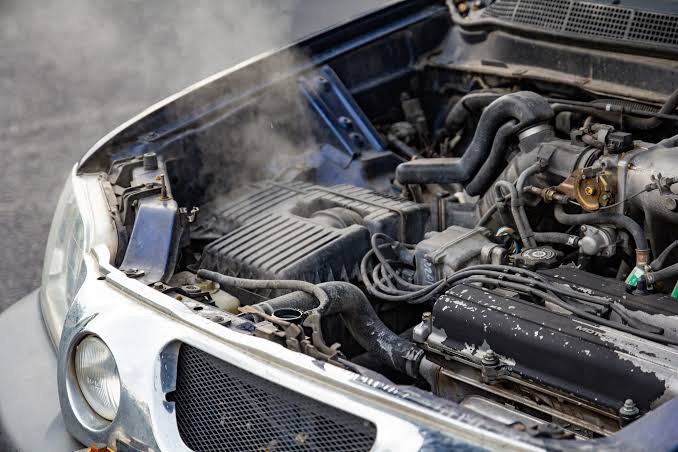
Some brief shake on cold mornings, especially in freezing climates, is considered normal. The engine simply needs a moment to warm up.
If the vibration disappears within 10 to 20 seconds and does not return, there is usually no cause for concern.
Engine Shaking When Accelerating
Shaking specifically when you press the gas pedal usually means the engine, drivetrain, or wheels are struggling under load.
Misfiring cylinders, dirty fuel injectors, and worn CV joints are the leading causes. Unbalanced tires can also intensify as your speed increases.
If the shake gets noticeably worse the harder you accelerate, have the vehicle inspected soon. This pattern often signals a load-related mechanical fault.
Engine Shaking When Braking
Shaking during braking is rarely an engine issue at all, even though it can feel similar. It is almost always tied to the braking system.
Warped brake rotors are the number one cause, creating a pulsing feeling in the pedal or steering wheel. Worn pads and sticking calipers can also contribute.
Engine Shaking When Parked or Stopped
If your car shakes while sitting still with the engine running, the issue is often related to idle quality or accessory load.
Turning on the AC, headlights, or defroster adds strain to the engine. A weak or poorly tuned engine may shake more under that extra load.
Persistent shaking while parked, even with no accessories on, usually points to worn motor mounts or a rough-running engine.
Table: Symptoms, Likely Causes, and Fixes
| Symptom | Likely Cause | Typical Fix |
|---|---|---|
| Rough idle, shaky at stoplights | Spark plugs or vacuum leak | Replace plugs, seal leak |
| Shaking that grows with speed | Unbalanced tires | Wheel balancing |
| Jerking during acceleration | Misfire or fuel delivery | Diagnostic scan, injector service |
| Shake with clicking sound | Worn CV joint | CV joint or axle replacement |
| Pulsing brake pedal | Warped rotors | Rotor resurfacing or replacement |
| Strong shake at startup | Weak motor mounts | Motor mount replacement |
| Shake when AC is on | Accessory load, weak idle | Tune-up, idle adjustment |
Engine Shaking vs Car Shaking: What Is the Difference
Not every shake actually comes from the engine, even though it can feel that way. Vibration travels through the frame, so a tire or brake issue can feel like it starts under the hood.
Engine-specific shaking usually feels rhythmic with engine RPM and changes if you rev the motor in park. Tire or brake shaking usually changes with vehicle speed instead.
Suspension-related shaking, like a bad shock or worn control arm bushing, tends to show up over bumps rather than at a steady idle.
Related Symptoms That Often Come With Engine Shaking
Shaking rarely travels alone. Paying attention to these related symptoms can help you and your mechanic pinpoint the cause faster.
A rough or unstable idle, where the RPM needle bounces up and down, often accompanies vacuum leaks or dirty injectors.
Reduced fuel economy frequently shows up alongside misfires, since the engine has to work harder to compensate for uneven combustion.
A burning smell can point toward an electrical or oil-related issue and should never be ignored, especially if paired with shaking.
Unusual exhaust smoke, whether blue, white, or black, is another clue. Each smoke color hints at a different underlying fault.
Simple DIY Checks You Can Do Safely
Before heading to a shop, a few basic checks can help you narrow down the cause or confirm it needs professional attention.
Check your tire pressure and look for uneven wear patterns. Underinflated or worn tires are an easy, low-cost source of vibration.
Pop the hood and visually inspect hoses and belts for cracks, looseness, or disconnection. Loose vacuum lines are often easy to spot.
Check your oil level and condition. Very low or dirty oil can contribute to rough running and added engine strain.
Look at your dashboard for warning lights. A check engine light, whether steady or flashing, is an important diagnostic clue.
If any of these checks reveal an obvious problem, address it or have it addressed. If everything looks normal, a professional diagnostic scan is the next step.
Does Engine Shaking Mean the Engine Is Failing?
Not necessarily. Many causes of engine shaking, like spark plugs or a vacuum leak, are minor and inexpensive to fix.
However, ignoring persistent shaking can lead to bigger problems over time. A prolonged misfire can damage the catalytic converter, and worn motor mounts can stress other components.
The safest approach is to treat shaking as an early warning sign rather than a diagnosis on its own. Getting it checked early usually keeps repair costs lower.
How to Diagnose Engine Shaking
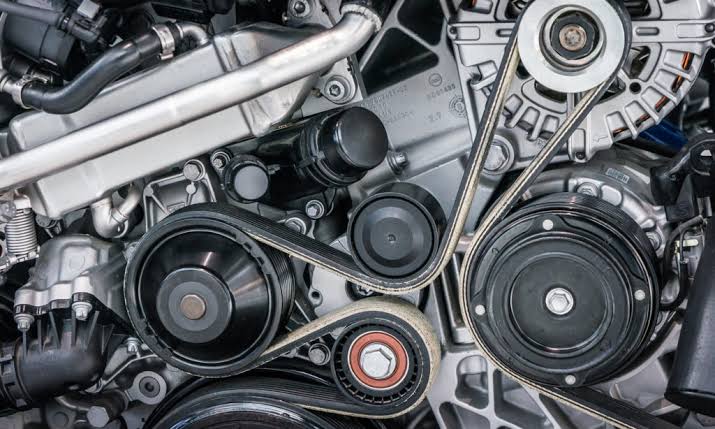
Diagnosing the exact cause starts with paying attention to when the shaking happens. Timing is one of the biggest diagnostic clues available to you.
Ask yourself if it happens at idle, while accelerating, while braking, or only at certain speeds. Each pattern points toward a different system.
Next, check for a check engine light. A flashing light usually means an active misfire that could damage your catalytic converter if ignored.
Put the car in neutral while stopped and see if the shaking decreases. If it does, worn motor mounts are a likely suspect.
Listen for accompanying sounds like clicking, grinding, or knocking. These noises often narrow down the cause faster than vibration alone.
Finally, have a mechanic run a diagnostic scan. This can reveal misfire codes, sensor faults, and other issues that are not visible during a simple inspection.
How Much Does It Cost to Fix Engine Shaking
Repair costs vary widely depending on the root cause, from a simple spark plug swap to a full motor mount replacement.
| Repair | Estimated Cost Range |
|---|---|
| Spark plug replacement | $50 to $200 |
| Ignition coil replacement | $150 to $400 |
| Motor mount replacement | $200 to $700 |
| Fuel injector cleaning | $50 to $150 |
| Fuel injector replacement | $300 to $1,000 |
| Wheel balancing | $15 to $75 per tire |
| CV joint or axle replacement | $150 to $800 |
| Vacuum leak repair | $100 to $350 |
| Timing belt replacement | $400 to $1,000 |
These are general estimates and can vary by vehicle make, model, and location. Always get a written quote before authorizing repair work.
Can I Drive With a Shaking Engine?
Driving with a mild, occasional vibration is usually low risk in the short term, but it should still be checked soon.
Driving with strong or worsening shaking is not recommended. It can indicate an active misfire, which risks damage to your catalytic converter and engine internals.
If the check engine light is flashing, stop driving as soon as it is safe. Continuing to drive under these conditions can turn a moderate repair into a major one.
How to Prevent Engine Shaking
Regular maintenance is the single best way to avoid most causes of engine shaking. Small habits go a long way toward long-term reliability.
Replace spark plugs on the schedule listed in your owner’s manual, typically every 30,000 to 100,000 miles depending on plug type.
Keep up with air filter and fuel filter changes. Clean filters keep the air-fuel mixture balanced and reduce strain on the engine.
Get your tires balanced and rotated every 5,000 to 8,000 miles. This prevents vibration issues that can mimic engine problems.
Inspect vacuum hoses and belts periodically for cracks or wear. Catching a small crack early can prevent a bigger vacuum leak or belt failure later.
Address unusual noises or vibrations promptly instead of waiting. Early attention almost always costs less than delayed repairs.
When to See a Mechanic
Some warning signs mean it is time to schedule a visit right away rather than waiting for your next scheduled service.
Get your car inspected quickly if the shaking is getting worse, if new noises appear, or if the check engine light comes on or flashes.
You should also seek help if the car feels unstable while braking or turning, or if you notice a burning smell along with the vibration.
Does Engine Shaking Differ by Vehicle Type
The core causes of engine shaking are similar across most gasoline vehicles, but a few differences are worth knowing.
In four-cylinder engines, a single misfiring cylinder has a bigger relative impact on smoothness. This is why four-cylinder cars often shake more noticeably from a single bad spark plug.
V6 and V8 engines tend to mask a single misfire more easily, since more cylinders share the workload. Shaking in these engines may take longer to notice.
Hybrid vehicles can shake when the gas engine cycles on and off, which is sometimes normal. If the shake is strong or paired with warning lights, it still deserves inspection.
Diesel engines naturally vibrate more than gasoline engines due to higher compression. Extra vibration in a diesel is not automatically a red flag, but sudden changes still are.
Table: Warning Signs That Mean Stop Driving
| Warning Sign | What It Means |
|---|---|
| Flashing check engine light | Active misfire, converter risk |
| Burning smell with shaking | Possible electrical or oil issue |
| Loss of power while shaking | Fuel or ignition failure |
| Grinding noise with vibration | Possible internal mechanical damage |
| Steering wheel shakes violently | Wheel, tire, or suspension failure |
If any of these signs appear, pull over safely and arrange a tow rather than continuing to drive. This protects both your safety and your engine.
Frequently Asked Questions (FAQs)
Why is my engine shaking when idling but fine while driving?
This usually points to a rough idle issue like worn spark plugs or a vacuum leak. These faults are often more noticeable at low RPM.
Why is my engine shaking after I get an oil change?
A loose oil cap, disconnected hose, or improperly reinstalled part can trigger new vibration. Have the shop that did the service double check their work.
Why is my engine shaking and making a rattling noise?
Rattling combined with shaking often means a loose heat shield, worn belt, or internal engine component. It is best diagnosed by a mechanic quickly.
Why is my engine shaking only when the AC is on?
This points to added load on a weak or poorly tuned engine. A tune-up or idle adjustment usually solves this issue.
Why is my engine shaking in cold weather but not warm weather?
Cold fuel vaporizes less efficiently, which can cause brief startup shaking. If it fades within seconds, this is generally considered normal.
Why is my engine shaking and the check engine light is flashing?
A flashing light almost always means an active misfire. Stop driving as soon as safely possible to avoid catalytic converter damage.
Why is my engine shaking at high speed but smooth at low speed?
This pattern often points to unbalanced tires or a bent wheel rather than the engine itself. A wheel balance service can confirm the cause.
Why is my engine shaking when I brake?
Braking-related shake usually comes from warped rotors or worn brake pads, not the engine. It is best addressed through a brake inspection.
Why is my engine shaking when I first start it in the morning?
Cold starts naturally cause a bit of rough running before the engine warms up. Persistent or strong shaking beyond 20 seconds should be checked.
Why is my engine shaking even after replacing the spark plugs?
If shaking continues, the cause may be ignition coils, fuel injectors, or motor mounts instead. A diagnostic scan can help narrow down the next step.
Conclusion
Engine shaking can feel alarming, but understanding when and how it happens makes diagnosis much easier.
Idle shaking often points to spark plugs, vacuum leaks, or dirty injectors, while driving shaking tends to involve misfires, CV joints, or fuel delivery problems.
Startup shaking is frequently tied to cold weather or worn motor mounts, and braking or parked shaking usually traces back to a different system entirely, like brakes or accessory load.
A small amount of vibration is normal, but growing, sudden, or noise-accompanied shaking deserves prompt attention. Regular maintenance, including spark plug changes, filter replacements, and tire balancing, prevents most common causes before they start.
If you notice a flashing check engine light, unusual smells, or worsening vibration, have your vehicle inspected as soon as possible to avoid more costly repairs down the road.
