

Why are my feet red — that’s the question most people type in the moment they glance down and notice something’s off. Red feet can look alarming, but in most cases the cause is simple and easy to treat.
Sometimes, though, redness points to a circulation problem, an infection, or a condition that needs medical attention.
What Does It Mean When Your Feet Turn Red?
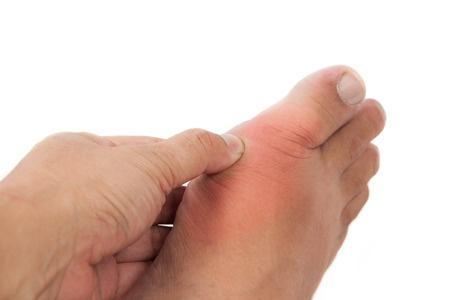
Red feet happen when blood vessels near the skin’s surface widen or when inflammation increases blood flow to the area. This can be triggered by heat, pressure, allergens, infection, or an underlying circulatory issue.
The color, pattern, and accompanying symptoms matter more than the redness itself. A podiatrist looks at whether the redness is even or patchy, warm or cool, painful or painless.
Quick Snapshot: Possible Causes at a Glance
| Cause | Typical Trigger | Usually Serious? |
|---|---|---|
| Poor circulation | Sitting, standing, cold exposure | Sometimes |
| Athlete’s foot | Fungal infection, gyms, damp shoes | No |
| Contact dermatitis | New socks, lotion, detergent | No |
| Cellulitis (bacterial) | Cut or crack in skin | Yes |
| Sunburn | UV exposure, sandals | No |
| Erythromelalgia | Heat, exercise, unknown triggers | Sometimes |
| Gout | High uric acid, big toe joint | Sometimes |
| Peripheral artery disease | Reduced blood flow | Yes |
| Diabetic skin changes | Nerve or vessel damage | Yes |
| Dye transfer | Colored socks or shoes | No |
Common Causes of Red Feet
Poor Circulation and Vascular Issues
When blood struggles to move efficiently through the veins or arteries, feet can appear red, purple, or blotchy. This is often worse after long periods of sitting or standing.
Venous insufficiency happens when vein valves stop working properly, letting blood pool in the lower legs and feet. Over time this causes a persistent red or brownish tint.
Athlete’s Foot and Fungal Infections
Athlete’s foot is a highly contagious fungal infection that thrives in warm, damp environments like locker rooms and gym showers. It usually starts between the toes.
A less common variant called moccasin-type tinea pedis spreads across the sole, heel, and sides of the foot, causing redness, scaling, and thickened skin that’s easy to mistake for dry skin.
Allergic Reactions and Contact Dermatitis
Shoes, socks, detergents, and skincare products all contain chemicals that can irritate sensitive skin. This reaction, called contact dermatitis, brings redness, itching, and sometimes small bumps or a rash.
Grass, pollen, and cosmetic additives are frequent culprits too. Washing the feet promptly after exposure often calms the reaction within a day or two.
Bacterial Infections (Cellulitis)
Cellulitis develops when bacteria enter through a cut, crack, or blister and spread into deeper skin layers. The skin becomes red, warm, swollen, and tender to touch.
This is one of the causes that needs prompt medical treatment. Left untreated, cellulitis can spread quickly and cause fever or systemic illness.
Sunburn and Heat Exposure
Feet are easy to forget when applying sunscreen, especially in sandals. A day outdoors can leave the tops of the feet visibly red, warm, and sometimes tender.
This type of redness fades within a few days with cool compresses and moisturizer. No fungal or vascular cause is involved here.
Injury or Trauma
A stubbed toe, rolled ankle, or dropped object can bruise soft tissue and trigger redness and swelling that shows up hours or a day later. Pain usually accompanies this type of redness.
The RICE method — rest, ice, compression, elevation — is the standard first response for injury-related redness and swelling.
Erythromelalgia
Erythromelalgia is a rare condition marked by burning pain, warmth, and redness, most often in the feet. Flare-ups can be triggered by heat, exercise, or standing for too long.
Episodes can last minutes or days, and the skin sometimes turns pale or bluish once the flare passes. A specialist referral is usually needed for diagnosis.
Gout and Arthritis
Gout causes sudden, intense attacks of redness, swelling, and pain, most classically in the big toe joint. It’s triggered by a buildup of uric acid crystals in the joint.
Rheumatoid arthritis can also inflame joints in the feet, leading to persistent redness alongside stiffness and swelling that’s worse in the morning.
Diabetes-Related Red Feet
People with diabetes are more prone to circulation problems and nerve damage, which can mask pain even when redness signals a real problem. This makes self-checks especially important.
Reduced sensation means an infection or sore can worsen silently. Anyone with diabetes noticing new redness should treat it as a priority, not a wait-and-see situation.
Dye Transfer from Socks or Shoes
Sometimes the explanation is refreshingly simple: dye from colored socks, tights, or new shoes rubs off onto damp or sweaty skin. A quick wash usually confirms this instantly.
If the redness disappears after washing and doesn’t return, no further action is needed.
Why Are My Feet Red When I Stand Up?
Standing up quickly can cause a brief rush of blood into the lower legs and feet, producing a flash of redness that fades within a minute or two. This is a normal circulatory response in most people.
If the redness lingers well after sitting back down, or comes with swelling and heaviness, it may point toward venous insufficiency rather than a normal blood flow shift.
Medications That Can Cause Red Feet
Certain blood pressure medications, particularly calcium channel blockers, are known to cause swelling and redness in the lower legs and feet as a side effect.
Niacin supplements can trigger a temporary flushing reaction that reddens the skin, including the feet, especially at higher doses.
Chemotherapy drugs sometimes cause hand-foot syndrome, a reaction that produces redness, tenderness, and peeling on the palms and soles.
If a new medication lines up with the start of foot redness, it’s worth mentioning to the prescribing doctor rather than stopping treatment on your own.
Children and Red Feet: Is It Different?
Kids’ feet turn red for many of the same reasons as adults — tight shoes, sunburn, allergic reactions, and athlete’s foot picked up at pools or gyms.
Fifth disease and other childhood viral rashes can also cause redness on the hands and feet, usually alongside a mild fever or rash elsewhere on the body.
Because children can’t always describe symptoms clearly, persistent redness, especially with fever or refusal to walk, warrants a pediatrician visit sooner rather than later.
Red Feet vs Red Toes: Key Differences
Redness confined to the toes often points toward gout, frostbite, chilblains, or a nail infection rather than a whole-foot issue.
Whole-foot redness is more commonly linked to circulation, allergic reactions, sunburn, or fungal infections that spread across a wider surface area.
| Pattern | Common Cause | Notes |
|---|---|---|
| Red toes only | Gout, frostbite, nail infection | Often sudden and localized |
| Red soles only | Pressure, moccasin-type fungus | Worse after standing |
| Red whole foot | Sunburn, allergy, circulation | Usually even in color |
| One red foot | Infection, injury, clot | Needs prompt evaluation |
Why Are the Bottom of My Feet Red?
Redness confined to the soles is often linked to pressure and weight-bearing rather than a systemic issue. It tends to show up after long days standing or walking in poor-fitting shoes.
The moccasin form of athlete’s foot also favors the soles, heels, and sides of the foot rather than the spaces between toes. This makes it easy to mistake for simple dryness.
Painless redness on the soles is one of the most common patterns people search for. It can still stem from contact dermatitis, early fungal infection, or mild circulatory changes.
Red Feet in Elderly Adults: What’s Different
Older adults face a higher risk of red feet linked to peripheral artery disease, venous insufficiency, and diabetes-related nerve damage. Reduced circulation is a natural part of aging in many cases.
Neuropathy can also hide pain signals, meaning a serious problem might only show up as color change rather than discomfort. Regular foot checks matter more with age.
Medication side effects are another overlooked factor. Some prescriptions affect blood vessels and skin color as an unintended side effect.
How Doctors Diagnose Red Feet
A podiatrist typically starts with a history: footwear habits, activity levels, allergies, and any existing health conditions like diabetes or heart disease.
A physical exam checks skin texture, warmth, and pattern of redness. Cool skin with pain on walking points toward circulation; warm, swollen skin points toward infection or gout.
When the cause isn’t obvious, doctors may order a skin culture, blood work, or a venous Doppler ultrasound to check for clots or blocked blood flow.
Comparison Table: Causes vs Symptoms vs Urgency
| Cause | Key Symptoms | Pain Level | See a Doctor? |
|---|---|---|---|
| Athlete’s foot | Itching, scaling, peeling | Mild | If persistent |
| Contact dermatitis | Itching, rash, bumps | Mild | If worsening |
| Cellulitis | Warmth, swelling, fever | Moderate–severe | Immediately |
| Venous insufficiency | Aching, swelling by evening | Mild–moderate | Soon |
| Peripheral artery disease | Pain when walking, cool skin | Moderate | Soon |
| Gout | Sudden joint pain, swelling | Severe | Within 24 hours |
| Erythromelalgia | Burning, heat sensitivity | Moderate–severe | Yes, for diagnosis |
| Sunburn | Warmth, tenderness | Mild | Rarely needed |
Home Remedies and Relief Tips
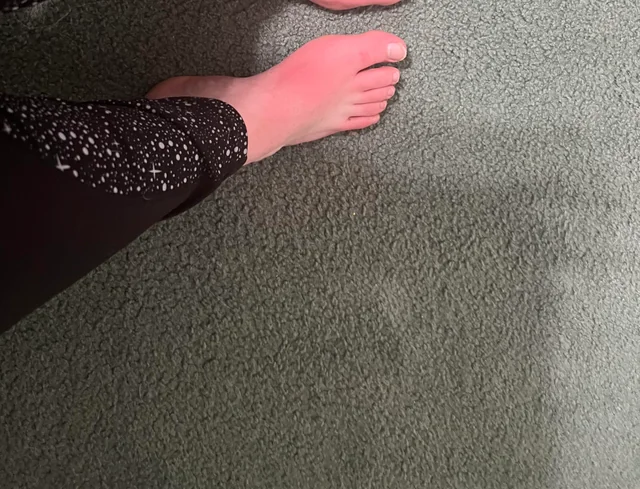
Cool compresses reduce redness and swelling from sunburn, minor irritation, or injury. Apply for 15–20 minutes at a time.
Over-the-counter hydrocortisone cream or calamine lotion helps calm allergic reactions and itching linked to contact dermatitis.
Elevating the feet above heart level for 15–20 minutes eases redness caused by pooled blood from long periods of standing.
Switching to breathable cotton socks and well-fitting shoes reduces friction, sweat buildup, and the odds of fungal growth.
Antifungal creams available at any pharmacy treat mild athlete’s foot within one to two weeks of consistent use.
Medical Treatments for Red Feet
Cellulitis requires prescription antibiotics, and treatment usually starts within hours of diagnosis to prevent the infection from spreading.
Venous insufficiency is commonly managed with compression stockings, leg elevation, and in some cases minimally invasive vein procedures.
Peripheral artery disease may need lifestyle changes, medication, or procedures like angioplasty and stenting depending on severity.
Gout flare-ups are treated with anti-inflammatory medication, and long-term management often includes dietary changes to lower uric acid levels.
When to See a Doctor Immediately
Fever alongside foot redness, or red streaks spreading up the leg, both point to a possible infection that needs urgent care.
Sudden, severe joint pain with swelling — especially at the big toe — matches a classic gout attack that responds best to early treatment.
Any new foot redness in someone with diabetes deserves a same-week appointment, even if it looks minor and doesn’t hurt.
Redness paired with cold skin, numbness, or pain while walking may signal a circulation problem that shouldn’t wait.
Diet and Red Feet
Foods high in purines, like red meat and shellfish, can raise uric acid levels and trigger gout flare-ups that turn the toes or feet red and painful.
Alcohol, particularly beer, has a similar effect on uric acid and is a common trigger doctors ask about when gout is suspected.
Staying hydrated and eating a balanced diet supports healthy circulation, which in turn lowers the odds of redness linked to poor blood flow.
Red Feet and Weather Changes
Cold temperatures can cause chilblains, a condition where small blood vessels react abnormally to cold, producing red, itchy patches once the feet warm back up.
Hot, humid weather increases sweating, which raises the risk of fungal growth and the redness that comes with it. Rotating socks during summer months helps reduce this risk.
Sudden temperature swings, like stepping from a cold outdoors into a hot shower, can also trigger short bursts of redness as blood vessels adjust quickly.
Myths About Red Feet
A common myth is that red feet always mean poor circulation. In reality, allergic reactions and simple heat exposure are far more frequent causes.
Another myth is that redness without pain is automatically harmless. Painless redness can still signal nerve-related conditions, especially in people with diabetes.
Some believe home remedies alone can fix any case of red feet. While mild irritation often responds well, infections and vascular causes need proper medical treatment to resolve safely.
How to Prevent Red Feet
Rotate shoes regularly and let them air out fully between wears to keep fungal growth from taking hold.
Moisturize daily to prevent dry, cracked skin that allows bacteria and fungus an easy entry point.
Avoid standing or sitting in one position for hours at a time; short walks keep circulation moving.
People with diabetes should check their feet daily for any redness, cuts, or changes in temperature.
Red Feet After Exercise: Normal or Not?
A workout increases blood flow to working muscles, and feet often look pink or red for 20–30 minutes afterward. This is a normal, harmless response.
Runners sometimes notice redness combined with a burning sensation on the soles, which usually points to friction, tight shoes, or early blister formation rather than anything serious.
If redness after exercise consistently comes with numbness, tingling, or pain that lingers for hours, it’s worth mentioning to a doctor, since it can hint at a circulation or nerve issue.
Footwear and Sock Choices That Help
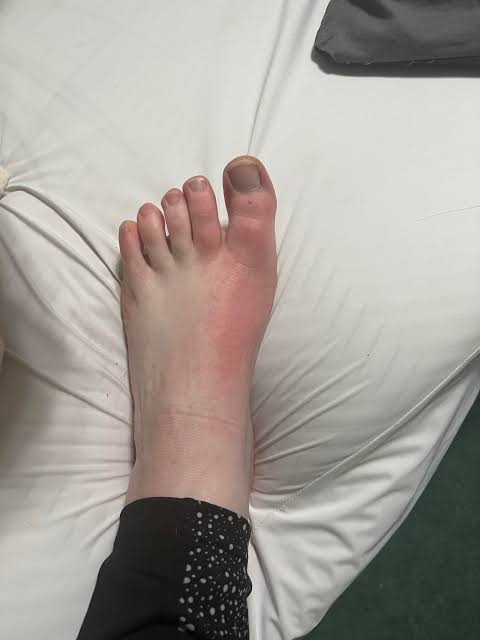
Shoes that trap heat and moisture create the perfect environment for fungal growth and skin irritation, both common answers to why are my feet red.
Switching to moisture-wicking socks and rotating between two or more pairs of shoes cuts down on the damp conditions that fungus and bacteria need to thrive.
Tight shoes compress blood vessels and can worsen redness linked to poor circulation, so proper sizing matters as much as material.
| Footwear Choice | Effect on Red Feet |
|---|---|
| Cotton socks | Traps moisture, can worsen fungal growth |
| Moisture-wicking socks | Keeps feet dry, reduces irritation |
| Tight shoes | Restricts blood flow, worsens redness |
| Breathable shoes | Supports circulation, reduces sweat |
| Compression socks | Helps venous insufficiency-related redness |
Tracking Your Symptoms Before a Doctor Visit
Keeping a simple log of when the redness appears, how long it lasts, and what activity came before it helps a podiatrist narrow down the cause faster.
Note whether the redness is warm or cool to the touch, since this single detail often separates infection from a circulation problem.
Photos taken in natural light at different times of day give a doctor a clearer picture than a description alone, especially if the redness comes and goes.
Working With a Podiatrist Long-Term
For recurring redness, a podiatrist may recommend periodic check-ins rather than a single visit, especially if the cause turns out to be circulation-related or chronic.
Custom orthotics can reduce pressure-related redness on the soles for people who spend long hours standing or walking as part of their job.
Blood sugar management, weight control, and regular movement all support healthier circulation over time, lowering the odds of recurring red, discolored feet.
Bringing a symptom log and photos to each visit makes it easier for a podiatrist to spot patterns that might otherwise be missed between appointments.
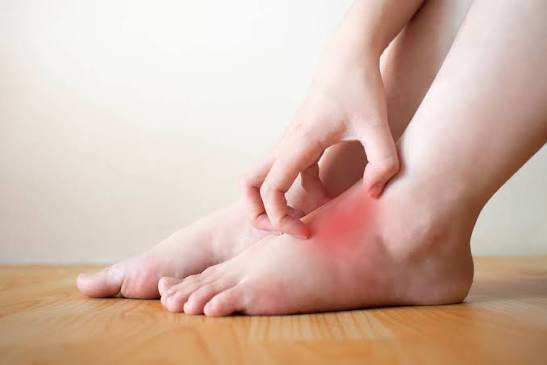
Frequently Asked Questions (FAQs)
1. Why are my feet red after walking?
Increased blood flow to working muscles temporarily reddens the skin. It typically fades within an hour of rest.
2. Why are my feet red and warm?
Warmth plus redness often points to infection, inflammation, or an allergic reaction rather than simple circulation changes.
3. Why are my feet red but not itchy?
Painless, non-itchy redness can still stem from pressure, mild circulation changes, or early-stage fungal infection.
4. Can dehydration make my feet red?
Dehydration alone rarely causes redness, but it can worsen circulation issues that do produce color changes.
5. Why are the bottoms of my feet red at night?
Blood pooling from a full day of standing or walking often peaks by evening and fades by morning.
6. Is red feet a sign of diabetes?
Persistent redness can signal diabetes-related circulation or nerve changes, so it’s worth checking with a doctor.
7. Can anxiety cause red feet?
Stress can trigger temporary blood vessel changes, but ongoing redness usually has a physical, not emotional, cause.
8. Why are my feet red after a shower?
Hot water widens blood vessels near the skin, causing short-term redness that fades within 20–30 minutes.
9. Should I worry if only one foot is red?
Yes — one-sided redness is more likely to signal infection, injury, or a clot and deserves quicker evaluation.
10. How long does red feet from allergies usually last?
Mild allergic redness typically clears within 24–48 hours once the irritant is removed and the area is washed.
Conclusion
Red feet cover a wide range of causes, from a simple sunburn or dye stain to circulation problems that need medical care.
Most cases resolve with basic steps: washing off irritants, resting, elevating the feet, or using an over-the-counter cream.
The details matter, though — warmth, swelling, fever, pain while walking, or redness in someone with diabetes are all signs that point toward something that shouldn’t wait.
Tracking when the redness appears, what makes it better or worse, and whether it’s paired with other symptoms gives a podiatrist the clues needed for a fast, accurate diagnosis.
If redness keeps returning, spreads, or comes with pain, book an appointment rather than guessing. Understanding why your feet are red is the first step toward treating the real cause and keeping your feet healthy long term.
