

Why do men’s swim trunks have netting is one of the most common questions guys ask right before their first summer swim. That thin, mesh-like layer sewn inside the shorts often feels itchy or confusing if you have never paid attention to it before.
But this netting is not there by accident. It is a deliberate design choice that swimwear brands have used for decades to solve real comfort and coverage problems.
What Is the Netting Inside Swim Trunks?
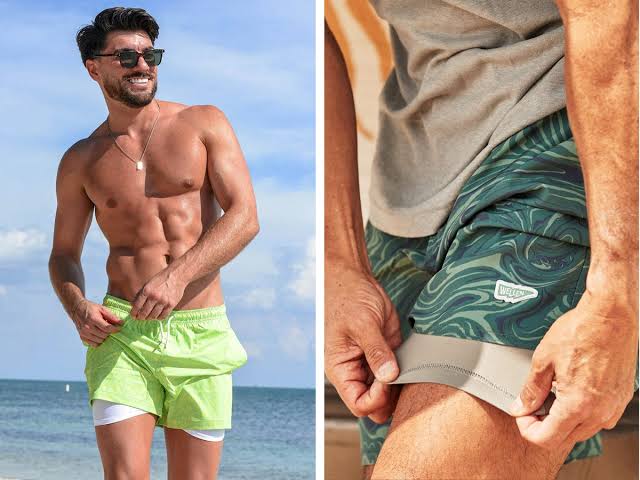
The netting inside swim trunks is a thin, breathable mesh liner sewn into the interior of the shorts. It usually sits right below the waistband and covers the crotch area.
Most mesh liners are made from lightweight polyester or nylon. These materials are chosen because they dry fast and hold up well against chlorine and salt water.
This liner is often called a “mesh basket liner” in the swimwear industry. It has been the standard liner style since swim trunks became mainstream casual wear.
Why Do Men’s Swim Trunks Have Netting? The Core Reasons
The netting exists mainly to replace the need for wearing underwear underneath your swimwear. It acts as a built-in layer of support and coverage.
Below are the main reasons manufacturers add this mesh lining to swim trunks.
1. It Prevents See-Through Fabric
Swim trunk fabric often becomes thinner and more see-through once it gets wet. The mesh liner adds a second layer that blocks light and prevents transparency.
Without this liner, thin or light-colored trunks could reveal more than intended, especially in bright sunlight near water.
2. It Reduces Chafing and Irritation
Wet fabric clings tightly to skin and rubs against it during movement. This friction, combined with sand, salt, or chlorine, can quickly cause rashes.
The netting creates a soft buffer zone between your skin and the outer fabric, lowering the chance of irritation during long beach days.
3. It Offers Built-In Support
The mesh liner is shaped similarly to brief-style underwear. This design gives structure and mild support to sensitive areas without needing an extra undergarment.
For many men, this eliminates the discomfort of wearing regular underwear that gets soaked and stays wet for hours.
4. It Speeds Up Drying Time
Mesh is a loosely woven fabric with tiny holes throughout. Water drains through these holes quickly instead of pooling inside the shorts.
This helps both the liner and the outer shorts dry faster once you are out of the water.
5. It Improves Airflow
Because mesh is not a solid fabric, air can pass through it more easily than through regular lining materials.
This ventilation helps keep the area cooler during hot summer days and reduces the sweaty, trapped feeling some liners create.
6. It Avoids Fabric Damage From Underwear
Wearing regular cotton underwear under swim trunks can cause problems over time. Wet cotton takes a long time to dry and can fade or stain lighter-colored swimwear.
The netting removes the need for that extra layer, protecting both your comfort and your swimwear’s appearance.
Table: Quick Summary of Why Swim Trunks Have Netting
| Reason | Benefit It Provides |
|---|---|
| Prevents transparency | Keeps shorts opaque when wet |
| Reduces chafing | Softer barrier against skin |
| Adds support | Mimics brief-style coverage |
| Speeds up drying | Water drains through mesh holes |
| Improves airflow | Keeps you cooler in heat |
| Replaces underwear | Avoids wet cotton problems |
Netting vs Other Hidden Design Features in Swim Trunks
Netting is just one of several hidden design details that make swim trunks functional. Understanding the others helps you appreciate the full engineering behind a good pair of trunks.
Drawstrings and Elastic Waistbands
Most swim trunks combine an elastic waistband with an adjustable drawstring. This keeps the shorts secure during movement without needing a belt.
Quick-Dry Outer Fabric
The outer shell of swim trunks is usually treated or woven to resist water absorption, working alongside the mesh liner to speed up overall drying time.
Reinforced Stitching
Seams near the liner and pockets are often double-stitched, since these areas experience the most stress from movement and stretching in water.
Drainage Mesh Pockets
Pocket linings frequently use the same mesh material as the main liner, allowing water to drain out quickly instead of collecting inside.
Table: Hidden Design Features Alongside Netting
| Feature | Purpose |
|---|---|
| Elastic waistband | Secure, comfortable fit |
| Drawstring | Adjustable tightness |
| Quick-dry outer fabric | Faster overall drying |
| Reinforced stitching | Withstands stretching and movement |
| Mesh pockets | Fast water drainage |
A Short History of Mesh Liners in Swimwear

Mesh liners became popular decades ago as swim trunks shifted from tight competitive styles to looser, boardshort-style designs. Brands needed a way to add support without changing the outer look of the shorts.
The mesh basket liner became the easy, affordable solution. It could be mass-produced cheaply and sewn into almost any style of trunk.
Over time, this design became the industry default, which is why so many men grew up wearing swim trunks with this same type of lining.
Types of Swim Trunk Liners Explained
Not all swim trunks use the same type of liner. Understanding the differences helps you choose trunks that match your comfort needs.
Mesh Liner (Netting)
This is the classic, most common liner style. It is a loose net-like fabric that covers the crotch area for basic support and coverage.
It is breathable and dries quickly but can feel scratchy or bunch up after repeated washing.
Compression Liner
A compression liner is a snug, stretchy inner short built directly into the trunk. It looks and feels similar to athletic compression shorts.
It stays in place during movement and reduces chafing far better than loose mesh, especially during active water sports.
Unlined Swim Trunks
Unlined trunks have no interior liner at all. They are just a single layer of outer fabric.
This gives maximum airflow and a lightweight feel, but you will need to decide whether to wear something underneath for support and coverage.
Table: Mesh Liner vs Compression Liner vs Unlined Trunks
| Feature | Mesh Liner | Compression Liner | Unlined |
|---|---|---|---|
| Support level | Moderate | High | None built-in |
| Chafing risk | Higher | Low | Depends on fabric |
| Drying speed | Fast | Moderate | Fastest |
| Airflow | Good | Moderate | Best |
| Best for | Casual swimming | Active sports, surfing | Minimalist comfort |
| Feel | Can be scratchy | Smooth and snug | Lightweight, no liner feel |
Mesh Liner vs Compression Liner: Which Should You Choose?
If you mostly relax by the pool or take casual dips at the beach, a mesh liner usually works fine. It is breathable, dries fast, and gets the basic job done.
If you are active in the water, such as surfing, wakeboarding, or beach sports, a compression liner is generally the better pick. It stays in place and reduces friction during movement.
Some men switch to compression liners specifically because mesh liners bunched up or caused irritation after repeated use.
Common Complaints About Mesh Netting
While mesh liners serve a purpose, many men report specific issues with them over time. Knowing these in advance helps set realistic expectations.
Itchiness and Scratchiness
The rough texture of some mesh liners can feel uncomfortable directly against sensitive skin, especially in cheaper swim trunks.
Sagging After Washes
Repeated washing and drying can cause the elastic mesh to lose its shape. This leads to bunching and a saggy fit over time.
Sand and Debris Trapping
The small holes in mesh fabric can trap sand or dirt. This makes the liner harder to clean thoroughly after beach trips.
Chafing During Movement
Loose mesh can shift or rub against skin during activities like running, jumping, or swimming laps, leading to irritation.
Table: Common Netting Complaints and Simple Fixes
| Complaint | Simple Fix |
|---|---|
| Itchy texture | Choose trunks with softer, finer mesh |
| Sagging over time | Wash in cold water, avoid the dryer |
| Trapped sand | Rinse liner thoroughly after beach use |
| Chafing during activity | Switch to a compression liner style |
Do You Need to Wear Underwear With Netting?
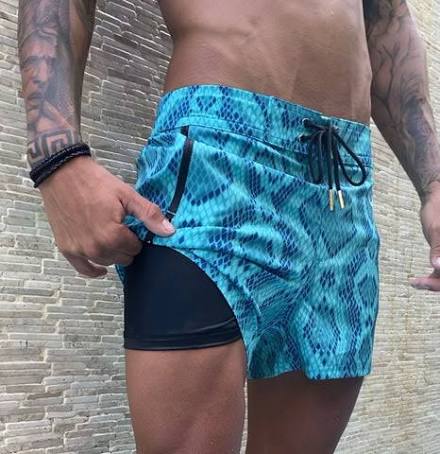
In most cases, no. The mesh liner is specifically designed to replace the function of underwear while swimming.
Wearing regular underwear underneath can trap extra moisture, take longer to dry, and increase the chance of rashes.
If you still prefer extra coverage, moisture-wicking athletic underwear is a better choice than cotton, since it dries faster and reduces friction.
How to Care for Swim Trunks With Mesh Liners
Proper care extends the life of both the liner and the outer fabric. A few small habits make a noticeable difference.
Rinse your trunks in clean water right after swimming to remove chlorine, salt, or sand before it settles into the mesh.
Wash in cold water on a gentle cycle and skip the dryer, since heat can weaken the elastic fibers in the liner over time.
Let your trunks air dry flat or on a hanger instead of leaving them balled up while still wet.
Are Swim Trunks With Netting Still Popular in 2026?
Yes, mesh-lined swim trunks remain widely available and popular, especially in classic and budget-friendly swimwear lines.
That said, compression liners have grown significantly in popularity among men who prioritize activity and comfort over the traditional look and feel.
Many brands now offer both liner types side by side, letting shoppers choose based on personal preference rather than settling for one default style.
Choosing the Right Swim Trunks for You
Think about how you actually plan to use your swim trunks before deciding on a liner type. Casual lounging and active water sports have very different comfort needs.
If budget and classic style matter most, mesh-lined trunks are a reliable, affordable option that has stood the test of time.
If comfort during movement and chafing prevention are your priority, it is worth paying a bit more for a compression-lined pair.
Materials Commonly Used in Mesh Liners
Most mesh liners are made from polyester, nylon, or a blend of the two. These synthetic fibers resist water damage far better than natural fabrics like cotton.
Polyester mesh tends to be more affordable and holds its shape reasonably well, which is why budget swim trunks often use it as the default liner material.
Nylon mesh is usually softer against the skin and slightly more stretchy, making it a common choice in mid-range and premium swimwear lines.
Some higher-end brands now blend in spandex or elastane for extra stretch. This reduces bunching and helps the liner move more naturally with your body.
Table: Common Mesh Liner Materials
| Material | Feel | Durability | Typical Price Range |
|---|---|---|---|
| Polyester mesh | Slightly firm | Good | Budget |
| Nylon mesh | Soft | Good | Mid-range |
| Nylon-spandex blend | Very soft, stretchy | Very good | Premium |
Netting Across Different Swim Trunk Styles
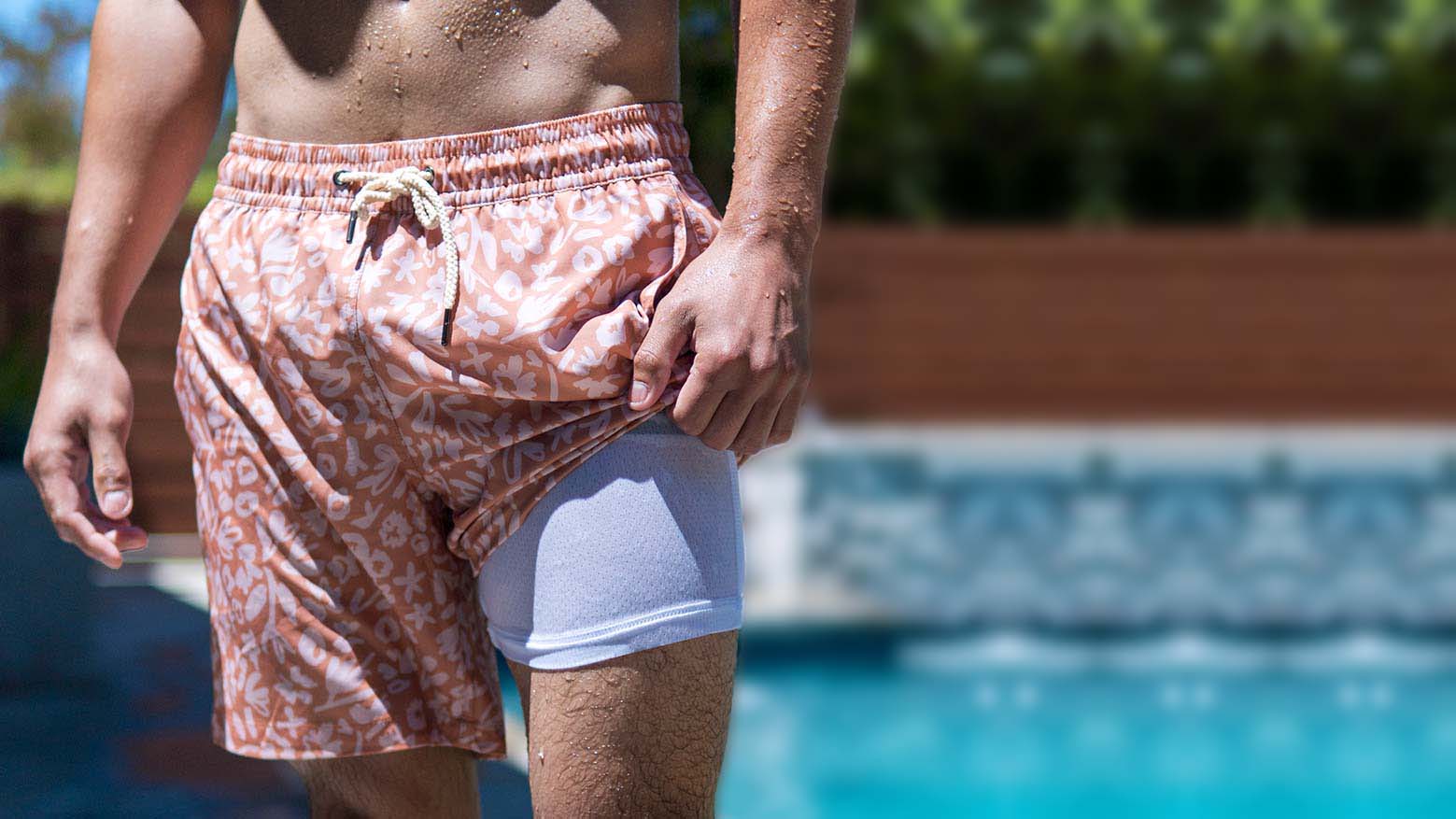
Netting is not exclusive to one single style of men’s swimwear. It appears across several categories, though the fit and coverage can vary slightly.
Boardshorts
Boardshorts are the loosest and longest style of swim trunks. They often include a full mesh liner since the baggy outer fabric needs extra support underneath.
Swim Briefs
Swim briefs are much shorter and tighter fitting. Some briefs skip netting entirely because the outer fabric itself is already snug and supportive.
Jammers
Jammers extend down to the knee and are popular with competitive swimmers. These typically use compression-style fabric rather than traditional loose mesh netting.
Hybrid Swim Shorts
Hybrid shorts are designed to double as regular shorts and swimwear. They frequently use mesh liners so they can transition from pool to street wear comfortably.
Table: Netting Presence by Swim Trunk Style
| Style | Typical Liner | Common Use Case |
|---|---|---|
| Boardshorts | Mesh netting | Casual swimming, beach days |
| Swim briefs | Sometimes none | Competitive or minimalist swimming |
| Jammers | Compression fabric | Lap swimming, training |
| Hybrid shorts | Mesh netting | Travel, everyday versatility |
Netting and Skin Sensitivity
Not everyone reacts to mesh liners the same way. Skin sensitivity plays a big role in whether the netting feels comfortable or irritating.
Men with sensitive skin may notice redness or minor irritation after long exposure to rougher mesh fabric, especially in saltwater conditions.
If irritation is a recurring issue, switching to a softer nylon-spandex liner or a compression-style short often solves the problem without giving up support.
Rinsing off saltwater or chlorine promptly after swimming also reduces the chance of the mesh liner causing skin reactions.
Why Manufacturers Still Rely on Mesh Netting
Despite newer alternatives, mesh netting remains common because it is inexpensive to produce and easy to sew into almost any trunk design.
It also has decades of brand recognition behind it. Many shoppers simply expect a mesh liner because that is what they have always worn.
For manufacturers, mesh liners keep production costs lower, which helps keep the final retail price of swim trunks more affordable for everyday buyers.
A Simple Buying Checklist for Swim Trunks With Netting
Before buying your next pair of swim trunks, run through a few quick checks to avoid common comfort issues later.
Check the liner material listed on the product page, since nylon or nylon-spandex blends usually feel softer than plain polyester mesh.
Read recent customer reviews specifically mentioning chafing or sagging, since these issues often show up after a few washes rather than on day one.
Consider your main activity. Casual lounging suits mesh liners fine, while surfing or sports call for a compression liner instead.
Table: Quick Pre-Purchase Checklist
| Check | Why It Matters |
|---|---|
| Liner material | Affects softness and durability |
| Customer reviews | Reveals long-term comfort issues |
| Intended activity | Determines ideal liner type |
| Return policy | Useful if fit or comfort is not right |
Common Myths About Swim Trunk Netting
A few misconceptions about mesh liners tend to circulate among casual swimmers. Clearing these up helps you make a more informed choice.
Myth: Netting Is Only for Cheap Swim Trunks
This is not true. Even premium swimwear brands use mesh liners, though the material quality and stitching are usually better.
Myth: You Always Need Underwear Underneath
The netting is specifically designed to remove that need. Extra underwear often just adds unnecessary moisture and drying time.
Myth: All Mesh Liners Feel the Same
Liner comfort varies a lot between brands. Fabric blend, stitching quality, and fit all affect how the netting actually feels.
Final Comfort Tips Before Your Next Swim
Choose the right size trunks, since overly tight shorts can make any liner feel more restrictive and increase chafing risk.
Break in new swim trunks with a few short wears before a long beach day, allowing the liner to loosen slightly for a better fit.
Keep a spare pair of trunks handy for extended trips, since switching pairs partway through the day reduces prolonged friction on the skin.
Frequently Asked Questions (FAQs)
Why do men’s swim trunks have netting inside them?
The netting adds support, prevents see-through fabric, and removes the need for wearing separate underwear while swimming.
Is the netting in swim trunks the same as underwear?
Not exactly, but it serves a similar purpose by covering and supporting the same area without a separate garment.
Can I cut the mesh liner out of my swim trunks?
Yes, many men remove it if it feels uncomfortable, though this may reduce support and increase transparency risk.
Do all swim trunks come with mesh liners?
No, some trunks are unlined, and others use compression liners instead of traditional mesh netting.
Why does the netting in my swim trunks itch?
Cheaper or older mesh liners can become rough over time, especially after repeated washing and sun exposure.
Should I wear underwear under swim trunks with netting?
Generally no, since the liner is designed to provide coverage and support on its own.
What is better, mesh liner or compression liner?
Compression liners offer more support and less chafing, while mesh liners are lighter and dry faster for casual use.
Why do my swim trunks sag after a few washes?
Repeated washing, especially with heat, can stretch out the elastic mesh fabric and cause it to lose shape.
Can mesh liners cause rashes?
Yes, rough or ill-fitting mesh can rub against skin and contribute to chafing or irritation during extended wear.
Are unlined swim trunks better than mesh-lined ones?
It depends on preference. Unlined trunks offer more airflow, while mesh-lined trunks provide built-in support and coverage.
Conclusion
So, why do men’s swim trunks have netting? It comes down to comfort, support, and practicality.
The mesh liner prevents see-through fabric, reduces chafing, speeds up drying, and removes the need for separate underwear.
While mesh liners have been the industry standard for years, they are not the only option available today. Compression liners and unlined trunks both offer alternatives depending on how active you are in the water.
Understanding these differences helps you choose swim trunks that actually match your comfort needs instead of settling for whatever design happens to be most common.
Whether you stick with classic netting or switch to a compression liner, the right choice simply depends on your personal preference and how you plan to spend your time by the water in 2026.
