

Why is Thai tea orange is one of the first questions people ask the moment they see this glowing, sunset-colored drink at a restaurant or boba shop.
The short answer is a mix of strong black tea, warming spices, sweetened condensed milk, and in most commercial versions, a splash of orange food coloring. But the full story goes deeper than a simple dye job.
It involves tea chemistry, Thai street food history, and a marketing decision that made the drink instantly recognizable around the world.
The Short Answer: What Makes Thai Tea Orange
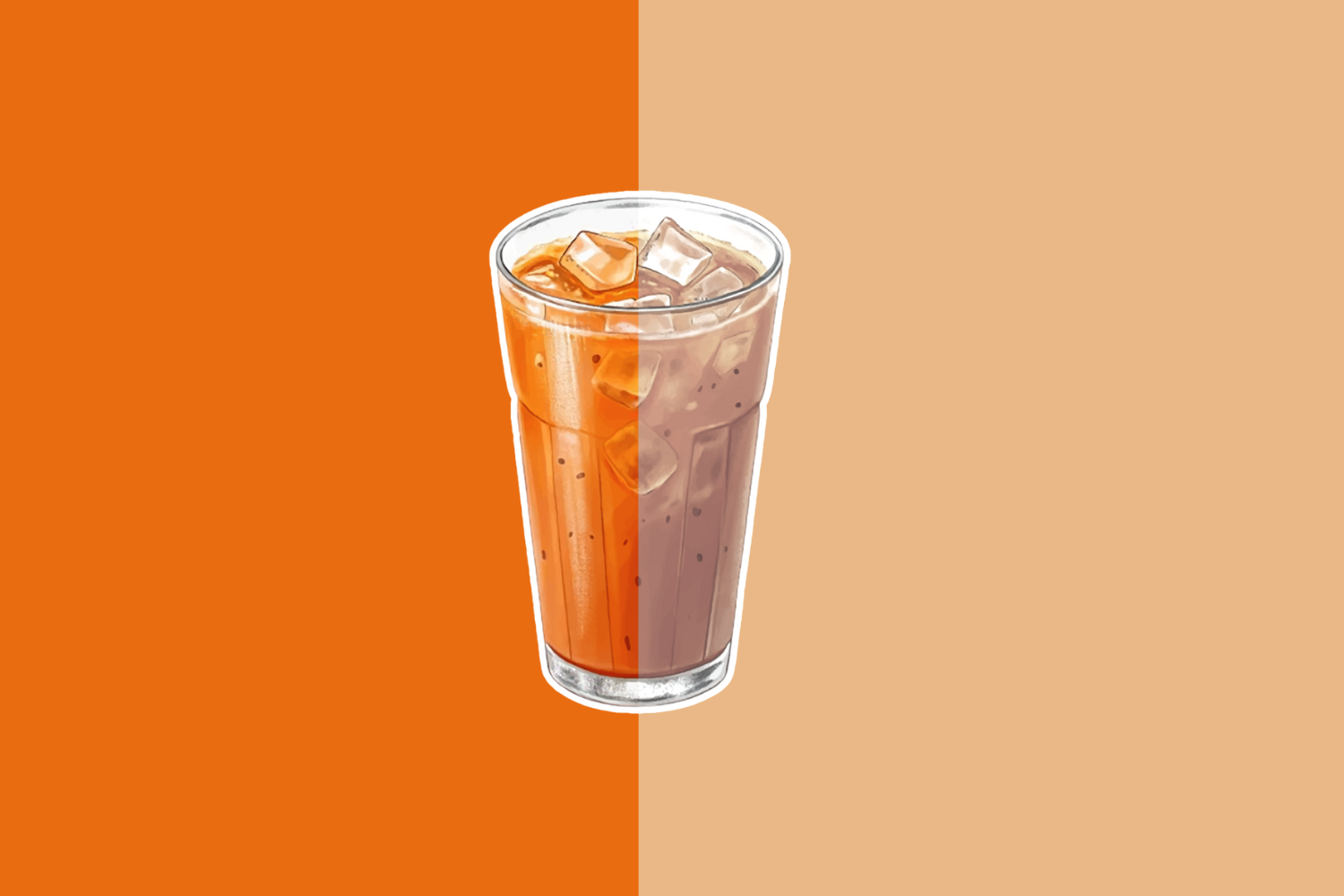
Thai tea gets its orange color from a combination of strongly brewed black tea, natural spices, and added food coloring.
On its own, brewed Ceylon or Assam black tea produces a reddish-brown or amber color, not the bright orange most people picture.
Most of that vivid, almost neon orange comes from manufacturers adding color directly to the dry tea leaves before they ever reach your cup.
Traditional homemade versions lean more on natural ingredients, while mass-market Thai tea mixes almost always include a synthetic dye for consistency.
Thai Tea Ingredients Breakdown
Every batch of Thai tea starts with a handful of core ingredients. The table below shows what each one contributes to color, flavor, or texture.
| Ingredient | Main Role | Effect on Color |
|---|---|---|
| Ceylon or Assam black tea | Base flavor and body | Reddish-brown to amber |
| Star anise | Warm, sweet aroma | Faint reddish tint |
| Tamarind | Tangy, fruity flavor | Natural reddish-brown |
| Orange blossom water | Fragrance | Faint golden warmth |
| Sweetened condensed milk | Creaminess and sweetness | Lightens the overall shade |
| Sunset Yellow FCF or annatto | Visual appeal | Bright orange finish |
Each of these plays a small part, but the food coloring is almost always the ingredient that pushes the drink into that unmistakable bright orange territory.
Black Tea Base: Ceylon vs Assam
The tea leaf itself matters more than most people realize, since different black teas carry slightly different natural pigments before anything else is added.
Ceylon tea, grown in Sri Lanka, tends to brew a brighter, more reddish-amber liquor when steeped strong.
Assam tea, often grown locally in Thailand under the name Bai Miang, brews darker and more robust, leaning toward deep reddish-brown.
| Tea Type | Natural Brew Color | Flavor Profile |
|---|---|---|
| Ceylon black tea | Reddish-amber | Bright, slightly citrusy |
| Assam or Bai Miang | Deep reddish-brown | Bold, malty, robust |
Neither leaf alone produces bright orange, which is exactly why spices and coloring became standard rather than optional.
The Role of Food Coloring in Thai Tea
Food coloring is the single biggest reason modern Thai tea looks the way it does.
Most commercial tea mixes add color straight into the dry tea blend during production, long before it reaches a restaurant or a home kitchen.
This makes the orange shade consistent from bag to bag, which matters a lot for brands trying to keep their signature look recognizable.
Sunset Yellow FCF Explained
Sunset Yellow FCF is the synthetic dye most commonly responsible for Thai tea’s bright orange glow.
It is approved by the FDA and considered safe within typical dietary amounts, though some studies have linked mixed synthetic dyes to hyperactivity in certain children.
Is Thai Tea Dye Same as Mac and Cheese Color
Food writer Mark Wiens has pointed out that the coloring used in some Thai tea blends is chemically similar to the dye found in boxed mac and cheese.
That comparison sounds surprising, but it explains why the color can look almost fluorescent under bright restaurant lighting.
Natural Ingredients That Add Color
Not every orange hue comes from a bottle. Traditional Thai tea recipes use several spices that shift color naturally, even if the effect is subtle compared to dye.
Star Anise
Star anise contributes a warm, slightly sweet aroma along with a faint reddish tint when steeped for an extended period with the tea leaves.
It is one of the oldest flavoring agents used in Thai tea recipes, tracing back to influences from Indian-style chai.
Tamarind
Tamarind is a tangy fruit pulp common in Thai cooking that contributes a natural reddish-brown hue and a mild tartness.
It balances the sweetness of condensed milk while nudging the tea’s color a shade warmer.
Orange Blossom Water
Orange blossom water is included mainly for fragrance rather than color, though it does add a faint golden warmth to the finished drink.
Some older recipes use it as a signature note that separates homemade Thai tea from mass-produced versions.
Annatto
Annatto is a natural seed-based coloring agent used in some dye-free Thai tea blends as a substitute for synthetic orange dye.
It produces a softer, more muted orange compared to Sunset Yellow FCF, but it satisfies buyers who want a natural ingredient list.
History of Thai Tea’s Orange Color
The bright orange version of Thai tea most people recognize today is actually a fairly recent development, not an ancient tradition.
Early Tea Culture in Thailand
Tea drinking was introduced to Thailand during the reigns of King Rama IV and King Rama V in the early nineteenth century.
Tea production in the region dates back even further, but tea did not become a popular everyday beverage in Thailand until much later.
The ChaTraMue Brand Story
ChaTraMue, one of Thailand’s most famous tea brands, began as a small Chinese teashop in Bangkok’s Yaowarat district importing Chinese and Oolong tea.
When Chinese hot tea failed to catch on with local customers, the shop pivoted to red tea served over ice, eventually becoming synonymous with Thai tea itself.
Why America Made It Brighter
Thai chefs in the United States are widely credited with making the tea brighter, sweeter, and spicier to appeal to American customers.
This adaptation followed a familiar pattern seen across Thai cuisine in the U.S., where dishes like pad thai were also adjusted for local palates.
Natural vs Artificial: Which One Is Real Thai Tea
This is one of the most debated questions among Thai tea fans, and honestly, there is no single correct answer.
| Version | Color Source | Common Setting |
|---|---|---|
| Traditional homemade | Tea, spices, tamarind | Home kitchens, small vendors |
| Street-style Thai | Light dye plus spices | Thailand street stalls |
| Commercial Western mix | Heavy synthetic dye | Restaurants, bubble tea shops |
Street vendors in Thailand often use less dye and rely more on sugar and spices for depth, while Western markets prioritize a bright, photo-ready appearance.
Regional Color Variations Across Thailand
Even within Thailand, the exact shade of Thai tea can shift depending on the region and the vendor’s personal recipe.
In northern Thailand, the tea often appears darker and more reddish due to stronger black tea leaves and less condensed milk.
In the south, vendors tend to add more food coloring, producing a brighter and more uniform orange shade.
Even within Bangkok, neighboring street carts can serve noticeably different shades based on their own private recipes.
Is the Orange Food Coloring Safe
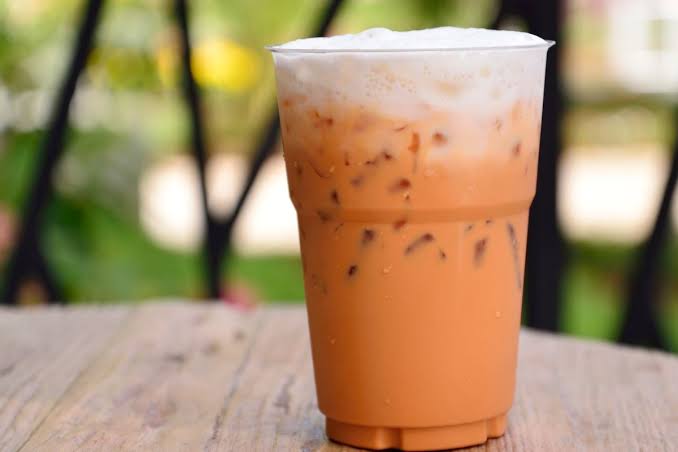
Sunset Yellow FCF and similar dyes are approved food additives in the United States, and the FDA considers them safe within normal dietary amounts.
However, the FDA’s food dye guidance has been evolving, with some synthetic colorants facing phased restrictions in the U.S. by the end of 2025 and into 2026.
A widely cited UK study linked mixtures of synthetic dyes to increased hyperactivity in certain children, which pushed several European countries toward stricter labeling rules.
If you are sensitive to synthetic dyes, look for Thai tea blends that specifically list annatto or natural coloring instead of Sunset Yellow FCF or Red No. 40.
How to Make Thai Tea Without Artificial Dye
You can absolutely make a version of Thai tea without any synthetic food coloring at all.
Brew Assam or Ceylon black tea strong, then add star anise and a small amount of tamarind while the tea steeps.
Sweeten with condensed milk and top with evaporated milk for that classic creamy layer on iced tea.
The result will be a darker, more muted amber-orange rather than the bright, almost fluorescent shade sold commercially, but the flavor stays authentic.
| Method | Color Result | Dye Used |
|---|---|---|
| Traditional dye-free brew | Amber-orange, muted | None |
| Annatto-based blend | Soft natural orange | Natural |
| Commercial tea mix | Vivid bright orange | Synthetic |
Thai Tea vs Other Asian Milk Teas
Thai tea belongs to a wider family of spiced and sweetened milk teas found across South and East Asia.
| Drink | Origin | Signature Color |
|---|---|---|
| Thai tea (Cha Yen) | Thailand | Bright orange |
| Masala Chai | India | Reddish-brown |
| Taiwanese milk tea | Taiwan | Light brown |
| Teh Tarik | Malaysia | Golden brown |
What sets Thai tea apart from its regional cousins is that deliberate, eye-catching orange color, which no other milk tea in the group shares by default.
The Food Chemistry Behind Tea Color
Tea color comes from natural compounds called theaflavins and thearubigins, which form during the oxidation of tea leaves.
Black tea undergoes full oxidation, which is why it produces darker reddish-brown liquors compared to green or oolong tea.
These natural pigments interact with milk proteins when condensed milk is added, softening the tone and giving iced Thai tea its lighter, creamier appearance.
Food dyes work differently. Sunset Yellow FCF is a water-soluble synthetic compound that binds evenly through the liquid, which is why dyed Thai tea looks so uniformly bright compared to naturally brewed tea.
Thai Tea in Pop Culture and Social Media
Thai tea’s bright orange color has made it a favorite subject on social media, where visually striking drinks tend to perform well.
Food bloggers and influencers often highlight the color specifically, which has helped push demand for even brighter, more saturated versions in some markets.
This visual-first trend has, in turn, encouraged more cafes to lean into synthetic dye rather than move away from it, since audience engagement often rewards bold color over subtlety.
At the same time, a smaller but growing niche of creators promotes natural, dye-free Thai tea as a healthier alternative, showing that both trends can coexist.
Common Mistakes When Judging Thai Tea by Color
A lot of people assume a brighter orange automatically means a better or more authentic Thai tea, which is not accurate.
Color intensity mostly reflects how much dye was added, not the quality of the tea leaves or the skill of the person brewing it.
A darker, less vibrant Thai tea can still be richer in flavor if it relies on strong tea leaves and real spices instead of heavy dye.
Always check the ingredient list if you want to know whether you are drinking a naturally tinted or artificially colored version.
Popular Thai Tea Brands and Their Color Approach
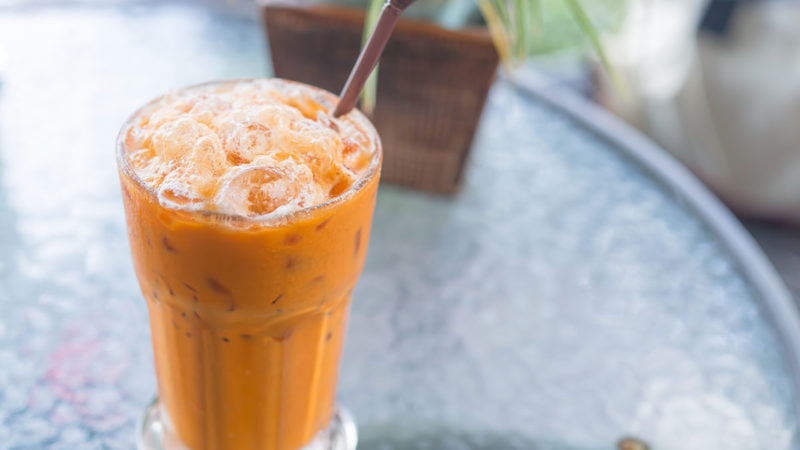
Different brands take noticeably different approaches to color, and knowing a few names helps when you are shopping for tea mix at a store.
| Brand | Color Style | Coloring Type |
|---|---|---|
| ChaTraMue (Number One Brand) | Bright orange | Synthetic dye |
| Pantai | Vivid orange | Synthetic dye |
| Small-batch artisan blends | Muted amber | Natural or none |
| Annatto-based specialty brands | Soft orange | Natural annatto |
ChaTraMue remains the dominant name internationally, and its bright orange color has become the visual standard most people expect when they order Thai tea.
Smaller, health-focused brands increasingly market themselves around removing synthetic dye entirely, which appeals to buyers who want the classic flavor without the bright color.
Why Restaurants Prefer the Bright Orange Version
Restaurants and bubble tea shops have strong business reasons for sticking with the vivid orange look, beyond just tradition.
A bright, consistent color photographs well for menus, social media, and in-store displays, which matters enormously for drinks sold partly on visual appeal.
Consistency also protects a brand’s identity, since customers quickly learn to associate a very specific orange shade with a particular chain or product line.
Because of this, most restaurant-style Thai tea will lean toward the dyed version even when a more natural option is available on request.
Thai Tea Nutrition Quick Facts
Beyond color, people often want to know what they are actually drinking, so here is a quick nutritional snapshot of a typical restaurant-style serving.
| Component | Typical Amount (16 oz serving) | Contributes To |
|---|---|---|
| Sugar | 30 to 45 grams | Sweetness, calories |
| Calories | 200 to 350 kcal | Energy content |
| Caffeine | 30 to 60 mg | Mild stimulant effect |
| Fat (from milk) | 5 to 10 grams | Creaminess, texture |
These numbers vary widely between homemade and commercial versions, since sugar and milk amounts are rarely standardized across vendors.
If you are cutting back on sugar, asking for less condensed milk is a simple way to lighten a traditional glass of Thai tea without changing the color much.
Tips for Ordering an Authentic Thai Tea
If you want the closest experience to what is served on the streets of Thailand, a few small ordering habits can help.
Ask whether the tea uses Ceylon or Assam leaves, since this affects both the base flavor and the natural undertone of the color.
Request less sweetener if you prefer a stronger tea flavor over a dessert-like sweetness, which is common in many Western cafes.
If available, try a version made with annatto or no added dye at all to taste how the drink differs from the bright orange standard.
Where to Buy Authentic Thai Tea Mix
If you want to recreate this drink at home, look for tea mix labeled specifically as Thai tea rather than plain black tea.
Asian grocery stores typically stock several brands side by side, letting you compare ingredient labels for dye versus natural coloring before buying.
Online retailers now also list dye-free and low-sugar Thai tea mixes, which is a fairly recent shift driven by growing interest in cleaner ingredient lists.
Checking the ingredient panel is the fastest way to know exactly which version of orange you are about to brew.
Quick Recap Table
| Question | Short Answer |
|---|---|
| Is Thai tea naturally orange? | Not fully; tea leaves alone brew reddish-brown |
| What causes the bright orange? | Added food coloring, usually Sunset Yellow FCF |
| Do spices affect color? | Yes, slightly, toward reddish-amber |
| Can you avoid the dye? | Yes, with dye-free or annatto-based blends |
This table sums up the core answer to why is Thai tea orange in a single glance, before moving into the detailed FAQ section below.
Frequently Asked Questions (FAQs)
Why is Thai tea orange in the first place?
Thai tea is orange mainly because of added food coloring, usually Sunset Yellow FCF, combined with strong black tea and warming spices.
Is the orange color in Thai tea natural?
Not usually. Most commercial Thai tea gets its bright orange from synthetic dye rather than the tea leaves or spices alone.
What food coloring is used in Thai tea?
The most common dye is Sunset Yellow FCF, sometimes paired with a small amount of red coloring for depth.
Does Thai tea taste different because of the orange color?
No, the coloring does not significantly change the flavor; taste comes mainly from the tea, spices, sugar, and milk.
Can you make Thai tea without food coloring?
Yes, using strong Assam or Ceylon tea with star anise and tamarind produces a naturally amber-orange, dye-free version.
Is Sunset Yellow FCF safe to drink?
The FDA considers it safe in normal amounts, though some studies link synthetic dye mixtures to hyperactivity in sensitive children.
What tea leaves are used in Thai tea?
Most recipes use strongly brewed Ceylon or Assam black tea, sometimes labeled locally as Bai Miang.
Why does Thai tea look different from region to region?
Vendors vary the amount of dye, spices, and condensed milk they use, which changes the final shade of orange.
Is Thai tea the same as Thai iced coffee?
No, they are different drinks, though the orange dye was partly introduced to help customers tell the two milky beverages apart.
Will Thai tea change color due to new food dye regulations?
Some brands may shift toward natural colorants like annatto as certain synthetic dyes face phased restrictions in the coming years.
Conclusion
So, why is Thai tea orange? The honest answer blends chemistry, history, and marketing. Strong black tea naturally leans reddish-brown, spices like star anise and tamarind nudge it slightly warmer, and sweetened condensed milk softens the shade even further.
But the bright, unmistakable orange most people associate with Thai tea almost always comes from added food coloring, most commonly Sunset Yellow FCF.
Traditional and street-style versions in Thailand often use less dye, relying instead on spices and tea strength for character, while commercial Western blends lean heavily on synthetic color for visual appeal.
Neither version is wrong. Whether you prefer the vivid, photo-ready orange or a more muted, naturally brewed amber, understanding what goes into your glass helps you choose the version that fits your taste, your health preferences, and your curiosity about one of Southeast Asia’s most iconic drinks.
