

Why Do I Have Sulfur Burps? Sulfur burps happen when hydrogen sulfide gas builds up in your digestive tract and escapes through your mouth, leaving behind that unmistakable rotten-egg smell.
It’s an uncomfortable, sometimes embarrassing experience, but it’s also incredibly common and usually harmless.
Most sulfur burps are linked to diet, digestion speed, or mild bacterial activity in your gut. In some cases, though, they can point to an underlying condition like SIBO, GERD, or an H. pylori infection.
Quick Overview: Sulfur Burps at a Glance
Before diving into the details, here’s a fast snapshot of what causes sulfur burps and what generally helps.
| Question | Short Answer |
|---|---|
| What causes it | Hydrogen sulfide gas from gut bacteria breaking down sulfur-rich food |
| Is it serious | Usually not, unless frequent or paired with other symptoms |
| Fast relief | Water, walking, bismuth subsalicylate, simethicone |
| Long-term fix | Smaller meals, trigger-food tracking, probiotics |
| See a doctor if | Happens 3+ times weekly or with diarrhea, vomiting, weight loss |
What Are Sulfur Burps?
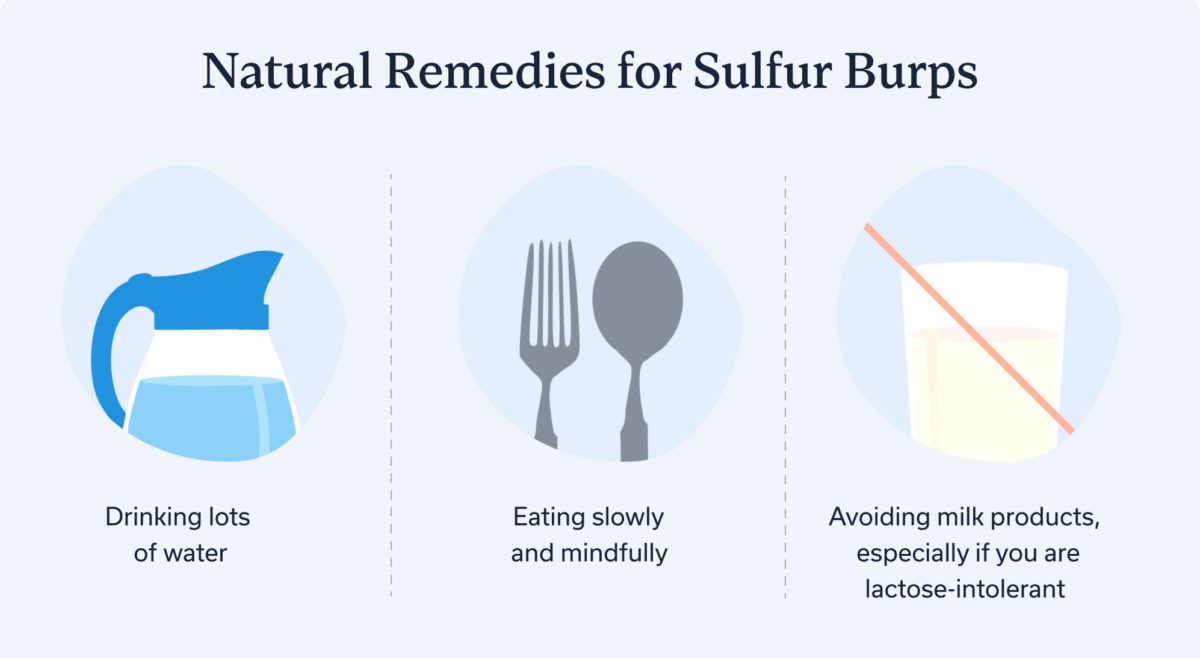
Sulfur burps are burps that carry a strong, foul odor similar to rotten eggs. This smell comes from hydrogen sulfide (H2S) gas.
Unlike regular burps, which usually smell like the food you just ate, sulfur burps have a distinct sulfuric quality. This happens because gut bacteria break down certain compounds and release sulfur-based gas.
Occasional sulfur burps are normal. Everyone produces some hydrogen sulfide during digestion. The concern starts when they become frequent, intense, or paired with other symptoms.
Why Do I Have Sulfur Burps? Main Causes
Sulfur burps occur when bacteria in your gut break down sulfur-containing compounds from food, producing hydrogen sulfide gas as a byproduct. This gas then travels back up through the digestive tract and is released as a burp.
Several separate factors can trigger or worsen this process. Below is a quick overview before we break each one down.
| Cause | What Happens |
|---|---|
| High-sulfur diet | Bacteria break down sulfur-rich foods into H2S gas |
| Slow digestion | Food sits longer, giving bacteria more time to ferment it |
| SIBO | Bacterial overgrowth in the small intestine increases gas production |
| H. pylori infection | Bacterial infection in the stomach lining triggers bloating and sulfur burps |
| GERD | Acid reflux pushes gas and stomach contents upward |
| Medications | Certain drugs slow gastric emptying, increasing gas buildup |
| Pregnancy | Hormonal shifts slow digestion and relax digestive muscles |
Sulfur-Containing Amino Acid Breakdown
Foods rich in protein contain amino acids like cysteine and methionine. When gut bacteria digest these proteins, they release hydrogen sulfide as a natural byproduct.
This is the single biggest reason people experience sulfur burps after eating meat, eggs, or dairy-heavy meals.
Small Intestinal Bacterial Overgrowth (SIBO)
SIBO happens when bacteria that normally live in the large intestine migrate into the small intestine. This overgrowth ferments food too early in the digestive process.
The result is excess gas production, including hydrogen sulfide, along with bloating and abdominal discomfort.
H. Pylori Infection
Helicobacter pylori is a bacterium that can infect the stomach lining. It’s a well-known cause of ulcers, but it also disrupts normal digestion.
People with an active H. pylori infection often report frequent sulfur burps, nausea, and stomach pain together.
GERD and Acid Reflux
Gastroesophageal reflux disease allows stomach acid and gas to travel back up the esophagus. This upward movement can carry sulfur compounds with it.
If your sulfur burps come with heartburn or a sour taste, GERD may be the underlying trigger.
Rapid or Poor Digestion
Eating too fast, overeating, or consuming very fatty meals slows down your digestive system. Food that lingers longer in the gut gives bacteria more time to ferment it.
This extended fermentation process increases hydrogen sulfide output significantly.
Certain Medications
Some medications slow gastric emptying as a side effect. This delay allows more bacterial fermentation to occur before food moves through the gut.
GLP-1 medications like Ozempic and Mounjaro are commonly linked to sulfur burps because they intentionally slow digestion to control appetite.
Pregnancy Hormones
During pregnancy, rising progesterone levels relax the muscles of the digestive tract. This slows down the movement of food through the gut.
Slower digestion means more time for bacteria to produce gas, which is why sulfur burps are common in early pregnancy.
Foods That Cause Sulfur Burps
Certain foods are naturally high in sulfur compounds. Eating large amounts of these foods gives gut bacteria more raw material to convert into hydrogen sulfide gas.
| Food Category | Examples |
|---|---|
| Cruciferous vegetables | Broccoli, cauliflower, cabbage, Brussels sprouts |
| Allium vegetables | Garlic, onions, leeks |
| High-protein foods | Red meat, eggs, poultry, fish |
| Dairy products | Milk, cheese, yogurt |
| Legumes | Beans, lentils, chickpeas |
| Dried fruits | Apricots, raisins (contain sulfites) |
| Beverages | Beer, sulfite-preserved wine |
Eating these foods occasionally is not a problem for most people. Sulfur burps tend to appear when consumption is frequent or portions are unusually large.
Sulfur Burps vs. Regular Burps
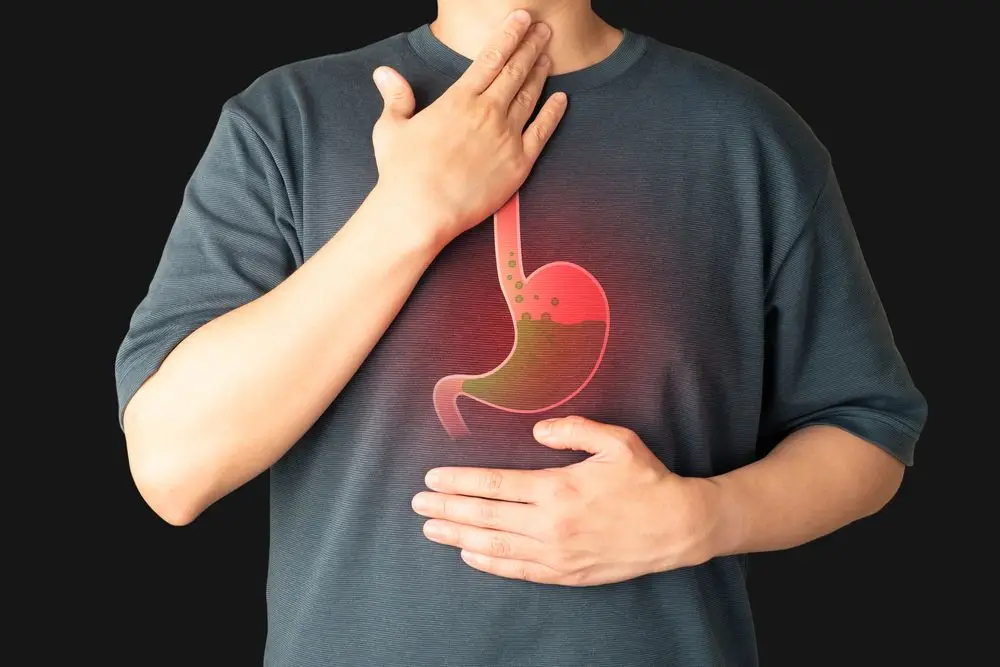
Regular burps typically happen right after eating or drinking, often from swallowed air. They usually smell faint or match whatever food you just consumed.
Sulfur burps are different because the odor is sharp, distinct, and unmistakably like rotten eggs. This smell comes specifically from hydrogen sulfide, not just trapped air.
Another difference is timing. Regular burps often happen quickly after a meal, while sulfur burps can appear an hour or more later, once bacteria have had time to ferment food.
Are Sulfur Burps Dangerous?
In most cases, sulfur burps are not dangerous. They’re an unpleasant but harmless byproduct of normal digestion and bacterial activity in the gut.
The situation changes if sulfur burps become chronic or are paired with other worrying symptoms. Persistent cases can point to an underlying digestive disorder that needs treatment.
Think of sulfur burps as a signal rather than a disease on their own. They’re your gut’s way of telling you something in your diet or digestion needs adjusting.
Sulfur Burps and Bloating
Bloating and sulfur burps frequently show up together because both stem from excess gas production in the gut. When bacteria ferment food, gas builds up and needs to escape somehow.
If it doesn’t escape as a burp, it often causes a tight, swollen feeling in the abdomen instead. Reducing gas-producing foods tends to ease both symptoms at once.
Sulfur Burps in Children
Children can experience sulfur burps too, usually tied to diet or a mild stomach bug. Kids who eat lots of eggs, dairy, or sugary snacks are more prone to this issue.
If a child has sulfur burps along with fever, vomiting, or refusal to eat, it’s best to consult a pediatrician rather than waiting it out.
Common Myths About Sulfur Burps
There’s a lot of confusing information online about sulfur burps, so it helps to separate fact from fiction before making changes to your diet or routine.
| Myth | Reality |
|---|---|
| Sulfur burps always mean food poisoning | Usually they’re just diet-related, not an infection |
| Only eggs cause sulfur burps | Many high-protein and sulfur-rich foods can trigger them |
| You must stop eating protein entirely | Moderation and portion control are usually enough |
| Sulfur burps mean you have SIBO | SIBO is one possible cause, not the only one |
| Charcoal pills cure the root cause | They only absorb existing gas, not the source |
A Sample Low-Sulfur Meal Plan
If you suspect diet is your main trigger, a short-term low-sulfur meal plan can help you test the theory. This isn’t meant to be permanent, just a diagnostic tool.
| Meal | Suggested Options |
|---|---|
| Breakfast | Oatmeal with banana, herbal tea |
| Lunch | Grilled chicken with rice and steamed carrots |
| Snack | Apple slices with a small handful of almonds |
| Dinner | Baked fish with sweet potato and green beans |
| Drinks | Water, herbal tea, diluted fruit juice |
Try this style of eating for five to seven days and note whether your sulfur burps decrease. Slowly reintroduce foods one at a time afterward.
Symptoms That Often Accompany Sulfur Burps
Sulfur burps rarely occur completely alone. Paying attention to accompanying symptoms can help you identify the underlying cause.
Common symptoms include bloating, abdominal cramping, and a general feeling of fullness. Some people also notice increased flatulence with a similar rotten-egg odor.
Nausea, diarrhea, or constipation alongside sulfur burps may suggest a bacterial imbalance or infection. Heartburn and a sour taste point more toward acid reflux.
Sulfur Burps and Diarrhea
When sulfur burps show up together with diarrhea, it often signals rapid fermentation or a gut infection. Bacteria are breaking down food quickly and producing excess gas in the process.
This combination is also common with food poisoning, SIBO, or sensitivity to certain foods like dairy or gluten.
If diarrhea and sulfur burps last more than two to three days, it’s worth checking in with a doctor to rule out infection.
Sulfur Burps and Medications Like Ozempic and Mounjaro
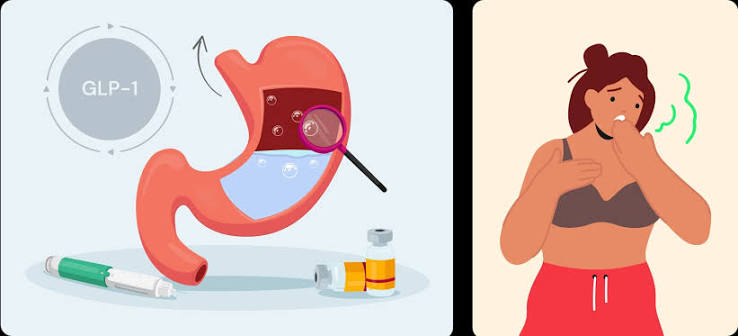
GLP-1 receptor agonists such as Ozempic and Mounjaro are increasingly common causes of sulfur burps. These medications slow gastric emptying on purpose to help control blood sugar and appetite.
Because food sits in the stomach longer, bacteria have extra time to ferment it and release hydrogen sulfide gas.
Lowering your dose of high-fat or high-sulfur foods while on these medications often reduces the frequency of burps. Talk to your prescriber before changing your medication dose.
How to Get Rid of Sulfur Burps Fast
When a sulfur burp episode strikes, a few quick actions can bring relief within minutes to a few hours.
Drinking plenty of water helps flush your digestive system and dilute gas-producing bacteria. Aim for small, frequent sips rather than large gulps.
Taking a short walk after eating helps move gas through your intestines faster. Movement is one of the simplest and most effective fixes.
Over-the-counter remedies like bismuth subsalicylate (Pepto-Bismol) can neutralize hydrogen sulfide gas directly. Simethicone products help break up gas bubbles for easier release.
Home Remedies for Sulfur Burps
Natural remedies won’t work for everyone, but many people find real relief through simple dietary and lifestyle adjustments.
| Remedy | How It Helps |
|---|---|
| Ginger tea | Speeds up digestion and reduces fermentation |
| Peppermint tea | Relaxes digestive muscles and eases gas |
| Chamomile tea | Soothes the gut lining and reduces bloating |
| Probiotics | Restores healthy bacterial balance in the gut |
| Activated charcoal | Absorbs excess gas in the digestive tract |
| Apple cider vinegar | May support stomach acid balance before meals |
| Baking soda water | Can neutralize excess stomach acid short term |
These remedies work best when combined with smaller, slower meals. Avoid lying down right after eating, as this can worsen gas buildup.
Medical Treatments and OTC Options
If home remedies aren’t enough, several over-the-counter and prescription options can help manage sulfur burps more effectively.
| Treatment | Purpose |
|---|---|
| Bismuth subsalicylate | Neutralizes hydrogen sulfide gas directly |
| Simethicone | Breaks up trapped gas bubbles |
| Alpha-galactosidase (Beano) | Reduces gas from beans and vegetables |
| Antacids | Relieve reflux-related burping |
| Antibiotics | Treat bacterial causes like SIBO or H. pylori |
| Probiotic supplements | Rebalance gut bacteria long term |
A doctor may recommend a breath test to check for SIBO or a stool test to check for H. pylori if symptoms persist.
Lifestyle Changes to Prevent Sulfur Burps
Long-term prevention usually comes down to consistent, small changes rather than one single fix. Building better digestive habits reduces how often sulfur burps occur.
Eat smaller meals more frequently instead of large, heavy portions. This reduces the load your digestive system has to process at once.
Chew food thoroughly and eat slowly. Rushing meals increases swallowed air and gives bacteria more undigested material to ferment.
Limit carbonated drinks, alcohol, and smoking, since all three introduce extra gas or irritate the digestive lining. Staying hydrated throughout the day also supports smoother digestion.
Keep a simple food diary for two weeks to identify your personal trigger foods. Patterns often become obvious once you track meals against symptoms.
When to See a Doctor
Occasional sulfur burps are not usually a medical concern. However, certain warning signs mean it’s time to get checked out.
See a doctor if sulfur burps happen more than three times a week for several weeks in a row. This frequency suggests an underlying digestive issue rather than a one-off dietary trigger.
Seek medical attention if burps come with persistent diarrhea, vomiting, unexplained weight loss, or blood in your stool. These symptoms can indicate infection or a more serious gastrointestinal condition.
A doctor can run tests such as a hydrogen breath test, stool analysis, or endoscopy to pinpoint the exact cause and recommend targeted treatment.
The Gut-Bacteria Connection Explained
Your gut is home to trillions of bacteria, many of which help digest food you can’t break down on your own. Some of these bacteria specifically use sulfur compounds as an energy source.
This process is called dissimilatory sulfate reduction, and it naturally produces hydrogen sulfide gas as a byproduct. Everyone has some of these bacteria, but the balance varies from person to person.
An imbalance, where sulfur-reducing bacteria outnumber other beneficial strains, can lead to noticeably more frequent sulfur burps. This is why gut health and diet both play a role in prevention.
How Long Should You Wait Before Worrying?
A single episode of sulfur burps after a big meal is nothing to worry about. Your body is simply processing a heavy load of protein or sulfur-rich food.
Give your digestive system 24 to 48 hours to reset before drawing any conclusions. If symptoms clear up on their own, diet was likely the cause.
If sulfur burps return every day for more than a week, that’s a reasonable point to start tracking symptoms more closely and consider a doctor’s visit.
Natural Supplements Worth Considering
Beyond basic remedies, a few natural supplements have shown promise for people dealing with ongoing digestive gas issues. These are not replacements for medical treatment but can support overall gut health.
| Supplement | Potential Benefit |
|---|---|
| Digestive enzymes | Help break down proteins and complex carbs more efficiently |
| L-glutamine | Supports gut lining repair and function |
| Zinc carnosine | May help soothe an irritated digestive tract |
| Fennel seed extract | Traditionally used to ease gas and bloating |
| Slippery elm | Coats and soothes the digestive tract |
Always check with a healthcare provider before starting new supplements, especially if you’re pregnant, on medication, or managing a chronic condition.
Tracking Your Sulfur Burps: A Simple Method
Keeping a short daily log can reveal patterns you’d otherwise miss. Write down what you ate, when the burps happened, and how strong they were.
After one to two weeks, review the log for repeated triggers. Most people find one or two specific foods or habits standing out clearly.
This simple habit turns a frustrating, random-seeming problem into something you can actually manage with targeted changes.
Frequently Asked Questions (FAQs)
Are sulfur burps a sign of something serious?
Usually not. Most sulfur burps come from diet or slow digestion, though frequent episodes can signal SIBO, GERD, or H. pylori.
Why do my burps smell like rotten eggs?
The smell comes from hydrogen sulfide gas released when gut bacteria break down sulfur-rich foods like eggs, meat, and cruciferous vegetables.
Can stress cause sulfur burps?
Yes, stress can slow digestion and alter gut bacteria balance, which may increase gas production and trigger sulfur burps.
Do sulfur burps mean I have a stomach bug?
Not always. They can be diet-related, but sudden onset with nausea or diarrhea may point to a bacterial infection.
How long do sulfur burps usually last?
Diet-related sulfur burps often resolve within a day or two once trigger foods clear your system.
Can water help stop sulfur burps?
Yes, staying hydrated helps flush your digestive tract and can reduce gas buildup that leads to sulfur burps.
Is Pepto-Bismol effective for sulfur burps?
Yes, bismuth subsalicylate binds to hydrogen sulfide gas and neutralizes the rotten-egg odor fairly quickly.
Why do I get sulfur burps on Ozempic or Mounjaro?
These medications slow gastric emptying, giving bacteria more time to ferment food and produce hydrogen sulfide gas.
Can probiotics help with sulfur burps?
Yes, probiotics help restore healthy gut bacteria balance, which can reduce excess gas production over time.
Should I avoid eggs if I get sulfur burps often?
Reducing eggs and other sulfur-rich foods temporarily can help you see if diet is the main trigger.
Conclusion
Sulfur burps are a common digestive experience caused mainly by hydrogen sulfide gas released when gut bacteria break down sulfur-rich foods like eggs, meat, and cruciferous vegetables. Slow digestion, SIBO, GERD, H. pylori infection, certain medications, and pregnancy can all contribute to more frequent episodes.
For most people, simple changes like smaller meals, more water, gentle movement, and cutting back on trigger foods bring noticeable relief within a few days. Over-the-counter options like bismuth subsalicylate or simethicone can help during flare-ups.
If sulfur burps happen more than three times a week, or come with diarrhea, vomiting, or weight loss, it’s best to see a doctor for proper testing. In most cases, though, sulfur burps are manageable with a few practical, consistent lifestyle adjustments.
